
Why Jewish Families Should Back Bipartisan Bill
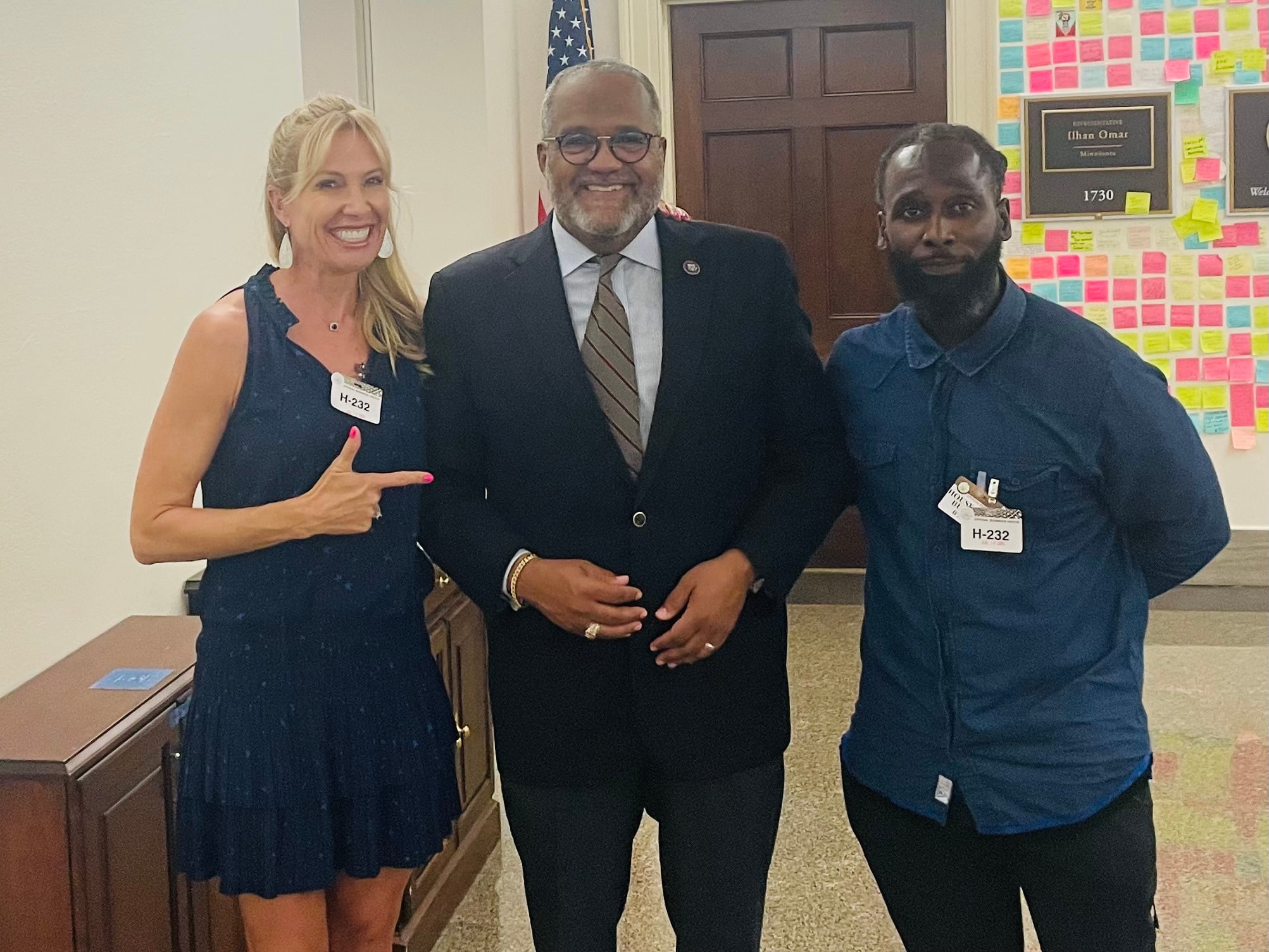
A bipartisan bill introduced into the Senate by Senator John Fetterman (D-PA), Sen. John Kennedy (R-LA), and Sen. Cory Booker (D-NJ), and into the House of Representatives by Rep. Troy Carter (D-LA) and Rep. Nancy Mace (R-SC), would impact up to 80% of Jewish families who have lactase non-persistence and whose children attend public schools. The bill is the product of years of research, resilience, advocacy, and countless successes and setbacks for Switch4Good founder and executive director Dotsie Bausch and Animal Wellness Action and Center for a Humane Economy founder and president Wayne Pacelle.
“Most of this nation’s children of color are lactose intolerant, and yet our school lunch program policy makes it difficult for these kids to access a nutritious fluid beverage that doesn’t make them sick,” Senator Booker said. “This bipartisan and bicameral legislation will bring greater equity to the lunchroom by giving students the option to choose a nutritious milk substitute that meets their dietary needs.”
In its simplest terms, once the FISCAL Act is passed, children attending public school will soon be afforded the option of selecting non-dairy milk instead of cow’s milk in the lunchroom. Schools, too, will benefit by being reimbursed for plant-based milk purchases, just as they have been for cow’s milk purchases under the terms of the Richard B. Russell National School Lunch Act.
“Undertaking multiple food system revolutions over the last half-decade necessitated unflinching resilience and aligning ourselves with bipartisan policymakers who recognized the dire nature of the impact industrial dairy is having on our planet,” Bausch added.
If passed, how will the FISCAL Act impact American Jewish families?
For any number of reasons, including for religious and dietary necessity, some children cannot or do not consume animal products, including dairy. According to registered dietitian and Switch4Good Director of Education Tiffany Bruno, MS, RDN, the FISCAL Act addresses what, to this point, has been an egregious act of inequity in public school lunchrooms.
“Schools are a place for children to learn and explore. When we only provide one beverage, we are essentially telling them that everyone should drink it. What about people who are unable to drink it, whether that’s due to a medical necessity (allergy or lactose intolerance), ethical preference, or their religion?” Bruno explained. “Just like we teach children to be accepting of other cultures and backgrounds, we should teach children that there are other dietary options that are healthy.”
Why, I asked Bruno, might Jewish families be disproportionately affected by lactose intolerance? As it turns out, from a historical basis, some regions of the world were forced to turn to dairy while others eschewed it.
“Lactose intolerance is a human concern; its prevalence in certain ethnic groups is simply due to disease affecting different parts of the world differently,” Bruno said. “Northern Europeans were forced to find other sources of nutrition during famine and turned to dairy to stay alive. Therefore, only those who had the genetic mutation to consume dairy without ill effects were able to live and reproduce. Other areas of the world looked to other sources to survive during famine, but they don’t force those upon other cultures as superior.”
What about people who are unable to drink [milk], whether that’s due to a medical necessity, ethical preference, or their religion?

Lactose intolerance, Bruno argues, should be treated with the same urgency, concern, and care as other allergies. Considering the number of preventable pediatric deaths that have occurred due to negligence by any number of entities, Bruno’s point underscores just how lazy school officials and food proprietors and handlers are when it comes to ensuring the safety of lactose-intolerant children and those with cow’s milk protein allergy.
“Schools should be teaching children to look out for their peers,” Bruno said. “If there was a spill on the floor where their classmates are walking, they should warn them so no one falls. This same level of awareness should extend to food allergies. Many schools are nut-free to protect children with allergies from accidental exposure. While this is hugely beneficial for those with allergies, most schools do not have policies about dairy.
“However, it is the leading single cause of fatal anaphylaxis in school-aged children. There are even examples of children who were bullied by their peers because of their allergy, and it resulted in death. This is unacceptable on so many levels. Children need to be taught that not being able to consume a food, regardless of their motivation, is normal, and their meal should be adapted to meet their needs.”
As Rep. Carter’s press release attests, children who are lactose-intolerant are at immense risk for illness, mistreatment, or worse. “In Congressman Carter’s home state, a 6-year-old lactose-intolerant Black girl from Zachary, LA, was recently forced to consume dairy milk at school breakfast, became sick from it, and had to clean up her accident in class. The girl, despite documented medical records of lactose intolerance and perhaps dairy allergies, was still served cow’s milk. She soon became ill and requested bathroom breaks, but was told by her teacher to stay in class. The child then defecated in her clothing and was forced to clean up the mess herself.”
How will schools be affected by the passage of the FISCAL Act?
Now that we’ve established what’s at stake for lactose-intolerant Jewish schoolchildren in public schools, how will schools be impacted by the forthcoming passage of the FISCAL Act?
“Not only is the FISCAL Act scientifically sound, but it will soon combat an immense amount of food waste and the unfathomably large amount of wasted U.S. tax dollars,” Bausch explained. “We are proud to be the groundbreaking stewards who will usher in this historic legislation.”
As Rep. Mace noted, “The federal government is wasting $400 million of our tax dollars a year by mandating that every school kid getting nutrition assistance has a carton of cow’s milk on the tray even though millions of them don’t want it and get sick from it. Thirty percent of kids throw the milk away in the carton, and hundreds of millions of tax dollars wasted is not spilled milk. Kids should have a healthy choice in lunchrooms.”
The text of the bill explains that the National School Lunch Act will be amended to include “plant-based milk” as an option for public schoolchildren in the lunchroom.
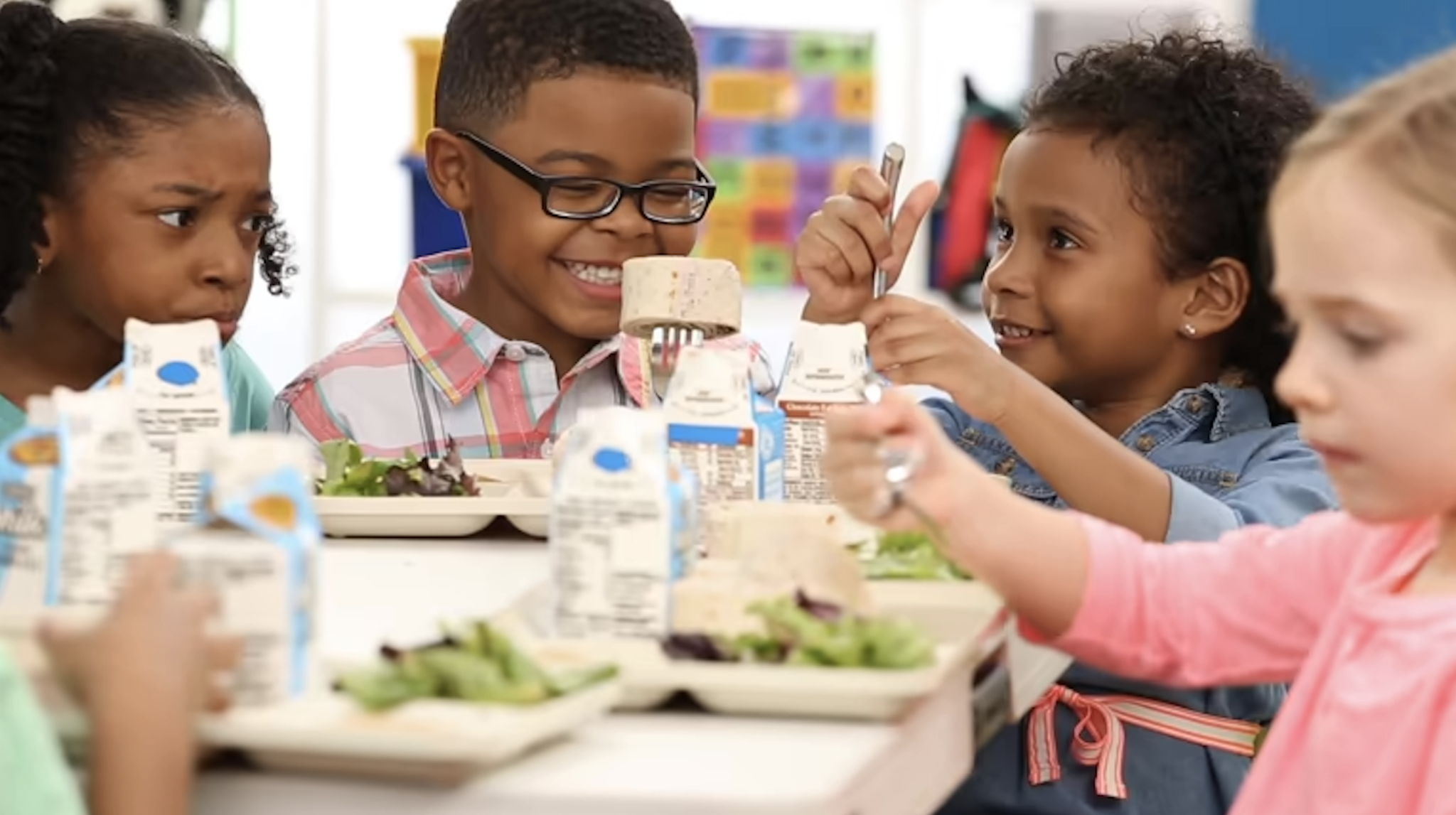
Furthermore, according to a Switch4Good letter petition, “Under the current National School Lunch Program (NSLP), the government denies local school districts reimbursement for the costs of the entire breakfast and lunch offerings unless the school places cow’s milk on the trays of every student receiving nutrition assistance, whether the child wants the milk or not.”
“The Dietary Guidelines for Americans (DGAs) currently acknowledge fortified soy milk as an acceptable option in their dairy group. The DGAs are created by leading nutrition experts, and they agree that a diet can be healthy without dairy products. Unfortunately, this messaging has not entirely reached the NSLP,” Bruno clarified. “Students are required to take an 8-oz carton of milk for the meal to be reimbursable for the school.”
The FISCAL Act will effectively eliminate the cow’s milk mandate in the NSLP, thereby giving children the freedom of choice without the need for a doctor’s note — and give schools much-deserved reimbursement for plant milk just as they receive for dairy milk.
“While there is a stipulation that non-dairy options meeting specific nutrient requirements can be offered to those with a doctor’s note, the school has to take a financial hit to supply them. If the DGA thinks fortified soy milk is nutritionally equivalent to dairy milk, this should be reflected in the NSLP’s reimbursement structure,” Bruno explained. “This also isn’t fair to students who come from cultures that don’t traditionally drink milk. When a student is struggling to learn a concept, the teacher tries a different approach. Yet when they are struggling to eat a balanced lunch because they can’t or don’t want to consume milk, no alternatives are available.
“If schools strive to be inclusive in their student body and teaching strategies, they should extend their inclusivity to the lunchroom as well.”