Why Millions Across the World Are Saying “I Stand With UAE”
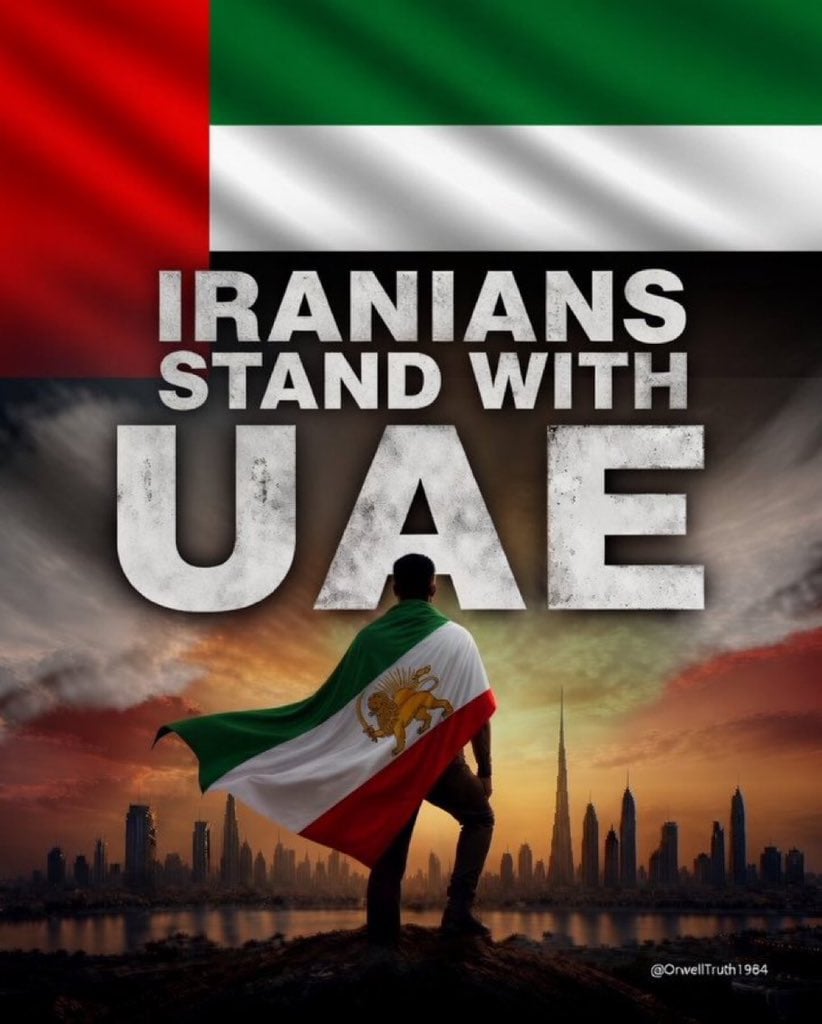
In times of crisis, public sentiment often reveals more than official statements ever can. While governments may issue diplomatic condemnations and analysts might debate military strategies, the real mood of the world increasingly plays out online — instantly, emotionally, and without any filters. This was exactly the case after Iran’s Islamic Revolutionary Guard Corps (IRGC) launched missile and drone attacks on the UAE on May 4–5, 2026.
What followed wasn’t just another geopolitical response; it turned into a global show of solidarity. Within hours of the attacks, the hashtag #IStandWithUAE took off across X, Instagram, Facebook, and other platforms at lightning speed.
Millions of people from various countries, cultures, and political backgrounds came together with one clear message: support for the UAE and a firm rejection of attacks on civilian infrastructure and regional stability. This campaign was remarkable not just for its viral nature, but also for the diverse voices that joined in.
I stand with UAE????????
Perhaps the greatest Muslim nation in the world https://t.co/olxd7DT2VJ— Josh Wolfe (@wolfejosh) May 4, 2026
The Emiratis naturally took the lead in a wave of solidarity, sharing messages brimming with resilience, national pride, and unity. But soon, this campaign spread well beyond the UAE’s borders. People from Pakistan, India, Europe, America, the Arab world, and even many Iranians flooded social media with supportive messages for the Emirates. UAE flags adorned timelines, and breathtaking images of the Dubai and Abu Dhabi skylines circulated alongside calls for peace and strong condemnations of aggression.
Standing with the UAE” ????????❤️
The best part? This campaign brought together people from all nationalities — residents and friends worldwide — showing love and solidarity.
Where are you joining us from? Drop your flag ???? pic.twitter.com/K9rKMBqMGv— سيف الدرعي| Saif alderei (@saif_aldareei) May 5, 2026
The heart of this campaign was driven by ordinary people rather than just institutions. For millions of expatriates, the UAE isn’t just a place to work — it’s where they’ve crafted their futures. South Asian communities, especially Indians and Pakistanis living in the Gulf, were instrumental in amplifying this campaign.
exactly i stand with Emirates. Long lives UAE. GOD bless UAE
— Khaqan Haider (@khaqanhaider0) May 5, 2026
Their posts carried a deeply personal touch, with many sharing stories about opportunity, safety, and dignity. Many referred to the UAE as their “second home,” a phrase that resonated widely across social media.
That reaction wasn’t just about politics; it stemmed from real-life experiences. For decades, the UAE has worked hard to cultivate an image of economic openness, coexistence, modernity, and stability. In a region often marked by turmoil, it became a haven where people of various religions, nationalities, and backgrounds could come together to live and work.
We stand firmly with the UAE, and its right to defend itself against any aggression from the Islamic Republic regime. pic.twitter.com/dI2jQU2MbX
— Sina (@SinaMihandoost) May 5, 2026
So when the attacks occurred, many expatriates felt a personal connection to the situation, as the country’s stability directly impacts their lives and dreams. The targeting of Fujairah and the reports of injuries among foreign workers made the crisis feel even more intimate.
I STAND WITH THE UAE!
I stand with the UAE against the terrorist regime.
I stand with civilization against the darkness of the regime.SILENCE IS NOT AN OPTION! pic.twitter.com/9Bom1Ye7k0
— أحمد شريف العامري (@AhmedSharif) May 4, 2026
These attacks were no longer just seen as military conflicts between nations; they were perceived as threats to civilians, workers, and the economic security of the entire region. What stood out the most in this campaign was the visible involvement of Iranian dissidents.
"I Stand With UAE"
What makes it hit even more is that it’s not just Emiratis posting, it’s people from all over the world, different nationalities, all showing love and standing in solidarity with the UAE ????????❤️
???????? https://t.co/Yz22OPMnhz pic.twitter.com/JzQwaiVOa4— Lovin Dubai | لوڤن دبي (@lovindubai) May 5, 2026
Many Iranians openly posted messages supporting the UAE while condemning the IRGC and the Iranian regime. That distinction mattered enormously. It reminded the world that the policies of a government do not always represent the views of its people. Iranian opposition voices used the moment to express frustration with a leadership they believe has isolated Iran internationally while dragging the country deeper into confrontation abroad.
I'm Iranian. Your enemy is the Islamic Republic not the Iranian people. We stand with The UAE.
— Neo (@Realneo101) May 4, 2026
Posts from Iranians declaring “I stand with UAE” carried both political and emotional significance. Some apologized for the attacks. Others stressed that the Iranian people and the UAE are not enemies. In doing so, they exposed growing divisions between the Iranian regime and segments of the Iranian public, particularly among younger and diaspora communities.
We, the people of Iran, under the leadership of Shah Reza Pahlavi, love the UAE, and we stand with the UAE. The filthy Islamic Republic must be destroyed.#KingRezaPahlaviForIran #IstandwithUAE#FinishTheJobPresident https://t.co/rJ1crphfGx
— fatemeh sepehri (@padeshahikhahh) May 5, 2026
The campaign also revealed how digital platforms have transformed modern geopolitics.
A decade ago, reactions to international crises were largely shaped by television networks and official media. Today, global opinion forms in real time through hashtags, videos, personal stories, and viral posts. The #IStandWithUAE movement demonstrated how quickly public solidarity can cross borders and how powerful digital narratives have become.
I’ve seen many nationalities posting this picture ???????? we have felt the love the first time around, and we sure do feel it again!
Stand with the UAE, with stability, progress, and a future that builds. Or stay silent while the Islamic regime in Iran spreads chaos through missiles… pic.twitter.com/tMQrWrsHTu
— Rauda Altenaiji (@FormulaRauda) May 4, 2026
Most posts did not call for revenge or escalation. Instead, they focused on resilience, peace, and support for stability. That matters because it showed that many people across the world are exhausted by endless regional conflict. The overwhelming response was not a celebration of confrontation but a rejection of chaos.
There is also a broader strategic lesson in this moment.
Military strikes may create fear in the short term, but global legitimacy is built through trust, stability, and relationships with people. The UAE’s strong international image did not appear overnight. It was built over years through diplomacy, economic partnerships, humanitarian outreach, and an environment that attracted millions from around the world. When the crisis came, that reservoir of goodwill became visible online.
In many ways, the digital reaction exposed a simple reality: people tend to stand with countries they believe contribute to peace, opportunity, and normalcy.
From Riyadh to Karachi, from London to Toronto, and even among many Iranians hoping for change inside their own country, the message was unmistakable. The world saw the attacks not as strength, but as destabilization. And millions responded by standing with the UAE.
The rise of #IStandWithUAE was therefore more than a social media trend. It became a reflection of how global public opinion increasingly views the region — and of which countries people associate with stability versus confrontation.
In a world often divided by politics, ideology, and conflict, that level of international solidarity is not insignificant. It says something powerful about the UAE’s place in the modern world — and about how ordinary people, armed with nothing more than a phone and a hashtag, can shape the global conversation.