Why more security won’t save Judaism
In recent years, with the sharp rise in antisemitic rhetoric and violence, many Jewish institutions have understandably prioritized security: applying for government grants, hiring guards, and lobbying for protective legislation.
These efforts are necessary. Jewish law teaches us not to rely on miracles, rather we are obligated to take reasonable steps to ensure safety. But if all we do in response to hate is reinforce walls and strengthen locks, we risk losing something essential: our spiritual identity and Jewish pride.
Security measures may protect Jewish buildings, but it’s Jewish living that protects the Jewish people.
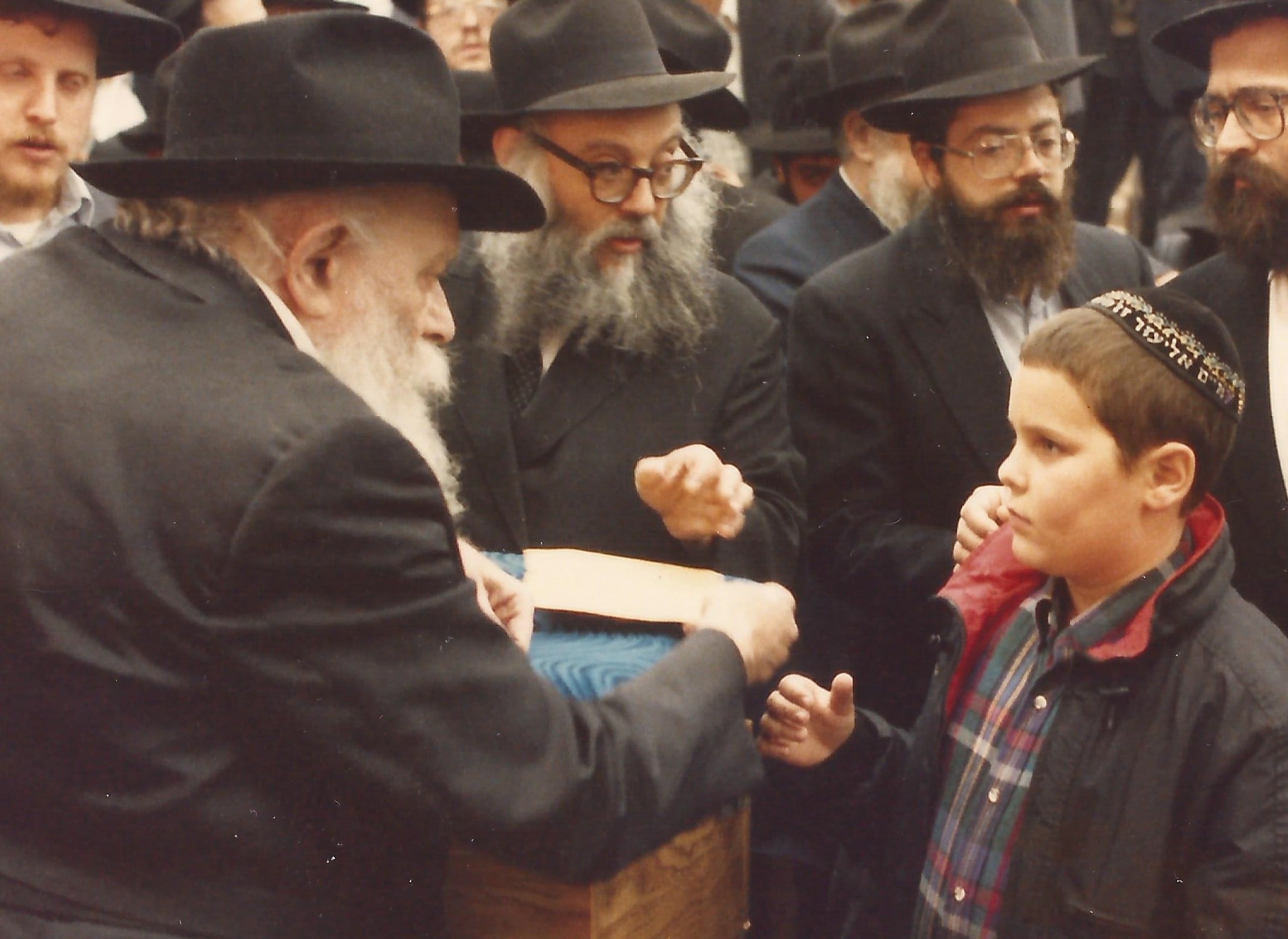
The Rebbe, whose yahrtzeit we mark on Sunday, June 29, taught that the most enduring response to hatred isn’t fear or retreat. It’s engagement and growth. His message was simple yet revolutionary: fight darkness with light. Rather than hiding our Jewishness, we must amplify it. Not as a reaction, but as a proactive mission.
When a Jew walks confidently with a kipah, puts up a mezuzah, or keeps kosher in a college dorm, that’s not just personal observance. It’s a statement. It’s saying: I am here. I belong. I matter.
Jewish pride isn’t just a feeling. It’s an action.
Time and again, our enemies sought to erase us. Pharaoh enslaved us. Haman plotted genocide. The Romans and Inquisitors banned Torah and mitzvahs. And yet, we persisted—not by hiding, but by recommitting to who we are.
In the Soviet Union, Jews risked their lives to teach Torah underground. After the Holocaust, survivors didn’t abandon tradition. They built yeshivas, mikvehs, and communities, even when it seemed impossible. They knew instinctively what the Rebbe later emphasized. Jewish continuity is sustained through Jewish observance.
Today, in a world that pressures us to downplay our identity, the most powerful response is to deepen it. When we light Shabbat candles or study Torah, we don’t just protect our heritage. We proclaim it.
The current focus on security, while important, can’t become our sole identity as a people. A community preoccupied only with its survival risks forgetting why it exists in the first place. Judaism is not a crisis management plan, it’s a mission. A relationship with G-d. A blueprint for living.
If we teach the next generation that being Jewish means being targeted, that a synagogue is a place with armed guards and panic buttons but not a place of joy, learning, and connection, we’re not just failing to inspire them. We’re unintentionally reinforcing the very fear our enemies want us to live with.
We must remind ourselves and our children that Judaism is not a liability. It’s our greatest asset.
Which brings us to the Rebbe’s yahrtzeit. It’s not just a date to remember a great leader, it’s a day to refocus on the Rebbe’s message.
The Rebbe called on Jews to not be passive observers of tradition, but to be active participants. Whether through the mitzvah campaigns like tefillin, Shabbat candles, mezuzah, Torah study, or tzedakah, or through simply reaching out to another Jew with encouragement, the Rebbe believed that each of us carries the power to uplift the entire world.
He didn’t see a world full of threats. He saw a world full of opportunities to reveal G-dliness.
So how do we respond to antisemitism in 2025? By building safer schools, yes. But also by making those schools centers of vibrant Jewish life. By securing synagogues—and ensuring those synagogues are filled with people praying, singing joyous melodies, and studying Torah. By teaching that being Jewish isn’t just about surviving. It’s about thriving.
The world respects those who respect themselves. When we hide, we don’t gain acceptance, we forfeit it. But when we live openly, authentically, and joyfully as Jews, we earn admiration. Not from everyone, but from those whose opinions truly matter—our children, our communities, and ultimately, G-d.
There’s a line in the Torah that says, “The people will see the name of G-d upon you, and they will be in awe of you.” The Talmud explains that this refers to the tefillin we wear on our heads, in plain view. When we wear our Judaism with dignity, we inspire both awe and respect.
This isn’t about defiance. It’s about presence. When we make kiddush with our families on Friday night, put up a menorah at our doors and windows, or post on social media about Jewish holidays instead of hiding them, we’re sending a message. Being Jewish isn’t something to whisper about. It’s something to celebrate.
If there’s one thing the Rebbe emphasized above all, it’s that every Jew is empowered. You don’t need to be a rabbi or scholar to make a difference. Just one mitzvah can shift an entire life.
So yes, apply for the grant. Install the camera. Call your congressman.
But don’t stop there.
Invite a friend for Shabbat. Learn a few lines of Torah each day. Give tzedakah. Put up a mezuzah or help someone else do so. Start a Jewish book club. Join a class. Post a Torah thought. Do something that increases light.
Because the most powerful way to combat antisemitism isn’t by hiding. It’s by illuminating the world with who we are.
The Rebbe didn’t fight antisemitism with fear. He fought it with confidence, clarity, and joy. He believed that the best response to hate is to love our Judaism more deeply and to live it more fully.
So let’s protect ourselves physically, and strengthen ourselves spiritually. Let’s be proud Jews. Visible Jews. Joyful Jews.
Because when we stand tall in our identity, not only do we protect ourselves—we inspire the world.
Rabbi Eliezer Zalmanov is co-director of Chabad of Northwest Indiana and a member of Chabad.org’s Ask the Rabbi team.