My school will pray outside Gracie Mansion on Friday
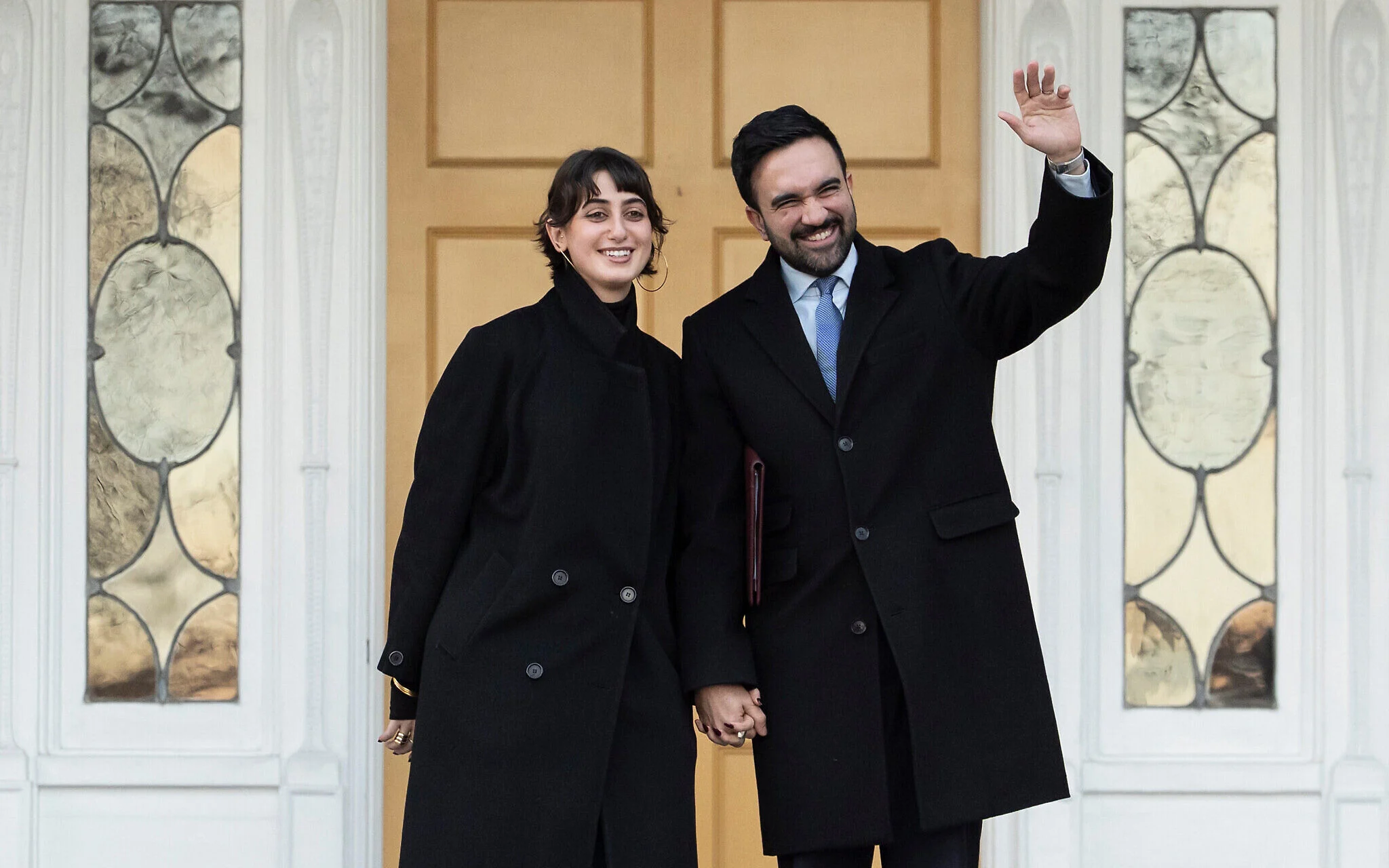
On Friday morning, students from SAR, Ramaz, and a number of other schools will stand on East 88th Street and daven. They’ll sing. A few of them will speak. Then they’ll get back on the buses and return to class, two days before Yom Kippur.
I’ve been building this with Rabbi Josh Lookstein of Ramaz and Rabbi Chaim Steinmetz of Kehilath Jeshurun. Together with Rabbi Jonathan Kroll, principal of SAR High School, I’m grateful to both of them for the idea and for their leadership. Since word got out, it has drawn more attention than any of us expected. The mayor was asked about it this week. So were we.
Why?
The idea came together over the summer, after a Jewish man was stabbed outside a synagogue on the Upper West Side in July and a congregant and a security guard were attacked during Shabbat services at Central Synagogue in August. Our students came back to school in September carrying something we hadn’t seen in them before. Some of it was fear. Most of it was a need to say something back.
So we are giving them a way to say it. We are here. We think this is the greatest city in the Diaspora, and we’re not leaving. Jewish children in New York should be able to gather and pray and feel that their voices are included in the beautiful tapestry that makes this city special. We wanted our students to say that out loud, together, in the days between Rosh Hashanah and Yom Kippur, when Jews say the things that matter most.
Prayer or Protest?
People keep asking as if it has to be one or the other. Here’s what will actually happen: Shacharit (the morning prayer service), led by students. Singing. Short words from a few of them about loving New York and loving Israel and their right to feel safe in the city they were born in.
That’s tefila (prayer). We’re saying it at a particular address on purpose. The concept of “Makom Tefila,” a place that is suitable for prayer, implies that a location is impacted by the prayers it hosts, and that location and physical direction matter even in the most spiritual endeavors. Jews have always known that where you pray says something. Soviet Jews sang outside the Moscow choral synagogue on Simchat Torah when it was dangerous. Our generation davened across from the Soviet embassy in Washington. Those were prayers and they were statements, and nobody at the time thought that made the prayers less holy.
Is it Political? (why Gracie)
The mayor is an elected official. Many Jewish New Yorkers voted for him and feel represented. Many other Jewish New Yorkers have heard his words about Israel as words about them, and have felt less safe and less respected for it. Saying that out loud is allowed. I’m grateful for the NYPD and for the added security this holiday season, and I’d also observe that some of the reason we need added security comes from the tone of the public conversation, which starts at the top.
The mayor said this week that he welcomes the students and will probably be elsewhere that morning. That’s fine. He’s one of the people we hope will hear this. Our students are the others. They will hear their own voices, and the voices of students from other schools in the city.
Manipulation or Education?
We’re bringing students as a group. We told them what we’re doing and why, we asked for their buy-in, we invited their questions, and we gave every family the option to opt out. Some will. That’s the same way we bring students to the Celebrate Israel Parade every spring, and it’s the same way my school brought me to Solidarity Sunday for Soviet Jews every year when I was the student. Kids don’t control their schedules. Educators decide where learning happens, and then they explain it. That’s the job. It is a lofty responsibility, and we do our best to make those decisions in alignment with our values and with integrity.
To people questioning whether it’s appropriate to take students to this vigil, I would ask the same about a class trip to Albany, marching at the Israel parade, or participating in a climate walkout. I typically don’t field objections or receive anonymous letters on those topics. The objection here is to the cause. That’s a fair argument to have, and I’d rather have it openly than have it dressed up as concern for the children.
Here’s what we want students to learn in the three periods this costs: you belong in this city, and when Jews feel unsafe we gather, and we pray, out loud. We express both our vulnerability and our agency at the same time. Showing up is a civic act, one the Constitution protects and one they’ll need for the rest of their lives.
Am I Invited?
We sent the invitation wide: day schools across the city, shuls of every denomination, communal organizations. SAR, Ramaz, Park East, KJ, and Romemu, along with the Israeli-American Council, and Impact will lead. I’m grateful for every one of them, and grateful that the list runs from Orthodox to decidedly not. Others chose to do this their own way, and I respect that. Next week UJA is holding a rally against antisemitism as the UN gathers. Many schools have been asked to take part, and so have we, and we will.
Our Hope
All year round, tefila, prayer, has both a private and a public dimension. There is a line we say quietly every day — Baruch shem kevod malchuto l’olam va’ed (Blessed be the name of His glorious kingdom forever and ever) — and there’s only one day of the year we say it aloud: on Yom Kippur, and only on Yom Kippur.
There are moments when we feel forced to take some of what we, as a community, typically hold quietly and privately and bring it into the public square. This feels like one of those moments. And as we approach Yom Kippur, it feels like the right time to do that.
Our students love this city and they love Israel, and they don’t see a contradiction. Two days before the holiest night of our year, they’re going to say so the way Jews have always said the things that matter most: together, in tefila, in the open.
If you’re a parent, come stand with us. If you’re a New Yorker walking by, stop and listen for a minute. If you’re the mayor, the door’s right there, and you’re welcome.
גמר חתימה טובה.