
Why Refusing Moral Symmetry Feels Righteous — and Isn’t
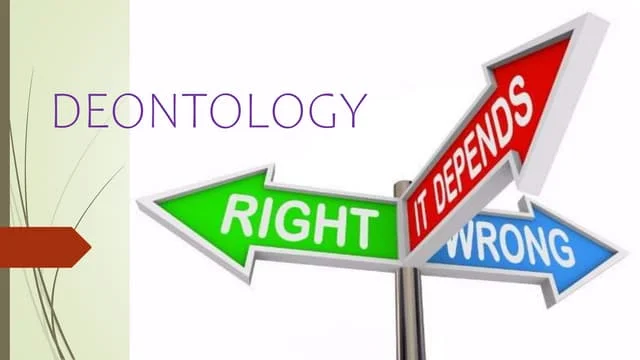
In debates over Israel and Palestine, a troubling rhetorical pose has gained traction: the refusal of moral symmetry. Certain commentators adopt a detached, adversarial style that rationalizes or contextualizes atrocities depending on who commits them. It is a stance that can feel righteous – framing itself as bold anti-colonial truth-telling – but it isn’t. The moral selectivity at play warps our basic sense of right and wrong, excusing horror when it comes from the “right” side and condemning it only when perpetrated by the “wrong” side. This approach not only undermines universal human values; it also leads to dangerous distortions of empathy and justice.
The Allure of Asymmetrical Morality
There is no denying that asymmetries of power in the Israel-Palestine conflict are real and historically grounded. Israel maintains a formidable military and an oppressive occupation; Palestinians have endured statelessness, blockade, and dispossession. These facts rightly fuel anger and demands for justice. In this context, some voices insist on viewing every violent convulsion as a one-sided story: all evil flows from the stronger party, all desperate measures by the weaker are justified as “resistance.” This refusal of moral symmetry appeals to those who want to champion the underdog and hold the powerful accountable. It feels like moral consistency to them – after all, they argue, isn’t the greater outrage due where the greater power and responsibility lie?
Consider Norman Finkelstein, a Jewish American academic known for his caustic critiques of Israel. Finkelstein styles himself as a principled advocate for Palestinian rights, grounded in a cold-eyed view of realpolitik and historical grievances. Yet when Hamas gunmen rampaged through Israeli border communities on October 7 – slaughtering some 1,200 civilians with unspeakable brutality – Finkelstein’s response was not horror or even sorrow. It was praise. He likened the Hamas onslaught to the Warsaw Ghetto Uprising and wrote that such “heroic resistance” “warms every fiber of my soul”. In his view, moral consistency meant celebrating the massacre of families because it came from the oppressed. Indeed, he urged that “if we honor the Jews who revolted in the Warsaw Ghetto — then moral consistency commands that we honor the heroic resistance in Gaza”.
For Finkelstein and others who refuse moral symmetry, denouncing these atrocities equally would, in their mind, betray the cause of justice. Their logic is starkly materialist: violence by the weaker party is not judged by universal moral norms but by context and cause. The posture is adversarial – a detached moral calculus that strips away empathy for anyone deemed an “oppressor.” To its adherents, this froideur feels righteous, a way of cutting through sentimentality and focusing on the political “root causes” of conflict. After all (so the thinking goes), expressions of empathy for Israeli victims only serve the Israeli narrative and diminish focus on Palestinian suffering. By this logic, outrage is a zero-sum commodity, to be allocated only to those deemed worthy.
The Dangerous Distortions of Selective Outrage
The moral asymmetry that Finkelstein and his ilk practice comes at a grave cost. By selectively applying outrage and empathy, they cross the line from advocating for the oppressed to excusing the inexcusable. Atrocity does not become less atrocious because it is committed by the weaker party. Slaughtering teenagers at a music festival, burning families alive in their homes, raping women and abducting children – these acts remain crimes against humanity, regardless of the perpetrator’s identity or grievance. Moral clarity demands that such horrors disturb us no matter who commits them. Yet Finkelstein praised, “with almost ecstatic enthusiasm,” the slaughter of 1,200 people – atrocities including families burned alive and girls raped – which, as one critic noted, “raises serious concerns about his integrity.” His reaction to the carnage cast doubt on his professed commitment to human rights and justice. In the eyes of many, this was the ultimate moral abdication. Some critics have gone so far as to label Finkelstein’s stance “toxic”, arguing that his coldly materialist outlook refuses to acknowledge the sheer moral horror of massacring civilians.
This selective outrage also distorts reality. It leads one to portray mass murder as if it were something valorous or excusable. In the wake of the October 7 massacre, for example, some activist groups insisted “Do not let Western media call this terrorism. This is DECOLONIZATION”. Such rhetoric reframes the deliberate massacre of innocents as a mere act of historical necessity. The result is a grotesque inversion of morality: killing civilians becomes praiseworthy “resistance,” while condemning that killing is cast as disloyal or naïve. By refusing moral symmetry, these partisans blind themselves to the full humanity of the people caught in this conflict. Israeli victims are seen not as mothers, fathers, and children but as faceless extensions of an evil system, their deaths unworthy of grief.
This mindset is not only callous; it’s also counterproductive. When any side’s civilians are butchered, a failure to be moved—an unwillingness to be disturbed by suffering on all sides—undermines the very basis of universal human rights. Moral consistency is not a weapon to be selectively wielded; it is a guiding light that should illuminate every instance of cruelty. A person who can weep for a Palestinian child killed in an Israeli airstrike should also shudder at the sight of an Israeli child murdered in their bed, and vice versa. To selectively harden one’s heart is to erode the credibility of one’s moral stance. It validates accusations of hypocrisy and moral bankruptcy, as even some left-wing observers have begun to admit. “True moral clarity,” as one commentator put it, means “unmasking the fraud of those who invoke the phrase only to condemn Israel while excusing its enemies.” In other words, no cause is served by abandoning our common humanity.
Ultimately, refusing moral symmetry may feel righteous to those eager to balance historical scales. But moral asymmetry—the idea that their war crimes are not really crimes—is a dangerous mirage. Yes, power disparities and injustices must be recognized and addressed. But moral disparities cannot be blithely imposed to suit a narrative. Atrocity is atrocity, whether committed by the powerful or the powerless. The selective application of outrage deforms our sense of justice and feeds a cycle of mutual dehumanization. Breaking out of that cycle requires the courage to hold fast to one standard of human dignity. Moral clarity is not the enemy of a just cause; it is its prerequisite. And moral clarity begins by allowing oneself to be shaken by every innocent’s scream of pain – not just those of the side we identify with. Only by reclaiming that universal empathy can we hope to chart a path toward peace that is grounded in truth and humanity for all sides.