
Will Hamas Ever Change Its Character?
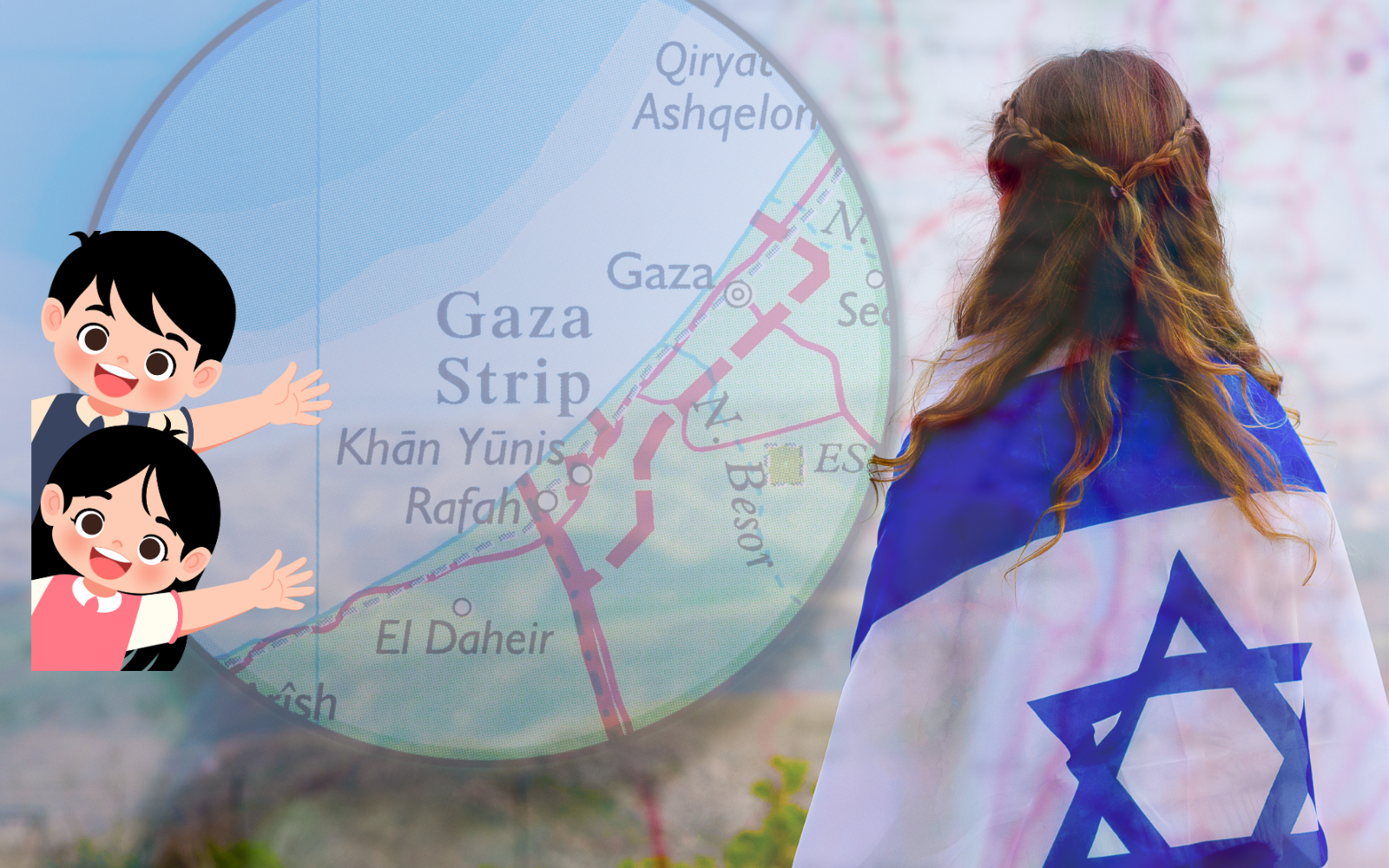
After the October peace deal, when the last bomb fell and the night finally grew quiet over Gaza, many believed the war was over. For a brief moment, people thought peace had arrived. Mothers stepped out from broken homes, fathers searched through the ruins for their children, and the air trembled not from explosions, but from hope.
But peace did not come. Because peace does not exist where guns still rule. Peace does not live where hatred still breathes.
Soon after the cease-fire was announced, Hamas began killing again. This time, not Israelis, but Palestinians in Gaza. Reports of public executions appeared even as the world celebrated the “peace deal.” The silence that followed the bombing turned into another kind of terror — the fear of living under those who never stop carrying weapons and killing civilians.
The Deal That Promised Peace
The most recent peace agreement was signed on October 13, 2025, in Sharm el-Sheikh, Egypt, a city that has witnessed many Middle-Eastern peace efforts before. It was brokered by the United States and joined by Egypt, Qatar, and Turkey, with France, Italy, and the United Kingdom lending their endorsement.
The declaration known as the “Gaza Peace Deal” or the “Trump-Brokered Peace Declaration” promised an immediate cease-fire, the release of all hostages, and the gradual demilitarization of Hamas in exchange for large-scale reconstruction aid for Gaza. It was meant to mark the end of endless war and the beginning of rebuilding.
But before the signatures had even dried, Hamas broke its promise. Gunfire echoed again through Gaza’s narrow streets while world leaders still posed for photographs in Sharm el-Sheikh.
The deal that was supposed to save lives began with more deaths, and with it, the world saw once again that Hamas’s character had not changed.
Why Hamas Broke the Peace?
Hamas broke the deal not by accident, but by design. For Hamas, conflict is survival. A cease-fire threatens its authority because peace empowers ordinary people rather than militants.
The moment guns go silent, civilians begin asking questions about food, jobs, education, and freedom. These are questions Hamas cannot answer. That is why, every time peace begins to rise, Hamas fires the first shot to bring it down.
This time is not the exception. We know what happened this time, too. Many peace deals will come in the future, and the result will be the same. The reason is clear because Hamas will not change its aim.
Birth of an Organization Built for War
To understand why peace keeps dying in Gaza, one must return to the beginning and find out the root cause of the conflict.
Hamas was not born to govern; it was born to fight. It was created in 1987 during the First Intifada as a militant branch of the Muslim Brotherhood. Its 1988 charter openly declared that Israel had no right to exist and that holy war, jihad, was the only path forward.
From its first breath, Hamas rejected coexistence. It was designed not as a political movement but as a perpetual resistance machine. While history changed around it, governments fell, alliances shifted, and technology advanced, Hamas’s worldview remained frozen.
Hamas believed, and still believes, that peace equals surrender and that death in battle is nobler than life in compromise. I know, those who do not follow the history of Hamas find it hard to believe what I say here.
From Resistance to Regime
When Hamas seized control of Gaza in 2007, the world waited to see if responsibility would soften its ideology. But power did not civilize Hamas; it weaponised it.
Instead of building hospitals, it built tunnels. Instead of protecting its citizens, it used them as shields. When the international community sent aid to rebuild homes, Hamas diverted those funds to buy rockets and dig underground routes. Gaza’s skyline turned to rubble while Hamas’s network under the ground expanded.
Those who spoke against Hamas vanished. Political opponents were silenced by execution. The organisation that once claimed to fight for freedom became the killer of its own people.
In psychology, there is a rule: those who build their identity on violence must keep creating violence to survive. Hamas is trapped in that rule. It cannot stop fighting because peace would destroy the very foundation of its existence.
Illusion of Peace Deals
I may sound unrealistic. But what I am saying is more real than what others think about the peace deal with Hamas. I do not believe a peace deal is possible with a terrorist group that takes hostages and asks for peace.
Again and again, the world negotiates with Hamas. There are cease-fires, handshakes, and temporary silences. Each time, diplomats hope that “this time,” Hamas will change, but each time, Hamas proves that it will not.
After the October 2025 truce, Hamas leaders publicly declared they would never lay down their weapons. Within days, reports of new attacks and executions surfaced. American officials warned that Hamas was even targeting Palestinians suspected of disloyalty, a direct violation of the peace deal.
A peace agreement is not a piece of paper; it is a moral choice to stop killing. When the killing continues, the paper means nothing; a peace agreement means nothing.
World’s Repeated Mistake
The international community keeps treating Hamas as a political partner rather than a militant movement. Each cease-fire, each negotiation, each promise of aid gives Hamas new legitimacy to destroy Israel or threaten the world with a hostage policy.
Western governments and Arab states talk about humanitarian relief, but they forget that money sent through Hamas does not reach the hungry people. It feeds the war machines.
Sadly, by separating Gaza’s suffering from Hamas’s rule, the world keeps healing the wound but leaving the knife inside. Until the knife is removed, until Hamas is replaced by a civilian leadership, Gaza will keep bleeding, no matter how many peace conferences are held.
Industry of Perpetual Conflict
There are also people in the world who do not want the Gaza problem to be solved. For them, every explosion is an opportunity; every crisis is a career. If peace ever comes, their income, their fame, their organizations will collapse. They need chaos to stay relevant, to sail flotillas, to raise funds, to make speeches, to appear on television as “activists for peace.”
They build their lives on other people’s suffering. When the streets of Gaza burn, their offices in London and New York glow brighter. They cannot sleep at night, imagining a quiet Middle East, a world where no protests fill the streets, no cameras follow their anger, no slogans make them famous. They cannot feel happy even for one moment without thinking that it does not go against Israel.
We know many have made entire empires from the Gaza tragedy. Some became celebrities; others turned it into lifelong employment. They want Hamas to keep making trouble so they can keep collecting donations, grants, and moral applause.
But they have never seen the tears of a mother in Gaza or Israel whose child has died in war. They have never understood the hunger of a father who cannot feed his family. They will never know the pain of losing a leg in the rubble, or the horror of watching one’s child die in one’s arms.
These people keep using the Israel–Gaza conflict as their stage. That is why the people of Gaza must understand this truth. War will never change their lives; it will only enrich those who live far from it. Many militant movements have come and gone, and each one has left Gaza poorer and more broken.
It is time to step back completely, to disarm Hamas, and to decide. This time, to live in peace. The Israel–Gaza war is not a battle between Jews and Muslims. It is a struggle between love and hatred, between compassion and corruption.
It is the creation of a few selfish leaders and profiteers who need conflict to stay alive. The people of Gaza must wake up from this illusion, reject radical Hamas Islamist ideology, and reclaim their right to live like human beings in peace. They can do it if they want.
Victims of Their Own Rulers
The tragedy of Gaza is not only what Israel’s bombs destroy, but also what Hamas refuses to build.
Many say that the people of Gaza live between two walls: one of concrete, another of fear. On one side stands Israel’s blockade; on the other stands Hamas’s rule. Between them live two million civilians who want nothing more than to live like ordinary human beings, to send their children to school, to have water, electricity, and dignity.
Tens of thousands have died. Yet Hamas feels no guilt. Every death is turned into propaganda, every ruin into a poster of defiance.
If a movement watches its own people die and still calls it victory, it has already lost its soul. I do not know what victory means to you.
Why Hamas Cannot Bring Peace?
To create peace, one must understand its meaning. But Hamas does not. It treats peace as betrayal and negotiation as weakness. Its ideology is built on eternal conflict, not coexistence.
This is not just politics; it is psychology. Hamas’s mind is locked in a state of obsession, a need to be feared. It feeds on violence because fear gives it identity. To stop fighting would be to face oneself and to discover nothing but emptiness.
So as long as Hamas rules Gaza, there will be no peace. Gaza will remain a battlefield disguised as a city. Every agreement will collapse. Every truce will end in fire.
No protest in Western cities, no flotilla in the sea, and no international pressure on Israel will change that reality. As long as Hamas continues killing and Arab governments or armed groups keep supplying rockets, peace will remain a mirage.
This is the fact, and the world must understand it.
Israel’s Dilemma
For Israel, Hamas presents a moral paradox. Israel can defeat Hamas militarily, but every strike risks civilian lives, the very tragedy Hamas exploits to survive.
We know that each tunnel destroyed becomes a headline, and every casualty becomes a weapon in Hamas’s propaganda. Israel faces an enemy that hides behind its own people, turning compassion itself into a battlefield.
Indeed, Israel’s greatest challenge is not defeating Hamas, but doing so without losing its moral compass. Otherwise, Hamas would already be dust.
What Real Peace Would Require?
If the world truly seeks peace, it must stop confusing Hamas with the people of Gaza. Hamas is not Gaza, and Gaza is not Hamas.
A new leadership must rise in a civilian organisation made of teachers, doctors, engineers, and young people who have known nothing but war. These people deserve to build their own future free from fear.
The international community must support a complete demilitarisation of Gaza. Every aid dollar should build homes, not tunnels to attack Israel. Every reconstruction project should serve families, not terrorists.
Like millions of people, I too believe that when Gaza is ruled by civilians who love life more than martyrdom, peace will no longer be a dream. Otherwise, no peace deal can bring peace to Gaza.
Choice Between Life and Death
History always gives nations two roads — one leading to life, the other to death. Israel chose life long ago. Gaza must now make that same choice.
The future of Gaza does not depend on cease-fires or foreign aid. It depends on whether its people can rise above their captors and say, “No more.”
The people of Gaza have political rights, but not under Hamas. True political freedom cannot exist under an organisation that silences its own people and worships the sound of weapons.
If Gaza really seeks peace, the name Hamas must be erased from its political future. The people must give birth to a new civilian movement, one that values knowledge over hate, rebuilding over revenge, and children’s laughter over gunfire.
Only then will Gaza breathe as a society of hope, not fear. Until that day, the question will remain, “Will Hamas ever change its character?”
Sadly, the answer is still ‘No.’
So, until it does, Gaza will remain a wounded land, waiting for peace that its rulers will never allow. Perhaps one day, when Gaza finally chooses life over radical leaders, peace will not need global leaders’ signatures; it will be written in the laughter of its children.
November 1, 2025
Tokyo, Japan