Yom Hashoah reflections on my parents and the long, permanent shadow of the Shoah
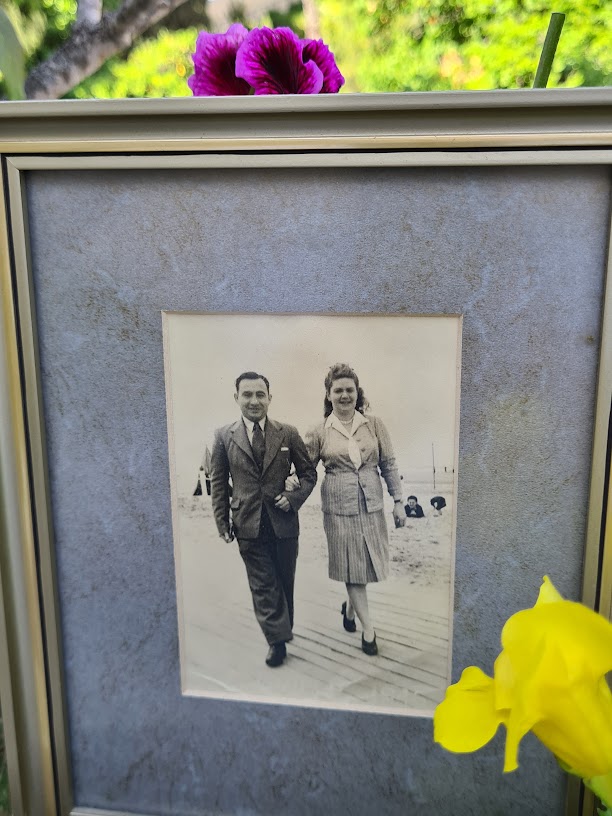
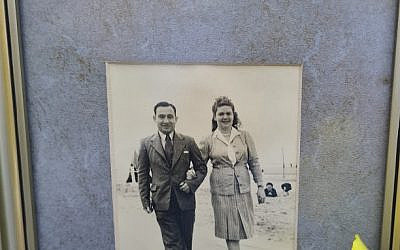 “And no one can erase the days we left behind…”
Paul McCartney
As I lit a Yahrzeit candle for my wonderful, beloved parents, Sima and Izak, z’’l, last night on erev Yom Hashoah, I had a sudden flashback to the day my father died in 1987. They say he died of a broken heart. After all, my mother had passed away six months earlier, and the two of them had been through so much together in their almost 40 years of marriage – especially during the traumatic Shoah years. They were so absolutely inseparable, that clearly, he couldn’t survive alone and yes, that’s partially correct. Sima’s premature death, as a result of her ill-health and troubled heart, left him so anguished and bereft that the very essence of his being seemed, like a slow puncture, to depart from his body.
In truth though, my father’s life ended miserably and pathetically, in a hospital bed, with an overflow of water in his lungs, the victim of a drowning inflicted on him by medical negligence. He wanted so much to continue, to savour his last few years with his children and grandchildren. This wasn’t how it was supposed to end. This wasn’t in the script. I can still hear his fading voice, pleading for his sons to be at his side, to help him confront what he, as a doctor, must have known, and with sheer terror, that he was breathing his last breath, that he was sucking up every last bit of oxygen in that God-forsaken ward. And then, it was all over. Silence…and despair.
No one can prepare you for the loss of a parent, especially when death is sudden and unexpected, and you haven’t had the chance to say good-bye, to mend any broken fences, to resolve any outstanding conflict, to have closure. And how much more agonizing when you lose two parents within six months of each other, parents whom you love dearly, who always, without fail, placed the needs of their children before their own, who literally sacrificed everything for their sake, who nurtured, advocated for and protected them at all costs in a home of unconditional love. Our dearly beloved mother was, notwithstanding the degradation she suffered, a down-to-earth, uncomplicated person who enjoyed the simple things in life. A sweet soul, Sima held the family together in the most trying and difficult of circumstances, with a capacity for contentment with her lot in life not given to many.
When one becomes an orphan, even in adulthood, the sense of loss is incalculable. The family chain is broken, and an emptiness sets in which even with the passage of time, is always there, sometimes more, sometimes less. The memory of one’s dear departed parents is like a shadow whose length is affected by the metaphorical place of the sun in the sky. On Rosh Hashanah, or on Pesach, on birthdays and other happy, festive occasions, when families come together to celebrate, the shadows are especially long, and their absence is sorely felt.
And then there are the doubts and the questions: If only I had been a better son, more considerate of my parents’ needs, more appreciative, especially given their trials and tribulations.
These “if only’s”, my scarlet letter, leave a permanent scar on the heart. All the repentances on Yom Kippur, the Day of Atonement, all the remembrances on their yahrzeit, the yearly anniversary dates of my parents’ deaths, all the lighting of candles to honor their memories, all the recitings of the Kaddish, the mourner’s prayer, will not eliminate the guilt feelings that cling to me leech-like, and will not let go.
Wallowing in self-pity however is debilitating and self-destructive. It doesn’t allow for healing and growth, and it muddies the water. The truth is obscured and a screen, a filter, wreaks havoc on our emotions. How then do we make sense of and understand the things that happen, the tragedies that befall us? How do we step back from our inner turbulence and be dispassionate?
I reflect particularly on, and take comfort from, the huge legacy, the ירושה, my parents, our role models, left for us. By trying to understand and get to grips with their lived experience, we stand in awe of their indomitable spirit and their strength of character, rising above – for the most part, and not without considerable stress and trauma, those harsh, painful and humiliating experiences – the worst excesses of human behaviour, that were thrown their way.
And the traditions mommy and daddy handed down, the building blocks and ABCs of our memories that they painstakingly cultivated and nurtured in us, encouraged an on-going dialogue, a conversation with the past, which enabled and empowered us to learn and grapple with who and what we are, how to conduct our lives, how to value people, care for the young and look after the old.
In essence, Izak and Sima built in us, brick by brick, a memory bank guiding us to cope with all eventualities in the present – and in the future.
Through our immediate family then, thanks to our parents, we connect to the far past, and create a bond, an unbreakable link, an unbroken chain, to our children and grandchildren – and future Kaplinski/Leon generations, who will carry long into the future, our names, our genes, our DNA, and also bear our values and our moral code, imperfect as we may be, anchored by the most important ingredients of all: love, security, embracing warmth, and deep respect. There can be no greater legacy that parents can inculcate in their children – and for that, on this Yom Hashoah day, we are incredibly grateful to Sima and Izak.