
Young Israelis are watching. Are politicians listening?
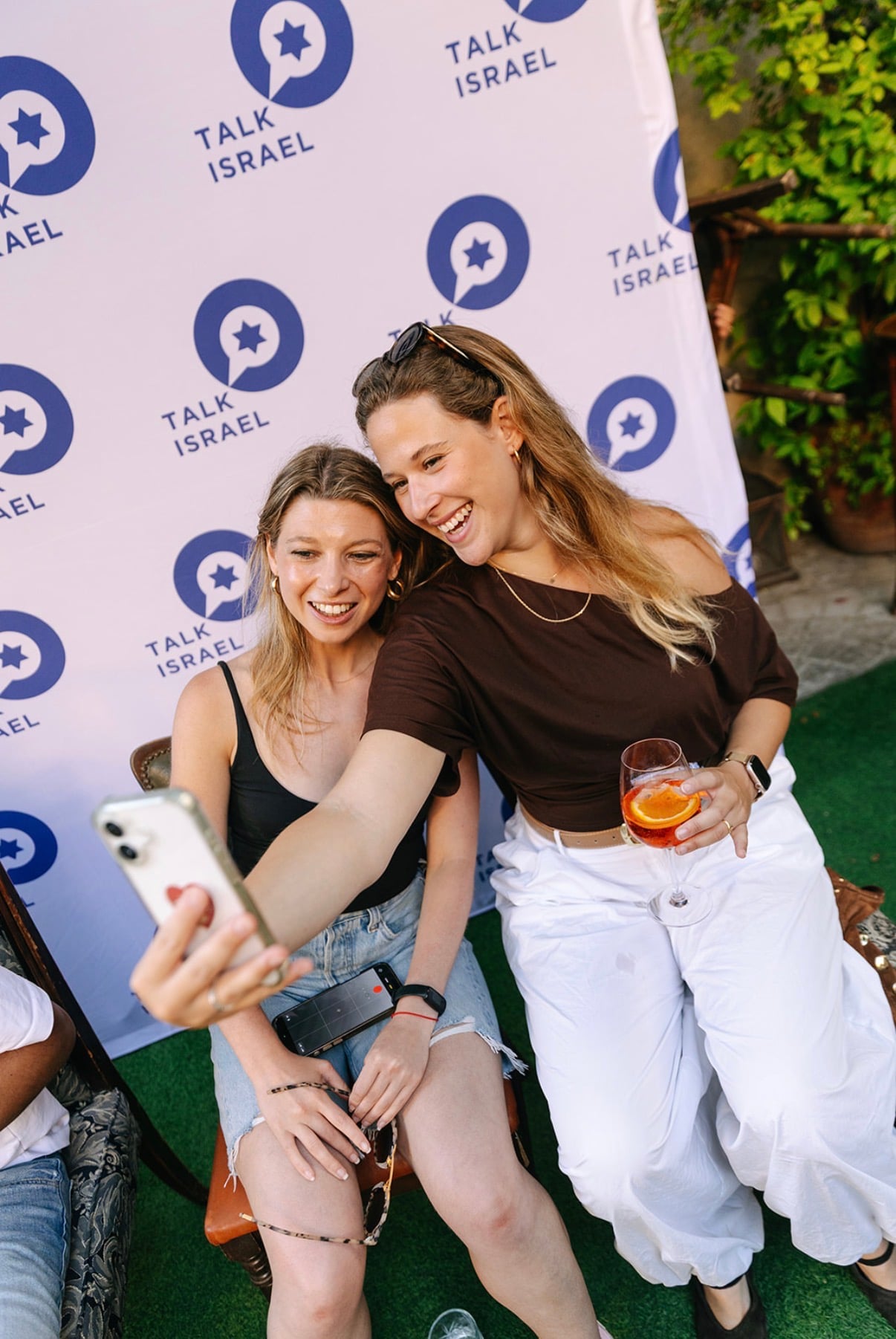
At almost every Friday night dinner, family gathering, or political discussion, I hear the same concern from older Israelis: young people are disconnected from politics. They worry that my generation will not show up to vote in the next elections, that we are too distracted by Instagram, TikTok, and endless scrolling to care about the future of the country.
I think they are looking in the wrong place.
Young Israelis are not disengaged from politics. We are deeply affected by it, perhaps more than any generation before us. We carry the burden of military service and reserve duty. We face a severe cost-of-living crisis, expensive housing, and growing uncertainty about what our future in Israel will look like. Political decisions shape our lives every day, and we know it.
The mistake is assuming that political engagement in 2026 looks the same as it did in 1986.
Previous generations measured engagement through party meetings, rallies, newspaper op-eds, and activists in the field. Today, much of political life happens online. Social media is not separate from politics; for young people, it is where politics happens.
Instagram, TikTok, Telegram, podcasts, and online communities have become the modern public square. This is where young people debate, argue, share information, challenge ideas, and build political identities. A political party that ignores these spaces is not ignoring social media; it is ignoring an entire generation.
This is why I find it strange when politicians complain that young people are not sufficiently engaged. If your message does not reach young voters where they are, perhaps the problem is not the voters.
A clear example of this is El Hadegel, a relatively new political movement led by young people that has placed social media at the center of its strategy. Without digital platforms, it is difficult to imagine the movement gaining the visibility it has achieved. Through creative, direct, and often bold content, El Hadegel has built an audience of more than 18,000 followers on Instagram alone.
Compare that to established political figures and parties that invest far less in digital engagement. For example, Yashar, the political framework associated with Gadi Eisenkot, has only a few thousand followers. This gap is not merely a matter of numbers; it reflects different understandings of how politics works today.
To be fair, social media is complicated for large, broad-based parties. Creativity online often requires taking risks. A sharp message may energize one audience while alienating another. Political leaders trying to appeal to diverse groups may choose caution over boldness.
That is a legitimate strategy. But if parties consciously choose not to invest in creative digital engagement, they cannot later conclude that young people simply do not care.
The truth is that young Israelis care deeply. We discuss politics in WhatsApp groups, share speeches and interviews on Instagram, listen to podcasts, watch short-form videos, and follow creators who explain complex issues in ways that traditional media often does not. We engage differently, but we engage.
This matters because Israel is approaching an important election. Political parties that understand how young people communicate will have an advantage. Those that continue to rely solely on old methods may find themselves speaking loudly but not being heard.
Older generations should stop asking whether young people are involved and start asking where they are involved.
The answer is clear: we are online.
And if political parties want our votes, our ideas, and our participation, they need to meet us there.