
Zicaron Bassalon unites Holocaust Memorial, Jewish Agency and Hannah Charlier
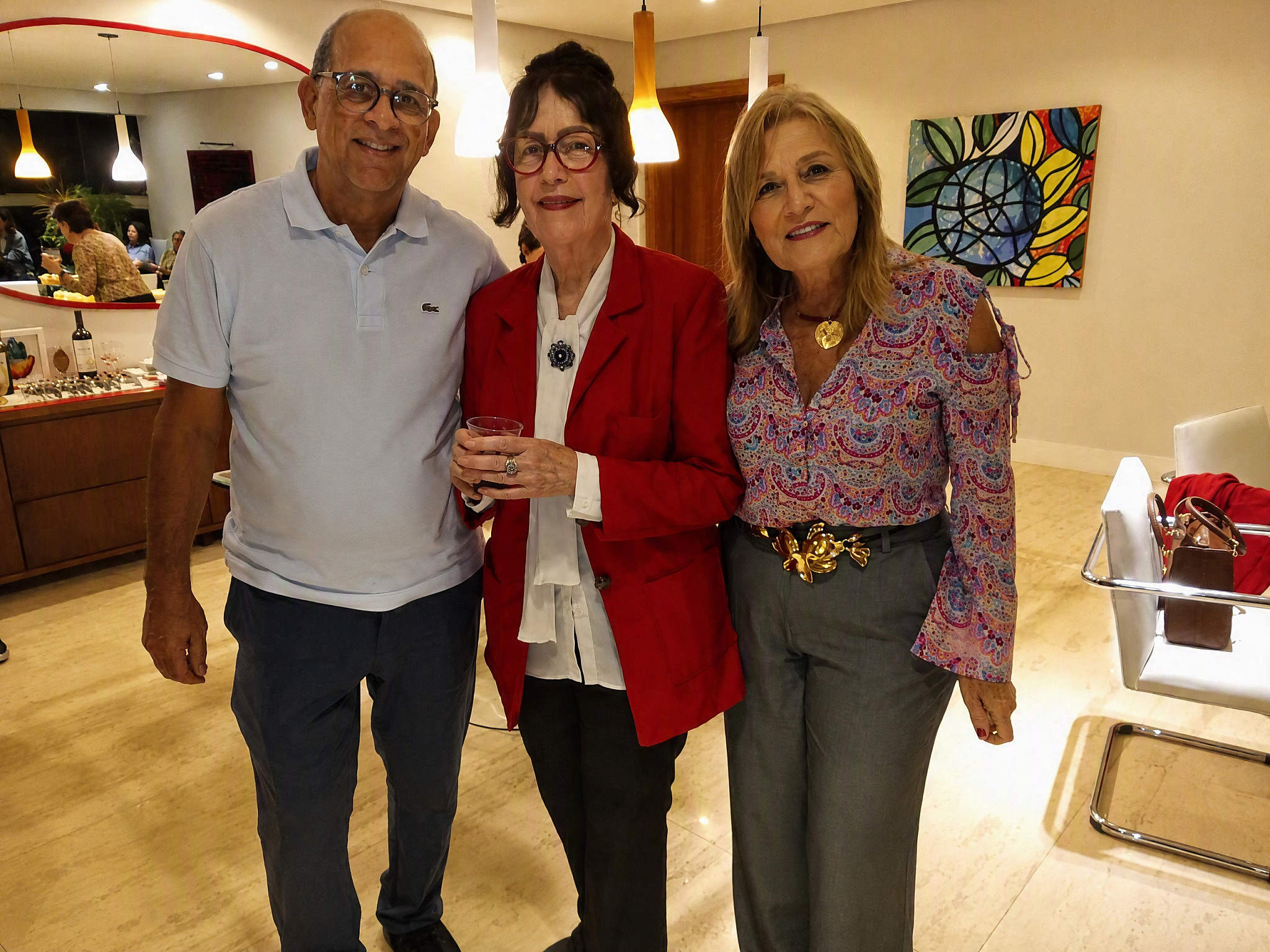
São Paulo – Living Memory at Zicaron Bassalon
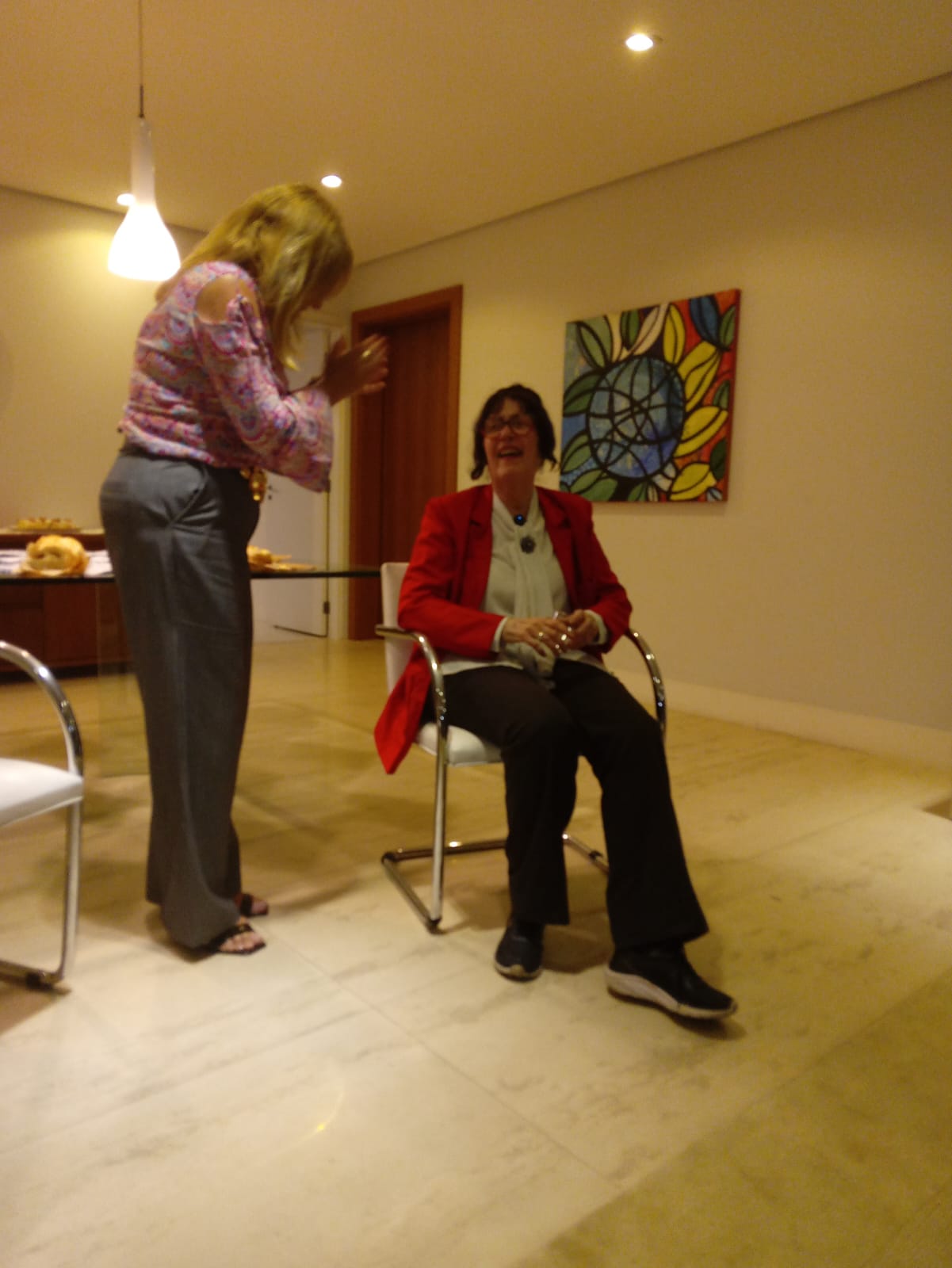
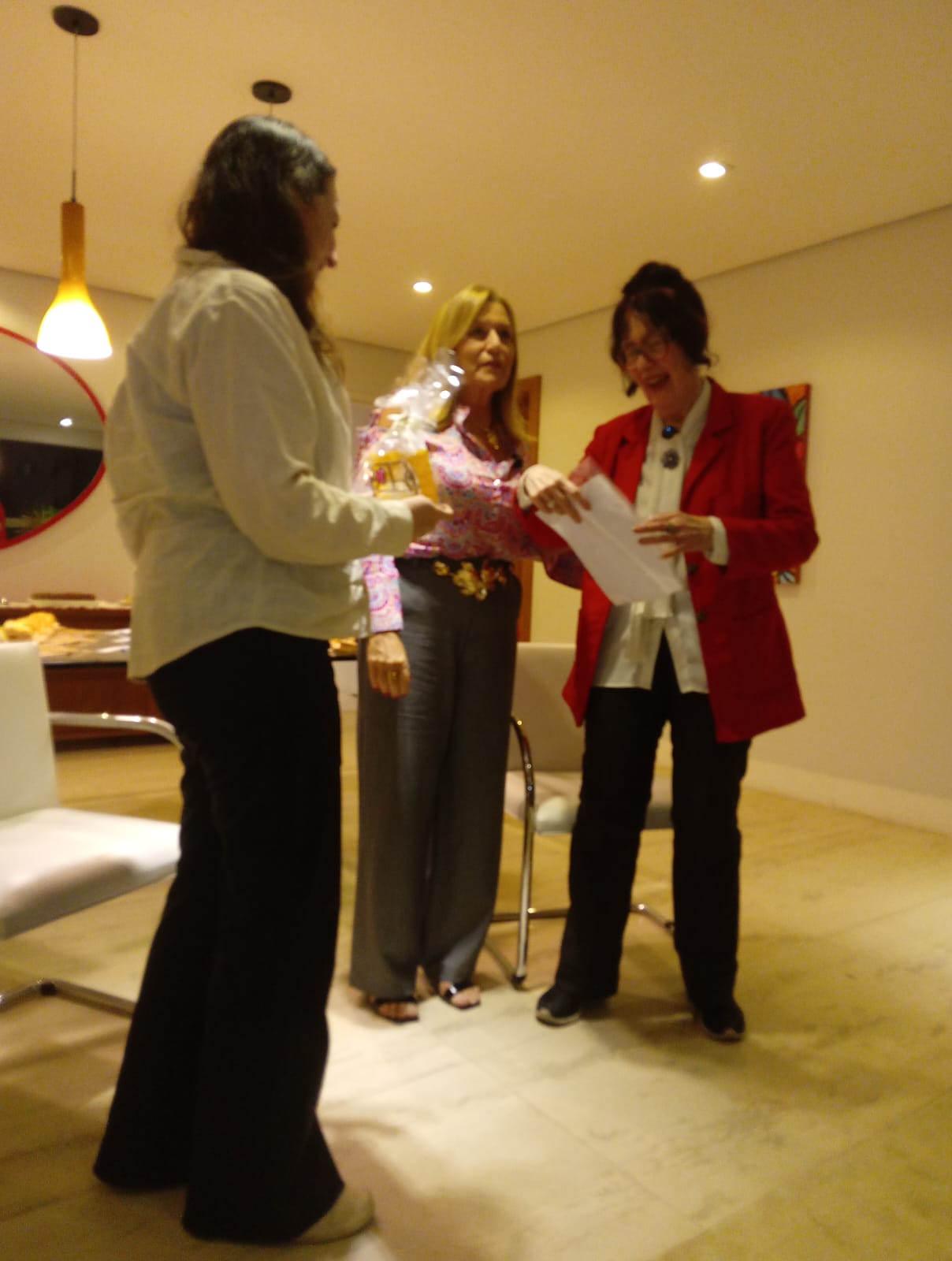
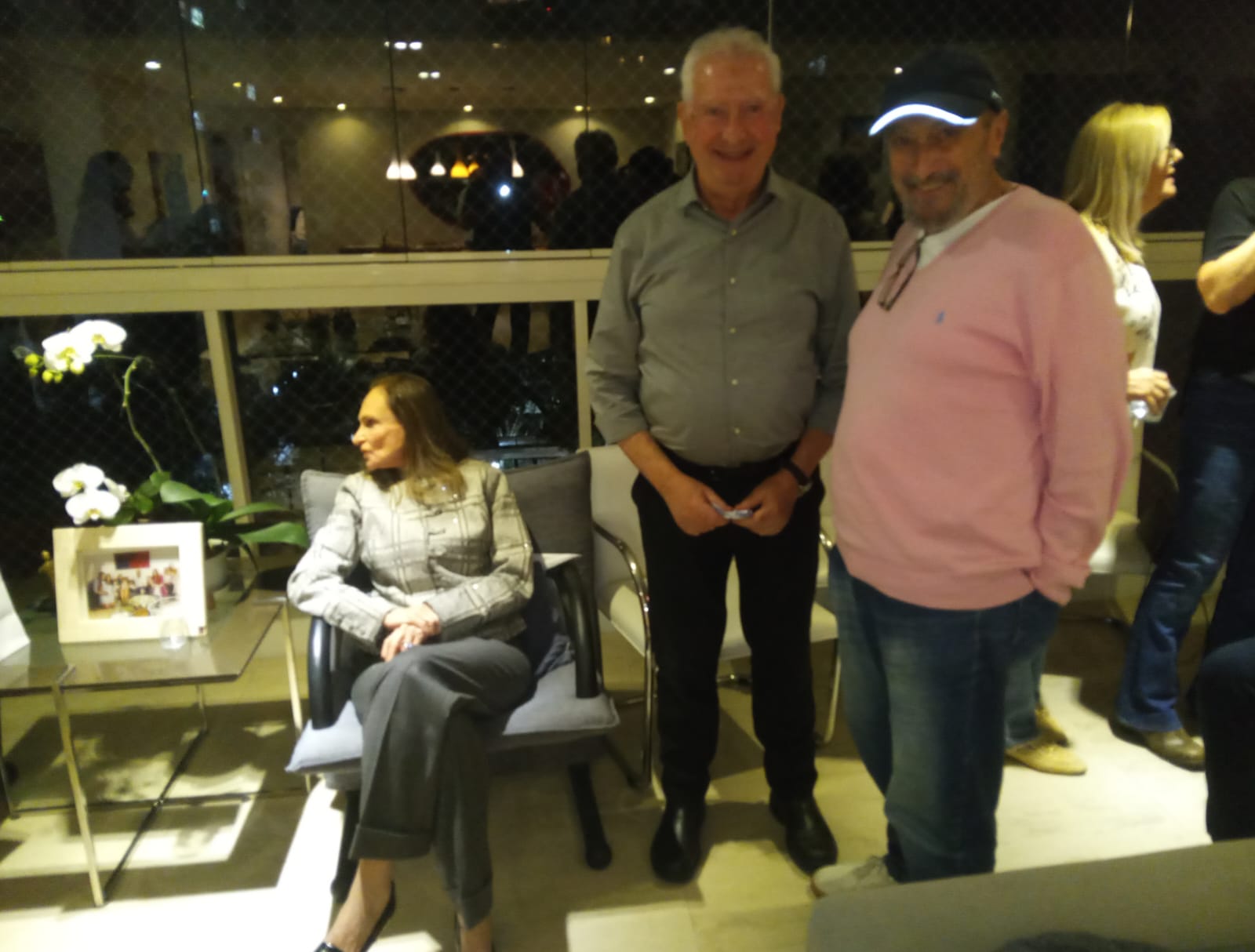
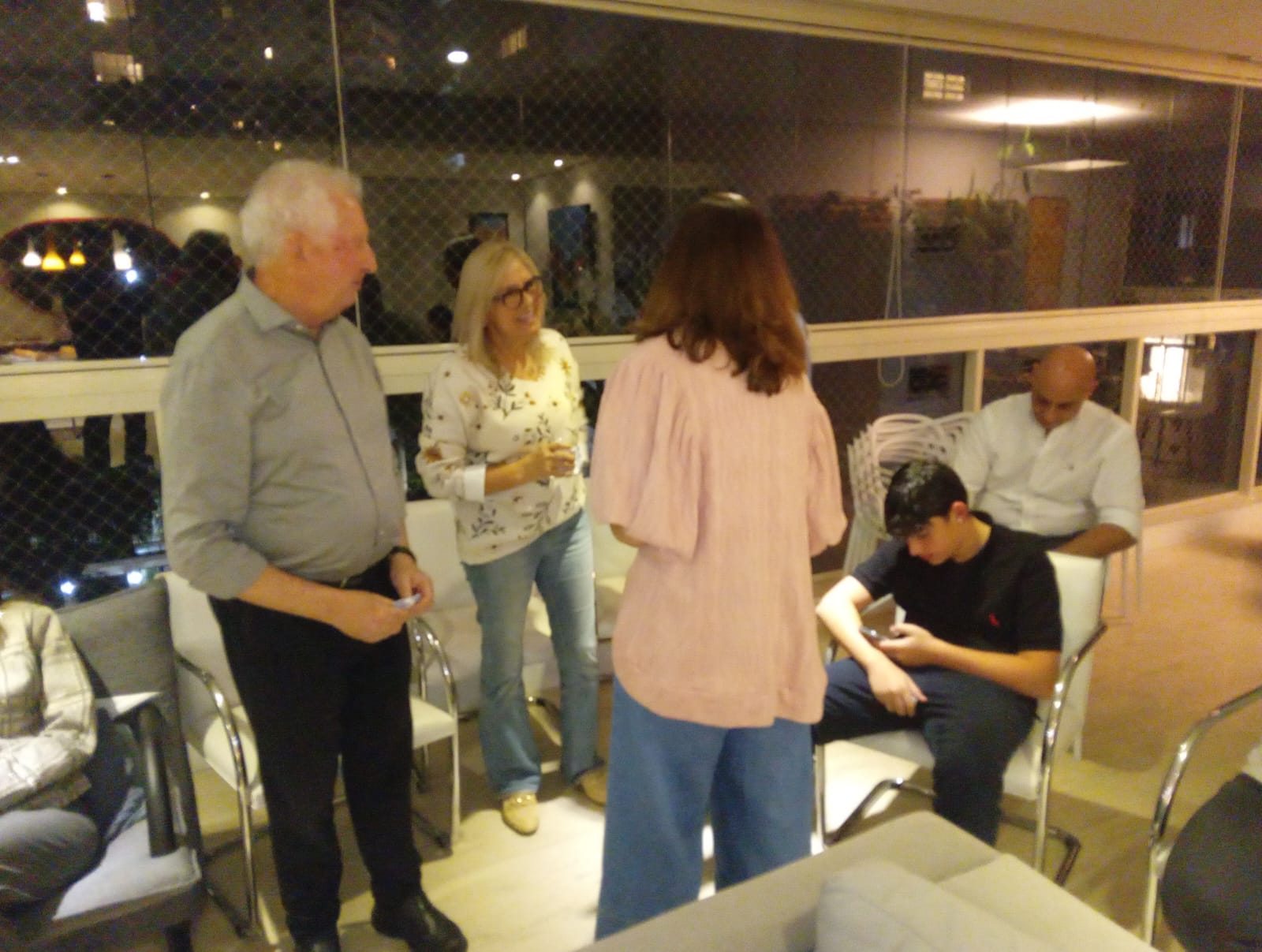
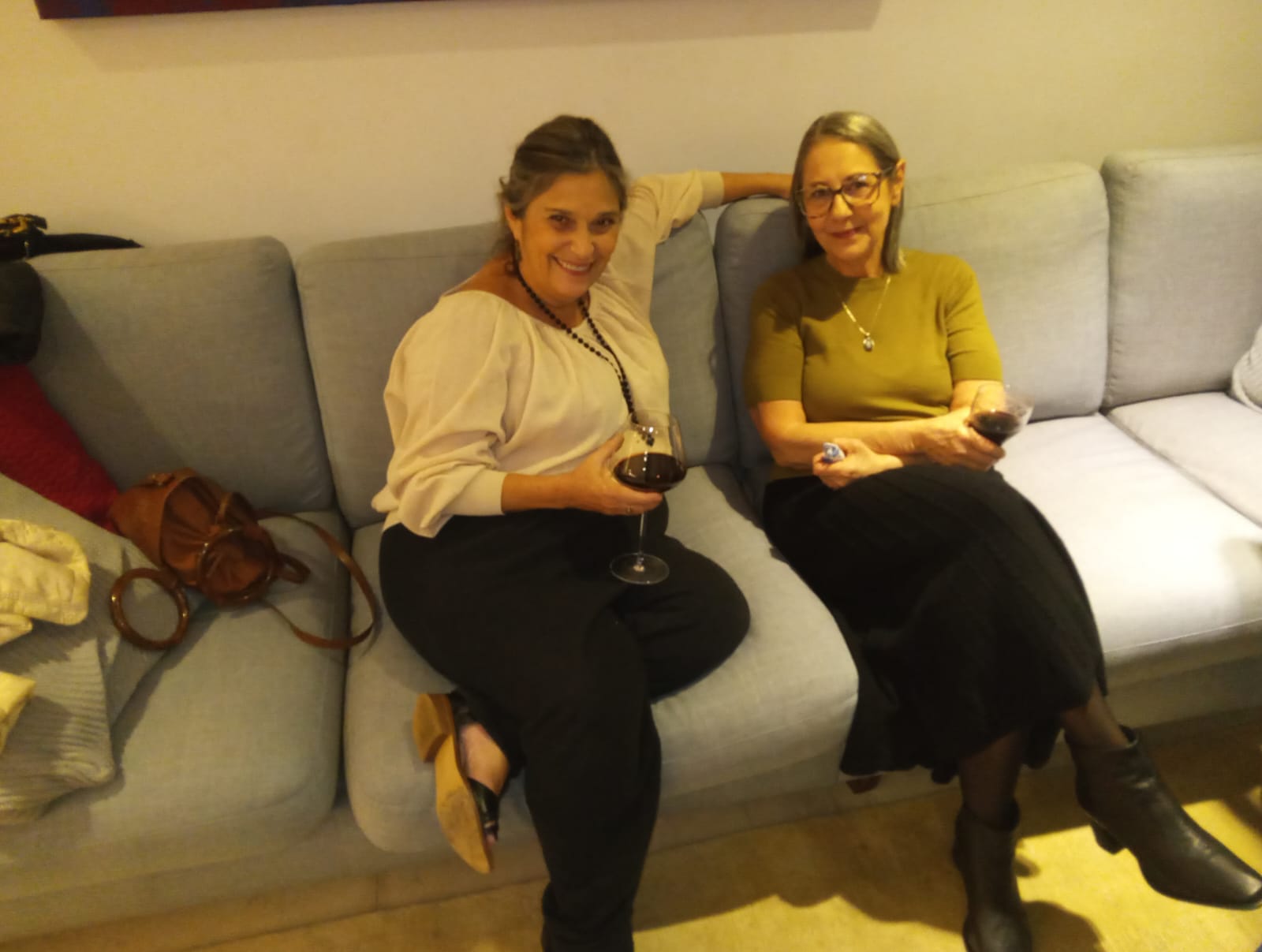
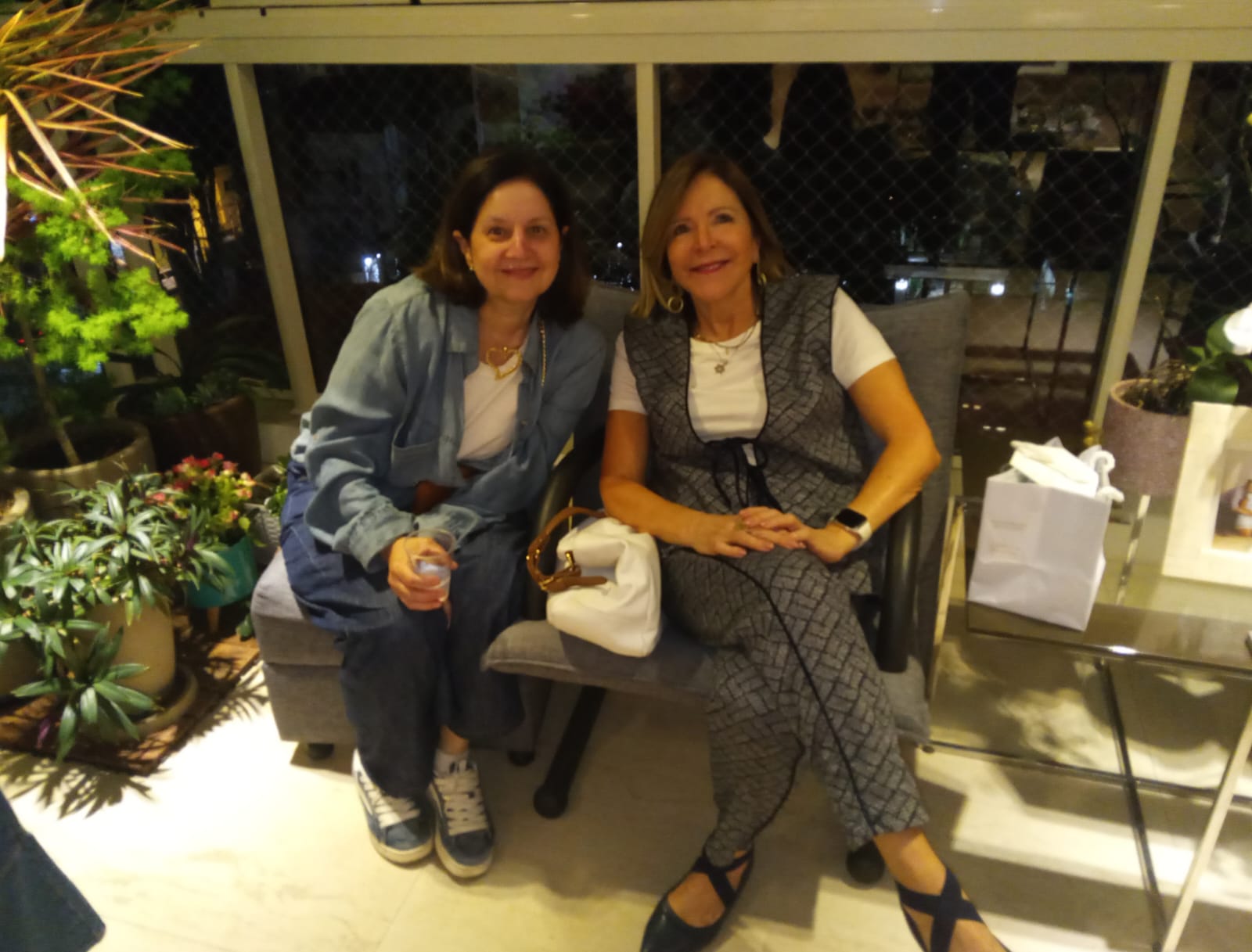
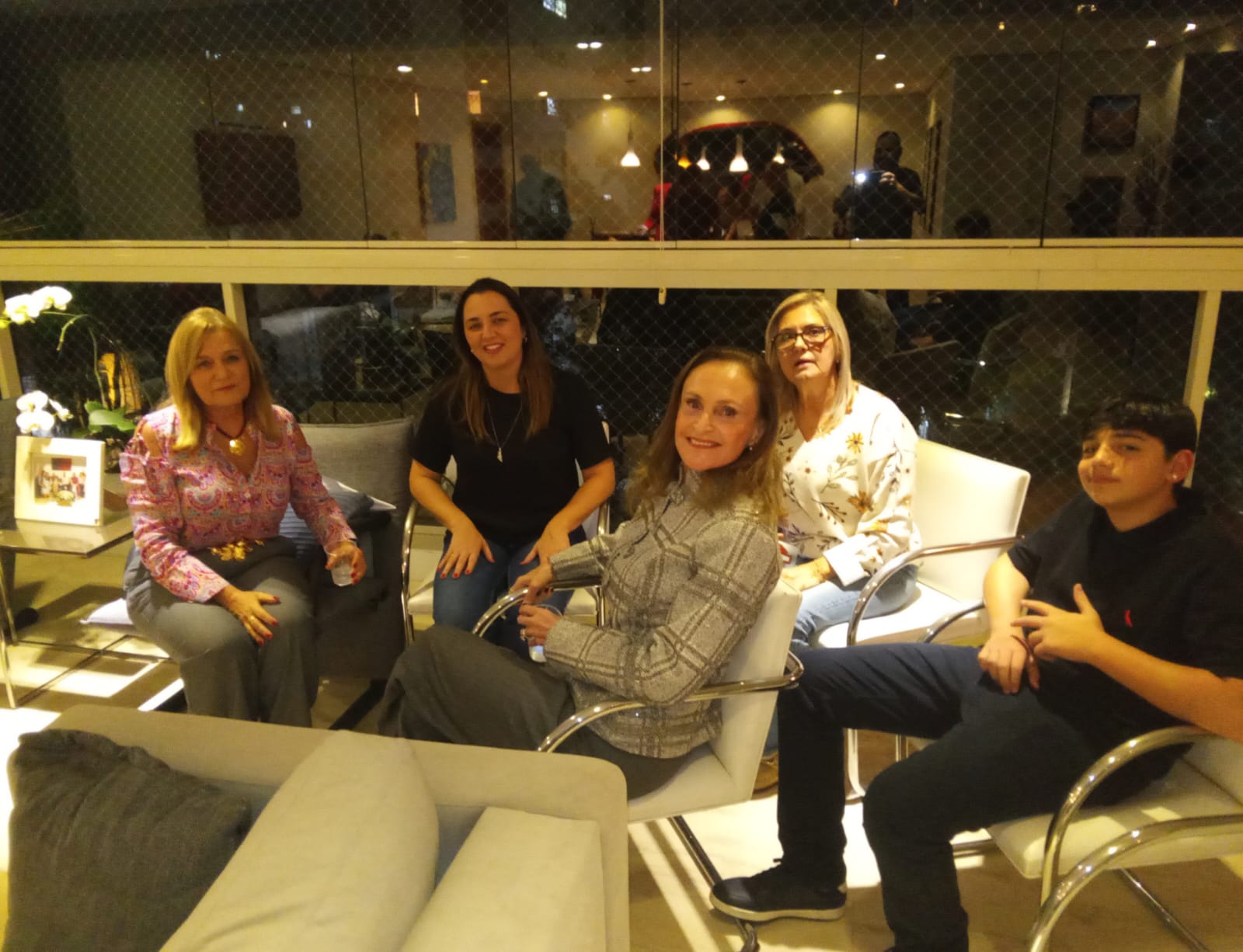
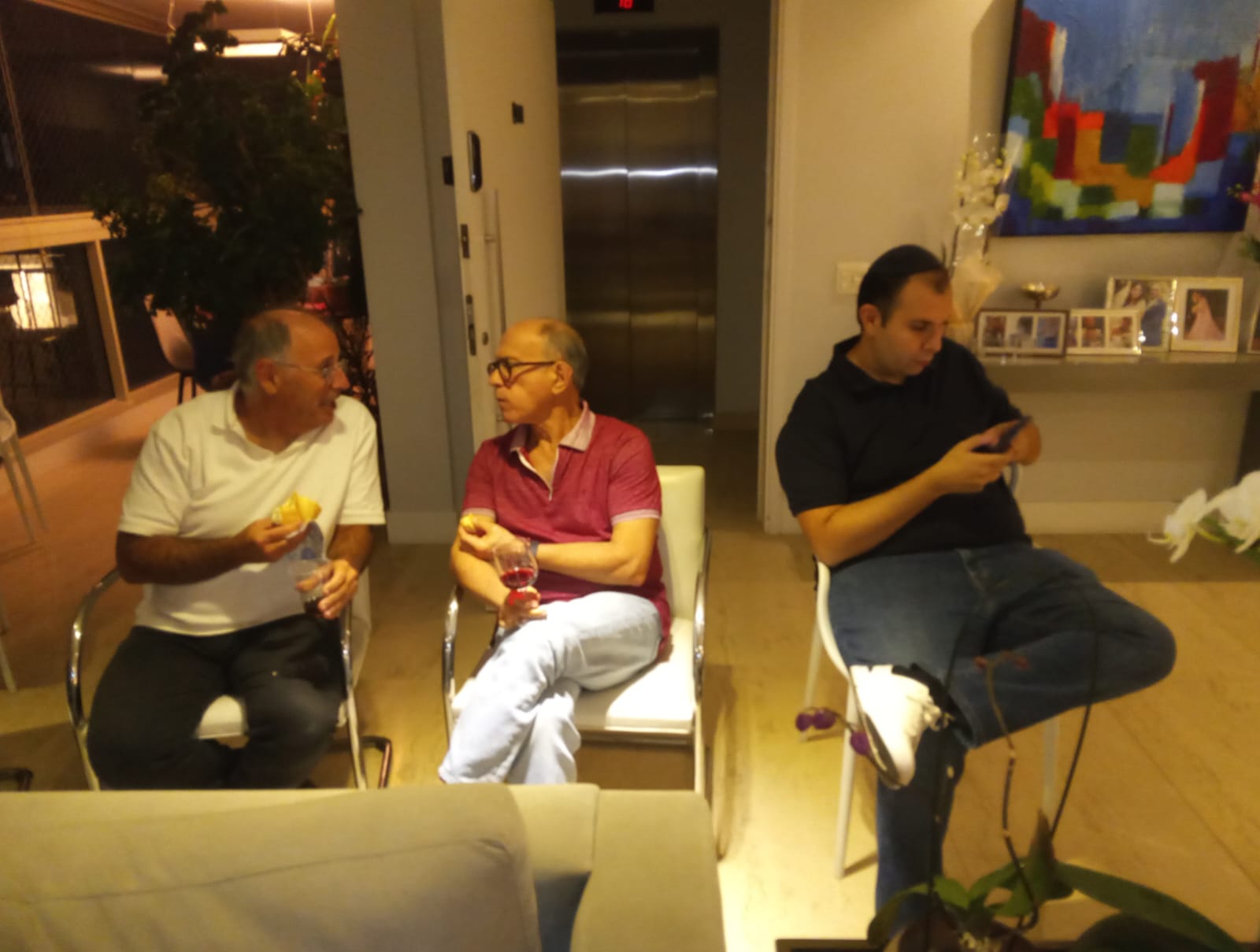
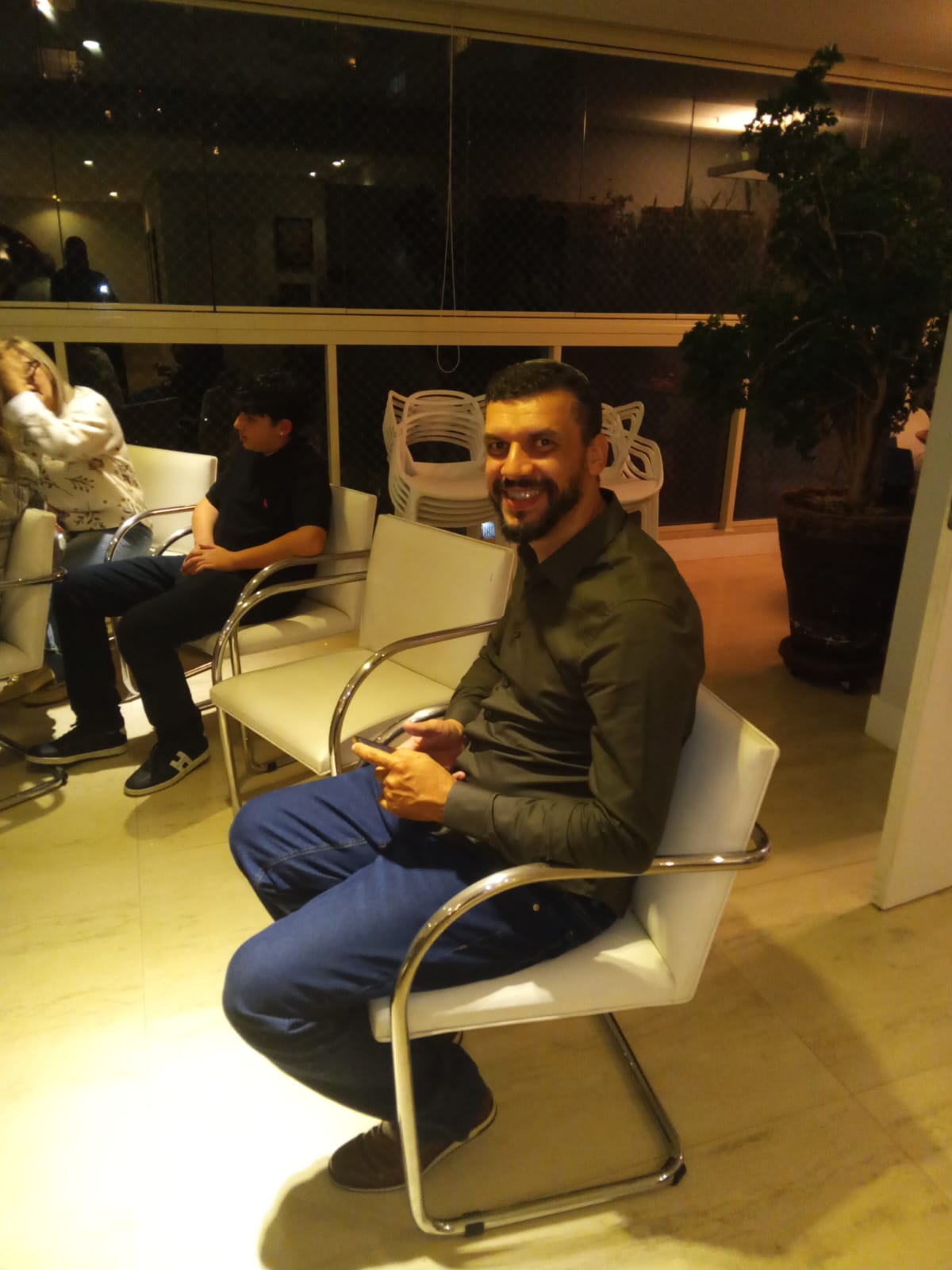
In the warmth of a São Paulo home, surrounded by friends and family, the Holocaust Memorial and the Jewish Agency hosted a Zicaron Bassalon gathering at the residence of Sarita Mucinic Sarue. The evening was marked by emotion and reflection, as Holocaust survivor Hannah Charlier shared her story.
In a world undergoing profound transformations since October 7, the Jewish community reaffirms the importance of preserving memory. Passing on to future generations the stories of struggle, suffering, and above all, resilience and victory, is seen as an essential commitment. The history of the Jewish people, written in blood and resistance, is also filled with triumphs that must never be forgotten — because giving up has never been an option.
More than remembrance, Zicaron Bassalon reveals that even in the darkest moments of modern history, there were those who risked their lives to protect Jews. Public figures and anonymous individuals stood against barbarity, proving that within a broken society, there were still human beings who chose the path of justice.
For Merav Kalik Lerner, from the Jewish Agency, the project builds a bridge between past and future:
Zicaron Bassalon is very special because it connects the Jewish community, our history, and Israel. It is moving to see so many young people participating. We are probably the last generation that will have the chance to hear directly from survivors what happened to our people. This intergenerational encounter is of immense value.
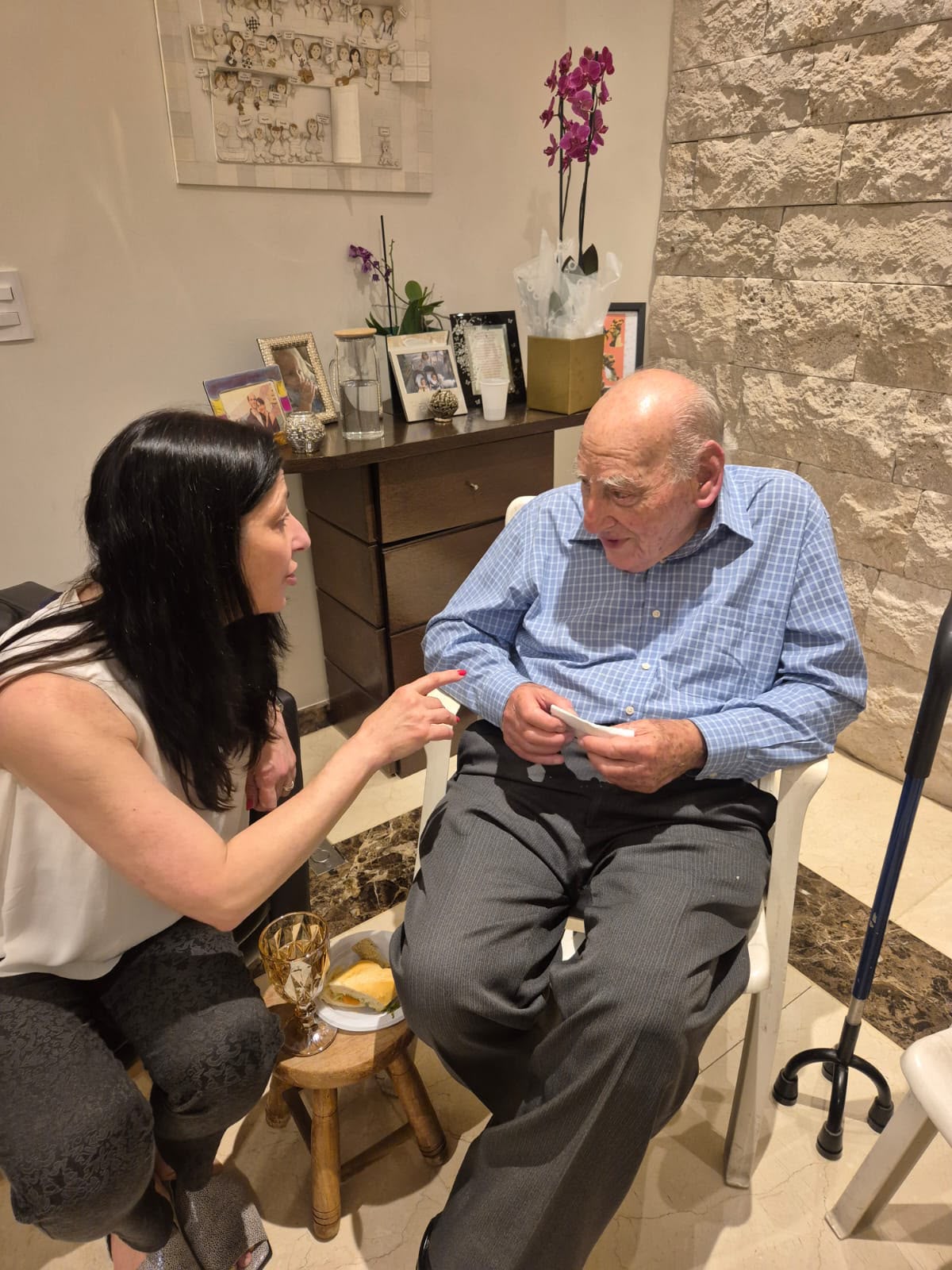
She emphasizes that the fact survivors have children, grandchildren, and great-grandchildren living around the world is a concrete expression of Am Israel Chai — the people of Israel live. Remembering, therefore, is not only about looking back, but ensuring that memory continues forward.
The Story of Hannah Charlier
Hannah Charlier carries within her memory a narrative that spans generations. Born in 1944 inside a Nazi prison in Belgium, she is a Holocaust survivor and author of A Testemunha de Pano (The Cloth Witness), inspired by her inseparable doll, Pitzi. After a life marked by pain and resilience, she began sharing her story publicly only recently, thanks to journalist Caio Damasceno, a family friend who interviewed her for his academic research. From there, the Holocaust Memorial of São Paulo recognized her testimony and officially included her among the living survivors.
The daughter of Jews who fought against the Nazis in the Maquis resistance movement, Hannah was born amid terror. During the execution of her parents, her pregnant mother tied the baby to her back and fell over her, shielding her with her own body. The gesture moved an SS officer, Heindrich, who rescued Hannah and handed her over to Yvonne Nevejean, the social worker credited with saving thousands of Jewish children in Belgium. Hannah believes Heindrich, who had been torn from his own mother at the age of ten, saw in her the reflection of his own trauma.
From infancy to age nine, Hannah lived in a Jesuit orphanage, where children of different faiths studied together and a small synagogue was built by a priest who also taught Hebrew. Heindrich, who became a paternal figure, visited on weekends and taught crafts. Later, Hannah was adopted by a couple connected to her family before the war, who brought her and other survivors to Brazil. Here, she studied at Mackenzie and later at USP, where she met her husband, with whom she had three children.
Below is the Portuguese video of Hannah’s story on the Pod Chegar channel with Silvia Vinhas: