Zionism is Judaism
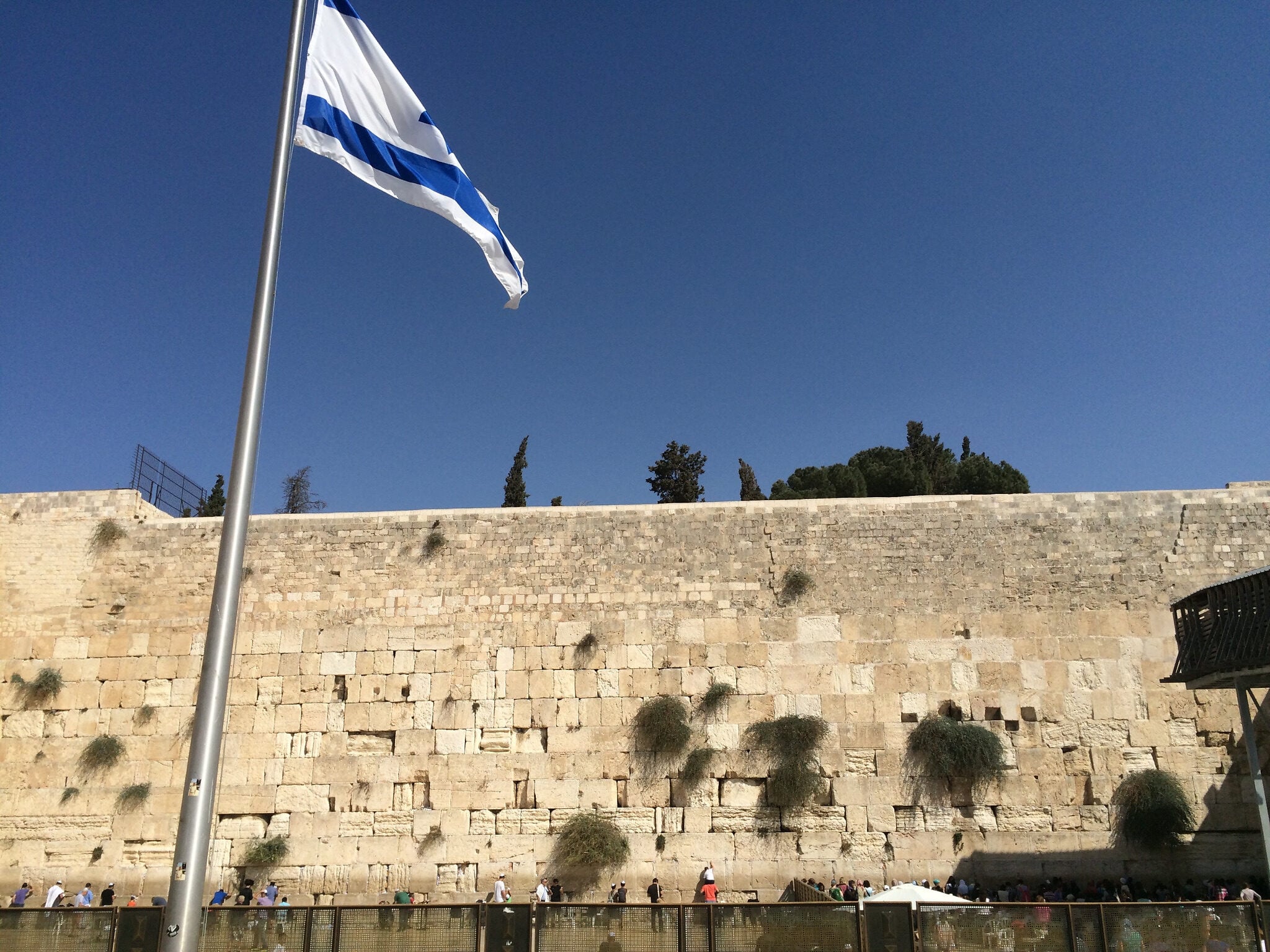
Today, “Zionism” simply means believing that Israel has a right to exist as the Jewish homeland. Yet in modern political discourse, critics routinely turn the word into an insult—sometimes even comparing it to Nazism. When the rhetoric gets that extreme, it helps to strip away the noise and return to something far older: Judaism itself.
Given today’s climate of antisemitism and anti-Zionism, and the sheer hostility aimed at Jews and anyone connected to Israel, I felt compelled to share my thoughts on what the Jewish community—both in Israel and across the Diaspora—can do to counter this hatred and shift the narrative. Being Jewish is never easy. Whether you are religious, secular, or even an atheist Jew, Judaism remains our shared baseline. The one thing that unites us all is that Israel, the eternal Jewish homeland, is central to Judaism—and there is no escaping that reality. Indeed, I did the opposite and ran straight toward it by making Aliyah in 2014 with my wife and four children. Returning home was a journey. It took me 40 years to make Aliyah, but through perseverance, determination, my wife’s unwavering support, and a deep love for the land, the Torah, and G-d, we made the move.
I was fortunate enough to see the writing on the proverbial wall. Living in America during the Obama presidency, there were clear undertones of antisemitism—usually simmering, but occasionally boiling over. The Jew-haters weren’t as vocal then, but don’t be fooled: when the President of the United States viewed Israel as the root problem in the Middle East, I knew it was time for us to move and secure our family’s future. Zionism is something I grew up with; it was a constant thread in my life. It was in my home, in my shul in Hewlett where my father served as Rabbi, and at Camp Moshava with Bnei Akiva. I was an ardent Zionist from a young age, shaped by the Torah V’Avodah ideal—a path combining Torah, spiritual life, and a devotion to G-d with a love for working and cultivating the land. It merges the spiritual and the physical into one whole: being an active creator and worker is just as essential as studying Torah and living a religious life.
Living in Israel for the past 12 years has only deepened this commitment, and I have worked hard to pass this love for Israel and Torah on to my children. Yet in talking with them, I realized that what I’m teaching them isn’t just “Zionism”—it’s the fundamentals of Torah. Everything flows from there; it is the core of what makes us both a faith and a people. When you get dragged into arguments about Zionism, it can feel like you’re debating your right to exist or justifying your belief in a Jewish homeland. But being Jewish is not up for debate, and supporting Israel is nothing to feel guilty about. Jews in Israel and the Diaspora need to reframe the conversation: being anti-Zionist means opposing core elements of Judaism itself. That connection must be our focus when facing critics. We need to make a conscious move away from constantly defending “Zionism” as a political construct and instead highlight how Judaism and Israel are the inseparable heartbeats of one another
The Jewish connection to the Land of Israel isn’t a modern political add-on. It didn’t start in 1896 when Herzl wrote The Jewish State (Der Judenstaat) or in 1897 with the First Zionist Congress in Basel, Switzerland. Theodor Herzl organized modern political Zionism to address the real physical threats facing Jews in Europe, but he didn’t invent the longing for Zion. What he did was reignite the spark among secular Jews and remind religious Jews that returning to Zion required practical effort. He kickstarted the modern Zionist movement, turning an ancient prayer into concrete action that ultimately led to the re-establishment of the State of Israel in 1948. One of the most profound aspects of Jewish identity is that this bond with our homeland transcends religious observance—it is rooted deeply in the soul of every Jew.
It runs through the Torah, our daily prayers, our mitzvot, and our shared history. The longing to return to Zion is fundamental to who we are as Jews. Treating that connection as a recent political invention ignores the entire text and soul of our faith.
Our story begins with a journey toward the land. In Bereishit (Genesis) 12:1, Hashem commands Avraham:
וַיֹּ֤אמֶר ה׳ אֶל־אַבְרָ֔ם לֶךְ־לְךָ֛ מֵאַרְצְךָ֥ וּמִמּֽוֹלַדְתְּךָ֖ וּמִבֵּ֣ית אָבִ֑יךָ אֶל־הָאָ֖רֶץ אֲשֶׁ֥ר אַרְאֶֽךָּ׃
“Hashem said to Avram, ‘Go forth from your land, your birthplace, and your father’s house to the land that I will show you.’”
This call sets Judaism in motion as a religion and as a people. Just a few verses later, in Genesis 12:7, that destination becomes an explicit covenantal promise:
וַיֵּרָ֤א ה׳ אֶל־אַבְרָ֔ם וַיֹּ֕אמֶר לְזַ֨רְעֲךָ֔ אֶתֵּ֖ן אֶת־הָאָ֣רֶץ הַזֹּ֑את וַיִּ֤בֶן שָׁם֙ מִזְבֵּ֔חַ לַה׳הַנִּרְאֶ֥ה אֵלָֽיו׃
“Hashem appeared to Avram and said, ‘To your descendants I will give this land.’ And there he built an altar to Hashem, who had appeared to him.”
The Land of Israel is central to the covenant—reaffirmed to Yitzchak and Yaakov, and passed down through generations. Avraham’s immediate response—building an altar—connects the land directly to divine worship. From our very beginnings, the Jewish people, the land, and our relationship with Hashem form an unbroken bond. That theme continues throughout the entire Torah. In Bereishit, the land is promised to Avraham, Yitzchak, and Yaakov. In Shemot (Exodus), we have the story of escaping the shackles of slavery and leaving Egypt, journeying to Har Sinai, and traversing the desert toward the Land of Israel. This was re-emphasized to Moshe by Hashem in Exodus 6:8: וְהֵבֵאתִ֤י אֶתְכֶם֙ אֶל־הָאָ֔רֶץ אֲשֶׁ֤ר נָשָׂ֙אתִי֙ אֶת־יָדִ֔י לָתֵ֣ת אֹתָ֔הּ לְאַבְרָהָ֥ם לְיִצְחָ֖ק וּֽלְיַעֲקֹ֑ב וְנָתַתִּ֨י אֹתָ֥הּ לָכֶ֛ם מוֹרָשָׁ֖ה אֲנִ֥י ה׳׃ (“I will bring you into the land that I swore to give to Abraham, Isaac, and Jacob, and I will give it to you for a possession, I am Hashem.”)
The land was never just a territory. It was where Jewish communal, moral, and spiritual life was meant to unfold—an eternal covenant between Hashem and His people. The land of Israel brought specific obligations: agricultural laws like shemittah (the sabbatical year), terumot, and ma’asrot (tithes) tie religious life directly to the land as ways to worship and serve God.
There are at least 23 explicit verses in the Torah, across 18 passages, where G-d tells Avraham, Yitzchak, Yaakov, or Moshe that He is giving the land to Israel and their descendants. The Torah repeats this promise time and again through oaths, covenants, and Moshe’s reminders to the nation. Living in Israel was always understood as a responsibility, not just a privilege, and Moshe made sure Bnei Yisrael grasped that duty. Worship, the holiness of the land was similarly grounded in geography. Our forefathers built altars across the land, and Bnei Yisrael carried the Mishkan through the wilderness until the Beit Hamikdash was established in Jerusalem, and will one day be rebuilt again. You can see this in “Az Yashir” (Exodus 15:17), the nation looks ahead to reaching the “mountain of Your inheritance” (תְּבִאֵמוֹ וְתִטָּעֵמוֹ בְּהַר נַחֲלָתְךָ). Faith and homeland were inseparable from the start.
Centuries of exile never broke that connection.
In Devarim 30:1–5, Moshe foresees a time when the scattered Jewish people will return to Hashem and gather once again in the land of their ancestors (וֶהֱבִיאֲךָ ה׳ אֱלֹקיךָ אֶל-הָאָרֶץ אֲשֶׁר-יָרְשׁוּ אֲבֹתֶיךָ וִירִשְׁתָּהּ). The prophets repeatedly speak of exile, restoration, and the return to Zion. Physical distance never diminished that longing.
Instead, that hope became part of daily life. We face Jerusalem when we pray. Three times a day, we pray for the return of the exiled. We conclude the Passover Seder and Yom Kippur with the same pledge: “L’Shanah Haba’ah B’Yerushalayim” (לְשָׁנָה הַבָּאָה בִּירוּשָׁלָָם)—Next year in Jerusalem. At every Jewish wedding, we recite Psalm 137:5 (“אם אשכחך ירושלם תשכח ימיני” — “If I forget thee, O Jerusalem”), bringing the memory and hope of Zion into our greatest moments of joy.
This is why Judaism and Zionism are intrinsically connected: the drive to return to Zion and live in our ancestral home is built into the core of Jewish tradition, liturgy, and identity. I see this now more than ever with my daughter serving in the IDF and my son drafting after Pesach. I see how important Judaism is to them, and how their desire to serve stems from a deep emotional, spiritual, and practical foundation. Love for the land, its history, and its people is central to their service and their faith. This is something shared by all citizens of Israel—Jews, Muslims, Christians, Druze, and others who call this holy land home. The Land of Israel is indeed the Jewish homeland, while also being home to many others alongside us.
Which is why when someone claims to speak “as a Jew,” they speak only for themselves; they don’t speak for the Jewish people. That phrase doesn’t grant authority to erase thousands of years of shared history or detach the Land of Israel from Jewish faith.
When “Zionist” is used as a stand-in attack against Jews, we NEED to call it out. And when our connection to Israel is dismissed as a modern invention, we answer with our history, texts, and the words of our prayers.
The connection to Zion and the return to Israel aren’t recent additions to the Jewish story; they are part of its foundation. Understanding Judaism means recognizing how deeply the land is tied to its heart.
Zionism isn’t an optional add-on. It’s just Judaism in action.
Say it clearly and without apologizing: Zionism is Judaism!