
Bridging faith. Defending truth. Confronting hate
Zohran Mamdani and the Mirage of the Radical
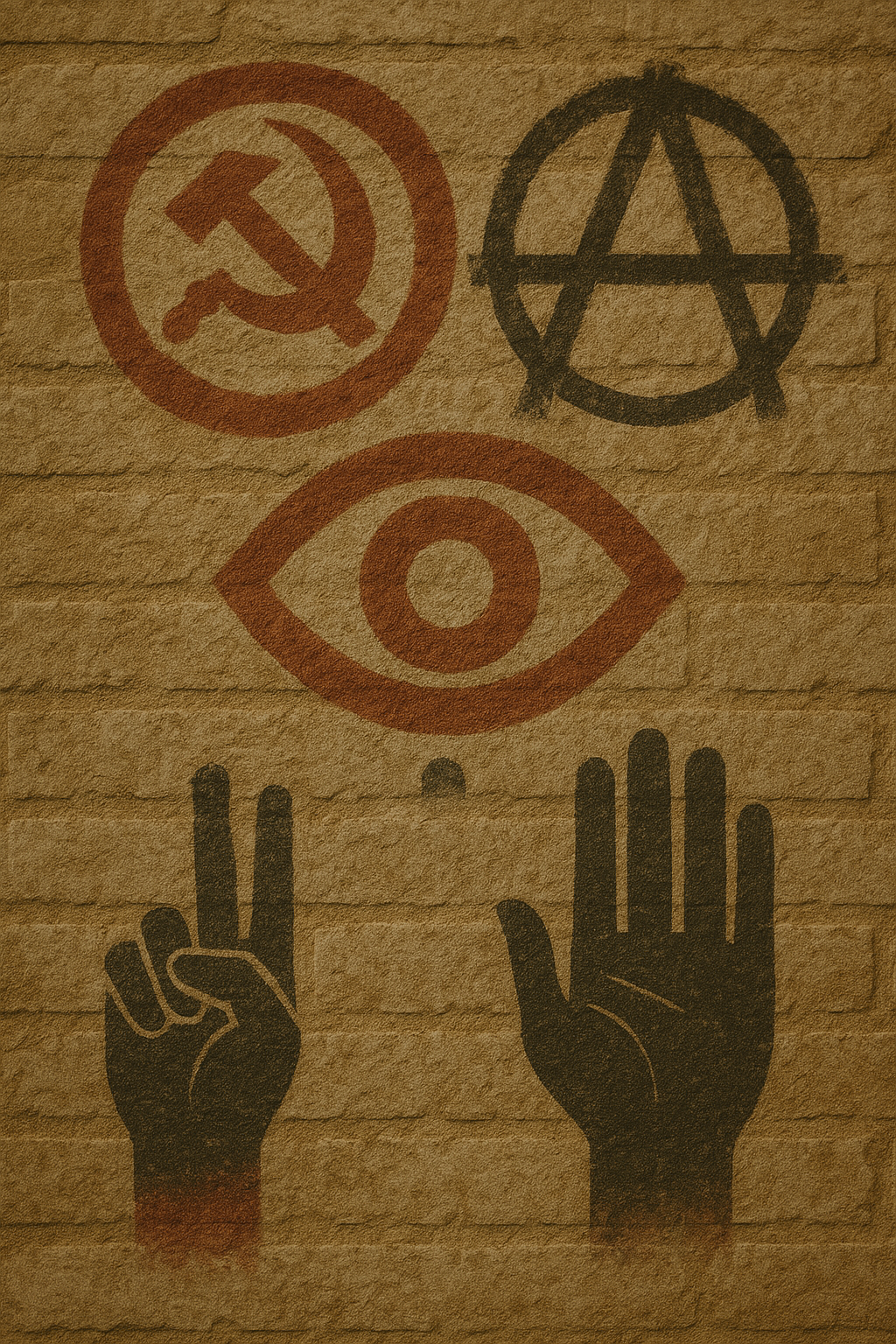
Concept and image by ChatGPT — “The Mirage of the Radical,” Oct. 19, 2025
Every generation falls in love with its own revolution. This is where each era rediscovers the intoxicating belief that moral passion alone can bend the world to its will. Societies searching for meaning turn to prophets who speak their anger, who promise that righteousness is enough to govern, and that fury itself can heal what bureaucracy broke. The modern incarnation of this impulse is what might be called the Zohran Mamdani model, politics as moral theater, indignation as policy, virtue as currency. Its speeches pulse with urgency, its followers see in it a promise of redemption. Yet sincerity is not a substitute for wisdom, and zeal, unrestrained by reason, has undone more societies than apathy ever could. This movement’s rise is not merely political, it is spiritual spectacle, a reminder of how easily virtue becomes vanity when it forgets humility.
Every generation breeds a politics that discovers anger is a currency more powerful than policy. The Mamdani model has mastered this exchange. It offers moral outrage as political capital and sells defiance as virtue. In this worldview, conviction substitutes for competence and indignation for understanding. The modern electorate, weary of cynicism, finds solace in certainty. Yet history warns that purity, once institutionalized, corrodes the very democracy it claims to redeem. It is not tyranny that first kills free societies, but the intoxication of righteousness.
The Performance of Virtue
The Mamdani model isn’t a plan so much as a performance. It feels like a revival meeting, which includes a mix of faith, anger, and borrowed slogans. His talk of rent freezes and “fare free transit” plays well to the crowd. However once the cameras are off, the numbers stop adding up. The language sounds kind, but kindness without competence turns cruel fast. Empathy is easy at a rally; arithmetic is harder the morning after. Governance demands arithmetic, revolution prefers poetry. The crowd may cheer, but the ledger must still balance. The ideology glows bright precisely because it burns without substance.
This style of moral populism borrows the vocabulary of global liberation but not its discipline. It speaks fluently of colonialism, apartheid, and empire, yet applies those words to the sidewalks of Western cities where the struggles are economic, not existential. In its rhetoric, every local dispute becomes a morality play between the oppressed and the oppressor, and every opponent is a stand in for imperial evil. Such flattening rallies applause but produces confusion, not clarity. Politics requires pragmatism, not imported crusades.
The Religion of Resistance
At its core lies a theology of resistance, the idea that to oppose is always righteous and to compromise is always betrayal. This is not governance but asceticism. It feeds on the emotional satisfaction of defiance while fleeing the accountability of results. The problem arises when the activist enters office. When the time comes to deal with reality, to sit across the table and bargain, this movement calls the very act of negotiation a betrayal. It feeds on its own sense of purity, borrowing moral oxygen from the same institutions it condemns. Every creed like this prefers the posture of martyrdom to the labor of governing. Its followers call that stubbornness integrity, but it is really just fear of responsibility wearing the mask of virtue.
Behind this ideology lies a deeper epistemology, emotion as evidence. Suffering becomes self justifying, if people hurt, the theory must be right. Yet economics does not yield to indignation. Talk long enough about rent freezes and you stop hearing the silence where new housing should be. Call the buses free, and you’ll find the rails rusting for lack of money. Keep punishing business and you chase away the jobs that might have paid the rent in the first place. This isn’t ideology; it’s arithmetic with consequences. When dreamers ignore the math, the poor end up footing the bill twice—once in higher prices, again in broken services. The revolution promises freedom, but it breeds dependence and disappointment instead. Compassion without competence becomes another form of neglect.
Its foreign policy posturing illustrates the same confusion between virtue signaling and strategy. Every war overseas turns into a sermon back home. The Mamdani style feeds on that, reciting other people’s pain as if it were proof of its own virtue. It steals the vocabulary of suffering from places it barely understands and spends that moral credit on local politics. Soon the rhetoric of Gaza or Kabul is echoing through city halls that have nothing to do with either. What it calls solidarity is really mimicry, a borrowed anger dressed up as compassion. And when government turns into that kind of theater, policy stops being a tool and becomes just another prop on the stage.
The Tyranny of Purity
This style of politics dresses its intolerance in the robes of inclusion. It preaches equity while practicing excommunication. Disagree, and you are not challenged — you are condemned. Moderates are treated like heretics who wandered off the path. It is a faith that copies the very authoritarianism it claims to fight, a mirror image of the thing it hates. Real pluralism means living with imperfection, but this creed can only breathe in the harsh light of good versus evil. It talks about community, yet everywhere it goes it leaves tribes instead of neighbors. In the name of justice, it breeds judgment, in pursuit of empathy, it manufactures enmity. This is the purity of the censor, not the reformer.
Ideological populism often substitutes belonging for belief, and this one is no exception. In a lonely world, it sells belonging — the chance to march, to shout, to feel part of something bigger. But that sense of unity only lasts as long as the outrage does. The movement runs on enemies; without one, it starts to starve. So new villains have to be invented, new battles imagined, just to keep the blood up. What starts as a fight for justice turns into a habit, which is the need for anger, the thrill of being wronged, the easy high of having someone to blame. It feeds on discontent but cannot nourish stability.
The great irony of moral populism is that it has no interest in governing. Its purpose is performance, not policy. Its metric of success is visibility, not viability. Bureaucracy is treated as oppression, compromise as corruption, and expertise as elitism. Yet societies do not run on indignation, they run on engineering, budgeting, and law. The revolutionary temperament, when given the keys to the city, discovers that slogans cannot fix sewage systems. The politics of purity ends where all purist revolutions end, in managerial incompetence and moral fatigue.
The real danger isn’t malice — it’s sincerity. These people believe every word they say, and that’s what makes them so reckless. Their compassion shuts its eyes to consequence, their certainty leaves no room for the complicated, ugly work of governing. It is moralism dressed up as politics, fluent in fury but helpless when it comes to actually running a city. Democracy doesn’t need saints; it needs adults. The hardest truth of all is that coexistence is messy, and compromise is the price of keeping the peace. Moral populism would rather preach than govern, and in the end it collapses under the weight of its own sanctity.
The Mirage and the Lesson
The Mamdani model reveals something deeper about our era, which is a hunger for moral certainty in an age of disarray. It offers simplicity where there is complexity, narrative where there is nuance. Yet the modern world cannot be redeemed by purity, only by patience. Democracy does not need saints, it needs servants, flawed men and women who build rather than burn. The danger of this vision is not that it is evil, but that it is seductive, a mirage that promises moral clarity in a desert of doubt. We follow such ideologies not because they deceive us, but because they flatter our need to feel righteous.
The lesson is larger than any single figure. Every generation will produce its Mamdani model, its theology of purity, its politics of emotional certitude. The duty of a democratic society is to resist that temptation, to remember that progress is built not from moral theater but from moral patience. Governance is not a crusade, it is a covenant, a fragile bargain between the possible and the good. When a people forget that, when righteousness replaces reason, they mistake the heat of conviction for the light of truth, and the fire that begins in moral passion ends in political ash.
Related Topics
Related Posts