30 Days of Remembrance. On Day 31, We Replace Them.
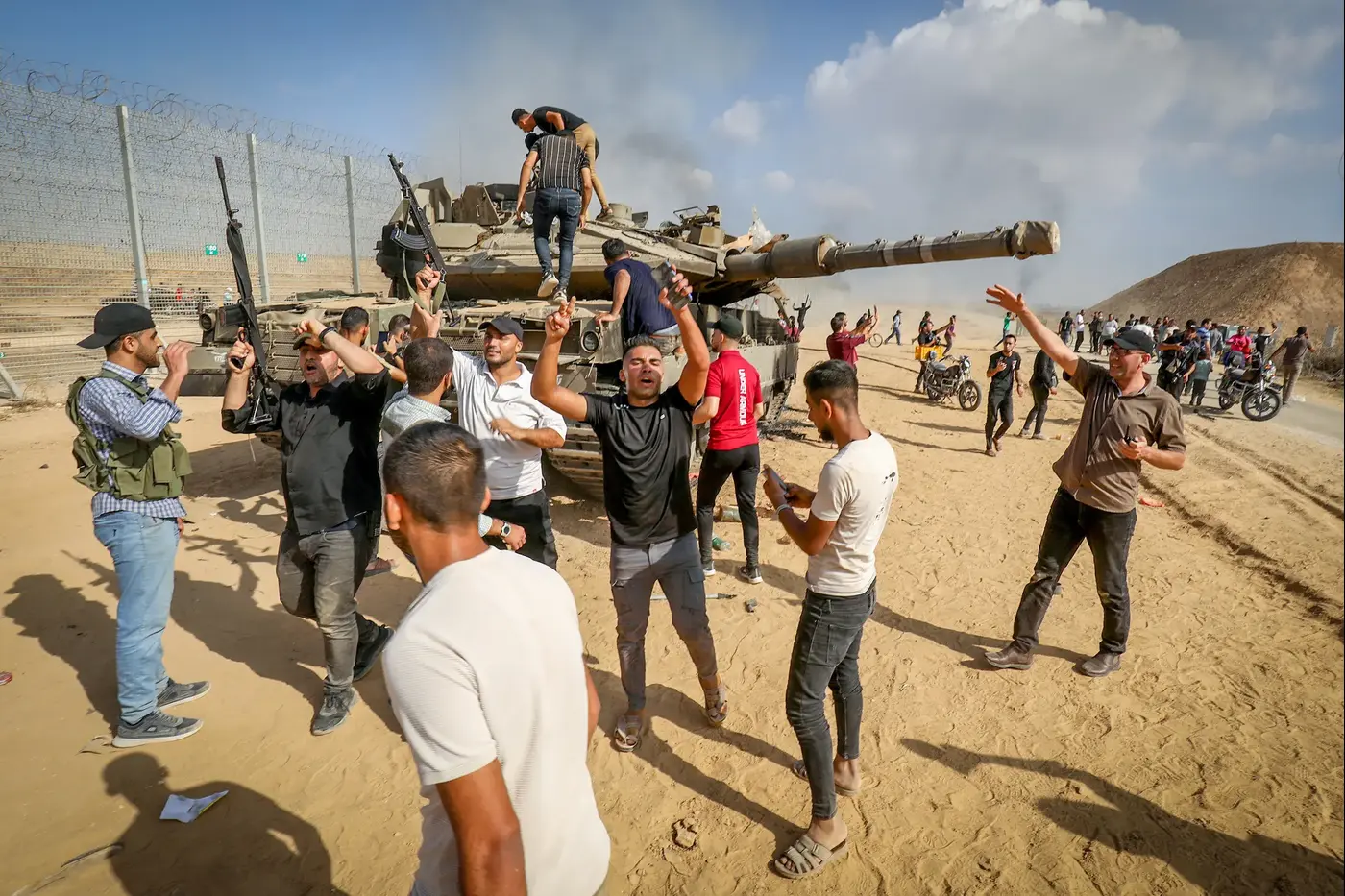
For nearly three years, Israel has been home to the most sophisticated machinery of forgetting ever built by the state. The month before the next election should be the month in which citizens do what the government has refused to do: place October 7 at the center of the national agenda, as a basic demand for accountability.
The month in which we cast our ballots – likely sometime between September 27 and October 27, 2026 – will also mark the third anniversary of October 7. In this, the calendar has done what the government refuses to do: it has aligned the day of national reckoning with the day we decide who will continue to lead us.
We must not squander that convergence.
That is why I propose that this month become a month of mourning, remembrance, and national soul-searching. Not another single official day of commemoration, important though it is, but thirty days during which the State of Israel finally confronts, with open eyes, what has happened to it since October 7, 2023.
Thirty days in which we visit the graves of the nearly two thousand murdered civilians and fallen soldiers: those massacred in their homes, at the music festival, and on military bases; those killed in battle; those who gave their lives trying to save a country whose government failed to protect them; and those who could no longer bear the weight of their pain.
Thirty days in which we embrace the tens of thousands wounded in body and mind, listen to their stories, and remember that behind every statistic stands a human being whose life has been changed forever.
Thirty days in which we stand with the families of the hostages – families forced to transform themselves from ordinary citizens into an entire army of diplomats, protesters, lobbyists, and advocates simply to remind their own country of its most fundamental obligation: to bring home those it abandoned while they were under its protection.
This month should not be only about remembering the dead. It should also remind the living of what is required of them. Of what is required of all of us.
For nearly three years, the most sophisticated machinery of forgetting ever built in Israel has been operating at full capacity. Every week brings a new crisis, a new enemy, a new headline, a new political distraction. One week it is Iran. The next, military conscription. Then the courts, the attorney general, the head of the Shin Bet, or some outrageous remark from a reckless minister or member of parliament.
All of it serves the same purpose: to draw our attention away from the one event this government has no way of explaining – the greatest failure in Israel’s history occurred on its watch, and it refuses to accept responsibility.
October 7 was not a natural disaster. It did not descend from the heavens, nor was it an unavoidable tragedy. It was the product of years of policy, of arrogance, of strategic complacency, and of placing political survival above national responsibility. It was the result of a government that believed quiet could be bought with money, that diverted forces and resources elsewhere, ignored repeated warnings, and surrounded the prime minister with people whose primary function was to tell him how brilliant he was.
The military failed. The Shin Bet failed. Officers and commanders must answer for their mistakes, and some have already begun to do so.
But in a democracy, the military answers to the elected government.
One cannot claim credit for every successful mission carried out by a pilot, a soldier, or an intelligence operative, while insisting that every failure belongs solely to the generals. Anyone who seeks to be known as “Mr. Security” cannot, when the decisive moment arrives, reinvent himself as “Mr. I Didn’t Know, I Didn’t Hear, Nobody Woke Me.”
In any functioning democracy, a government under whose watch such a catastrophe occurred would have established an independent commission of inquiry within weeks. After the Yom Kippur War, Israelis were not asked to wait three years. No one proposed a supposedly “balanced” political committee in its place, nor argued that the political leadership should be exempt from scrutiny.
Yet this government continues to refuse.
Because Benjamin Netanyahu understands exactly what such an inquiry would reveal: that this failure did not begin on the night between October 6 and October 7. It began years earlier. It would examine the doctrine of strengthening Hamas, the transfer of funds into Gaza, the weakening of institutional gatekeepers, the conduct of the security cabinet, and the distorted priorities that made the catastrophe possible.