The Lebanese border is closed, even for pilgrimages
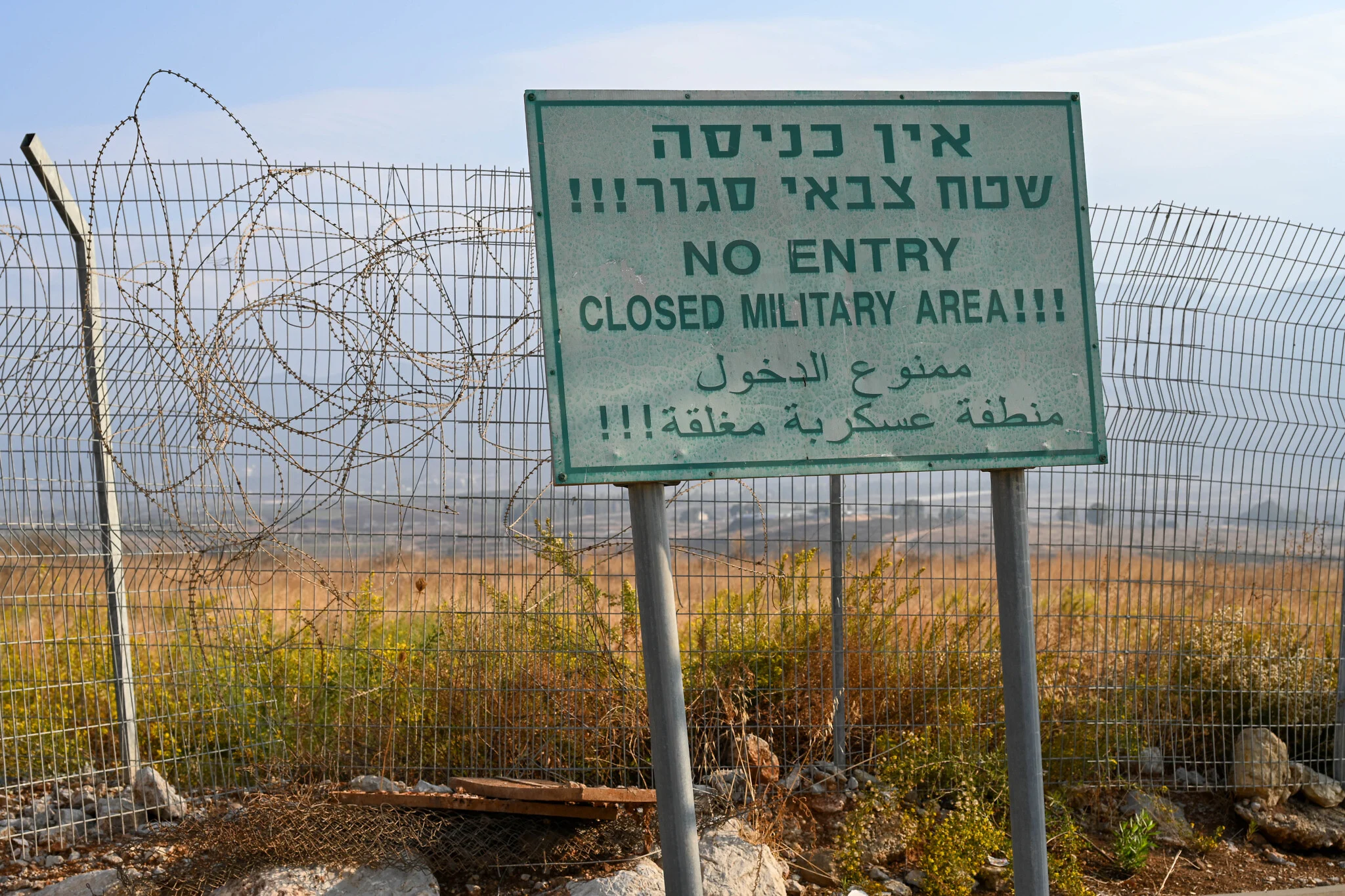
Two busloads of children from an ultra-Orthodox elementary school drove into a closed military zone on the Lebanese border, and the soldiers had to go get them
I was on the Lebanese border yesterday with cold drinks and food for soldiers on a base. It is a small thing. You load a car, you drive north, you hand out bottles and snacks, and you stand around for 20 minutes listening. The soldiers are young. They are tired. Most of them want to talk about anything other than the sector.
Then two buses pulled up.
They were cheder buses – buses from a Haredi elementary school. Kids, teachers, the whole operation. They drove past the base and kept going toward the fence. That area is a closed military zone. The plan, as best as anyone standing there could work out, was to reach the grave of a rabbi on the other side of the line.
I do not know which rabbi. I do not know the tradition attached to the grave or how many generations deep it goes. None of that changes the ground. The Lebanese border is closed. Hezbollah sits on the other side of it. The army has asked civilians to stay out of the area, and that request is not decorative.
This has become a pattern.
On Tuesday, 15 Israelis crossed into Lebanon near Ghajar. Most of them were teenage girls. One of them was unaccounted for inside Lebanese territory for around four hours. A reconnaissance commando unit of the 91st Division was sent in to find her. Reservists were called off family vacations, put their uniforms back on, and went looking.
All of that happened while Northern Command was dealing with a booby-trapped building in Majdal Zoun where a company commander and a combat medic were killed and four soldiers were seriously wounded.
Officers quoted in the Israeli press have described the situation as one that has gotten away from everyone. Their complaint is operational and specific. A force gets prepared for an ambush or an arrest. The mission gets delayed or dropped because civilians walked through a fence. Movements and response times get exposed to anyone watching. Somebody could get taken.
The soldiers I stood with yesterday were furious. They said so plainly.
I moved to Israel six years ago. One of the first things I watched from up close was the Haredi community breaking the COVID rules. Yeshivas stayed open through closure orders. Weddings and funerals ran at full size. Police were pushed out of streets in Bnei Brak and Meah Shearim. Argue about whether those policies were sound. That argument is legitimate and plenty of Israelis lost it and won it in every direction. The rules still applied to every citizen in the country. A whole community concluded they applied to everyone else.
Yesterday that same reasoning arrived at a live border.
I want to be careful about what I am asking for, because the loudest version of this conversation is the draft, and the draft is a distraction.
The country does not need every Haredi man in uniform. Most soldiers will tell you the same thing if you ask them honestly. The army has manpower problems that are structural, and absorbing hundreds of thousands of men who do not want to be there solves none of them. That is a real answer from people who actually serve.
What the country needs from that community is smaller and more reasonable.
Contribute something to the society that protects you. Volunteer. Give blood. Cook for a unit. Fix something for a family whose father has been in reserves for 200 days.
Acknowledge the soldiers. A hot coffee at a checkpoint takes four minutes.
Say prayers for them by name. That costs nothing and it means a great deal to the 19-year-olds standing in the Galilee heat with 60 kilos on their back.
Stop shutting down the highways. Blocking Route Four during a war has one measurable effect. It keeps reservists from getting home to their kids on the one weekend they were promised.
And stay out of closed military zones. All of them. Including the ones with a grave on the far side.
None of this requires a single person to change what they believe about learning Torah, or about the state, or about the government. It requires treating the men and women who stand on the border as people rather than as infrastructure.
The rabbis are the only ones who can end this. Not the police, who release everyone the same afternoon. Not the courts. Not the politicians who go quiet as elections approach. A rav has to stand up and say that a closed military zone is closed, and that a boy who sneaks past a soldier has done something wrong.
Until that sentence gets said out loud, the gap keeps widening.
It widens every day.