I believe in independent, clear, and courageous journalism – especially where injustice is being silenced
A Footprint of Courage in Jerusalem: The Untold Story of Sergo Metreveli
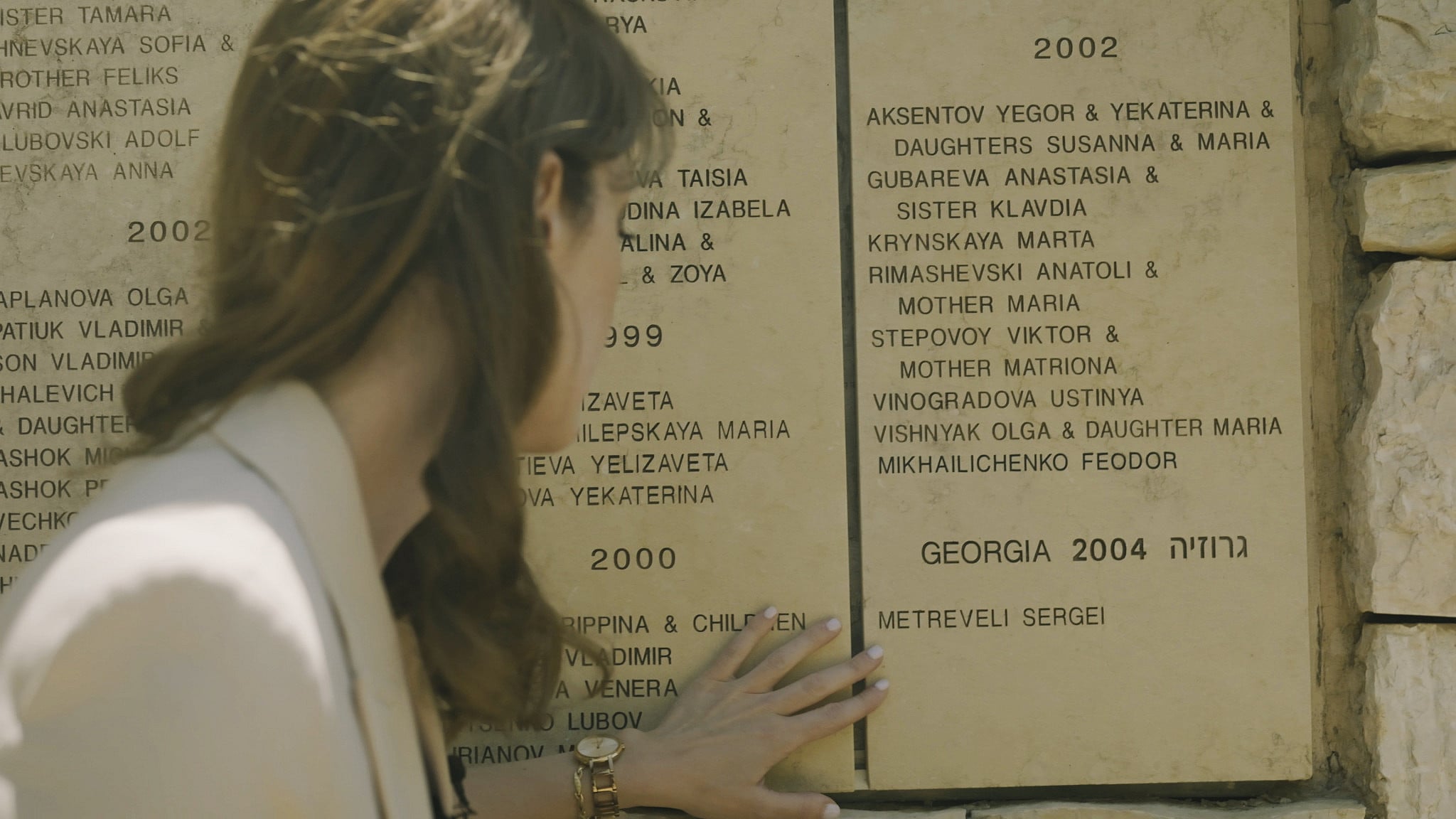
Tamar in the Avenue of the Righteous Among the Nations at the Yad Vashem Museum, where her great-grandfather's full name is engraved – Photo: Mikheil Khachidze
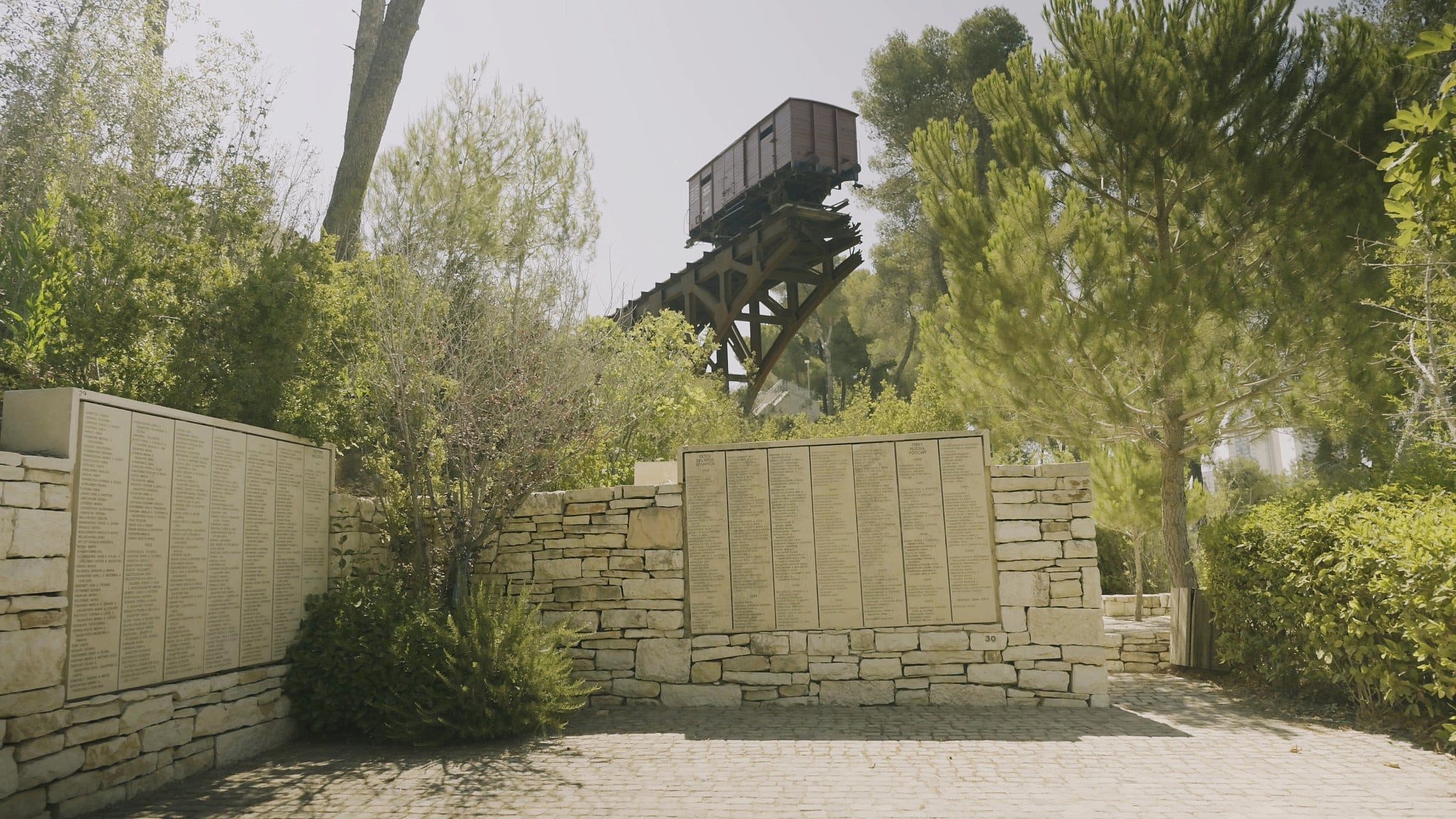
Jerusalem, July 2026 – A profound quiet sits over the Garden of the Righteous Among the Nations at the Yad Vashem Holocaust Remembrance Center. Engraved into stone tablets are thousands of names – individuals who chose humanity and righteousness during mankind’s darkest hour, often risking their own lives and those of their families.
At Sector 30, where the 2004 inductees are memorialized, a clear inscription stands out against the Jerusalem limestone:
GEORGIA 2004 גרוזיה
METREVELI SERGEI
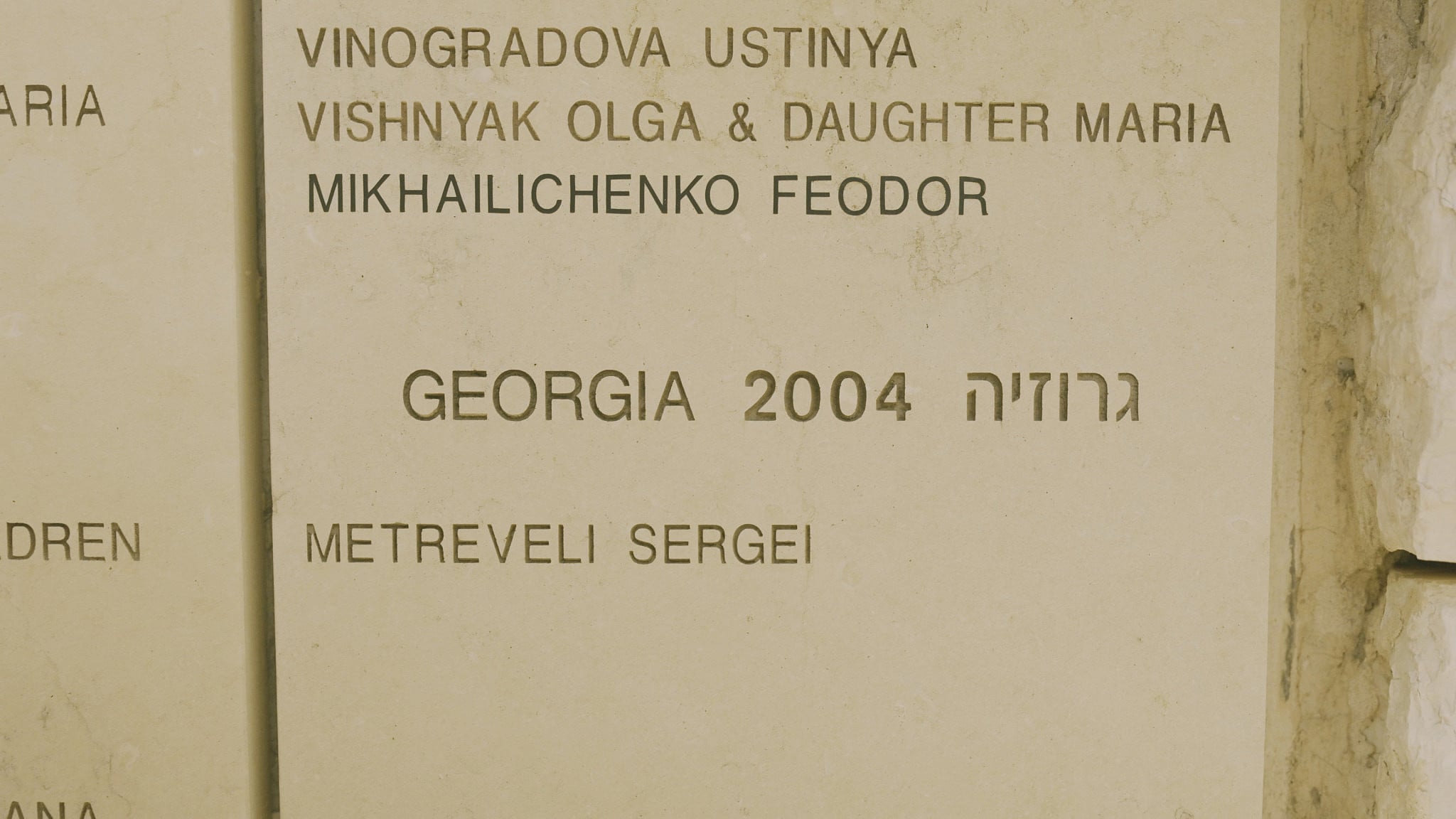
This is the only official entry on the Yad Vashem memorial wall honoring an ethnic Georgian. Sergo (Sergei) Metreveli was posthumously bestowed the title of Righteous Among the Nations in recognition of his extraordinary heroism in saving Jewish lives during World War II.
Who Was Sergo Metreveli?
Sergo Metreveli was born in 1906 in the village of Utsera, located in the mountainous Racha region of Georgia. A winemaker by trade, he was working in Kislovodsk in the Northern Caucasus, when the war escalated.
In August 1942, as Wehrmacht troops closed in on Kislovodsk, mortal danger loomed over the local Jewish population. Metreveli – a father of four whose – refused to stand by as a passive bystander.
A 500-Kilometer Trek to Safety
As Nazi forces entered Kislovodsk in late August 1942, Metreveli organized an escape route for a group of refugees. Among them was Emil Zigel, a 16-year-old Jewish teenager, and Arkady Rabinovich. Emil’s parents remained in Kislovodsk (where they were executed by Nazi forces in September 1942 at Mineralnye Vody).
Metreveli led the refugees through secret mountain paths across the formidable Great Caucasus Range.
• A 16-Day Mountain March: The group traversed nearly 500 kilometers on foot, negotiating treacherous high-altitude mountain passes.
• Carrying a Sick Youth: During the trek, 16-year-old Emil Zigel fell gravely ill with malaria. Rather than leaving him behind, Metreveli carried the youth on his back and in his arms through the most grueling stretches.
• Sanctuary in Racha: Metreveli brought the refugees to his home village of Utsera, a remote area untouched by German occupation. The Metreveli family sheltered, fed, and nursed Emil back to health over several months.
• Once recovered, Emil Zigel managed to join the military lines. He survived the war, rose to the rank of army colonel, and maintained a lifelong, close family bond with the Metrevelis.
Decades later, it was Emil Zigel’s testimony and persistent efforts that led Yad Vashem to officially honor Sergo Metreveli in 2004 – 13 years after his passing.
A Living Memory
Today, in the sunlit garden in Jerusalem, a poignant moment bridges past and present: Sergo Metreveli’s granddaughter, Tamar, traces her fingers over her grandfather’s name engraved on the stone.
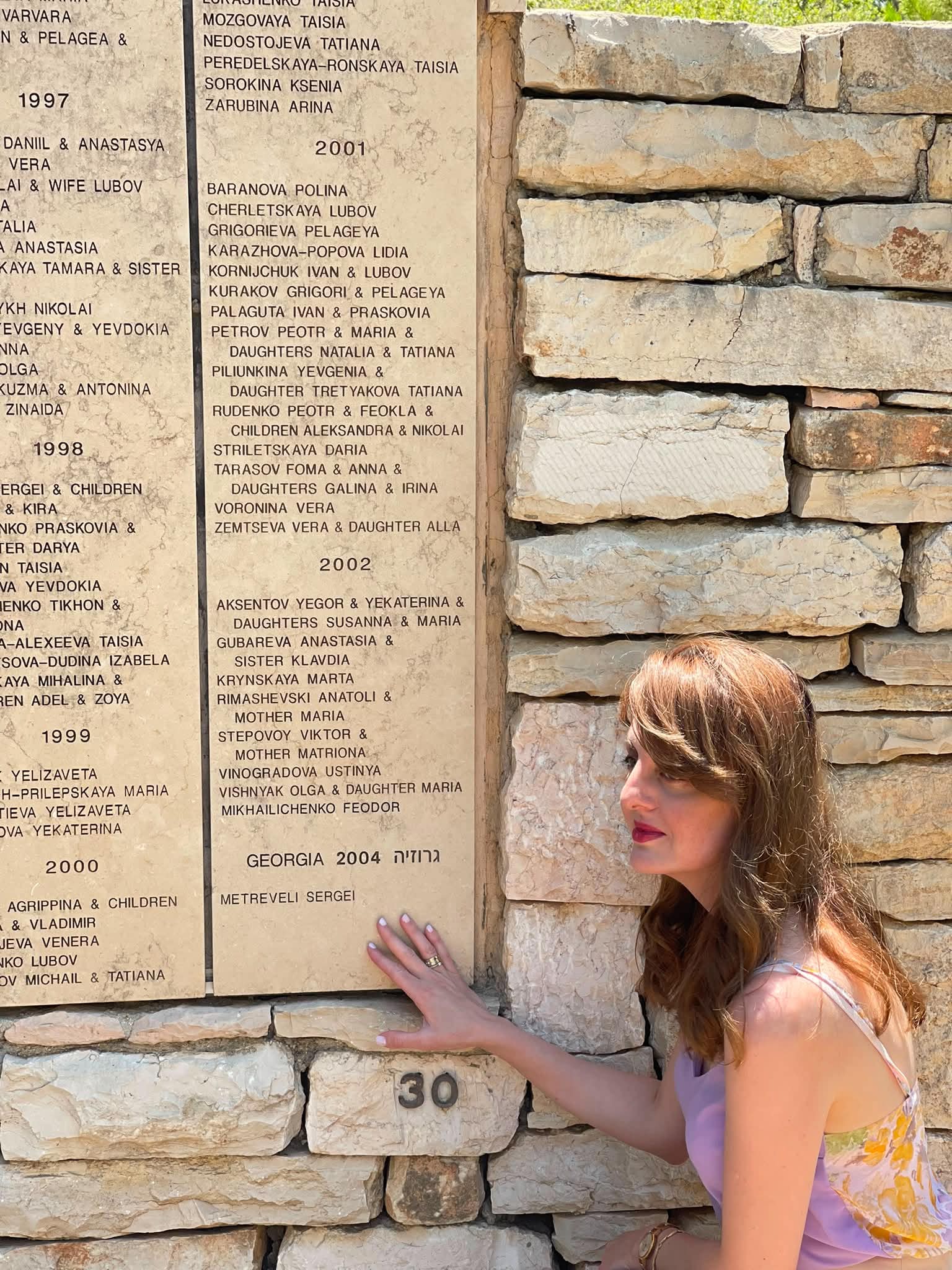
This gesture is more than a tribute to history – it is a living connection. It serves as an enduring reminder that courage, empathy, and sacrifice know no borders or time.
In the rich chronicle of 26-century-long Georgian-Jewish friendship, the name of Sergo Metreveli remains an indelible symbol of moral triumph and human dignity.
Related Topics