
Exclusive: Deyvid Arazi’s Vision Guides the World’s Premier Jewish Club
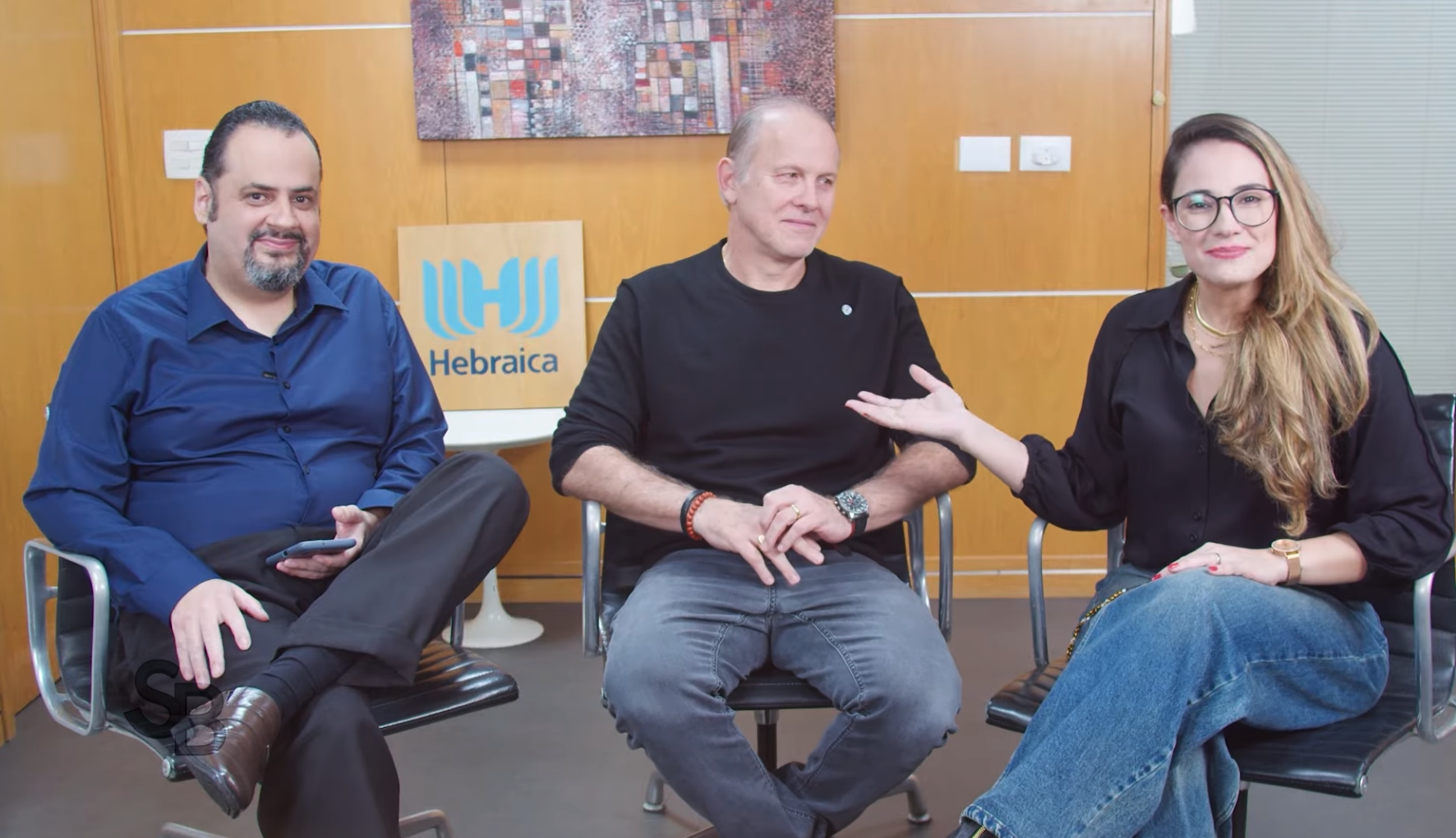
In a conversation with Lilian Hollender, host of Shalom Brasil, and this columnist for The Times of Israel, Deyvid Arazi, President of Hebraica São Paulo, reflected on his lifelong connection to the institution, the role of sports in shaping Jewish identity, and the challenges of leading one of the most significant Jewish community clubs in the world.
For Arazi, Hebraica is much more than an athletic and social club. It is the institution that helped shape his values, his family life, and his commitment to the Jewish community.
“My life began at Hebraica from the day I was born,” he said.
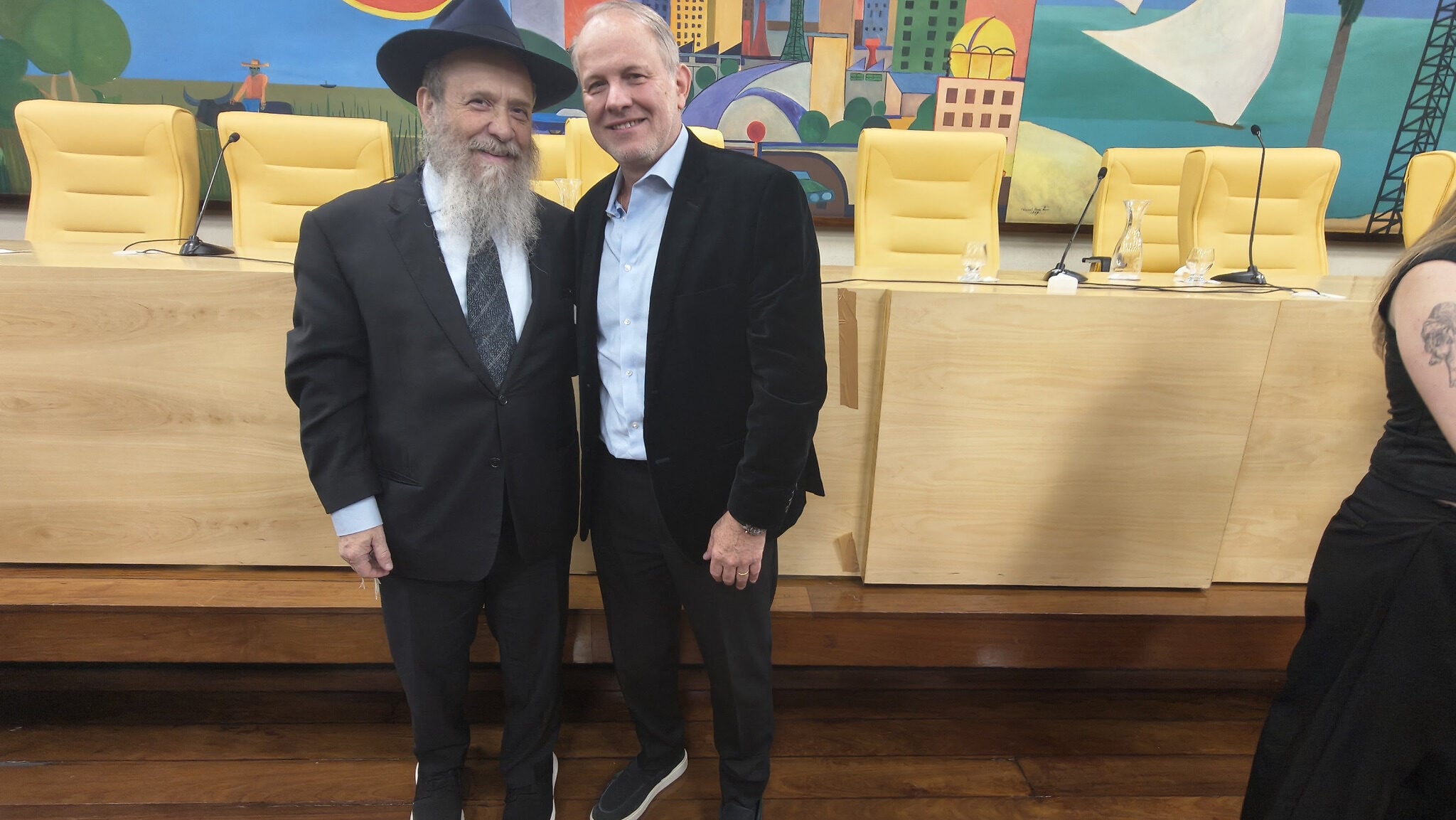
The son of longtime members, Arazi grew up immersed in the club’s activities, spending his childhood on its playing fields, courts, and swimming pools. His passion for sports led him to compete in futsal and later participate in several editions of the Maccabiah Games, which he described as one of the great dreams of his youth.
That connection eventually became a family tradition. His wife was a longtime volleyball player at Hebraica, and his children also became active participants in the club’s sports programs. One of the family’s most memorable experiences came when all five members traveled together to compete in the Maccabiah Games.
Today, more than a year into his presidency, Arazi says one of his greatest motivations is ensuring that younger generations benefit from the same opportunities and values that influenced his own life.
“It is a privilege to do for the younger generation what others once did for us,” he said. “These are the values we learned, and they are the values we must pass on to our children and to all of our members.”
During the interview, Arazi emphasized Hebraica’s unique position within both the Jewish community and the broader club landscape of São Paulo. He described the institution as the largest Jewish club in Latin America and noted the respect it enjoys among the city’s leading social and athletic organizations.
Yet, according to Arazi, Hebraica’s true distinction lies not in its facilities or athletic achievements, but in its commitment to community welfare.
Hebraica does not leave anyone behind, he said.
Unlike many private clubs that terminate memberships after a period of nonpayment, Hebraica seeks to support members who may be experiencing financial or personal hardship. Arazi argued that the moments when people are struggling are often the moments when they need their community the most.
This philosophy is reflected in initiatives such as Chaverim, a longstanding volunteer organization dedicated to helping community members in need. Arazi paid special tribute to Ester Rosenberg Tarandach, a former leader of the organization, praising her decades of volunteer service and commitment to caring for others.
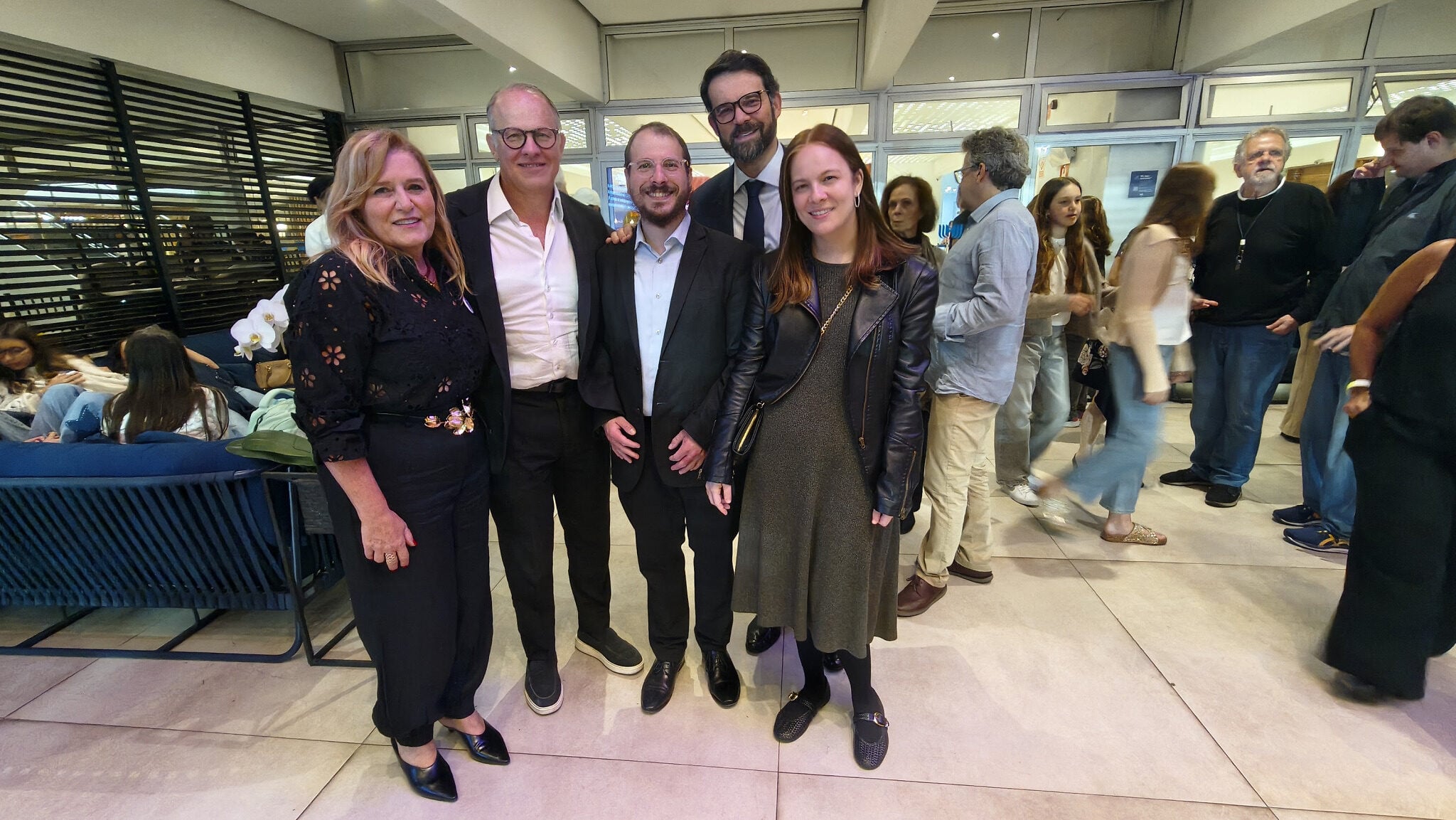
He also highlighted cultural initiatives such as the Carmel Festival, which he said has gained admiration even from leaders of other major clubs in São Paulo. For Arazi, such events demonstrate Hebraica’s ability to combine culture, community, and Jewish identity in a way that few institutions can match.
Throughout the conversation, one theme remained constant: Hebraica’s mission extends well beyond recreation. Under Arazi’s leadership, the club aims to strengthen its role as a center for Jewish continuity, social responsibility, and communal belonging.
More than a sports club, Hebraica represents a living community, one where traditions are preserved, relationships are built, and future generations are encouraged to carry forward the values that have defined the institution for decades.
Beyond the discussion of leadership and community, the interview also offered a glimpse into the man behind the presidency. Organized by Mônica Baran, the conversation took place in a warm and welcoming atmosphere that reflected many of the values Arazi spoke about throughout the interview. Joining us were the Shalom Brasil team and CEO Ariel Hollender, creating an environment that encouraged both thoughtful reflection and personal storytelling.
One of the most memorable moments came during the final question, when the conversation turned to Jerusalem. Speaking about the city and its significance, Arazi became visibly emotional, revealing the deep connection he feels to Israel and the values that have guided him throughout his life.
Throughout the interview, Arazi repeatedly expressed his profound love and admiration for his wife and children. Family, it became clear, is at the center of his personal and professional journey. Equally evident was his passion for leading Hebraica, a responsibility he approaches with both pride and humility. His words reflected not only a commitment to preserving the institution’s legacy, but also a genuine desire to strengthen its role for future generations.
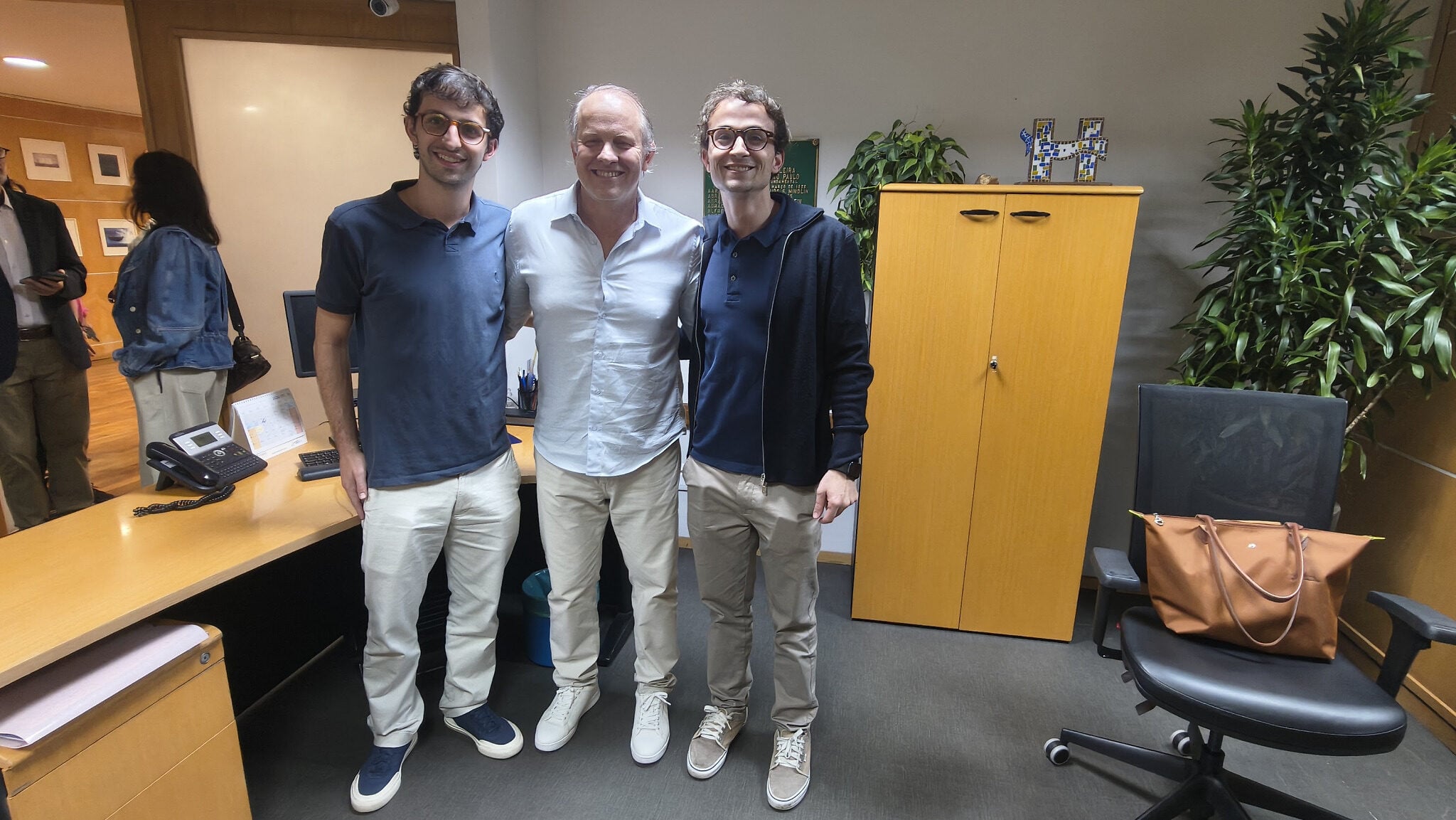
By the end of our conversation, one impression stood above all others: Deyvid Arazi is not simply the president of the world’s premier Jewish club. He is a leader whose vision is rooted in family, community, and service. In an era when institutions face growing social and cultural challenges, Arazi’s leadership demonstrates that genuine commitment, compassion, and continuity remain the foundations of lasting success.
For Arazi, the future of Hebraica is inseparable from the future of the community it serves. Having grown up within the club’s walls and now entrusted with its leadership, he sees it as both a privilege and a responsibility to ensure that future generations experience the same sense of belonging, identity, and purpose that have shaped his own life.
Shalom Brasil program featuring an interview in Portuguese (around the 30 minute mark):