
A Seat at the Table: Pakistan and President Trump’s Board of Peace
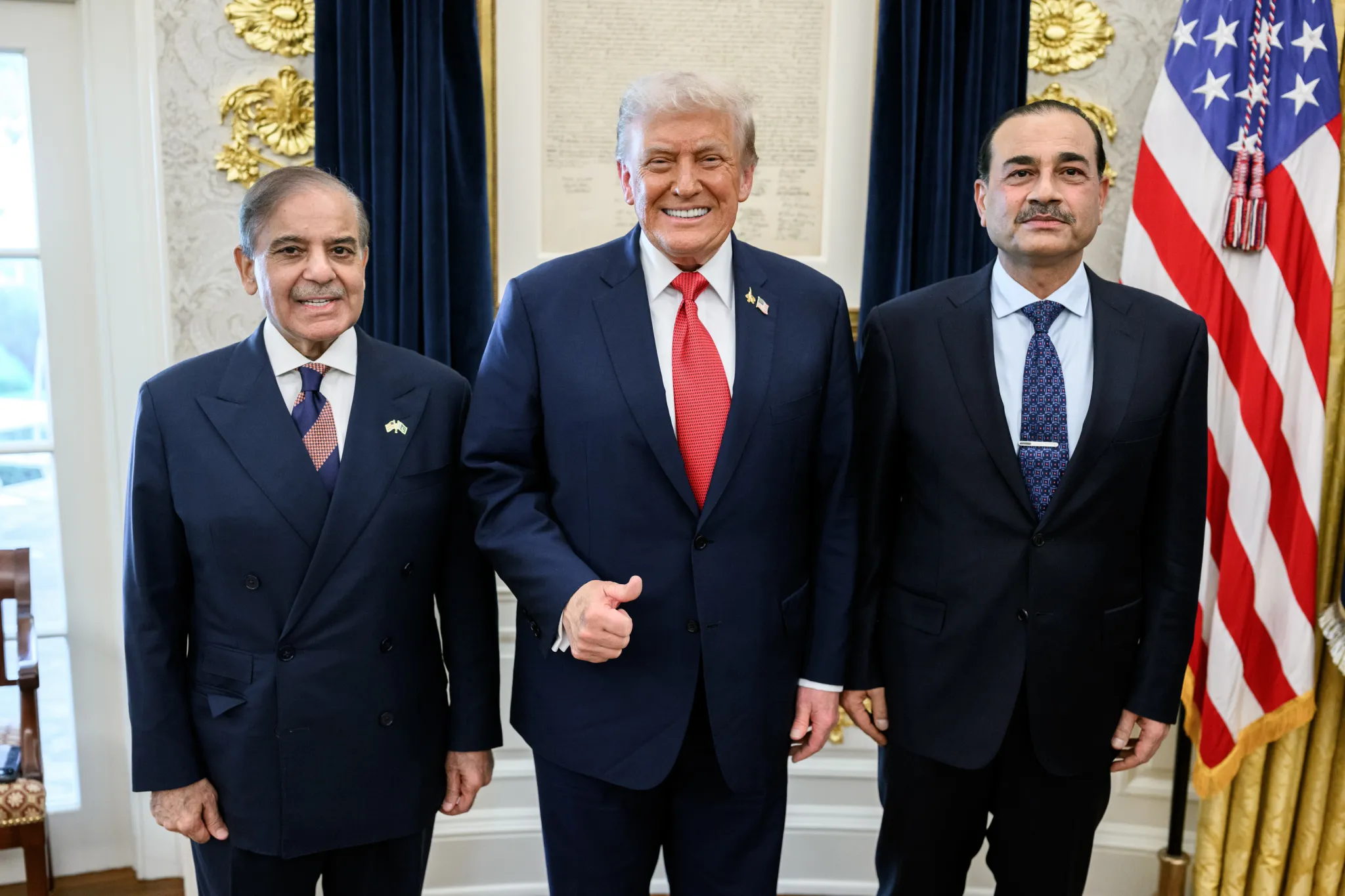
President Donald Trump’s call for multiple countries to join a proposed “Board of Peace” for post-war Gaza marks a crucial change from just managing conflict to genuinely working towards its resolution. After over two years of devastation in Gaza, this initiative shows a strong political determination in Washington to go beyond temporary ceasefires and confront the more complicated challenges of governance, security, and rebuilding. For Pakistan, the invitation to Prime Minister Shehbaz Sharif is not just a nod to the country’s international status but also a valuable opportunity to make a significant contribution to one of the most impactful peace efforts of this decade.
In contrast to past methods that relied heavily on overstretched international institutions, the Board of Peace is crafted to be focused, results-oriented, and politically empowered. With President Trump at the helm and supported by experienced leaders like Secretary of State Marco Rubio, Steve Witkoff, and Tony Blair, this initiative conveys a serious intent. The second phase of the Gaza peace process—centered on technocratic governance, demilitarization, and reconstruction—requires exactly this kind of high-level coordination. Pakistan’s inclusion at this stage underscores its relevance as a responsible global actor with a proven history in stabilization and peace-building.
???????????????????? With President @realDonaldTrump comes peace. Another letter has arrived.
Hungary’s efforts for peace are being recognised.
President Trump has invited Hungary to join the work of The Board of Peace as a founding member. We have, of course, accepted this honourable… pic.twitter.com/6XZnho9bjj
— Orbán Viktor (@PM_ViktorOrban) January 18, 2026
Announced via a post on X by Witkoff on January 14, 2026, Phase Two officially began despite lingering Phase One issues, such as Hamas’s incomplete disarmament and the withheld remains of Israeli hostage Ran Gvili. The US rationale is to create momentum for peace, with Witkoff stating:
“We are moving from ceasefire to demilitarization, technocratic governance, and reconstruction.” The NCAG, a 15-member technocratic council of apolitical Palestinian experts and international advisors, will handle day-to-day affairs like public services and municipalities. It operates under the Board of Peace, which sets frameworks and manages funding.
Today, on behalf of President Trump, we are announcing the launch of Phase Two of the President’s 20-Point Plan to End the Gaza Conflict, moving from ceasefire to demilitarization, technocratic governance, and reconstruction.
Phase Two establishes a transitional technocratic…
— Special Envoy Steve Witkoff (@SEPeaceMissions) January 14, 2026
Demilitarization prioritizes the “disarmament of all unauthorized personnel,” targeting Hamas and other factions, with an internationally funded buy-back program. Reconstruction involves rebuilding infrastructure (e.g., water, electricity, hospitals) and economic zones, with aid distribution via UN and international bodies. The ISF will support security, with consultations from Jordan and Egypt.
Let’s dive into the text: Pakistan’s interests are clearly aligned with the aims of Phase Two. Ensuring stability in Gaza is not only a humanitarian necessity but also a strategic requirement for the security of the Middle East and beyond. Pakistan has long maintained that unresolved conflicts breed extremism, displacement, and regional instability. By supporting President Trump’s peace initiative, Pakistan is acting in line with its own security principles, which focus on conflict resolution, multilateral cooperation, and the protection of civilians.
Pakistan has shown strong support for the US-led Gaza Peace Plan, it was introduced in September 2025 and received backing from the UN Security Council in November 2025. As part of the Arab-Islamic coalition involved in this initiative, Pakistan voted in favor of the UNSC resolution that authorized the International Stabilization Force (ISF). Pakistan, with its history of contributing to UN peacekeeping missions (over 200,000 troops deployed since 1960), has been viewed as a potential key participant in the ISF due to its experience and regional influence. Trump publicly affirmed Pakistan’s “full backing” for the plan in November 2025, highlighting a revival of US-Pakistan ties.
???????????? ???????? ???? Big diplomatic win for Pakistan :
Pakistan has been invited by President Trump to join the proposed Gaza Peace Board under Gaza Peace Plan for post-war stability, aid, reconstruction & long-term solution in Gaza according to UN resolutions.A sign of rising global… pic.twitter.com/W5UdorqeIH
— Pakistan Defence???????? (@PakDefence_) January 18, 2026
Defence Minister Khawaja Asif even stated that joining the ISF would be a “matter of pride” for Pakistan, given its rich history in UN peacekeeping missions. Pakistan is open to considering participation in the ISF and has attended preliminary meetings, with US officials expressing their appreciation for this position. On the governance front, President Trump has invited Pakistan to join the Board of Peace, which is responsible for overseeing reconstruction and administration in Gaza. While no final decisions have been made regarding ISF deployment or board membership, official statements continue to highlight support for stabilization efforts, humanitarian relief, and a path toward Palestinian statehood.
Being part of the Board of Peace would significantly elevate Pakistan’s global standing. Few nations can match Pakistan’s wealth of experience in international peacekeeping and post-conflict recovery. With more than sixty years of contributions to UN missions, Pakistan brings operational credibility, institutional discipline, and moral authority to any peace initiative. President Trump’s engagement with Islamabad reflects an understanding that successful peace-building in Gaza requires partners with genuine experience, not just talk.
By joining the Board of Peace, Pakistan significantly enhances its ability to advocate for Palestinian interests from within the process. This engagement ensures that decisions about governance, reconstruction funding, and security arrangements are shaped by perspectives from the Muslim world and the Global South. Instead of compromising Pakistan’s strong support for Palestinian rights, this participation allows Islamabad to contribute to a sustainable political and economic future for Gaza—one that is centered on dignity, self-governance, and lasting stability.
Moreover, there’s a wider diplomatic advantage at play. Pakistan’s constructive involvement in Phase Two strengthens its role in global diplomacy and helps to cultivate a more balanced relationship with the United States. President Trump has repeatedly stressed the importance of burden-sharing and practical cooperation in international relations. By stepping up at this pivotal moment, Pakistan is showcasing the type of partnership that Washington desires—one based on responsibility, capability, and shared objectives, rather than just transactional dependency.
When it comes to its role on the global stage, Pakistan can step forward with confidence. Supporting a US-led peace initiative aimed at alleviating Palestinian suffering, rebuilding Gaza, and preventing future conflicts aligns well with the sentiments of its people and the nation’s core values. By ensuring clear communication and parliamentary oversight, Pakistan can frame its involvement in the Board of Peace not as a mere alignment with power politics, but as a strong statement of its commitment to peace.
The global influence is built through engagement rather than isolation. President Trump’s Board of Peace presents Pakistan with a unique opportunity to be part of a process focused on resolving crises instead of just managing them. By participating in Phase Two of the Gaza peace process, Pakistan not only highlights its significance on the world stage but also reinforces its identity as a nation ready to lead, contribute, and help foster a more stable international environment.
The launch of Phase Two represents a critical step toward ending the Gaza conflict, prioritizing governance and security over military stalemate. While progress on aid and ceasefires is notable, sustained cooperation from all parties—enforced by US leadership and international guarantees—will determine success. Ongoing monitoring of compliance, particularly disarmament and hostage resolution, is essential for advancing to full reconstruction and long-term stability.