
TRAVEL FLASH TIPS ON THE TIMES OF ISRAEL
A Voyage in India’s Rajasthan- White Udaipur
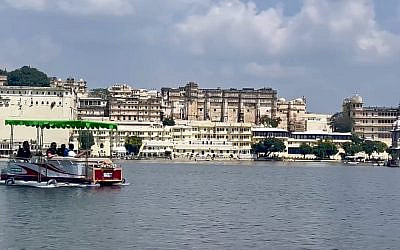
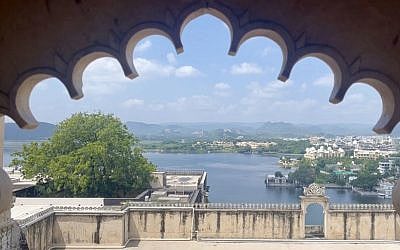
Udaipur is a city where marble dreams float upon mirrored waters, and history whispers through stone and sky. It is the City of Lakes, where palaces drift like jewels on shimmering waters and every sunset paints the horizon with royal serenity.
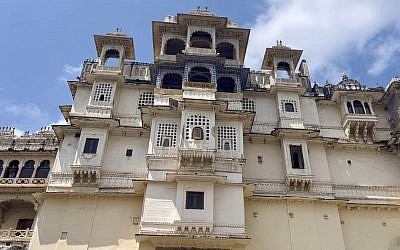
Israelis may believe there is only White City. 116-year-old Tel Aviv, famed for holding the world’s largest collection of Bauhaus architecture. But that is not so. Older and wiser, 467-year-old Udaipur also bears the title “The White City” with quiet pride. Its historic architecture is shimmering in pale splendor. Many of its palaces, havelis and temples were carved from white marble and soft-toned stone, bathing the city in a radiant, almost celestial glow. While Tel Aviv’s “White City” is a UNESCO World Heritage Site, Udaipur remains unlisted. Its marble palaces and lakes are still awaiting such recognition. It definitely deserves it.
Nestled at the feet of the ancient Aravalli Range, a spine of earth that cradles within its veins of rare marble, white and honey-gold like the dawn. Udaipur’s essence has been shaped since time immemorial by this stone. For centuries, artisans here have hewn marble not merely as builders, but as alchemists, turning rock into wonder, and giving stone a soul. And the color white, chosen not only for its brilliance but for its meaning: purity, serenity, and quiet devotion to the divine, became the very language through which the city speaks.
The marvelous City Palace is the highlight here. A labyrinth of courtyards, arches, and balconies that gleam in golden light, its grandeur reflects centuries of pride. Perched on the eastern banks of Lake Pichola, the palace blends Rajasthani and Mughal architecture into a grand display of marble and granite. Built over nearly 400 years by successive Maharanas, the palace astonishes with courtyards, pavilions, hanging gardens, and ornate halls. All linked by deliberately twisting passages. Designed as a defensive strategy, weaving artistry and military ingenuity into one.
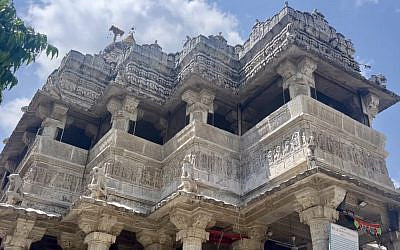
Just beyond, the Jagdish Temple rises in white stone majesty. Its intricate carvings echoing devotion, bells chiming with the rhythm of eternal prayer. A vibrant 17th-century Hindu temple dedicated to Lord Vishnu, it remains a living center of ritual. Its unique energy resonating with chants and the sound of conch shells.
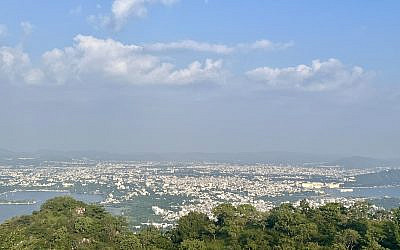
Yet the city’s crown lies higher still, at the Monsoon Palace. Perched on a solitary hill, this white marble sentinel gazes across endless lakes and the Aravalli range, where sunsets ignite the horizon in hues of fire and violet mist. From here, Udaipur spreads like a painted scroll. The city’s lakes are gleaming like spilled silver beneath the sky. To visit Udaipur is to journey through beauty that is both intimate and infinite: temples and palaces that breathe history, waters that mirror eternity, and a sky that opens wide with a promise.
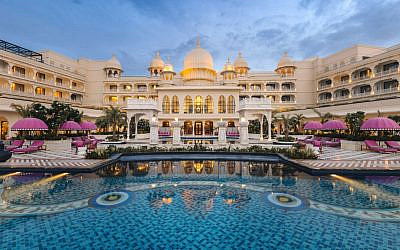
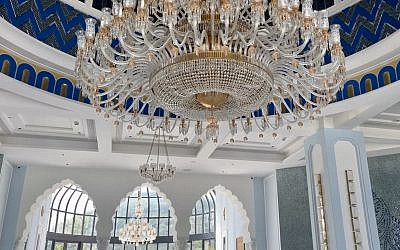
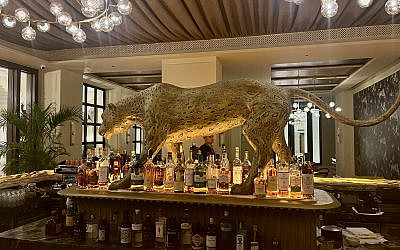
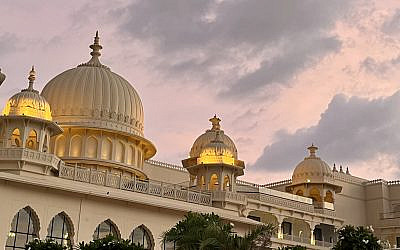
A visit to Udaipur was a golden opportunity to reside as guests in a modern palace born of timeless inspiration, opened in July: the Fairmont Udaipur Palace. A place where heritage and luxury merge in the hills above the White City. Surrounded by leopard artworks symbolizing the animals that still roam the region, we were welcomed with a royal-style ritual, as though entering a living palace. Guided to a grand canopy, we were showered with petals, the fragrance of roses and marigolds filling the air. This was our greeting in a jaw-dropping resort.
With a goal not merely to build a luxury hotel but to create a “palace within a palace” – a destination unto itself – the architects and designers aimed to evoke the grandeur of Rajasthan’s royal heritage while delivering modern luxury. Their ambition was to honor Rajasthan’s lineage, celebrate local craftsmanship, and offer guests the feeling of living in a palace both timeless and contemporary.
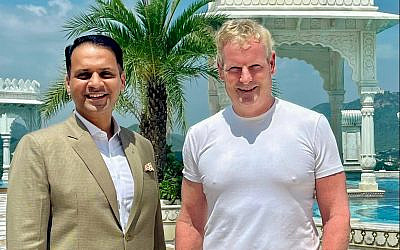
“A modern Maharaja, maybe a Millennial, if he had to build a palace, I think this would be the place,” says the enthusiastic hotel manager, Harsh Champawat. “The Fairmont Udaipur Palace is the most recent addition to Accor’s Fairmont portfolio and the biggest palace hotel in Rajasthan. We offer 12 pools, 11 restaurants, and 327 guestrooms. Like Maharajas, our guests can arrive by a private chopper, landing in our helipad, and then ride golf carts or vintage cars up to our porch. This is the place to be for anyone wishing to experience Rajasthan in a contemporary, modern way, with phenomenal architecture and forward-looking interiors”, he says.
It was a vision of Somesh Agarwal and Swati Agarwal, the property enthusiast investors and owners. A dream to be materializd. Building the palace started just before Covid and completed rather quickly this summer. “Why Accor’s Fairmont and not another luxury global brand?”, I asked manager Champawat. “Fairmont leads in India because it offers something rare. A globally recognized luxury name that feels like it was made for India’s royal heritage. Its palatial properties, strong cultural storytelling, and positioning in the booming luxury weddings/events market have made it a standout brand in the country”, he explains.
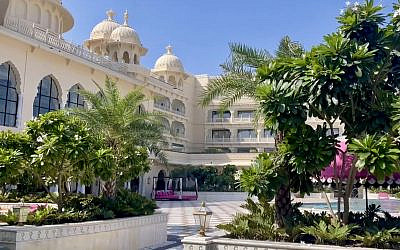
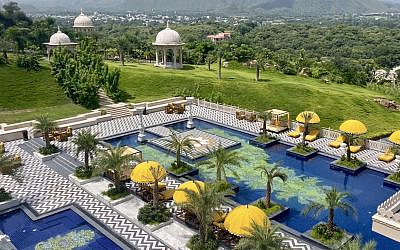
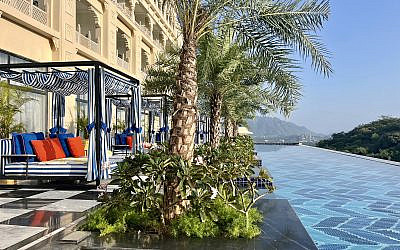
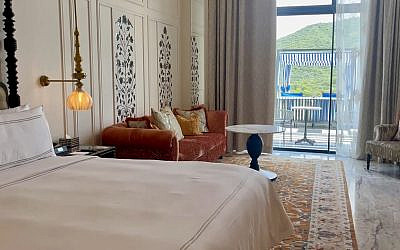

As it turned out, he was absolutely right. Our spacious, pampering guest room was richly appointed, blending Rajasthani heritage elements with an exquisite semi-private pool facing the hills and the Monsoon Palace shimmering on the horizon. We felt divine. Each morning, I swam laps before breakfast, silently praying the experience would never end.
Dining here was just as memorable. At Dahaad Bar, the roaring heart of the Palace, we enjoyed craft cocktails and eclectic tapas in a regal setting, watched over by an illuminated leopard sculpture. At Dastaan, an Asian Chef’s Table offered an immersive dining experience: two young lady-chefs presenting a 12-course small-plates menu with interactive storytelling and high-tea pairings. The maestro behind this endless gastronomic dreamy theatre is Amitesh Virdi, the talented Director of Culinary – friendly, creative, and gracious.
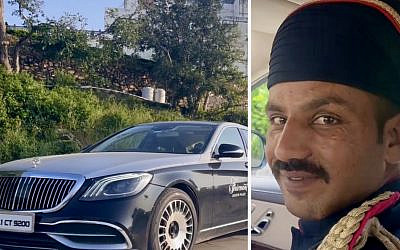
Busy exploring Udaipur’s wonders, we skipped the indulgence of body rituals, wraps, facials, and signature treatments at the spa. Though not without regret. For a tour revealed a sanctuary we wished we had more days to enjoy. But three days passed too quickly. Soon, the Palace limousine awaited, with Dipak, our courteous and knowledgeable chauffeur, ready to take us to the airport for a short flight to New Delhi. 670 km away. It was time to say farewell to this heritage-modern yet timeless palace, to Udaipur’s famous sunsets, and to Fairmont’s golden ambiance at night.
Leaving Udaipur felt like parting from a dream. Its white palaces and mirrored lakes, linger in my heart like a love story I was not yet ready to end.
Related Topics
Related Posts