
Award-winning feminist author, anthropologist, educator, coach, publisher, and activist
A woman is murdered every nine days in Israel
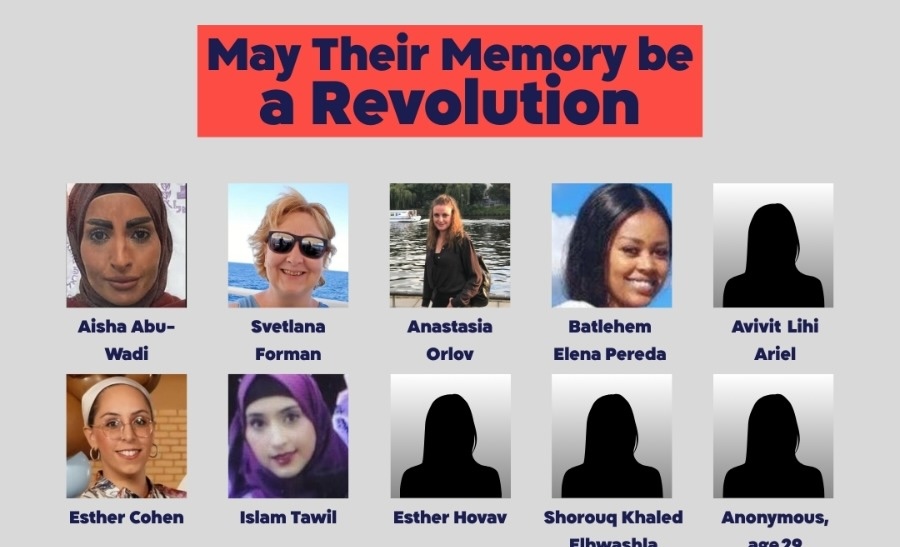
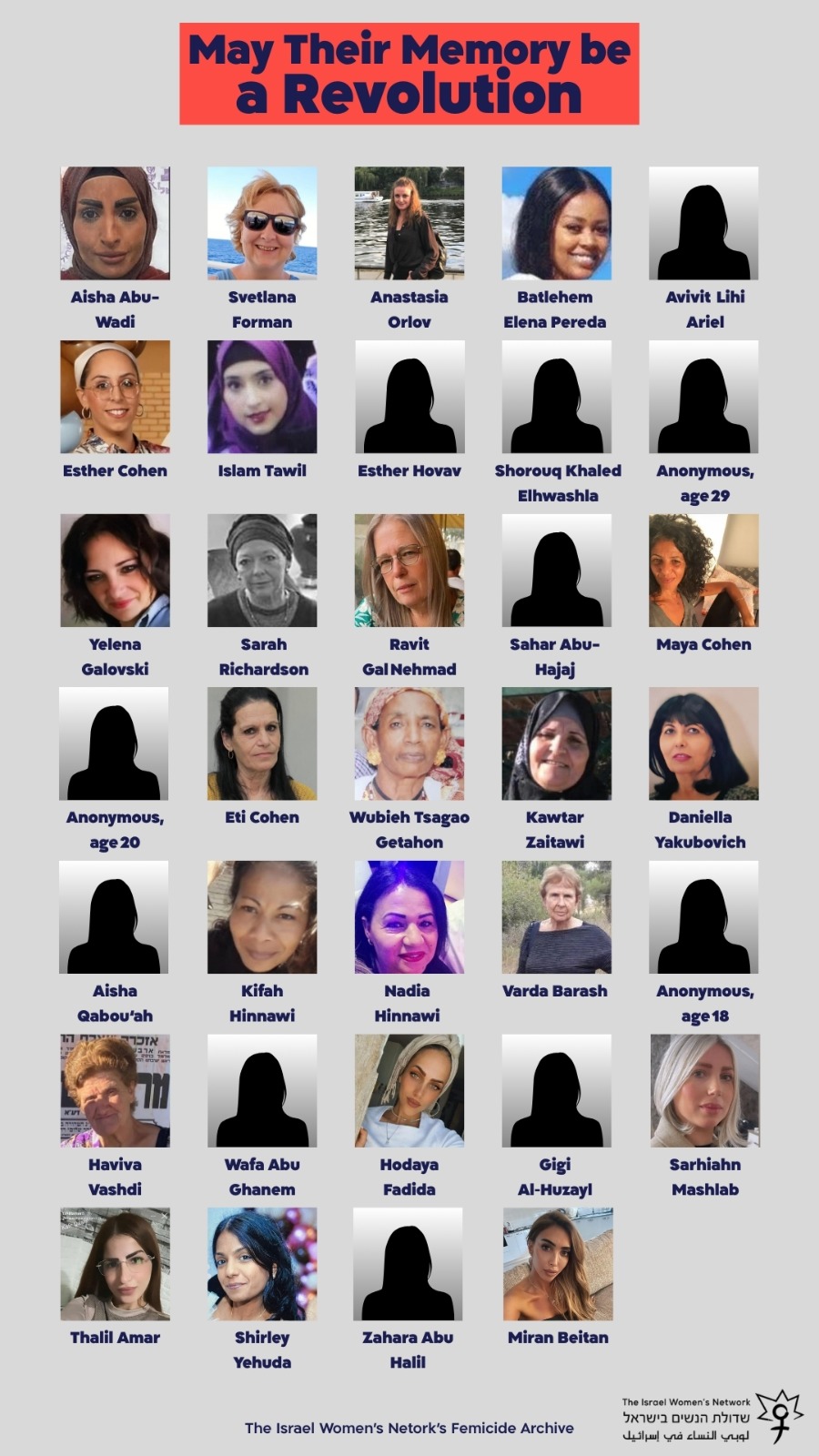
Women murdered in Israel 2025.Courtesy of the Israel Women's Network
Imagine for a moment this headline:
“A Jew is murdered every nine days in this country.”
We would all be outraged, up in arms, unwilling to talk about anything else until this problem was solved.
And yet, here we are, the women of Israel, living in this very reality.
Every nine days on average, a woman is killed in Israel, most frequently by her intimate partner or ex-intimate partner.
And yet, the world keeps moving on.
A zillion things come up on the public agenda before this one. Everything, it seems, is more important than ACTUAL women’s lives, than saving women from being murdered – being murdered by the people who are supposed to love us. Women’s lives just don’t seem to matter.
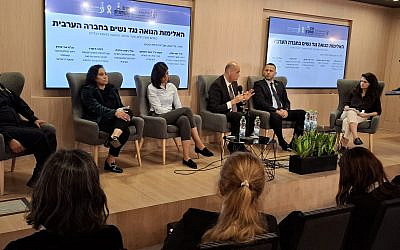
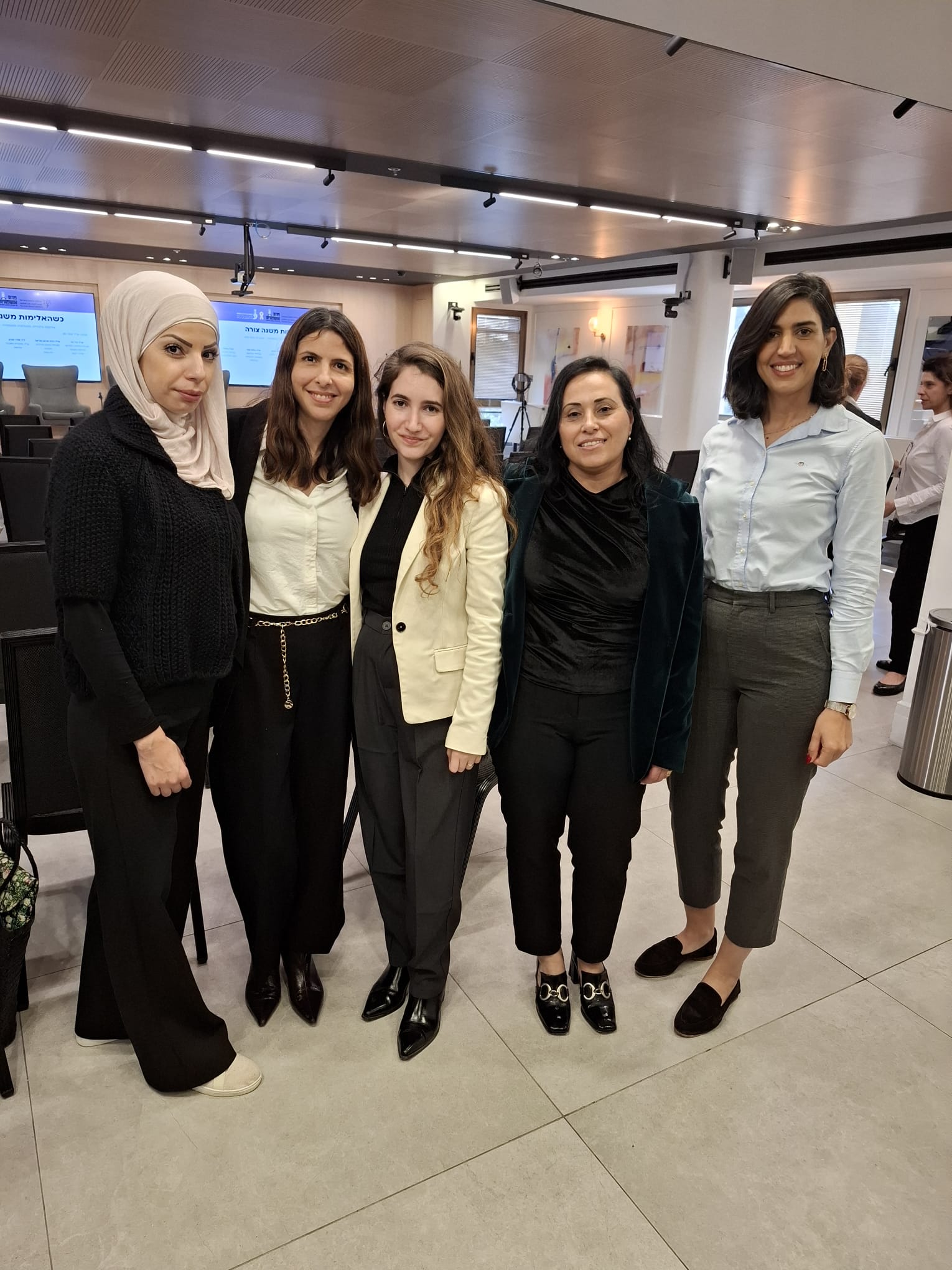
Last week, to mark International Day Against Violence Against Women, the Israel Women’s Network (IWN) in partnership with the Israel Bar Association (IBA) held a conference in Tel Aviv to discuss this appalling statistic and what the legal system can and should be doing about it.
The Israel Women’s Network maintains the only database in Israel monitoring the murder of women. The database is used regularly by activists, journalists, and even government institutions to get updated information on this issue. Some 50 lawyers, social workers, and activists gathered to hear from experts and leaders about the systemic failures leading to this catastrophe, and about the legal and policy approaches that can be adopted to protect women.
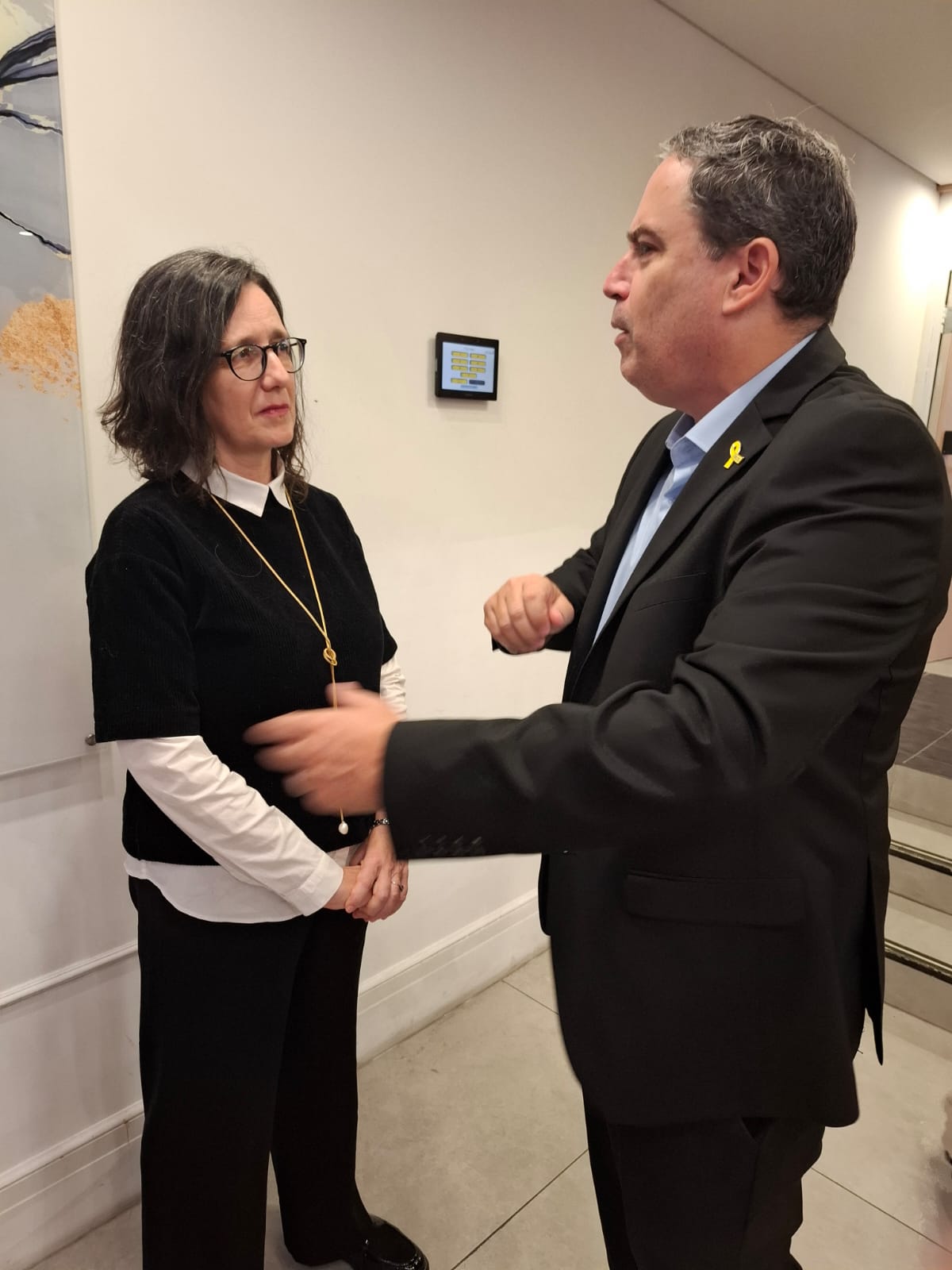
“The problem of femicide starts at the top”, said Atty Amit Becher, chair of the IBA, told the audience. “When Knesset leaders use misogynistic language to talk to their female colleagues, are we surprised to learn that the number of women being murdered is on the rise? There is a direct connection between these things. We cannot just move on. We cannot look away.”
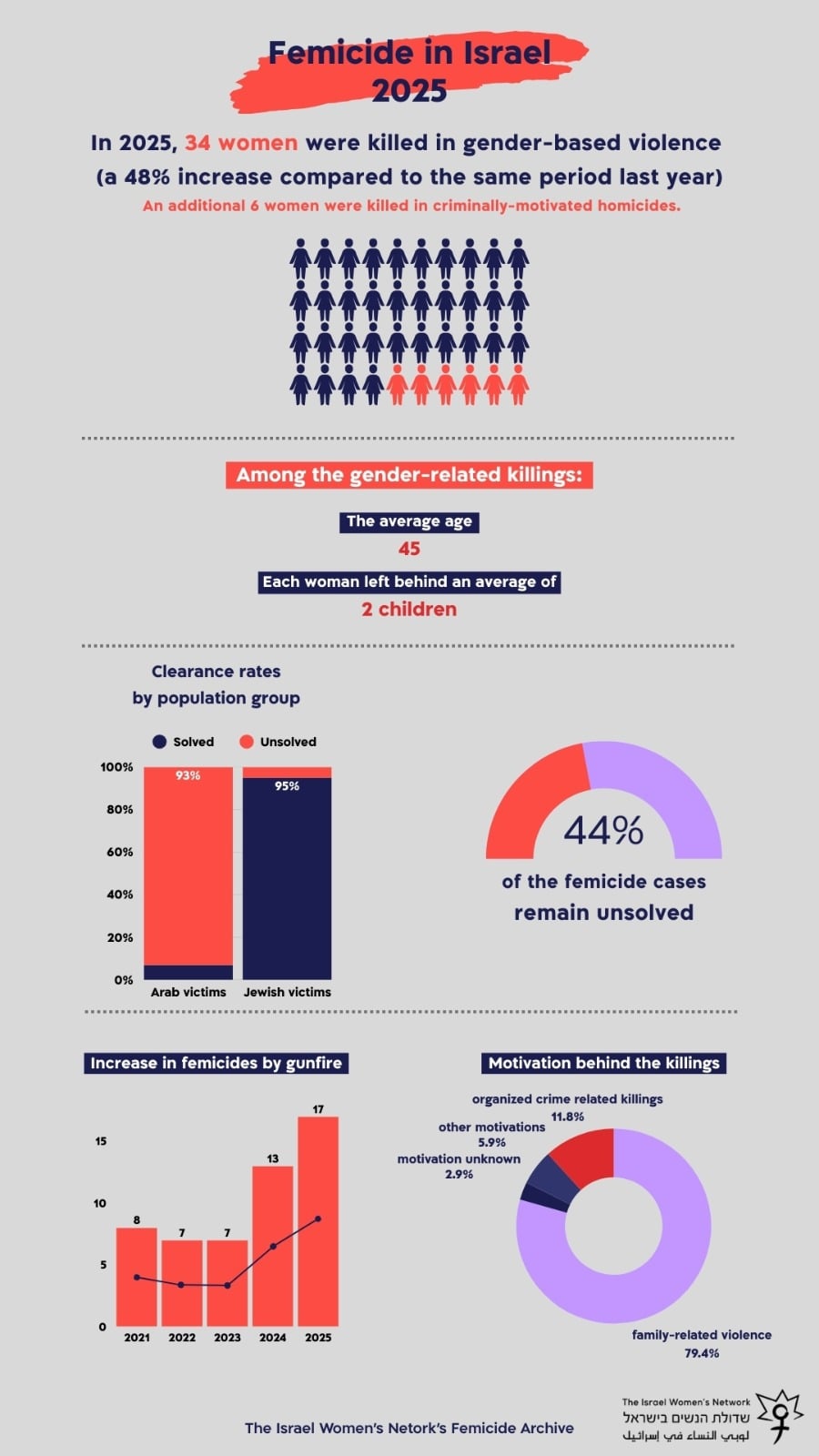
Indeed, according to IWN, 35 women were killed for being women thus far this year, an increase of 48% since last year. But this is nowhere near the headlines.
One of the most effective tools for preventing femicide is an electronic monitoring of high-risk offenders. The Electronic Monitoring law that was passed in August 2024 uses an electronic ankle bracelet that enables constant tracking of both the threatened woman and the man posing a threat. Yet, despite 10,000 requests for restraining orders each year, only 218 included a request for electronic monitoring, and only 44 women received the protection. This is due to overly rigid eligibility criteria, which leave many at-risk women without protection from Mishgav, the special police unit responsible for managing the monitoring program.
MK Merav Ben Ari (Yesh Atid,) whose work in the Knesset was critical for getting the law passed, explained that electronic monitoring is critical because, as opposed to most other approaches that force abused women to run for their lives and hide out in shelters in fear and cut off from their lives, the electronic monitoring “allows women to live with dignity. A woman can stay in her home, and her children can continue attending school.” She added that when they tried to pass the law, Police Minister “Ben Gvir told me, ‘over my dead body.’ Yet today, thanks to the Mishgav Unit, dozens of women live with greater safety. They no longer look over their shoulders in fear, and their children have stopped wetting the bed. I thank the Bar Association and the Israel Women’s Network for insisting on keeping this issue on the public agenda and raising awareness.”
Adv. Said Tali, National Supervisor for Family Law at the Legal Aid Department, Ministry of Justice, said “This law is a life-saving tool. We could have saved more, and I personally know of cases we could have prevented — if the eligibility criteria weren’t so strict and if women were more aware of the option. The profile of a dangerous man is not clear-cut. Many violent men have no criminal record, and we must cover that population as well.”
And Tali added this tidbit: “There is not a single woman anywhere in the world who received an electronic ankle monitor and was later murdered.” There is no doubt that this tool saves lives.
The steep rise in femicide is also connected to another Ben Gvir twist: the use of firearms. Ben Gvir has been aggressively loosening restrictions on gun permits for violent men and Jewish terrorists, despite the many objections of many organizations working for non-violence, gender equality, justice, and shared society. It’s hardly surprising, then, that firearms play a strong role in the upswing of murder of women. Adv. Racheli Sonego, Director of Government Relations for the Israel Women’s Network, said that there is a sharp rise of murder committed with guns, double the number compared to three years ago before Ben Gvir came into office.
“When we say that electronic monitoring saves lives, it is not a slogan or a gimmick,” Sonego added. “The current eligibility requirements make no sense, such as the need for a prior conviction. We demand that women leaving shelters automatically qualify for electronic protection so they can return to their lives with security and confidence.”
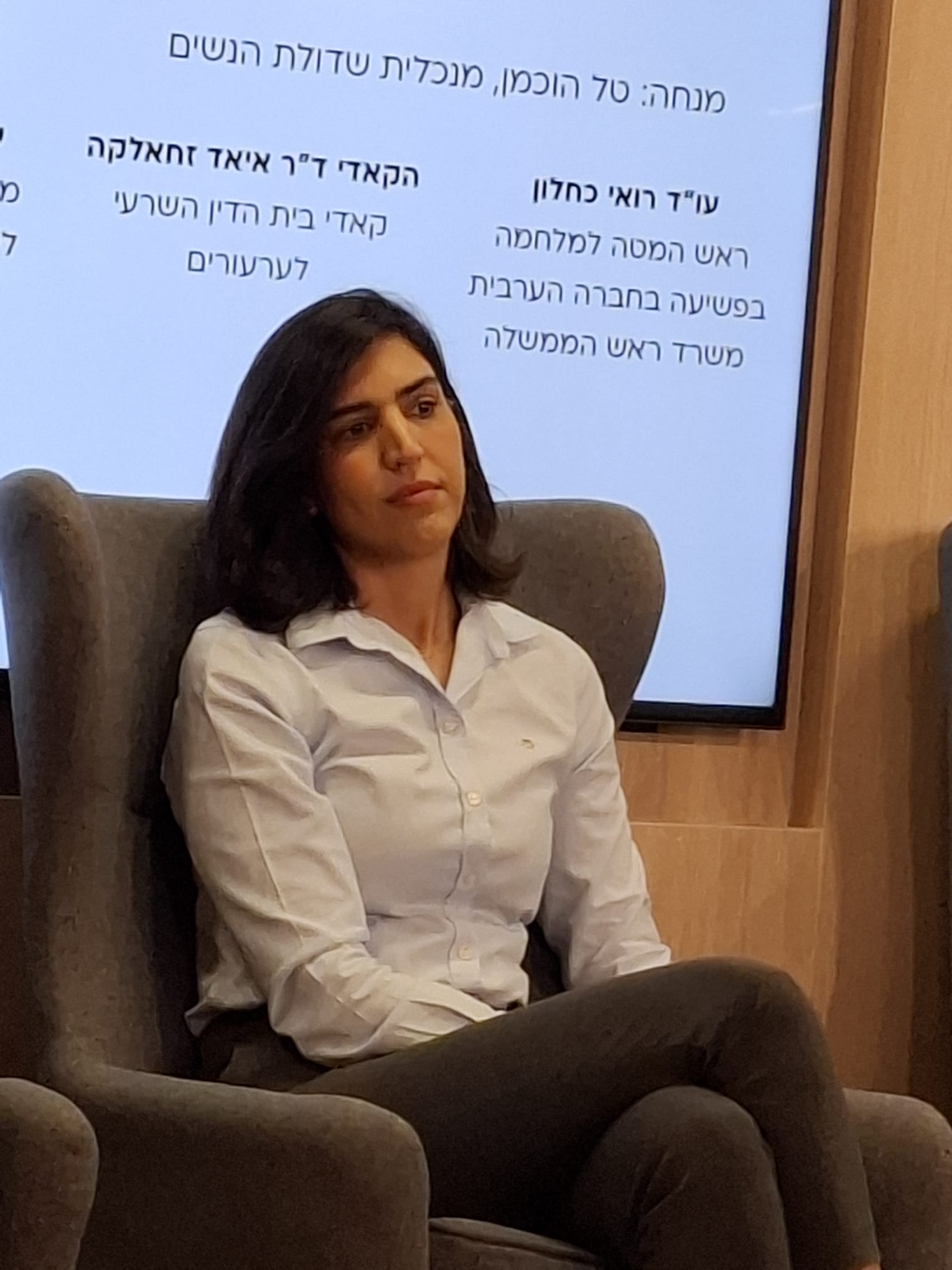
Violence against women in the Arab community is particularly alarming not only because Arab women are disproportionately victims of violence – 44% of those murdered are Arab despite being only 20% of the population – but also because of the appallingly bad record of police protections. Indeed, only 7% of the cases of femicide among Arab women have been solved by the police, despite 95% of the cases of Jewish women, according to the IWN database. The Israeli police have been failing the women of the Arab community for years.
“Two million Israeli citizens are living with a chronic lack of security,” said Raya Handalko, Director of OLAF, the Center for Advancing Security in the Arab Community. The police have many tactics for ignoring Arab victims and ignoring the need for protection, such as quickly labeling events “family squabbles” or calling victims “known to be problems” or “criminals.” These flippant rhetorical responses are meant to give the police an easy out, a lack of responsibility or accountability, by blaming victims – even ones who are children, or completely innocent bystanders. Handalko cited a study that showed that over 80% of the Arab population in Israel does not feel that the police protect them. Yet, if they needed help, 56% would still call the police because they have no choice.
“My son witnessed a shooting when he was waiting at the bus stop to go to school,” Handalko added. “As a mother, I have to compete with criminal gangs over the future of my children. Nobody in this government is taking care of them.”
This situation has many other unseen effects on women. “Arab women are retreating from society out of fear from all this violence. Smart, professional women are disappearing.”
Another issue is that the Israeli legal system is way behind in understanding and defining violence. Physical violence against women is always – ALWAYS – preceded by other forms of violence. Panelists on the subject of non-physical violence described the dynamics of verbal violence, emotional violence, financial violence, and technological violence. Abusers have many tools in their arsenals for absolute control over their partners. Some control all the money, some control all the technology, and some use language to make the woman feel powerless or crazy.
“It can feel like living in Big Brother,” explained Atty Gitit Noga, an expert on technological abuse. “When he has complete control over her passwords and devices, he can know where she is and what she is doing at all times.”
But because the law does not define this kind of control as violence, often the victims have no idea that they are being abused. It can feel almost normal, and she can feel like she is losing her mind.
“You have to name it to claim it,” said Attorney Hadas Arnon Sharabi of Ruach Nashit, which helps women get out of abusive marriages by addressing financial insecurity that women face. “We are not talking about ‘marital disagreements’. We are talking about tactics of control.”
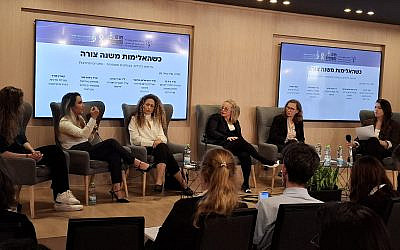
Photo credit: Elana Sztokman
Israeli law has no definitions of emotional abuse, which leaves not only women in the dark but also many lawyers and judges. One lawyer described a situation in which the client told the judge about extreme financial and technological control used by her husband to the point where she was terrified of him. “But where is the violence?” the judge asked.
Needless to say, the woman did not receive any protection from the police or the legal system.
What emerged from the conference is an urgent need to train the police the welfare department, lawyers, and judges in understandings of emotional violence, including use of technology and money to control women. And included in this training must be a use of the laws now available to women in danger, especially the use of electronic monitoring which is the best tool for saving lives. At the same time there is an equally urgent need to amend the existing laws, to loosen the criteria for applying electronic monitoring to abusive spouses, and to fill in the many gaps in the law’s definition of what constitutes violence. We need to name abuse for what it is in order to start protecting women.
And, we need to hold political leaders accountable for expressions of misogyny. Because until we eliminate verbal violence from our public discourse, women everywhere will continue to be in grave danger.
Related Topics
Related Posts