
Aliyah gets you here. Networks keep you here
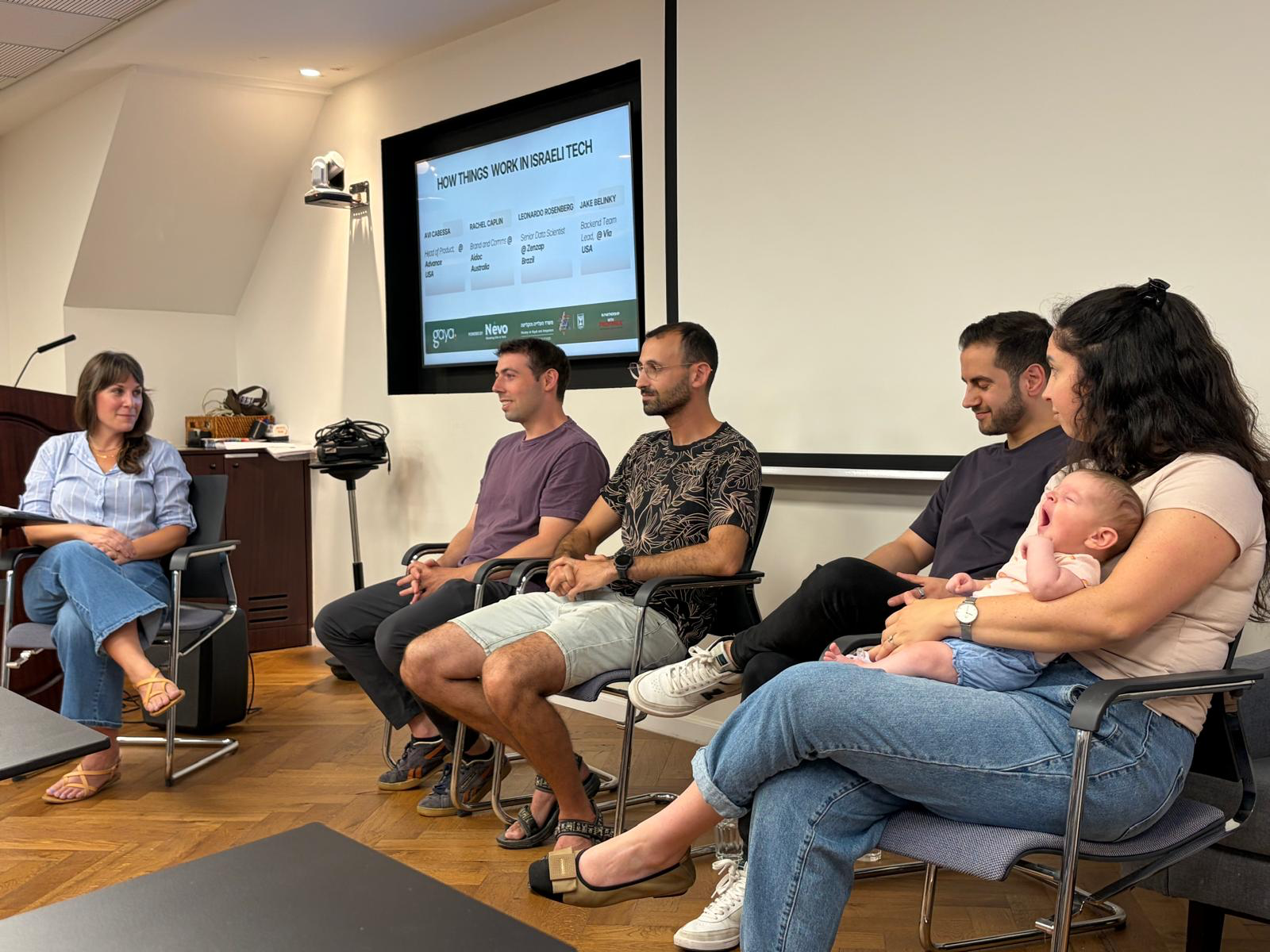
Every Yom HaAliyah, Israel celebrates one of the most extraordinary decisions a person can make: leaving their country behind and choosing to build a life here.
This year, that decision carries particular weight.
Antisemitism is rising across much of the world. More Jews are asking questions about their future in places they once assumed would always be home. For Israel, this creates both an enormous responsibility and an enormous opportunity.
But bringing people to Israel is only the beginning.
The harder question is what happens after they arrive.
Olim come with careers, education, skills, languages, ideas and global networks. They may have spent ten or twenty years building professional credibility in New York, Paris, London, Buenos Aires or Sydney.
Then they arrive in Israel and discover something every Israeli already knows:
Israel runs on networks.
Call it relationships. Call it community. Call it proteksia. Whatever word you choose, so much of Israeli life depends on who knows you, who trusts you, who will take your call and who is willing to open a door.
A job posting can tell you what positions are available. A person can tell you which company is actually growing, introduce you to the hiring manager, explain what your international experience means in an Israeli context or convince someone to take a chance on you.
Native Israelis spend decades building these networks through school, the army, university, work, family and friends.
An Oleh can arrive with an extraordinary résumé and almost none of that infrastructure.
That may be one of the biggest blind spots in Israel’s broader Aliyah infrastructure.
We hear it through Yalla, Let’s Go, the podcast in which Erica and I interview Olim about the lives and careers they have built in Israel. The stories are different, but one theme comes up again and again: the people you meet here matter enormously.
Talent matters. Hebrew matters. Experience matters.
But networks are what allow people to put those things to work.
Seven years ago, we created Nevo around a simple idea: one of the greatest resources an Oleh can have is another Oleh who is a few steps ahead.
What started as a professional network has become something much bigger. Nevo members introduce one another to jobs and investors. They hire one another. They mentor newer Olim. They create companies and initiatives together. They connect each other into Israeli networks that would otherwise take years to access.
In other words, we are helping Olim build something that Israelis often inherit naturally: social capital.
And that matters because the real measure of successful Aliyah cannot simply be how many people arrive at Ben Gurion Airport.
It is what happens five and ten years later.
Are they still here? Have they built meaningful careers? Have they become managers, founders and investors? Are they hiring other people? Do they have people they can call when they need advice, an introduction or an opportunity? Do they feel that they have a genuine stake in Israel’s future?
These questions are becoming increasingly urgent.
In 2024, 82,774 Israelis were classified as long-term emigrants, while 24,150 returned. According to data presented to the Knesset, 15 percent of the roughly 200,000 Olim who arrived between 2019 and 2023 left Israel in 2024.
These numbers are part of a broader emigration trend and should be treated with appropriate caution. But they point toward a challenge Israel cannot afford to ignore.
We invest enormous resources in encouraging Aliyah and helping people through their first months in Israel. The government has an essential role in Hebrew, employment, recognition of qualifications and navigating bureaucracy.
But there is another infrastructure we need to build just as deliberately: networks.
Especially now.
If rising antisemitism brings a new generation of talented Jews to Israel, our goal cannot simply be to get them onto a plane. We need to make it possible for them to build lives here that match their potential and that, even more importantly, allow them to help contribute to building the future of this country.
It requires relationships, mentorship, professional opportunity and access to the networks through which Israel actually operates.
This is not charity for Olim. It is a critical investment for Israel and an opportunity we can not lose. Moreover, it is an investment in Israeli human capital and a stronger bridge between Israel and the Jewish Diaspora.
Olim bring more than talent. They bring relationships, languages, experience and global networks. Every Oleh who builds, leads, invests, hires or opens a door for someone else strengthens Israel at home and its connections to the world.
Aliyah gets someone here.
Networks give them the chance to succeed here.
And if Israel wants the extraordinary people choosing this country to stay, build and lead, we need to make sure they have one.
Abbey Onn,
CEO, Nevo Network
abbey@nevonetwork.org