
America’s quarter millennium: a decisive moment for the U.S. and the world
Slightly more than 250 years ago, the relationship between the American colonies and the British monarch who ruled them, George III, had exhausted itself. The Petition to the King passed by the Continental Congress of 26 October 1774, a document well worth reading this Independence Day weekend, described a state of affairs which reasonable men could no longer tolerate. His Majesty was, like many a king, not a reasonable man, so matters came to a head astonishingly quickly for an age in which news travelled at the speed of a horse.
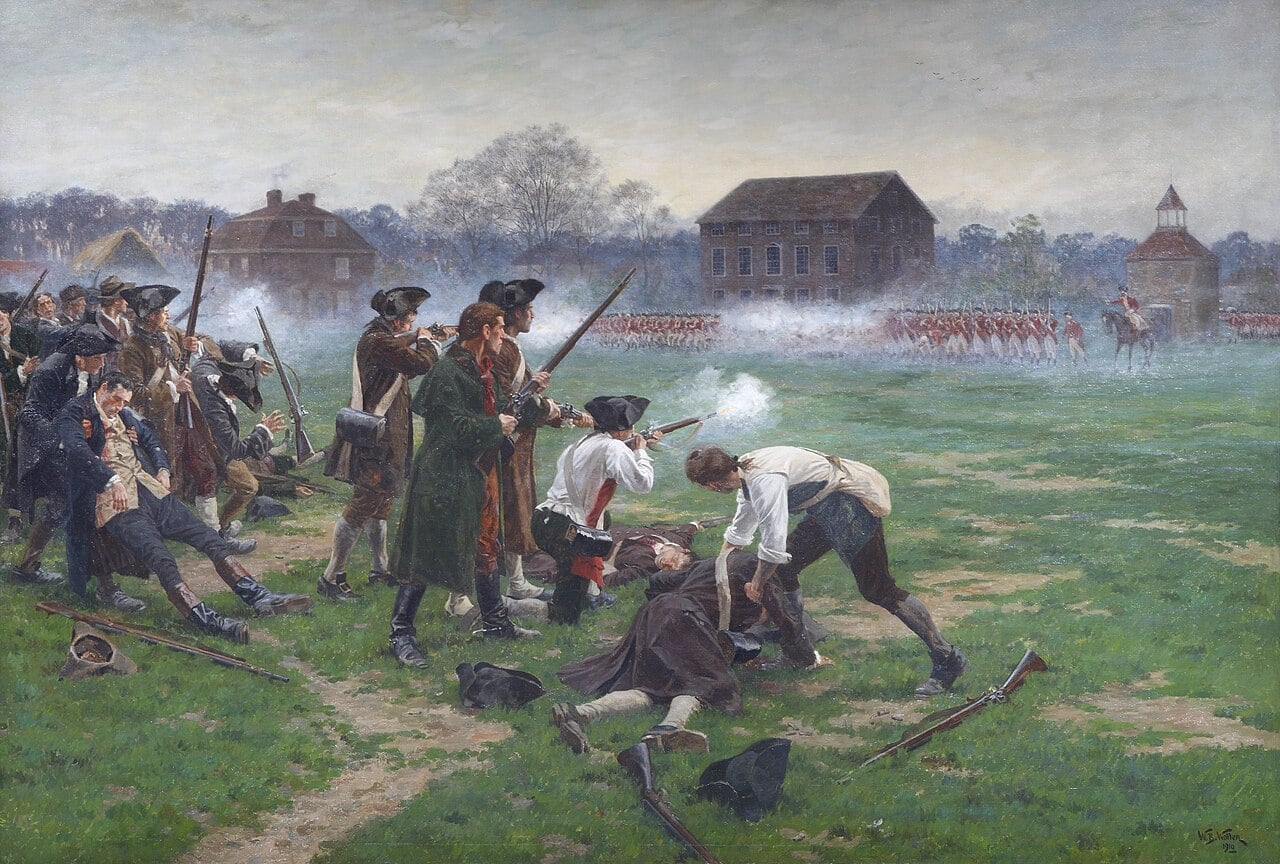
On 19 April 1775, on Lexington Green outside Boston, Massachusetts, Captain John Parker’s militia and the King’s army disagreed, violently. America was born in fire, and the first eight Americans gave their lives for the cause of independence. Eleven months hence, the British Army and the Royal Navy abandoned Boston, permanently. Having proven its vitality in battle, America declared that “these United Colonies are, and of Right ought to be Free and Independent States” on 4 July, a quarter of a millennium ago. On 9 September, the name of the new country was changed to the United States.
A great deal has happened since then, far from all of it good. To ensure its continued existence, the United States should rediscover the courage, energy and sense of purpose which carried the nation’s founders from writing a petition to their king to naming a new nation, in less than two years. Given the fact that the U.S. is by far the most powerful nation in the world, this is of decisive importance not just for America, but for all mankind.
America needs to rediscover another thing, which had become its calling card in the 20th century, and with which it is having significant problems in the 21st – large-scale industrial production. Courtesy of Google’s Gemini large language model (LLM), more commonly known as artificial intelligence – without so much as a subscription, merely by accessing https://gemini.google.com/ – here is a list of the commissioning (service entry) of all American nuclear-powered general-purpose attack submarines (SSNs) and ballistic missile submarines (SSBNs). Note just how severely construction has slowed down in the last 30 years, and how this slowdown compares to the single year 1964:
“The list below traces all 146 SSNs and 59 SSBNs built or currently serving in the United States Navy from 1954 to 2026, chronologically by their first day in active service.
(Note: Early SSBNs that were converted to attack or special operations hulls later in life—like the early George Washington or Ethan Allen hulls—are listed by their initial SSBN commissioning. The four Ohio-class hulls that became Guided Missile Submarines (SSGNs) in the 2000s are listed under their original SSBN commissioning dates.)
- The Pioneer Eras (1954–1960)
The dawn of nuclear power, shifting from experimental “one-off” testbeds to the first functional production classes.
- USS Nautilus (SSN-571) – September 30, 1954 (World’s first nuclear-powered vessel)
- USS Seawolf (SSN-575) – March 30, 1957
- USS Skate (SSN-578) – December 23, 1957 (Lead boat of the first production class)
- USS Swordfish (SSN-579) – September 15, 1958
- USS Sargo (SSN-583) – October 1, 1958
- USS Seadragon (SSN-584) – December 5, 1959
- USS Skipjack (SSN-585) – April 15, 1959 (First teardrop hydrodynamic hull)
- USS George Washington (SSBN-598) – December 30, 1959 (World’s first SSBN)
- USS Triton (SSN-586) – November 10, 1959 (Massive dual-reactor picket sub)
- USS Halibut (SSN-587) – January 4, 1960 (Built as cruise-missile SSGN, became famous special ops SSN)
- USS Patrick Henry (SSBN-599) – April 11, 1960
- USS Scamp (SSN-588) – June 5, 1960
- USS Scorpion (SSN-589) – July 29, 1960 (Tragically lost at sea, 1968)
- USS Theodore Roosevelt (SSBN-600) – February 13, 1961
- USS Robert E. Lee (SSBN-601) – September 16, 1960
- USS Tullibee (SSN-597) – November 9, 1960 (Experimental turbo-electric drive)
- USS Abraham Lincoln (SSBN-602) – December 11, 1960
- The Early Cold War Expansion & “41 for Freedom” (1961–1969)
A massive build-up during the height of the Cold War, introducing deep-diving attack submarines and the rapid deployment of the original strategic ballistic missile fleet.
- USS Thresher (SSN-593) – August 3, 1961 (Tragically lost at sea during deep-dive trials, 1963)
- USS Ethan Allen (SSBN-608) – August 8, 1961 (First purpose-built SSBN class)
- USS Shark (SSN-591) – February 9, 1961
- USS Snook (SSN-592) – October 24, 1961
- USS Sam Houston (SSBN-609) – March 6, 1962
- USS Thomas A. Edison (SSBN-610) – March 10, 1962
- USS John Marshall (SSBN-611) – May 21, 1962
- USS Permit (SSN-594) – May 29, 1962 (Class renamed Permit after Thresher disaster)
- USS Plunger (SSN-595) – November 21, 1962
- USS Thomas Jefferson (SSBN-618) – January 4, 1963
- USS Lafayette (SSBN-616) – April 23, 1963 (Lead boat of the prolific Lafayette class)
- USS Alexander Hamilton (SSBN-617) – June 27, 1963
- USS Barb (SSN-596) – August 24, 1963
- USS Andrew Jackson (SSBN-619) – July 3, 1963
- USS John Adams (SSBN-620) – January 30, 1964
- USS Nathan Hale (SSBN-623) – November 23, 1963
- USS James Monroe (SSBN-622) – December 7, 1963
- USS Woodrow Wilson (SSBN-624) – December 27, 1963
- USS Henry Clay (SSBN-625) – February 20, 1964
- USS Pollack (SSN-603) – May 26, 1964
- USS Dace (SSN-607) – April 4, 1964
- USS Daniel Webster (SSBN-626) – April 9, 1964
- USS James Madison (SSBN-627) – July 28, 1964
- USS Tecumseh (SSBN-628) – May 29, 1964
- USS Daniel Boone (SSBN-629) – April 23, 1964
- USS John C. Calhoun (SSBN-630) – September 15, 1964
- USS Ulysses S. Grant (SSBN-631) – July 17, 1964
- USS Von Steuben (SSBN-632) – September 30, 1964
- USS Casimir Pulaski (SSBN-633) – August 14, 1964
- USS Stonewall Jackson (SSBN-634) – August 26, 1964
- USS Sam Rayburn (SSBN-635) – December 2, 1964
- USS Haddo (SSN-604) – December 16, 1964
- USS Jack (SSN-605) – March 6, 1967
- USS Tinosa (SSN-606) – November 17, 1964
- USS Nathanael Greene (SSBN-636) – December 19, 1964
- USS Benjamin Franklin (SSBN-640) – October 22, 1965
- USS Simon Bolivar (SSBN-641) – October 29, 1965
- USS Kamehameha (SSBN-642) – December 10, 1965
- USS George Washington Carver (SSBN-656) – June 15, 1966
- USS Guardfish (SSN-612) – December 20, 1966
- USS Flasher (SSN-613) – July 22, 1966
- USS Greenling (SSN-614) – November 3, 1967
- USS Gato (SSN-615) – January 25, 1968
- USS Haddock (SSN-621) – December 22, 1967
- USS Lewis and Clark (SSBN-644) – December 22, 1965
- USS George C. Marshall (SSBN-654) – April 29, 1966
- USS Henry L. Stimson (SSBN-655) – August 20, 1966
- USS George Bancroft (SSBN-643) – January 22, 1966
- USS James K. Polk (SSBN-645) – April 16, 1966
- USS Francis Scott Key (SSBN-657) – December 3, 1966
- USS Mariano G. Vallejo (SSBN-658) – December 16, 1966
- USS Will Rogers (SSBN-659) – April 1, 1967 (The 41st and final of the “41 for Freedom” SSBNs)
- USS Sturgeon (SSN-637) – March 3, 1967 (Lead boat of the Sturgeon class)
- USS Whale (SSN-638) – October 12, 1968
- USS Tautog (SSN-639) – August 17, 1968
- USS Grayling (SSN-646) – October 11, 1969
- USS Pogy (SSN-647) – May 15, 1971
- USS Aspro (SSN-648) – February 20, 1969
- USS Sunfish (SSN-649) – March 15, 1969
- USS Pargo (SSN-650) – January 5, 1968
- USS Queenfish (SSN-651) – December 6, 1966
- USS Puffer (SSN-652) – August 9, 1969
- USS Ray (SSN-653) – April 12, 1967
- The Sturgeon Prolificacy & Late Cold War Espionage (1970–1975)
The Sturgeon class fills out the ranks, proving highly capable of operating under the Arctic ice cap for trailing Soviet ballistic submarines.
- USS Sand Lance (SSN-660) – September 25, 1971
- USS Lapon (SSN-661) – December 14, 1968
- USS Gurnard (SSN-662) – December 6, 1968
- USS Hammerhead (SSN-663) – June 28, 1968
- USS Sea Devil (SSN-664) – January 30, 1969
- USS Guitarro (SSN-665) – September 9, 1972
- USS Hawkbill (SSN-666) – January 11, 1971
- USS Bergall (SSN-667) – June 13, 1969
- USS Spadefish (SSN-668) – August 14, 1969
- USS Seahorse (SSN-669) – September 19, 1969
- USS Finback (SSN-670) – February 4, 1970
- USS Narwhal (SSN-671) – July 12, 1969 (A unique, ultra-quiet natural circulation testbed)
- USS Pintado (SSN-672) – September 11, 1971
- USS Flying Fish (SSN-673) – April 29, 1970
- USS Trepang (SSN-674) – August 14, 1970
- USS Bluefish (SSN-675) – January 8, 1971
- USS Billfish (SSN-676) – March 12, 1971
- USS Drum (SSN-677) – April 15, 1972
- USS Archerfish (SSN-678) – December 17, 1971
- USS Silversides (SSN-679) – June 15, 1972
- USS William H. Bates (SSN-680) – May 5, 1973
- USS Batfish (SSN-681) – June 21, 1972
- USS Tunny (SSN-682) – January 26, 1974
- USS Parche (SSN-683) – August 17, 1974 (Became the most decorated vessel in US history via intelligence missions)
- USS Cavalla (SSN-684) – February 9, 1973
- USS Glenard P. Lipscomb (SSN-685) – December 21, 1974 (Experimental turbo-electric test sub)
- USS L. Mendel Rivers (SSN-686) – February 1, 1975
- USS Richard B. Russell (SSN-687) – August 16, 1975
- The Los Angeles Class & Ohio Class Era (1976–1996)
The implementation of the massive, high-speed 688 “L.A. Class” attack hulls alongside the arrival of the apex strategic deterrent: the mammoth Ohio-class hulls.
- USS Los Angeles (SSN-688) – November 13, 1976 (Lead boat of the 62-ship class)
- USS Baton Rouge (SSN-689) – June 25, 1977
- USS Philadelphia (SSN-690) – June 25, 1977
- USS Memphis (SSN-691) – December 17, 1977
- USS Omaha (SSN-692) – March 11, 1978
- USS Cincinnati (SSN-693) – June 10, 1978
- USS Groton (SSN-694) – July 8, 1978
- USS Birmingham (SSN-695) – March 23, 1980
- USS New York City (SSN-696) – March 3, 1979
- USS Indianapolis (SSN-697) – January 5, 1980
- USS Bremerton (SSN-698) – March 28, 1981
- USS Jacksonville (SSN-699) – May 16, 1981
- USS Dallas (SSN-700) – July 18, 1981
- USS La Jolla (SSN-701) – September 24, 1981
- USS Phoenix (SSN-702) – December 19, 1981
- USS Boston (SSN-703) – January 30, 1982
- USS Baltimore (SSN-704) – July 24, 1982
- USS City of Corpus Christi (SSN-705) – January 8, 1983
- USS Albuquerque (SSN-706) – May 21, 1983
- USS Portsmouth (SSN-707) – October 1, 1983
- USS Minneapolis-Saint Paul (SSN-708) – March 10, 1984
- USS Hyman G. Rickover (SSN-709) – July 21, 1984
- USS Augusta (SSN-710) – January 19, 1985
- USS Ohio (SSBN-726) – November 11, 1981 (Lead boat of the massive current strategic fleet)
- USS Michigan (SSBN-727) – September 11, 1982
- USS Florida (SSBN-728) – June 18, 1983
- USS Georgia (SSBN-729) – February 11, 1984
- USS San Francisco (SSN-711) – May 31, 1981
- USS Atlanta (SSN-712) – March 6, 1982
- USS Houston (SSN-713) – September 25, 1982
- USS Norfolk (SSN-714) – November 21, 1981
- USS Buffalo (SSN-715) – November 5, 1983
- USS Salt Lake City (SSN-716) – May 12, 1984
- USS Honolulu (SSN-717) – July 6, 1985
- USS Providence (SSN-719) – July 27, 1985 (First 688 equipped with Vertical Launch System tubes)
- USS Pittsburgh (SSN-720) – November 23, 1985
- USS Henry M. Jackson (SSBN-730) – October 6, 1984
- USS Alabama (SSBN-731) – May 25, 1985
- USS Alaska (SSBN-732) – January 25, 1986
- USS Nevada (SSBN-733) – August 16, 1986
- USS Chicago (SSN-721) – September 27, 1986
- USS Key West (SSN-722) – September 12, 1987
- USS Oklahoma City (SSN-723) – July 9, 1988
- USS Louisville (SSN-724) – November 8, 1986
- USS Helena (SSN-725) – July 11, 1987
- USS Newport News (SSN-750) – June 3, 1989
- USS San Juan (SSN-751) – August 6, 1988 (First of the upgraded, ultra-quiet “688I” Improved line)
- USS Pasadena (SSN-752) – February 11, 1989
- USS Henry M. Schley (Renamed/built as USS Albany SSN-753) – April 7, 1990
- USS Topeka (SSN-754) – October 21, 1989
- USS Miami (SSN-755) – June 30, 1990
- USS Scranton (SSN-756) – January 26, 1991
- USS Alexandria (SSN-757) – June 29, 1991
- USS Asheville (SSN-758) – September 28, 1991
- USS Jefferson City (SSN-759) – February 29, 1992
- USS Annapolis (SSN-760) – April 11, 1992
- USS Springfield (SSN-761) – January 9, 1993
- USS Columbus (SSN-762) – July 24, 1993
- USS Santa Fe (SSN-763) – January 8, 1994
- USS Boise (SSN-764) – September 17, 1992
- USS Montpelier (SSN-765) – March 13, 1993
- USS Charlotte (SSN-766) – September 16, 1994
- USS Hampton (SSN-767) – November 6, 1993
- USS Hartford (SSN-768) – December 10, 1994
- USS Toledo (SSN-769) – February 24, 1995
- USS Tucson (SSN-770) – August 18, 1995
- USS Columbia (SSN-771) – October 9, 1995
- USS Greeneville (SSN-772) – February 16, 1996
- USS Cheyenne (SSN-773) – September 13, 1996 (The 62nd and final Los Angeles-class submarine)
- USS Pennsylvania (SSBN-734) – October 12, 1989
- USS West Virginia (SSBN-735) – October 20, 1990
- USS Kentucky (SSBN-737) – July 13, 1991
- USS Maryland (SSBN-738) – June 13, 1992
- USS Nebraska (SSBN-739) – July 10, 1993
- USS Rhode Island (SSBN-740) – July 9, 1994
- USS Maine (SSBN-741) – July 29, 1995
- USS Wyoming (SSBN-742) – July 13, 1996
- USS Louisiana (SSBN-743) – September 6, 1997 (The 18th and final Ohio-class hull built)
- Seawolf & The Dawn of the Virginia Class (1997–2015)
The post-Cold War transition from the insanely advanced but prohibitively expensive Seawolf class to the highly modular, cost-efficient Virginia class.
- USS Seawolf (SSN-21) – July 19, 1997 (Fastest, deepest-diving, most heavily armed attack sub)
- USS Connecticut (SSN-22) – December 11, 1998
- USS Jimmy Carter (SSN-23) – February 19, 2005 (Extended hull built for clandestine espionage/seabed warfare)
- USS Virginia (SSN-774) – October 23, 2004 (Lead boat of the modern standard attack line)
- USS Texas (SSN-775) – September 9, 2006
- USS Hawaii (SSN-776) – May 5, 2007
- USS North Carolina (SSN-777) – May 3, 2008
- USS New Hampshire (SSN-778) – October 25, 2008
- USS New Mexico (SSN-779) – March 27, 2010
- USS Missouri (SSN-780) – July 31, 2010
- USS California (SSN-781) – October 29, 2011
- USS Mississippi (SSN-782) – June 2, 2012
- USS Minnesota (SSN-783) – September 7, 2013
- USS North Dakota (SSN-784) – October 25, 2014 (First Block III boat, introducing the Virginia Payload Tubes)
- USS John Warner (SSN-785) – August 1, 2015
- The Modern Active Fleet Up to Present Day (2016–2026)
The continuous rollout of modernized Virginia-class Block III and Block IV attack submarines into the standard rotation.
- USS Illinois (SSN-786) – October 29, 2016
- USS Washington (SSN-787) – October 7, 2017
- USS Colorado (SSN-788) – March 17, 2018
- USS Indiana (SSN-789) – September 29, 2018
- USS South Dakota (SSN-790) – February 2, 2019
- USS Delaware (SSN-791) – April 4, 2020 (Commissioned dynamically underwater during the COVID-19 pandemic)
- USS Vermont (SSN-792) – April 18, 2020 (First of the Block IV upgrades)
- USS Oregon (SSN-793) – May 28, 2022
- USS Montana (SSN-794) – June 25, 2022
- USS Hyman G. Rickover (SSN-795) – October 14, 2023
- USS New Jersey (SSN-796) – September 14, 2024 (The first U.S. Navy submarine fully integrated for co-ed crew requirements by design)
- USS Iowa (SSN-797) – Late 2024 / Early 2025
- USS Massachusetts (SSN-798) – Mid-2025
Looking Ahead
The next hulls in queue to hit the water are the remaining Block IV and massive Block V cruise-missile variations of the Virginia class (such as USS Idaho SSN-799 and USS Arkansas SSN-800), immediately followed by the arrival of the highly anticipated next-generation nuclear deterrent ballistic missile platform—the lead ship of the Columbia Class (USS District of Columbia SSBN-826), currently projecting its first strategic cruise later in the late 2020s.”
“The year with the maximum number of nuclear submarine commissionings is 1964.
During that single year, at the absolute height of the Cold War and the “41 for Freedom” strategic push, the United States Navy commissioned an astonishing 17 nuclear-powered submarines (14 SSBNs and 3 SSNs).
To put that staggering industrial feat into perspective, American shipyards were delivering a brand-new nuclear submarine to the fleet roughly every three weeks.
The Class of 1964 Roster:
- USS John Adams (SSBN-620) – January 30, 1964
- USS Henry Clay (SSBN-625) – February 20, 1964
- USS Dace (SSN-607) – April 4, 1964
- USS Daniel Webster (SSBN-626) – April 9, 1964
- USS Daniel Boone (SSBN-629) – April 23, 1964
- USS Pollack (SSN-603) – May 26, 1964
- USS Tecumseh (SSBN-628) – May 29, 1964
- USS Ulysses S. Grant (SSBN-631) – July 17, 1964
- USS James Madison (SSBN-627) – July 28, 1964
- USS Casimir Pulaski (SSBN-633) – August 14, 1964
- USS Stonewall Jackson (SSBN-634) – August 26, 1964
- USS John C. Calhoun (SSBN-630) – September 15, 1964
- USS Von Steuben (SSBN-632) – September 30, 1964
- USS Tinosa (SSN-606) – November 17, 1964
- USS Sam Rayburn (SSBN-635) – December 2, 1964
- USS Haddo (SSN-604) – December 16, 1964
- USS Nathanael Greene (SSBN-636) – December 19, 1964
Designing, building, and safety-testing that much high-yield nuclear hardware in 12 months using slide rules and paper blueprints remains one of the greatest manufacturing achievements in naval history.”