
And the Gold of That Land Is Good
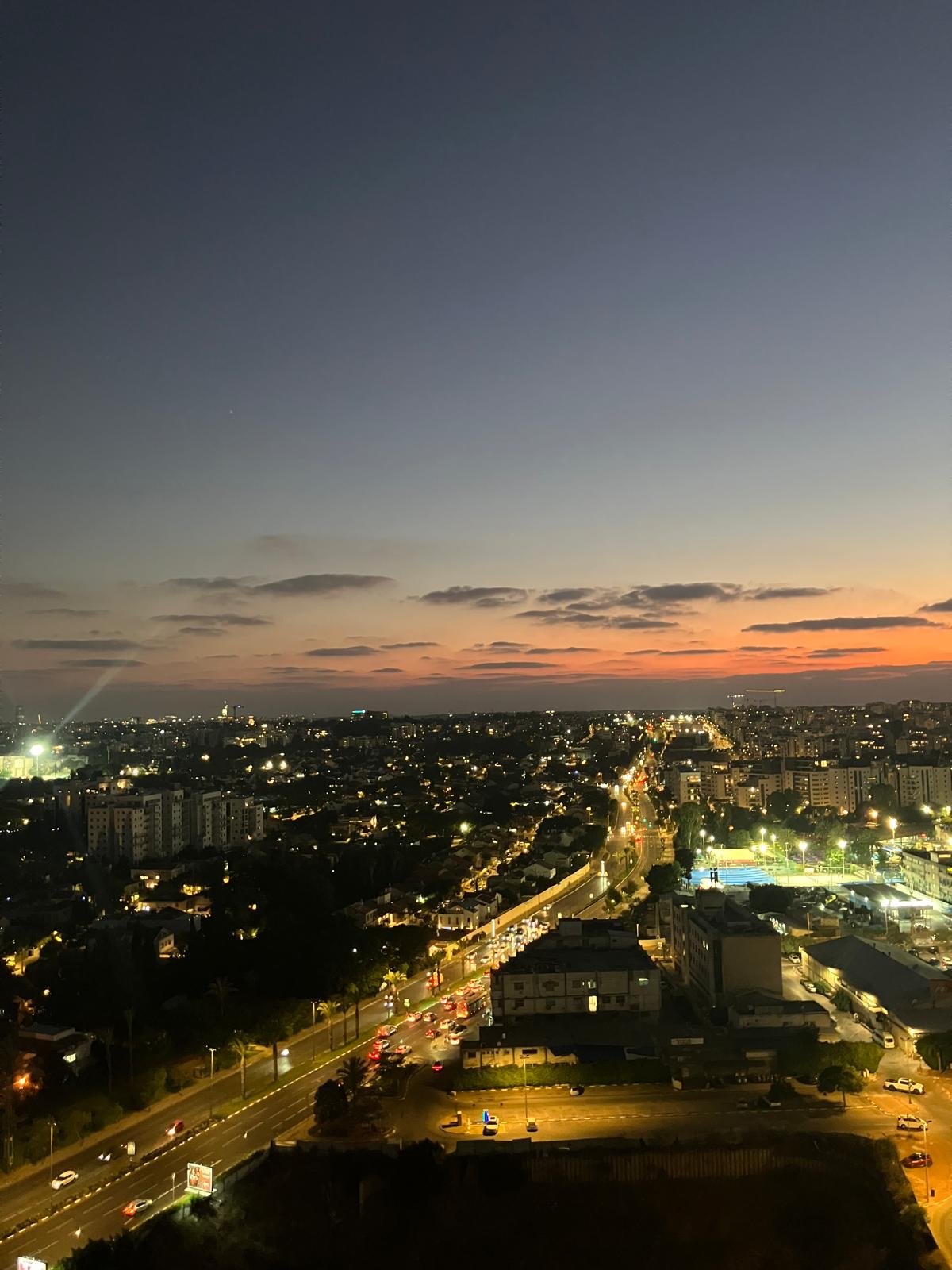
Reflections on The Land of Israel and the meaning of life; in honor of the first birthday of my daughter Sarah Yitta Golda in March 2025; Posted in July 2025
1) The Heavens and the Earth
In the Beginning, God created the heavens and the earth. What are the heavens and what is the earth? At first glance, the verse refers, respectively, to the sky of planet earth and the ground of planet earth. Or, perhaps the word heaven means the entire vastness of outer space, and the earth refers to our planet, such that the sky of planet earth is actually also just a part of “the earth”. Ramban understands Shamayim metaphorically to refer to the spiritual Heaven, where God and the angels reside, and the earth to mean the entire material universe. The Rakia is the firm, existential barrier that separates between these two realms.
In most of Tanach, the word Haaretz refers specifically to the Land of Israel. In some places it might mean the entire region of The Ancient Near East. We are told that the flood of Noah covered all the Aretz. Did the flood really encompass as far as ancient Australia and the Americas, the entirety of planet earth? Or only the entirety of the Ancient Near East? The word Haaretz is ambiguous, and depends on the context. In some cases, it might allude to multiple meanings at once. In Bereishit 24:3, Abraham adjures his servant Eliezer:
וְאַשְׁבִּ֣יעֲךָ֔ בַּֽה֙ אֱלֹ-י הַשָּׁמַ֔יִם וֵֽאלֹ-י הָאָ֑רֶץ אֲשֶׁ֨ר לֹֽא־תִקַּ֤ח אִשָּׁה֙ לִבְנִ֔י מִבְּנוֹת֙ הַֽכְּנַעֲנִ֔י אֲשֶׁ֥ר אָנֹכִ֖י יוֹשֵׁ֥ב בְּקִרְבּֽוֹ
“And I shall make you swear by The Lord, the God of the Heavens and the God of the land, that you will not take a wife for my son from the daughters of the Canaanites among whom I dwell”.
Ramban comments that “Elohei HaAretz” here means “The God of The (Holy) Land” specifically. But this doesn’t seem like the plain meaning. The term Elokei Haaretz here is used explicitly in contrast to Elokei HaShamayim, the God of the Heavens, and so it seems obvious that Haaretz is meant here as a counterpoint phrase, to refer to all the earth.
It seems to me that Ramban is saying that the word actually means both things at the same time: Elohei Haaretz, God of all the earth, and Elohei Haaretz, God of the The (Holy) Land. The audience, Hebrew speaking Jews, are meant to notice and internalize both layers of meaning simultaneously.
My contention is that the same dynamic is at play in the very first verse of the Torah. In the beginning, God created the Heavens and the Aretz. Imagine an ancient Native American tribe that refers to its small homeland, perhaps somewhere in the plains of Kansas, simply as “The Land”. In other contexts, they might use the phrase “The Land” to mean the whole continent. And in other, more expansive, yet more rarely invoked contexts, to mean the entire world. Now imagine an elder of this tribe sitting around a campfire, and telling of the origins of all life: “At the beginning of all things, the gods created the sky and The Land”. In this context, the use of the phrase The Land clearly means the whole planet. And yet, the resonance of that phrase as referring more specifically to their own Homeland is not lost on the audience either. It means both things at the same time.
And so too, to the ancient Israelite audience, and to us. Haaretz means the entire material universe, the whole of planet earth, the regional Middle East, and, most specifically and most commonly, the Land of Israel. It means them all simultaneously.
2) The Garden in the East
Genesis 2:8 reads –
וַיִּטַּ֞ע ה אֱלֹ-ים גַּן־בְּעֵ֖דֶן מִקֶּ֑דֶם וַיָּ֣שֶׂם שָׁ֔ם אֶת־הָֽאָדָ֖ם אֲשֶׁ֥ר יָצָֽר
And the Lord God planted a garden in Eden, in the east, and He placed there the Human whom He had formed.
Eden is described as being in the East. The East of where? Professor Umberto Cassuto comments: מקדם: מצד מזרח, כלומר ממזרחה של ארץ ישראל
“’To the east’, meaning, to the east of the Land of Israel”
Cassuto was an academic scholar, offering the plainest meaning of the text. It is so subtle, yet staring us right in the face at the very beginning of the Torah, and taken casually and for granted that the objective Observer, the Narrator of the Divine Revelation, meaning God Himself – His perspective is from Eretz Yisrael. Eden, of course, is east of a lot of other places too. It is also east of America and Europe. But it is very far to the east of those lands, along with dozens and hundreds of other places as well, such that the descriptor to “the east” would be overly vague and meaningless on that level. It clearly means to the immediate east, within the same region. In the Ancient Near East, the Westernmost boundary is the Mediterranean Sea, with the Holy Land abutting it. This is why the Babylonian Talmud refers to the Holy Land simply as Maarava – The West.
3) The Four Rivers from Eden
וַיַּצְמַ֞ח ה אֱלֹ-ם֙ מִן־הָ֣אֲדָמָ֔ה כׇּל־עֵ֛ץ נֶחְמָ֥ד לְמַרְאֶ֖ה וְט֣וֹב לְמַאֲכָ֑ל וְעֵ֤ץ הַֽחַיִּים֙ בְּת֣וֹךְ הַגָּ֔ן וְעֵ֕ץ הַדַּ֖עַת ט֥וֹב וָרָֽע
“And the Lord God caused to grow from the ground every tree that was pleasing to the sight and good for food, with the tree of life in the middle of the garden, and the tree of knowledge of good and bad.
וְנָהָר֙ יֹצֵ֣א מֵעֵ֔דֶן לְהַשְׁק֖וֹת אֶת־הַגָּ֑ן וּמִשָּׁם֙ יִפָּרֵ֔ד וְהָיָ֖ה לְאַרְבָּעָ֥ה רָאשִֽׁים
A river issues from Eden to water the garden, and it then divides and becomes four branches.
שֵׁ֥ם הָֽאֶחָ֖ד פִּישׁ֑וֹן ה֣וּא הַסֹּבֵ֗ב אֵ֚ת כׇּל־אֶ֣רֶץ הַֽחֲוִילָ֔ה אֲשֶׁר־שָׁ֖ם הַזָּהָֽב
The name of the first is Pishon, the one that winds through the whole land of Havilah, where the gold is.
וּֽזְהַ֛ב הָאָ֥רֶץ הַהִ֖וא ט֑וֹב שָׁ֥ם הַבְּדֹ֖לַח וְאֶ֥בֶן הַשֹּֽׁהַם
And the gold of that land is good; Bedolach is there, and Shoham stone.
וְשֵֽׁם־הַנָּהָ֥ר הַשֵּׁנִ֖י גִּיח֑וֹן ה֣וּא הַסּוֹבֵ֔ב אֵ֖ת כׇּל־אֶ֥רֶץ כּֽוּשׁ
The name of the second river is Gihon, the one that winds through the whole land of Cush.
וְשֵׁ֨ם הַנָּהָ֤ר הַשְּׁלִישִׁי֙ חִדֶּ֔קֶל ה֥וּא הַֽהֹלֵ֖ךְ קִדְמַ֣ת אַשּׁ֑וּר וְהַנָּהָ֥ר הָֽרְבִיעִ֖י ה֥וּא פְרָֽת
The name of the third river is Tigris, the one that flows east of Asshur.
And the fourth river is the Euphrates.”
Rav Tzadok HaKohen of Lublin taught that the first time a word appears in the Torah represents the truest essence of the meaning of that word. This is the first appearance of the word gold in the Torah – “And the name of the first (river) is Pishon, the one that winds through the whole land of Havilah, where the gold is; and the gold of that land is good; crystal is there, and Shoham stone”.
The Midrash comments that the Land of Havila is Eretz Yisrael, and that the gold refers to Torah: “‘And the gold of that land is good’ – for there is no Torah like the Torah of the Land of Israel” (Bereishit Rabba 16)
Based on this Midrash, I maintain that the four rivers out of Eden represent the four pathways out of Paradise, in descending order of desirability. In the ancient world, a river was like a highway. They had paved roads back then too, but you couldn’t move too fast on them, before the invention of cars. The river was the original superhighway. That’s why major cities are always along major rivers. The Torah is telling us that, after you accept the fact that Man cannot live in Paradise in this world, you have a choice of four portals to take in life, with each path getting you further away from Eden.
The first portal out of Paradise leads to Eretz Yisrael, the holiest place where you can be on this earth. This is why Eden is east of Israel, and not in Israel itself: We can’t live in Eden itself, but we can live in the holy place just West of it, on the first river out. And so, Adam and Eve began their lives in Paradise, but their material, worldly, and mortal selves are buried for all posterity in Chevron, in Eretz Yisrael. After their expulsion, they ended up in the Holy Land. This was a fitting return, because the dust from which Adam was formed was taken from the Temple Mount in Jerusalem.
Metaphorically, even one who doesn’t live in Israel, and even one who isn’t Jewish (all human beings are descended from Adam, after all) are meant to take that first portal out of Eden, to the place where the gold is. The gold means Torah, but more universally, it means religious purpose, higher meaning. This is the consolation after the expulsion. You can’t live in Eden, but in terms of the first place that you can go from there, God assures us: the gold of that Land is good. You still get a good deal in that place. (The word Tov, “Good“ in Genesis – And God saw that it was Good…and the gold of that Land is Good; it represents “The Good”, morally so.)
Gold is valuable to human beings not because of its practical utility, like steel or bricks, but because of its aesthetic beauty. You stare at a piece of gold and it looks as if you’re seeing a window into a higher realm, you feel a sense of inspiration. This is why the throne of God in this world is atop the two golden Keruvim, spreading their wings atop the golden Ark. Gold points us to a spiritual transcendence, as if it’s not like the other physical material of this world. This is of course also why the people built a Golden Calf to try and embody the Divine within something physical.
Esther 1:7 –וְהַשְׁקוֹת֙ בִּכְלֵ֣י זָהָ֔ב וְכֵלִ֖ים מִכֵּלִ֣ים שׁוֹנִ֑ים וְיֵ֥ין מַלְכ֛וּת רָ֖ב כְּיַ֥ד הַמֶּֽלֶךְ
“And royal wine was served in abundance, as befits a king, in golden beakers, beakers of varied design”.
We read this verse on Purim in the sad melody of Eicha, because the rabbis understood that these golden vessels could be none other than the holy ones plundered from the Temple. That’s what gold represents in Tanach by default, something with a spiritual connection, even here, at this debauched party, where you wouldn’t expect it to mean that.
The other two precious materials that are found in this first Land out of Eden, aside from gold, are Bedolach and Shoham stone.
Bamidbar 11:7 – “Now the manna was like coriander seed, and its appearance was like the appearance of Bedolach”.
Rashi comments- Bedolach is “crystale” in French.
Coriander seeds are small and round. Small, circular foods look harmonious and pure: think of why it’s so satisfying to eat ice cream in Dippin Dots form! This is also why we feed mourners circular foods in the shiva house, such as eggs or lentils. The Manna’s shape was like coriander. And its appearance was like that of crystal.
If gold looks like a material on earth that forms a window into the heavens, then crystal looks as if it fell down to earth FROM the heavens. The Midrash says that the blessing that the Jews made on the Manna in the desert was: Baruch Ata Hashem, Elokeinu Melech Ha’Olam, HaMotzi Lechem Min HaShamayim. Blessed are you Lord our God King of the universe who brings forth bread from the Heavens.
The third material in the land of Havila is Shoham stone, onyx. The Kohen Gadol‘s Choshen (breastplate) was held up on his shoulders by two Shoham stones. The Choshen contained the Urim V’Tumim, which would make the letters upon it light up with messages from God. And so, if gold is a window on earth that sees into Heaven, and crystal is what falls from Heaven down to earth, then Onyx is the medium to communicate BETWEEN Heaven and earth. The prophet would ask a question to the Choshen, and it would light up and respond back with the answer. The following is from Google, the Choshen of our time, as it were: “Onyx is known for its distinctive banded or layered appearance, often featuring alternating black and white or other color bands”
Alternating patterns, black and white, colored bands. Fitting for a medium of communication between Heaven and earth.
Gold, crystal, and onyx, found in the land of Havila. Havila derives from the root Chul, to twist around, to encircle. The River Pishon itself is said to surround and encircle the land of Havila, itself meaning circle as well. The circle is a symbol of wholeness and harmony. This is the first portal out of Eden, the most ideal place to reside.
4) Cush, Assyria, and the Euphrates
The second river out of Eden heads to Cush, Ethiopia. In Tanach, Cush represents the foreign and the exotic. The kingdom of Achashverosh extends from Hodu to Kush. Why in that order? Why not from Kush to Hodu? It has the sense of ENDING in Kush, extending quite that far, to that distant and exotic place. King Solomon’s kingdom was so vast and respected that he was visited by the Queen of Sheba, with Sheba itself being located within Cush. The sense is that this Queen came from the farthest ends of the earth to see him.
And finally, when Moses’ siblings condemn him for having taken a Cushite wife, the sense is that his wife is from the most foreign and exotic of places.
The second portal out of Eden is a life of adventure. This is also a good deal. This is the trial of faith that was presented to Abraham: “Go forth, from your land, from your birthplace, and from your father’s house, to the Land (Haaretz) that I will show you”. This is the life of adventure and risk taking, while proceeding with courage, confidence, and faith. Leave behind your past, your attachments, the familiar, your comfort zone; head into a future that’s uncertain and constantly changing; and do so in the present with great urgency. If you can do all that and still retain your faith, you can lead a good life. This is the second portal out of Eden.
The third river out of Eden leads to Assyria. Assyria is the mighty empire, where Yonah was instructed to go – leave the sanctity of the Holy Land to journey to the most materialistic and hedonistic metropolis of the time, Nineveh, the capital of Assyria, a city akin to the Las Vegas of that time. The holy prophet Jonah understandably recoiled at this mission, and he tried to run away from it. Earlier in the Torah, Assyria is ruled by Nimrod, the first Emperor, a man of worldly power and hubris. This is the second most distant path out of Eden: the Empire, the big city, the hedonistic and materialistic metropolis.
The fourth river out of Eden is the Euphrates. No description is given for this river, because you know exactly where it is. The Euphrates was the New Jersey Turnpike of its time. It is the most mundane and pedestrian of pathways, it is the rat race and the grind, it’s the daily commute. This place is the fourth and most distant from Eden.
5) My Ancestors and the Decline of Generations
My paternal ancestors were Hasidic Shochtim (ritual slaughterers) for multiple generations. My great-great-great (3 greats!) grandfather R. Shraga Feivel Weiss-Grussgott lived in Munkatch and was the Shochet of the town of Stratyn (sometimes spelled Stretin) in present day Ukraine (it was then considered Hungary). Our daughter Goldie is [partly] named for Shraga Feivel’s sister Golda, the first girl born to the Grussgott family. (The surname Grussgott was fairly new at that point, and the family alternated between the names Weiss and Grussgott in different generations, for reasons that are not clear; before that time, Jews did not have any surnames).
The following astonishing anecdote is told about my ancestor R. Feivel in the biography of his mentor, the Stretiner Rebbe, R. Yehuda Zvi of Stretin, entitled “Degel Machaneh Yehuda”:
“It once happened that a certain butcher sought out the Rebbe to ask if a particular slaughtered animal was kosher. The Rebbe was not there, but the Shochet R. Feivesh Weiss of Munkatch was present, and he said that the animal was completely traif. The butcher sought out the Rebbe for his opinion but the Rebbe said, what can I do, the wise Elder has already ruled (indicating his full trust in Feivel). But then the Rebbe summoned Feivel in burning anger and told him that he must repent for having “killed a soul”, because this animal was the reincarnated soul of a Jew whose soul required rectification! (implying that Feivel should have found a way to declare the animal Kosher). He prevailed upon Feivel to study Mishnah for a year in penance, which he did”.
There are multiple layers of spiritual consciousness in that story that the majority of us moderns can’t even relate to anymore. And that’s a loss that we should mourn.
We moderns are challenged with living in the Land of Assyria and the Euphrates, the place of Empire and hedonism. Our Torah challenges us to try and move to the place of adventure, and from there, to the place of harmony and a sense of the Divine. As the month of Menachem Av approaches, as we mourn the loss of ancient Zion and Jerusalem in advance of Tisha B’Av, may we merit to resist the pull of this secular and material world, to connect with the Land of Havila, where the gold is good; the place where our pious ancestors resided. Amen.