Being the Shofar
I’m a light sleeper with a gentle startle reflex, so the metaphors of waking up for the High Holidays resonate strongly with me. A brief sampling:
- The Rambam interprets the sounding of the shofar as saying, “Wake up you sleepy ones from your sleep and you who slumber, arise. Inspect your deeds, repent, remember your Creator.”
- One of the haftarah readings on Yom Kippur is taken from the story of the prophet Jonah. Having fallen asleep on a storm-tossed ship, Jonah is awakened by the captain, who demands of him, “How can you be sleeping so soundly! Up, call upon your god! Perhaps the god will be kind to us and we will not perish.”
- Among the many parts of the High Holiday liturgy that call out to those who are sleeping to wake up, the Yom Kippur repetition of the Amidah urges Jews, “Please, Israel, God’s vineyard, awake! Rouse yourselves and stand, strengthen yourselves, rise up, plead, for the sake of your soul, plead, plead to the One Who dwells on high.”
- Some traditional liturgies for pre-Rosh Hashanah Selichot services appeal to God, “Renew our days in the old exile; awake, why do You sleep? Remember Your children in a land not theirs, so that a stranger will not approach them.” At this busy season for deciding judgment, life, and death for the coming year, you could say it’s even a wake-up time for God.
Waking up is a relatively familiar theme for the season, one you’re already likely familiar with.
What’s curious, though, is the way in which this theme of awakening is counter to the time of year. Most of nature is getting ready for winter and preparing for hibernation, lowered metabolism, and sleep, and here we Jews are, being told to wake up. In this way, we’re cutting against the grain and carving our own path, one that demands intention and focus.
And more than that: Hillel student advocates and professionals aren’t just heeding the direction to wake up; we’re also waking other people up. As most of campus is settling into classes and coursework, our responsibility is to awaken people to Jewish possibilities, to activism, to engagement, and to community. We draw attention to the injustices campus Jews experience, educate to prevent antisemitism, and press for accountability when it surfaces. For those who are able to see only adversity in Jewishness, we introduce them to the joyous aspects of what it means to be Jewish and how, in an era of rising Jew-hatred, public, fearless, unabashed Jewish joy is an act of resistance.
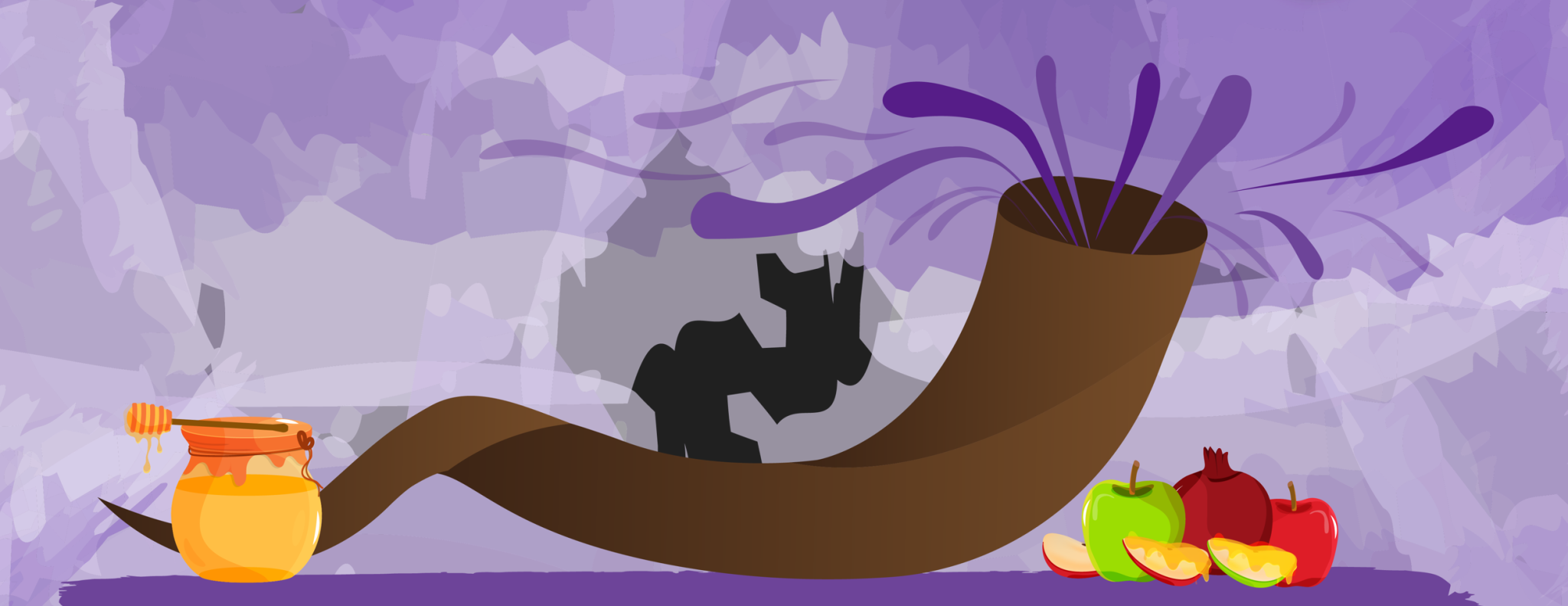
In this way, we do more than hear the shofar: we are the shofar, functioning as an alarm clock for Judaism and Jewishness.
This sometimes creates discomfort and runs counter to what’s expected or preferred; exercising leadership and moving ourselves and others towards positive transformation often do. But Jewishness is often at its best when it’s countercultural. When we’re in this mode, we’re able to spark creativity and create moments of Jewish pride, learning, and enthusiasm.
As we head further into this year, I encourage you to think about the ways in which you’re waking up, how you want to change, and the way in which the shofar calls you to attention and action.
I’d also suggest reflecting on the ways in which you can be that kind of catalyst for other people, spurring them to change and grow, even if it’s not what they might be comfortable doing. In doing so, you can both hear the shofar and be a shofar in your own right for your friends, family, colleagues, and community.
Shanah tovah umetukah.