Between September 11 and October 7: Lessons in remembering
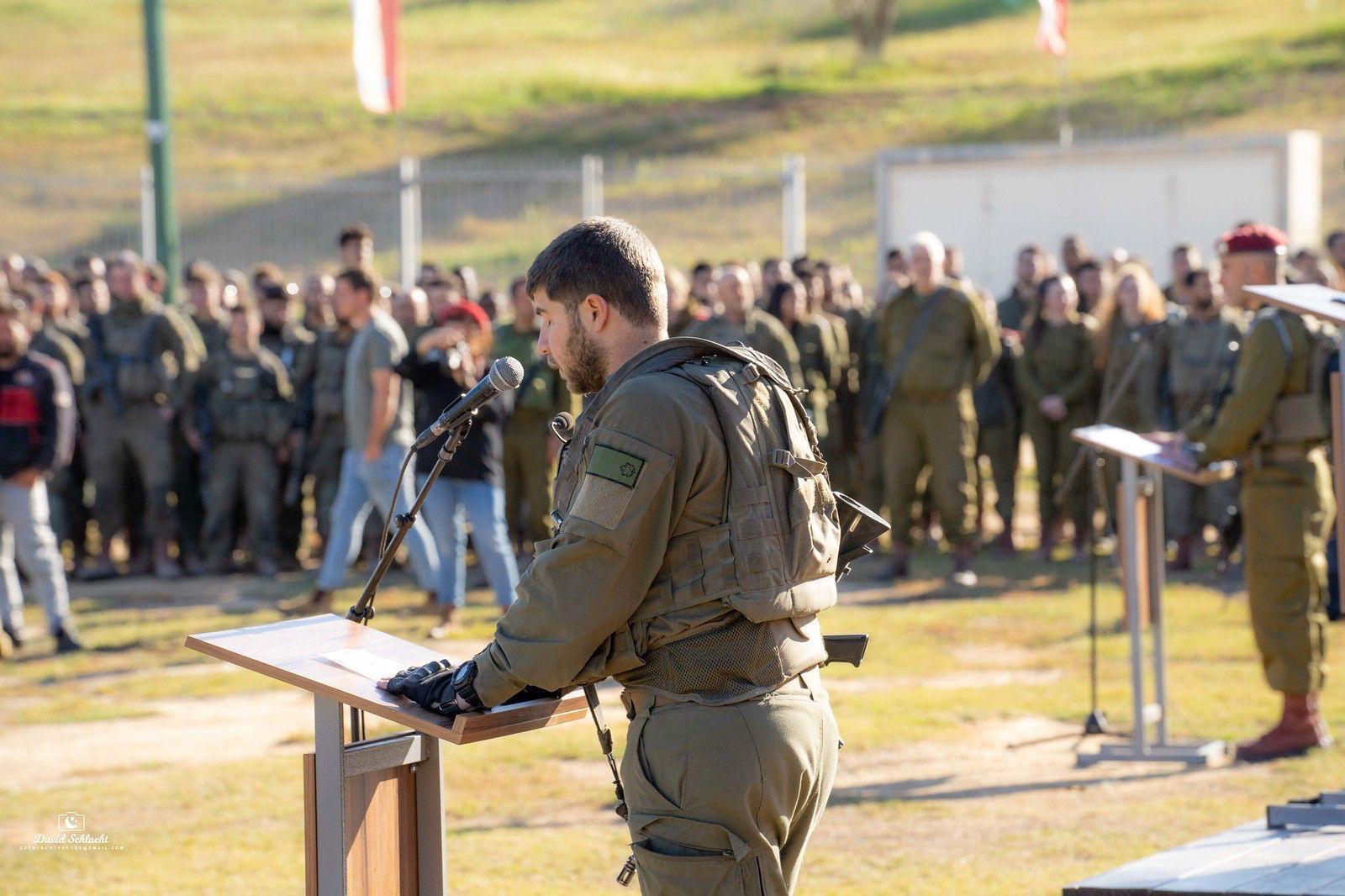
Part and parcel of life in Israel, particularly as an IDF officer, is finding yourself sitting in memorial ceremonies and visiting the homes of heartbroken families. Too many of them. For fallen soldiers. For victims of terror. A small country that is less than 80 years old should not have this many bereaved families, but this of course is our reality.
Remembering loss and disaster is a kind of expertise – indeed not the only one – that we as Israelis wish we did not have. It is the sad result of the many wars and horrific acts of terror we have experienced over the years. Yet, we experienced the largest terror attack on civilian communities in our history – a coordinated attack on civilians whose date is now synonymous with that event – after our American friends endured the same. We will soon mark 25 years since the September 11 attacks.
As American and Israeli soldiers fought together earlier this year, I often thought about the fact that most of them were born after 9/11. And so as we in Israel prepare to mark just three years since October 7, I’ve found myself thinking about how the horrors of October 7 will shape our own society a quarter-century from now, about what will be the same and what will be different from the experience of our American friends following 9/11.
In remembering every disaster on such a horrendous scale, there are three initial types of stories we tell. Stories of loss and tragedy – those who perished too soon and whose lives have been altered forever. Stories of heroism – those who acted with incredible bravery in the face of chaos. And stories of responsibility – how this could have been allowed to happen and how it could have been prevented.
But there is also the story we write after the tragedy, after the initial shock and horror. It is the story of the choices we make about how to live and act. Yes, there are choices about national security policy. Those are crucial – we must know how to defeat our enemies and keep our people safe. But there are also collective and individual decisions to be made about how to ensure that we come out of such a tragedy stronger, more united and more determined than ever to become a better society.
Of course, writing that story begins with and indeed requires being honest about what happened. Here in Israel, there are too many in positions of power who want to avoid that transparency and are willing to risk the failure to learn the necessary lessons in order to escape responsibility. That is why the first act by the next government here must be the formation of a State Commission of Inquiry.
Looking forward, as we write that fourth story, we in Israel can also learn from the American experience that decisions made, words spoken and actions taken in the aftermath of such disasters have effects that last for generations. There is no denying that today, we in the Middle East live in the shadow of decisions made in the aftermath of September 11 that altered the course of this region’s history.
Here in Israel, we have also sadly seen that the events of recent years have led to some of our own leaders making irresponsible, immoral statements that are contrary to our society’s values. Preventing and speaking out against such reckless behavior isn’t just a moral necessity, but a practical one for Israel’s future. Ultimately, democracy and democratic values are a source of our strength. Democracies like ours have the unity and the economic, military and technological strength to vanquish our enemies because we embrace those values.
At 8:46 a.m. on September 11, a ceremony will take place at Ground Zero in Manhattan. Flags will be lowered. Stories of heroism will be shared. Songs in memory of those lost will be played. All of this will happen just a month later, at 6:29 a.m. in communities across Israel.
In these moments, people within free societies like America and Israel are supposed to be united not only by sorrow, patriotism and memory, but by something deeper that happens when we leave those ceremonies: by our desire and ultimately our decision to take action to build something stronger out of the ashes of tragedy.
That is what will ultimately make us worthy of the memories of those we lost, of those who sacrificed, of those their country failed to protect. That is a decision we have to make as leaders, as a society, and as a nation. To choose to rebuild. To choose to heal. To choose to repair.
May the memories of all those lost on September 11 and October 7 be for a blessing. May we be worthy of their memories.