Between Facts and Versions: Major Rozenszajn on the War of Narratives
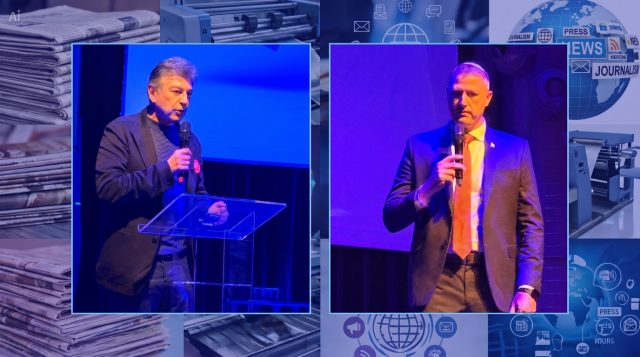
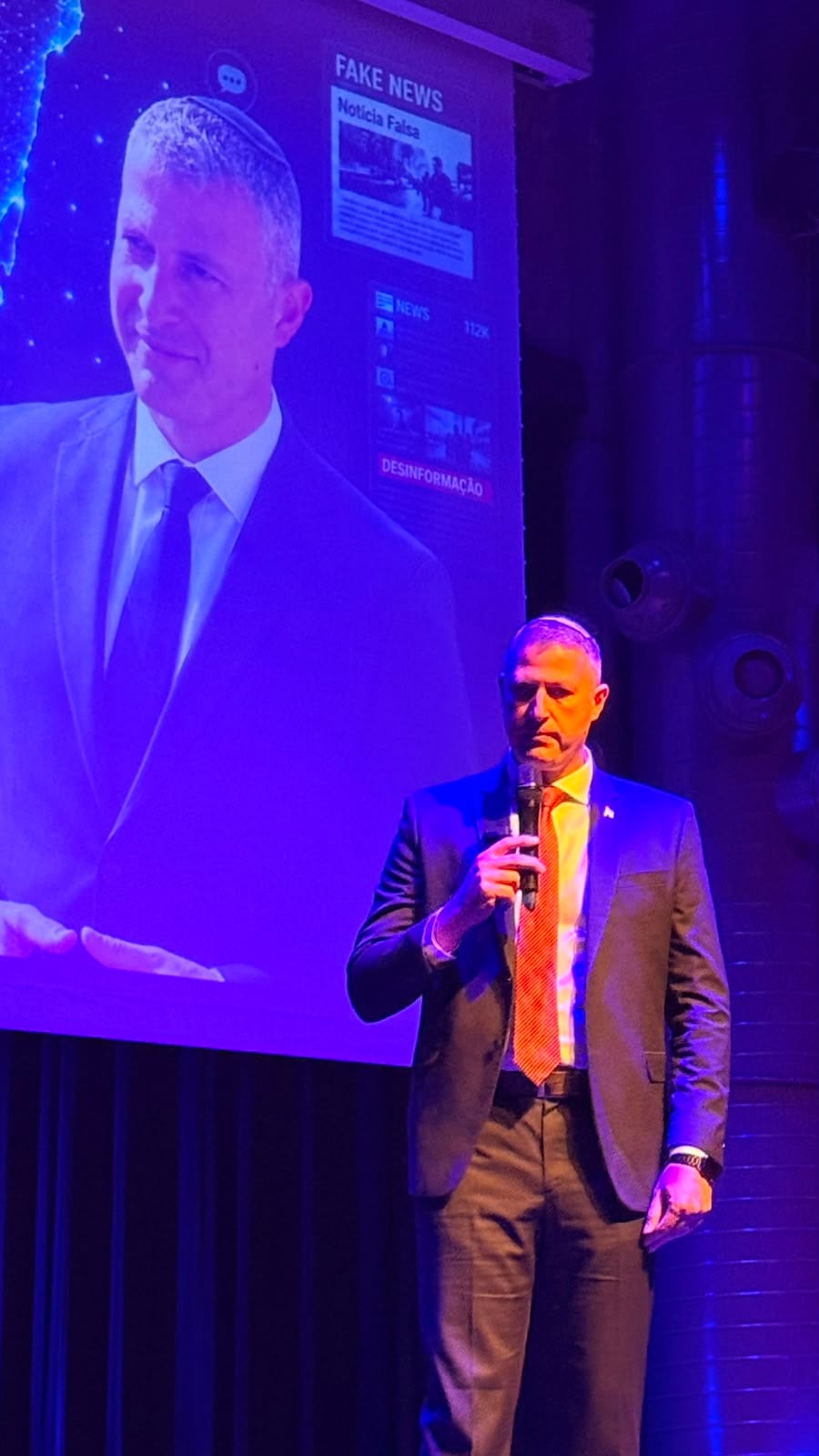
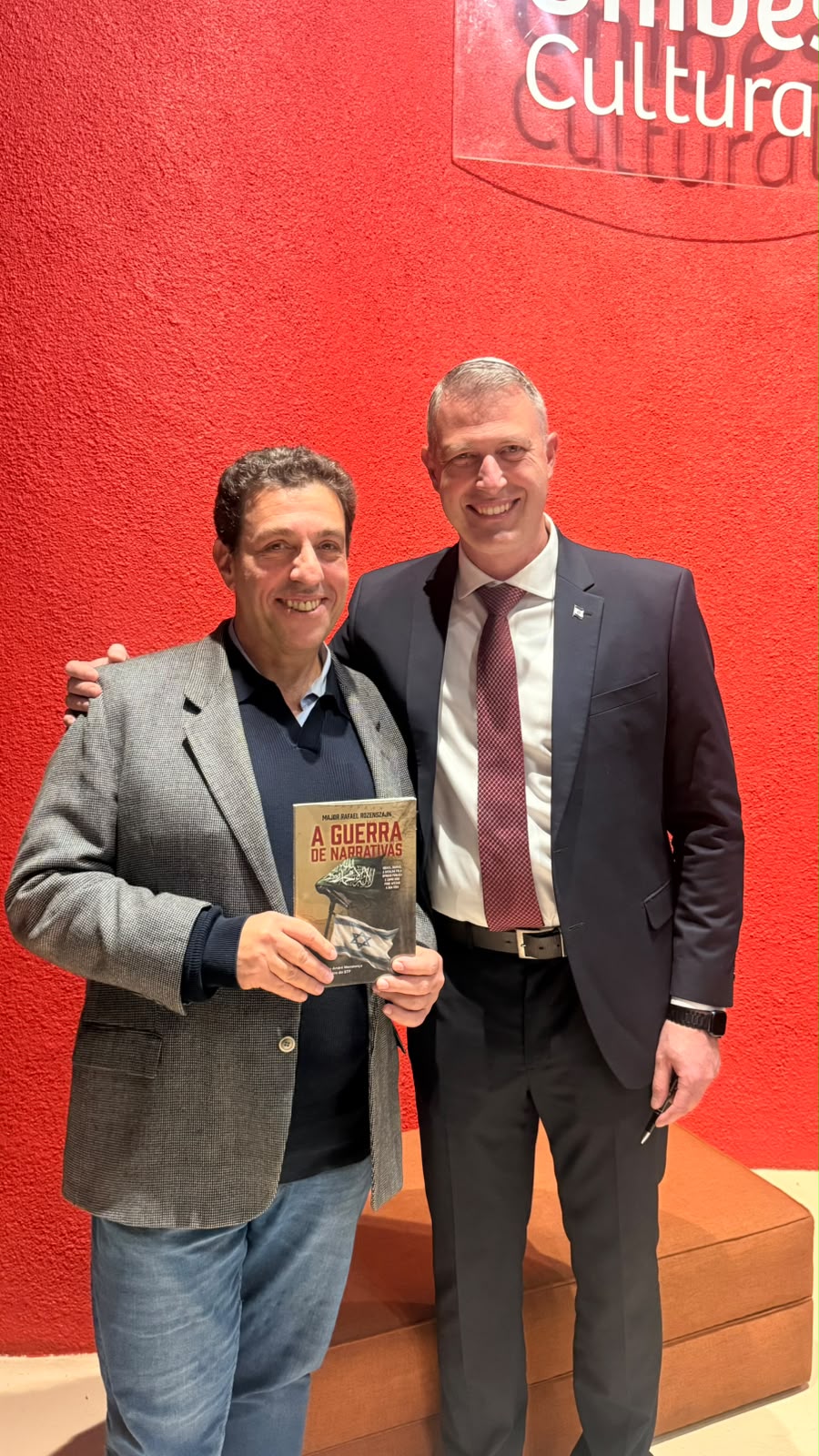
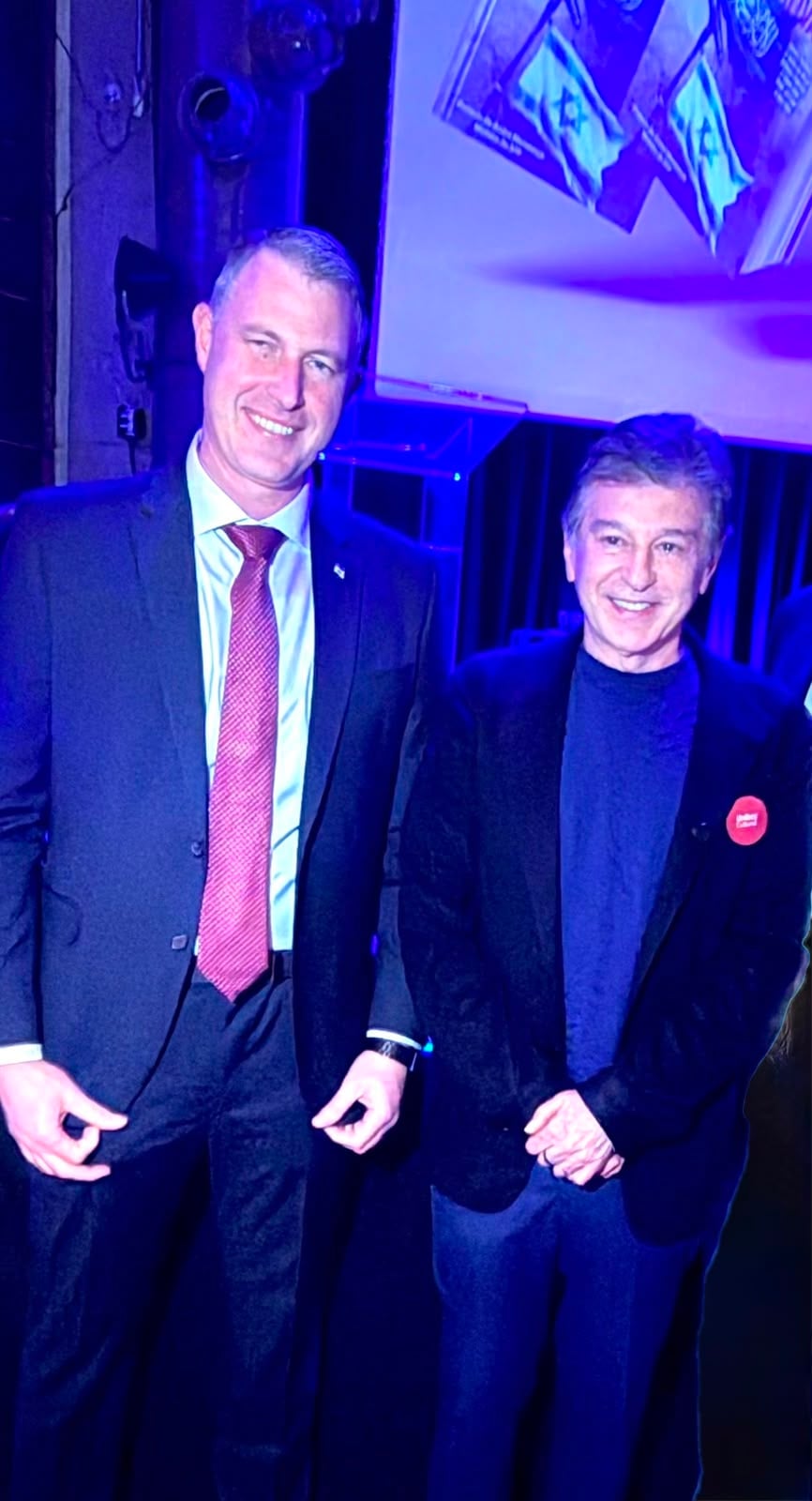
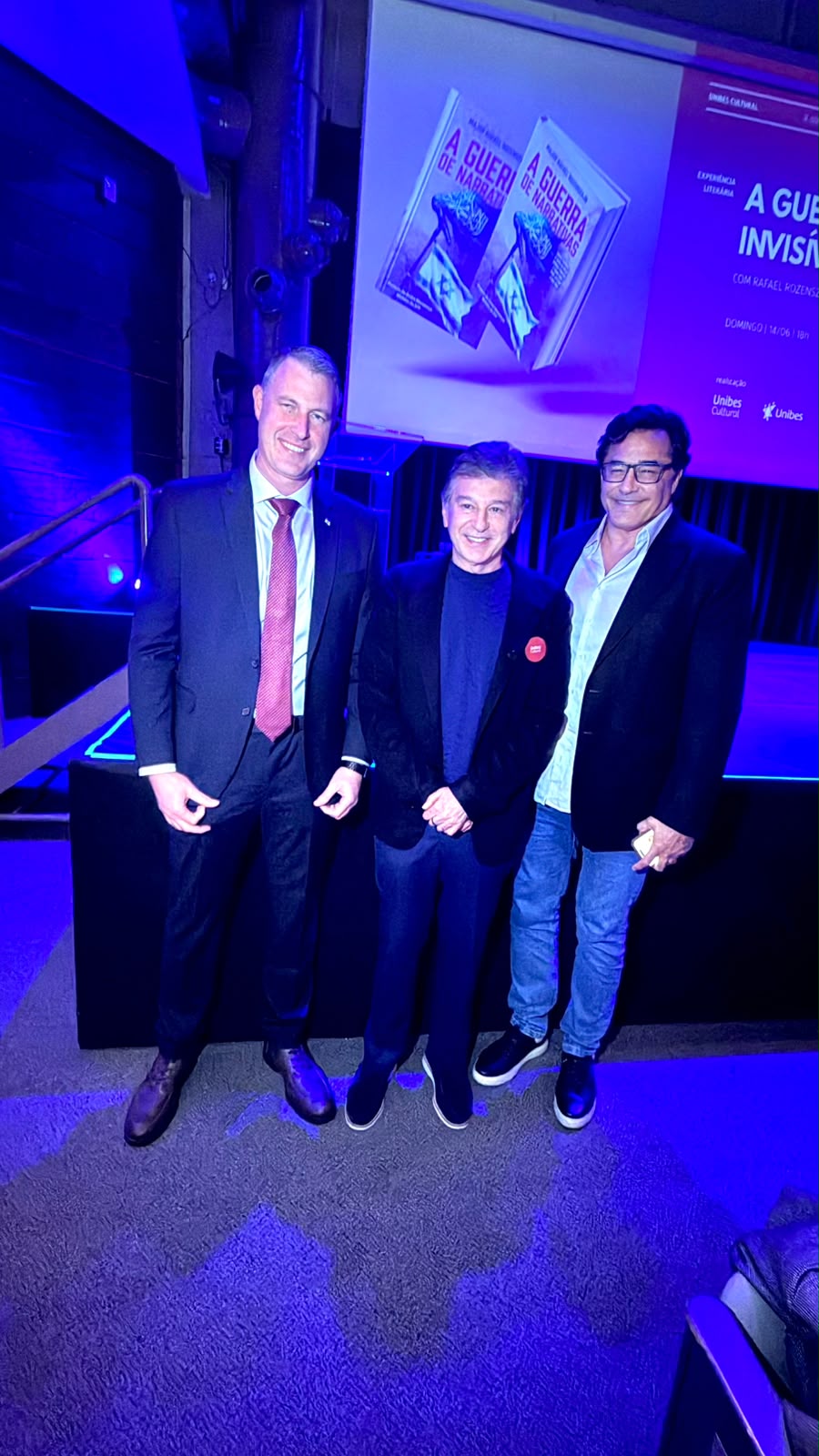
On Sunday, June 14, Major Rafael Rozenszajn, spokesperson for the Israel Defense Forces, delivered a lecture at Unibes Cultural on the so‑called “war of narratives,” the central theme of his book and public work. The event brought together community leaders and an audience eager to understand the behind‑the‑scenes dispute of versions that shapes global perceptions of the Middle East conflict.
The opening remarks were given by Denise Antão, representing Conib and speaking on behalf of the Unibes Council. She emphasized the role of culture and education in combating misinformation and prejudice. “We believe that knowledge generates discernment, and discernment generates responsibility,” she said, stressing the importance of listening to sources committed to facts and evidence in a context marked by distortion of reality.
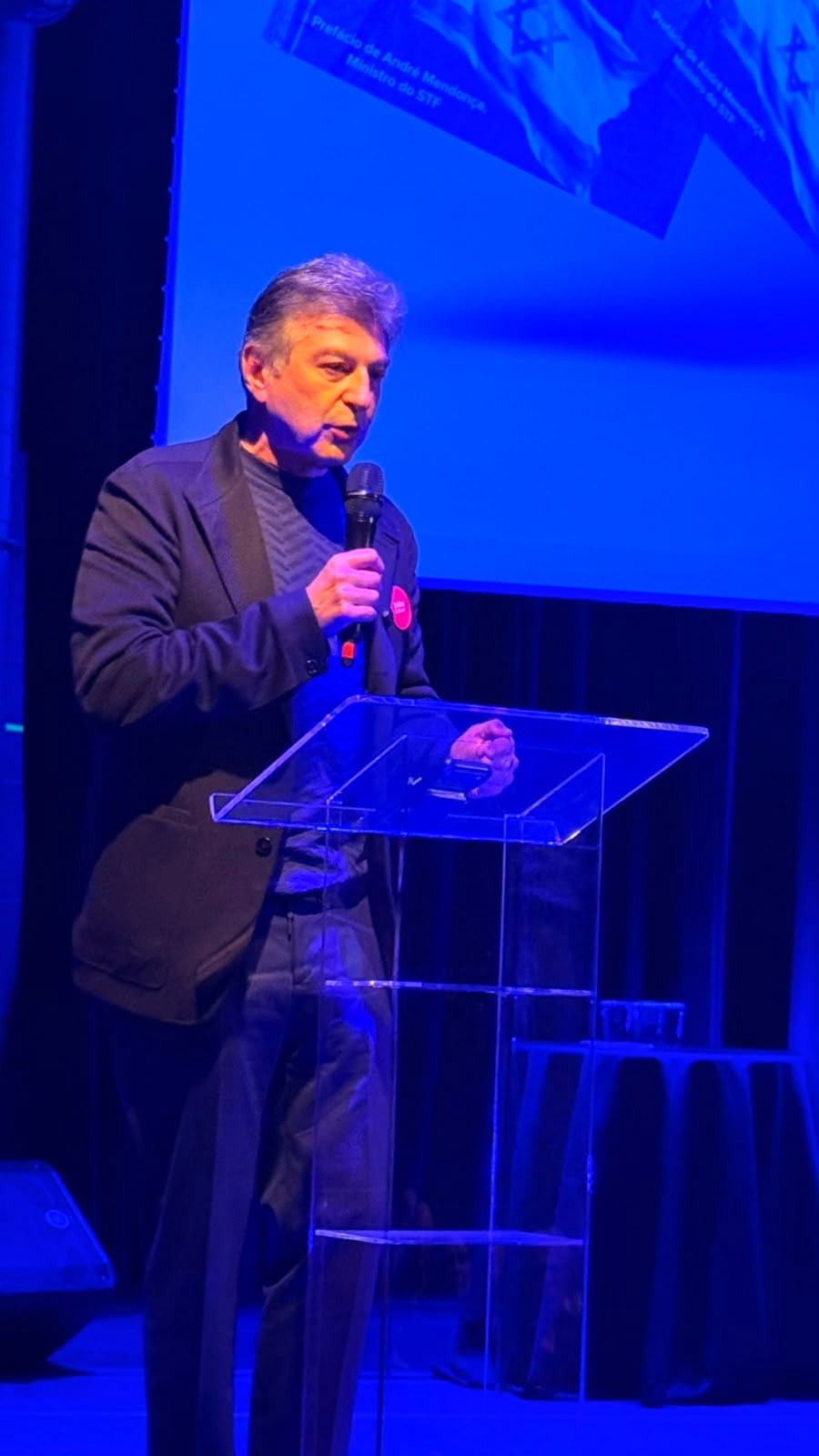
Claudio Lottenberg, president of Conib and author of the book’s preface, reinforced the relevance of the topic by presenting recent data from Pew Research on international perceptions of Israel and highlighting the weight of ideological narratives. According to him, Brazil has moved against the global trend. “We are one of only two countries, among 16 analyzed—alongside Greece—that simultaneously improved in support and reduced rejection of Israel, precisely at a time when the country’s image is worsening in most of the world,” he noted.
Lottenberg detailed that between 2025 and 2026, total rejection of Israel in Brazil fell from 58% to 52%, while more radical rejection dropped from 14% to 13%, and support rose from 32% to 33%. In the same period, 13 of the 16 countries surveyed recorded declines in support and increases in extreme rejection. “This is no reason for complacency, but it shows the importance of quality information,” he said.
He also emphasized Major Rafael’s role in this context: “We have been victims of the weight ideology imposes on narratives, and this is countered with education, consistency, and firm presence.” In a strong tone, he concluded: “We will not allow misinformation to prevail. This is a struggle not only for Jews, but for all who believe in democracy and human rights.”
During the lecture, Rafael Rozenszajn presented the concept of media warfare as one of the main fronts of the current conflict. According to him, it is a dispute between emotion and reason, in which the prevalence of simplified narratives and striking images often hinders the understanding of facts.
The major highlighted five major challenges of this war, including the rise of antisemitism, the asymmetry between a democratic state and terrorist organizations, and the ease with which distorted versions spread. He also provided data and concrete examples to illustrate how false information quickly gains ground, while fact‑checking takes time—often placing Israel at a disadvantage in the communication arena.
At the end, the major reinforced the need to deepen understanding of the conflict and to value evidence‑based information. More than transmitting data, Rozenszajn sought to provoke reflection on the complexity of the current scenario and the role of each individual in shaping a critical and responsible perspective.
He closed the event by reading a letter from a young soldier, who wrote to his family saying that despite challenges, fear, and uncertainties, he felt profound pride in wearing the uniform and defending his country. A pride born not from war itself, but from a sense of responsibility, belonging, and purpose.
Source: Liane G. Zaidler / Conib