
Highlight Nepal’s presence in the Global Context
Brothers Who Couldn’t Return for TIHAR
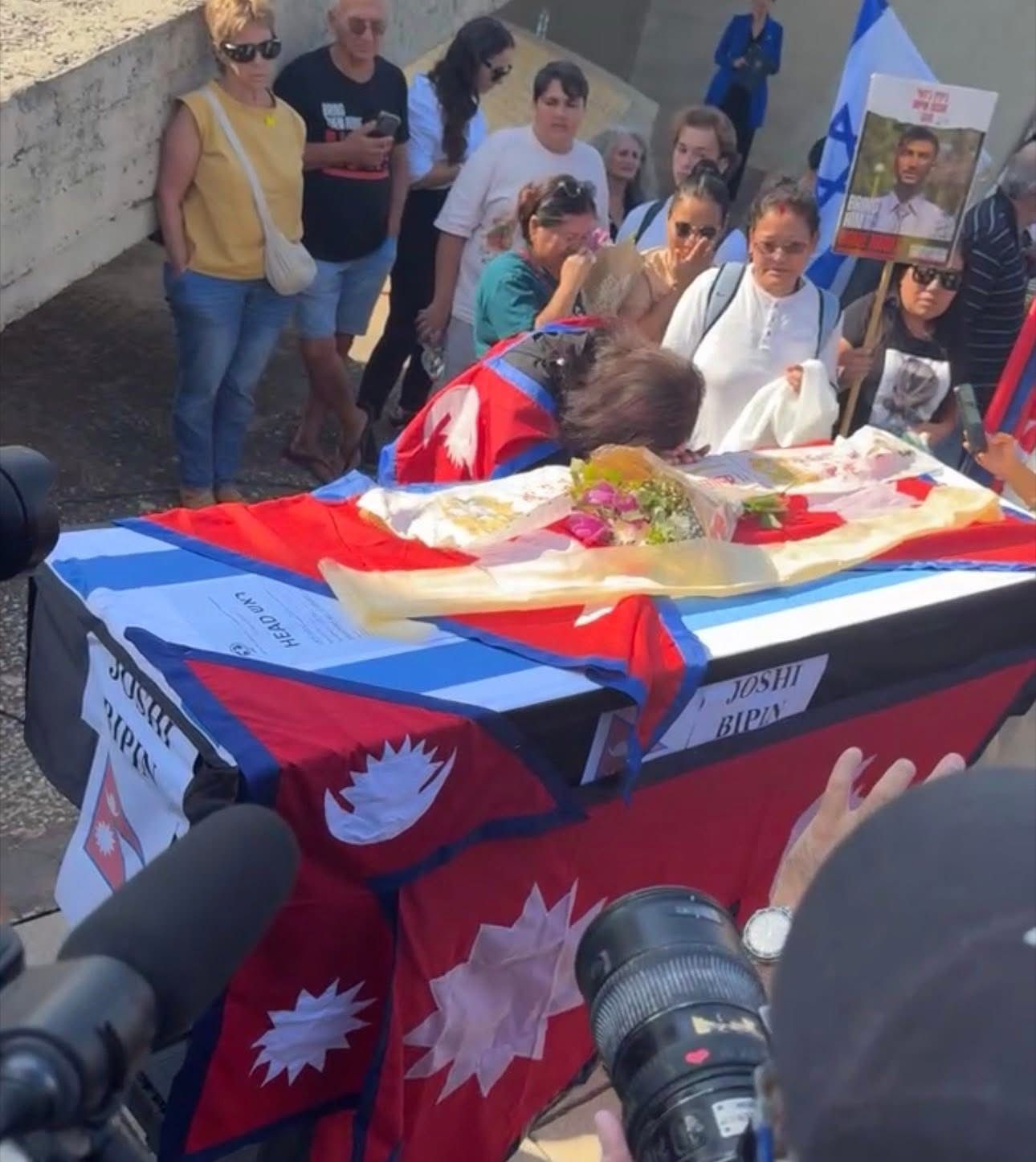
Israel repatriated the body of Nepali hostage Bipin Joshi, remembered as a hero of Kibbutz Alumim.
Bipin Joshi and the Dreams That Died With Him
What a tragedy after two long years without applying a single Bhai Tika, Pushpa’s hands finally received her brother’s body during Tihar itself. This isn’t just a sentence. It’s the story of a thousand tears, hundreds of sleepless nights, and two years of slowly dying hope.
October 7, 2023
The day the world stood still. On that morning, Hamas launched one of the deadliest attacks through Israel’s southern border, killing thousands of innocent civilians. Among them were 17 Nepali agricultural students staying at Kibbutz Alumim. Ten of them were killed instantly. Several were injured. One, Bipin Joshi, went missing.
Bipin was a young Nepali student who had come to Israel to study agriculture. He dreamed of learning, working hard, and returning home to make his parents proud. But that day, he was taken hostage.
The Hamas Attack and the Nepalis
The sun rose that morning, but death covered southern Israel. Hamas fighters crossed the border, opening fire on villages, kibbutzim, and training centers. At Kibbutz Alumim, where the Nepali students were based, chaos broke out.
Some students screamed, “We are Nepali, please don’t hurt us.” But in war, innocence doesn’t save anyone. Within moments, ten Nepali dreams were turned to ashes.
Only Bipin survived that day but he was abducted. According to the Israeli military, he was taken into Gaza. For two years, there was no voice, no sign of life, no proof of death. Finally, in October 2025, during a fragile ceasefire, Israel officially confirmed:
“Bipin Joshi is no longer alive.”
The Wait of Pushpa Joshi
Pushpa Joshi Bipin’s sister. When her brother was kidnapped, she began a life of waiting. Every Tihar, she made garlands, lit oil lamps, and prayed for his return. Every morning, she bowed before his photo with trembling hands.
Three Tihars passed. During the first, she made a garland and kept it beside his picture.
During the second, she wiped her tears and waited again. By the third Tihar, the news finally arrived the kind that destroys all light:
“Your brother will return, but not alive.”
How unbearable must that have been? To live two years clinging to hope, only to receive a coffin instead. Pushpa was left hollow. But she was not alone so were the ten other Nepali families who had sent their sons abroad chasing dreams, only to receive them back in wooden boxes.
From Nepal to Gaza: A Brother and Sister’s Story
Bipin’s life was simple. Friendly, hardworking, and full of dreams. When he got the chance to study agriculture in Israel, his village rejoiced “Your future is bright,” they said. But that future ended in the sound of gunfire.
Pushpa was in Nepal when the war began. When she heard that her brother was missing, she fainted. From that moment, her life became a journey of unanswered questions visiting embassies, calling offices, searching for any clue.
For two long years, she lived with one belief “My brother will come home.”
But when Tihar 2025 approached, the embassy called with the truth:
He never will.
Empty Homes, Empty Nation
The Hamas–Israel war didn’t just take Bipin. It emptied ten other Nepali homes. Even today, in small villages of Nepal, there are houses where Tihar lights no longer shine. Where sisters still make garlands but have no foreheads to place them on. Where photos replace brothers.
Every family shared the same dream to study, to work, to return.
Now “returning” is only a memory.
Two Years of Waiting, Two Seconds of News
Pushpa’s life became a symbol of painful patience. For two years, she answered every call, read every headline, and prayed for one good message. Then, finally, it came just two seconds long:
“Bipin Joshi is dead.”
Those two seconds shattered two years of waiting, two hundred prayers, and countless tears.
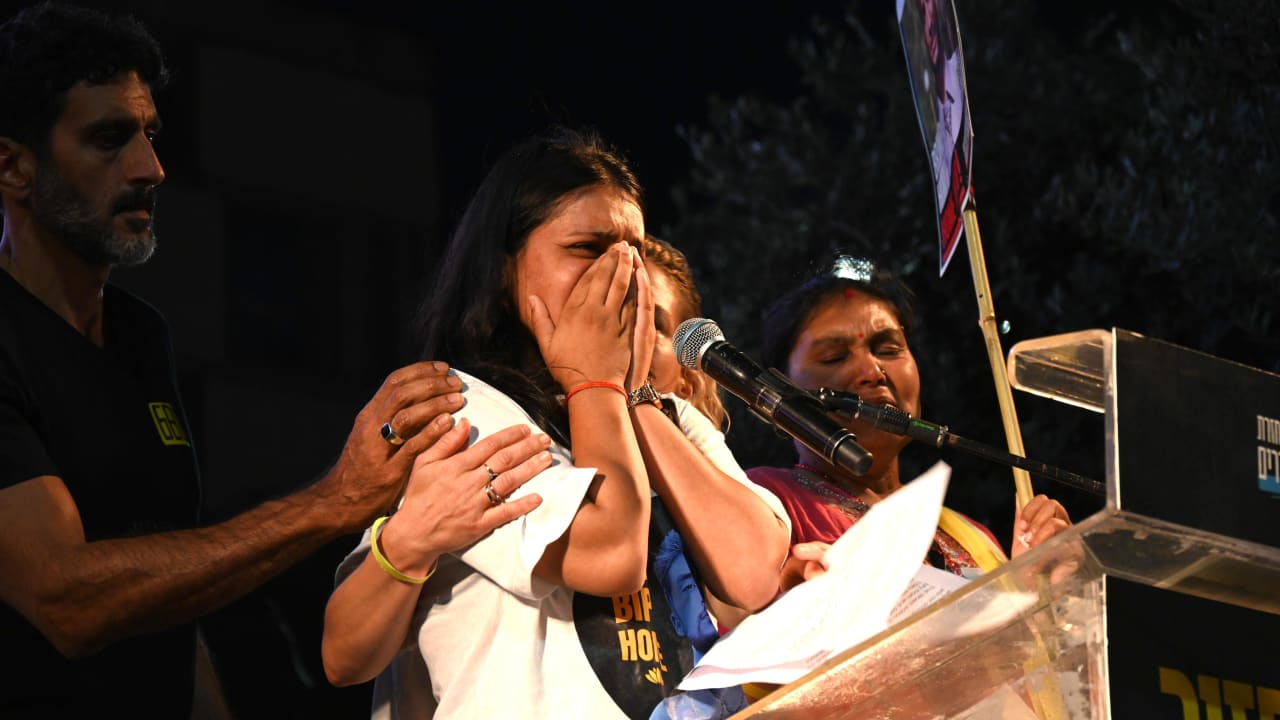
The Day Tihar Lost Its Light
Tihar, the festival of light, love, and brother-sister bonds, will never be the same for Pushpa. For her, it now symbolizes darkness. Her brother has returned, but in silence.
When the coffin arrives home, she will finally place tika on him, not on his forehead, but on the box that carries his remains. With trembling hands and tearful eyes, she will whisper, “Brother, you came home… but why like this?”
A Question to Society and the State
This story isn’t just about Bipin and Pushpa. It’s about thousands of Nepali families who send their children abroad with hope. Why were our students placed under the shadow of war? Why did one sister have to wait two years for an answer that should have come in days?
These are not only emotional questions; they are questions of policy and responsibility. Until our system learns to protect its people abroad, stories like Bipin’s will keep repeating under new names.
A Generation’s Wound
The Hamas-Israel war took away Bipin Joshi, but it left behind his sister empty, grieving, and unheard. It left behind ten families whose homes no longer celebrate Tihar. Sisters whose hands have dried without tika, and parents whose hopes are locked inside wooden boxes.
This is not just a tragedy. It is a mirror showing a nation that keeps sending its dreams abroad, only to see them return shattered.
Related Topics
Related Posts