
Author and Global Affairs Commentator
Can Israel Convert Victory Into Peace?
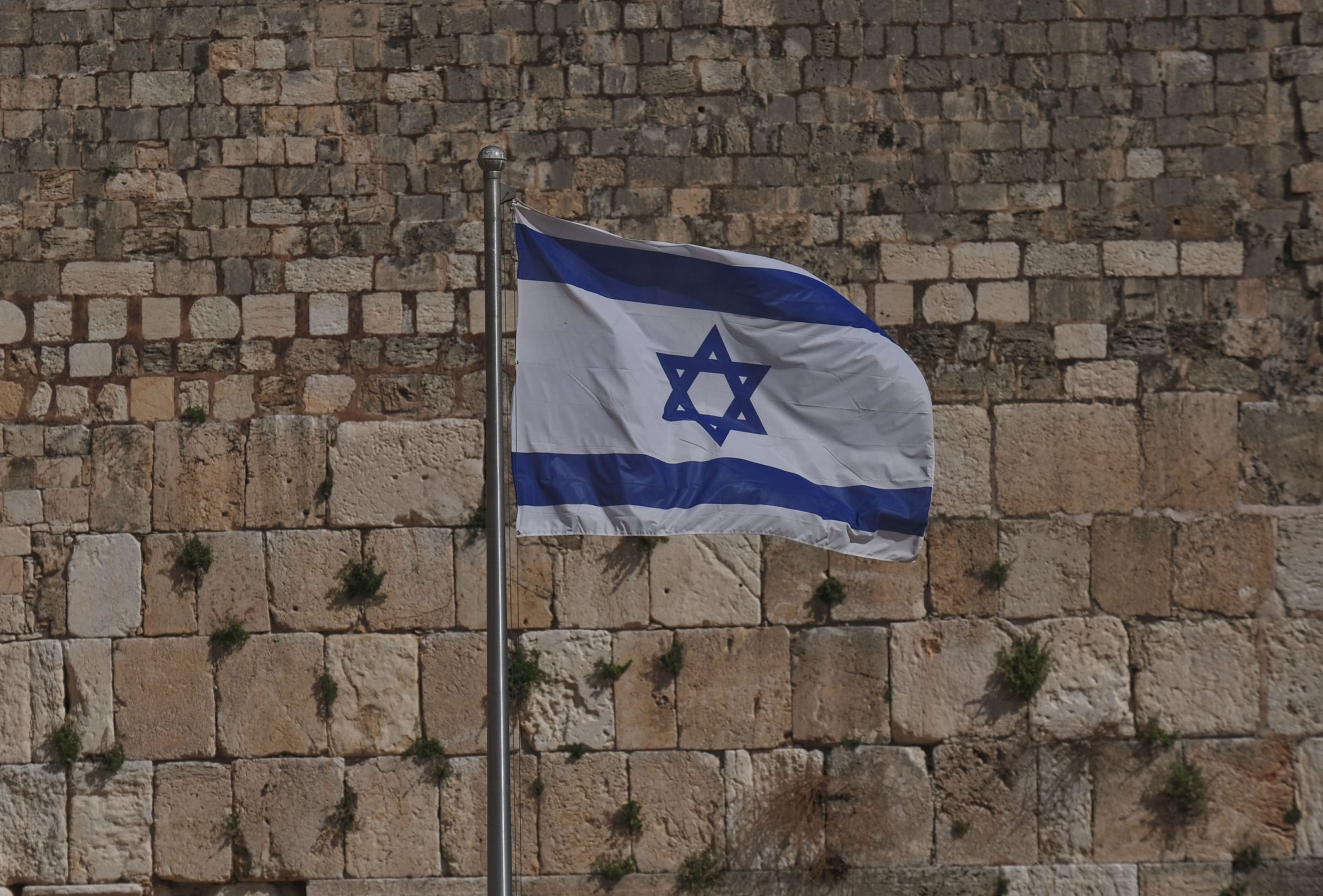
Military operations can degrade adversaries, but lasting security ultimately depends upon political arrangements that prove more durable than battlefield gains alone.
Israel’s military campaigns have reshaped the Middle East and severely weakened Iran’s regional network of proxies. Yet military success has not resolved the underlying political challenges. As diplomacy re-emerges alongside continued security threats, Benjamin Netanyahu faces mounting questions over Israel’s long-term strategy, its relationship with Washington, and whether battlefield victories can be translated into lasting regional stability.
For much of the past two years, Israeli Prime Minister Benjamin Netanyahu appeared to have achieved what few leaders in the country’s history could claim. Following Hamas’s October 7 attack, Israel launched a sustained military campaign that significantly degraded both Hamas in Gaza and Hezbollah in Lebanon while taking the confrontation directly to Iran. Israel demonstrated overwhelming military superiority, restored deterrence against several adversaries, and disrupted Tehran’s regional strategy in ways that would have seemed improbable before the war.
Yet strategic success on the battlefield does not automatically translate into durable political outcomes. As Israel’s military objectives expanded — from defeating Hamas to confronting Hezbollah and increasing pressure on Iran — the challenge shifted from winning wars to defining an achievable regional order once the fighting subsides.
The campaign against Iran illustrates both the strengths and limitations of military power. Israeli planners reportedly anticipated a relatively brief operation that would significantly weaken Tehran’s military capabilities while increasing pressure on the Islamic Republic. Although Israel inflicted substantial damage on Iranian military infrastructure and leadership, Tehran demonstrated that it retained both resilience and the capacity to impose costs through missile attacks and threats to maritime commerce.
Those risks extended beyond the region. Any prolonged disruption to the Strait of Hormuz, through which roughly one-fifth of global oil supplies transit, carried potentially significant consequences for international energy markets. Unsurprisingly, Washington’s priority quickly became preventing a broader regional war that could undermine global economic stability while preserving pressure on Iran’s nuclear ambitions.
The resulting U.S.-Iran understanding reflects that balancing act. While details remain subject to negotiation and implementation, Washington has sought to contain escalation without abandoning its longstanding commitment to Israel’s security. The United States continues to regard preventing an Iranian nuclear weapon as a core strategic objective, even as it seeks to avoid an open-ended regional conflict.
For Israel, however, diplomacy presents new complexities. Any agreement that constrains military operations against Iranian-backed groups inevitably narrows Jerusalem’s room for maneuver. Israeli leaders have long argued that Iran’s network of proxies — from Hezbollah in Lebanon to militant organizations elsewhere in the region — cannot be separated from Tehran’s broader regional strategy. From that perspective, limiting military pressure on those organizations risks allowing Iran to rebuild influence over time.
These debates have also shaped Israeli domestic politics. Encouraged by successive military victories, members of Netanyahu’s governing coalition have advocated increasingly ambitious regional objectives, arguing that Israel now possesses an opportunity to permanently reshape the Middle East’s strategic balance. Whether such ambitions are sustainable remains uncertain. Military dominance alone cannot resolve the complex political realities of Gaza, Lebanon, or Iran.
Nor has Iran emerged from the confrontation without options. Although the Islamic Republic suffered meaningful military and intelligence setbacks, the regime has thus far demonstrated considerable institutional resilience. Rather than triggering political collapse, external pressure has, at least temporarily, strengthened domestic cohesion around the government. History suggests that authoritarian systems often prove more durable under external attack than many observers initially expect.
Israel also confronts a growing diplomatic challenge. While its military response to October 7 initially generated widespread international sympathy, the prolonged conflict in Gaza has increasingly shifted global attention toward humanitarian concerns. Many governments that strongly support Israel’s right to defend itself have simultaneously urged greater efforts to reduce civilian suffering and establish a credible postwar political framework.
Even in the United States — Israel’s indispensable strategic partner — public opinion has become more divided. Although bipartisan support for Israel’s security remains substantial in Congress and successive administrations continue to provide military and diplomatic backing, polling suggests that Americans hold increasingly varied views regarding the conduct of the war and Netanyahu’s leadership. That evolving debate does not fundamentally alter the U.S.-Israel alliance, but it underscores the importance of maintaining broad political support over the long term.
For Israel, American backing remains irreplaceable. Beyond military cooperation and intelligence sharing, Washington provides diplomatic support that has long been central to Israel’s international position. Both governments therefore share an interest in preserving close strategic coordination, even when tactical priorities differ. While Israeli leaders naturally prioritize immediate security threats, American policymakers must simultaneously manage wider regional stability, global energy markets, and broader geopolitical competition.
The central question is no longer whether Israel has demonstrated military superiority — it clearly has. Rather, it is whether those victories can be translated into a sustainable regional strategy that prevents Iran from rebuilding its network while avoiding an indefinite cycle of conflict. Military operations can degrade adversaries, but lasting security ultimately depends upon political arrangements that prove more durable than battlefield gains alone.
That challenge carries particular significance for Netanyahu. With elections expected later this year and longstanding legal proceedings likely to regain prominence once his tenure ends, his political future remains closely tied to Israel’s security environment. Whether he is ultimately remembered for restoring Israeli deterrence or for extending conflicts without a clearly defined political settlement will depend less on the victories already achieved than on the strategy that follows them.
Related Topics
Related Posts