
Author and Global Affairs Commentator
Can the Strait of Hormuz Be Cleared?
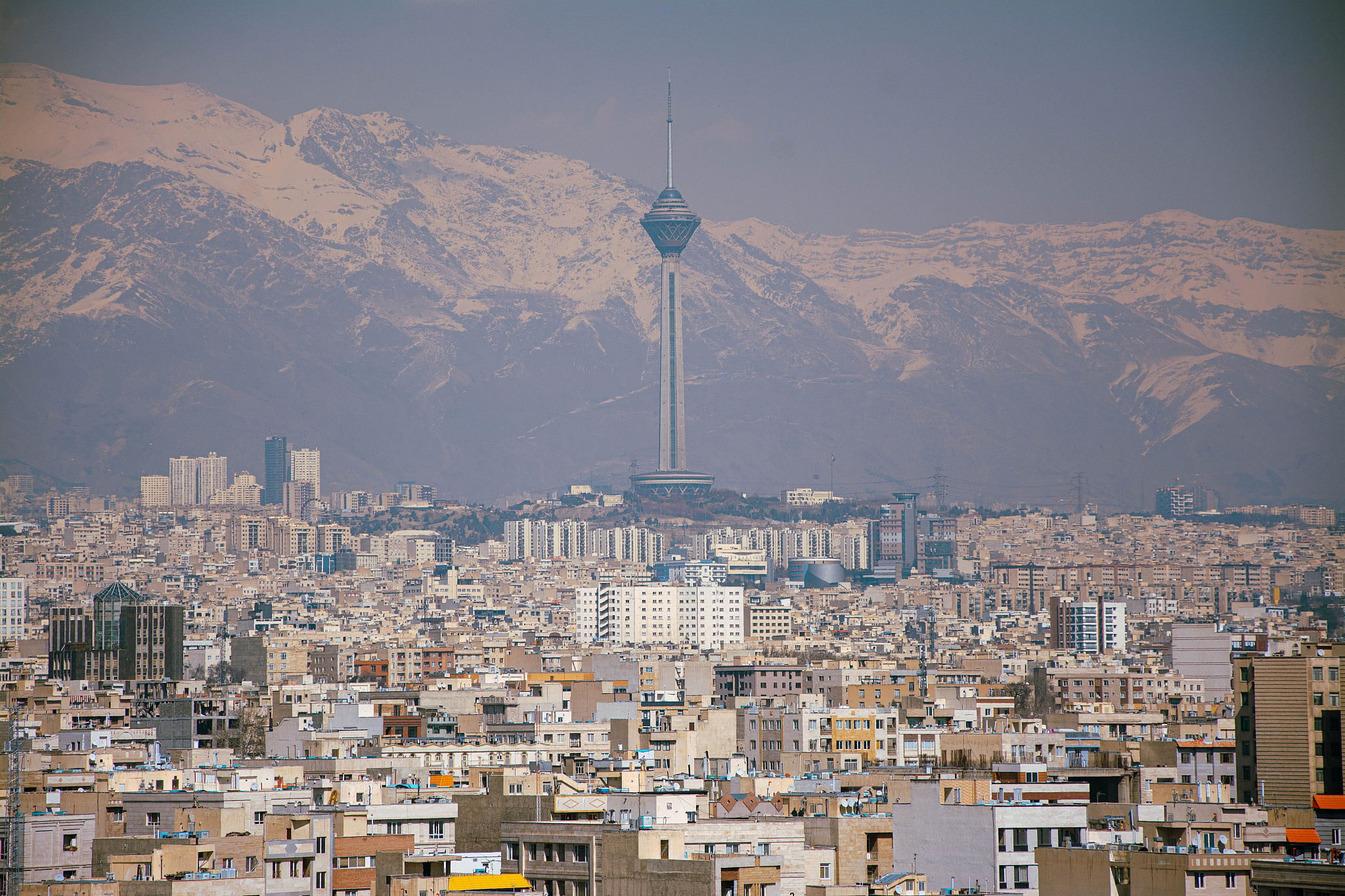
Analysts estimate that roughly 80 naval mines remain in the Strait, including Maham-3 and Maham-7 variants designed to frustrate sonar detection.
The ceasefire between Washington and Tehran has eased immediate fears of disruption in the Strait of Hormuz, but reopening one of the world’s most important maritime corridors will depend on a far slower and more complex task: removing hundreds of explosive hazards from heavily trafficked waters. Success will require not only advanced naval capabilities and international coordination, but also sustained political restraint. If managed effectively, demining could become more than a technical operation—it could provide the first meaningful test of whether diplomacy between the United States and Iran can endure beyond the battlefield.
Clearing Hormuz Is About More Than Mines
Commercial shipping has begun returning to the Strait of Hormuz following the ceasefire between the United States and Iran. Yet the world’s most important energy corridor cannot fully resume normal operations until the sea mines scattered across its waters are removed. That process is likely to take weeks, if not months, and will test both the durability of the ceasefire and the willingness of regional and international powers to cooperate.
The operation is as much a political challenge as a military one. If handled successfully, it could also become an early confidence-building measure between Washington and Tehran, demonstrating that both sides remain committed to reducing tensions.
A Difficult Waterscape
Iran has disclosed neither the number nor the location of the mines it deployed during the conflict. Analysts estimate that roughly 80 naval mines remain in the Strait, including Maham-3 and Maham-7 variants designed to frustrate sonar detection. Their sophisticated construction makes them especially difficult to locate and neutralize.
Before the conflict, Tehran was believed to possess between 5,000 and 6,000 naval mines, many produced domestically. While estimates suggest that much of Iran’s minelaying fleet survived the war, the exact scale of its remaining capabilities remains uncertain.
Several suspected minefields lie close to the Strait’s established shipping lanes, including near both entrances and along the principal eastbound and westbound channels. Until those areas are verified and cleared, commercial traffic will continue to operate under significant constraints.
Shipping Cannot Return to Normal
Mine clearance is complicated by the way maritime traffic has adapted during the conflict.
With the central shipping lane effectively unusable, vessels have been diverted onto two narrower routes. One passes close to Iran’s coastline, where ships face greater exposure to Iranian enforcement measures. The other hugs Oman’s coast under U.S. naval protection. Both corridors are considerably more congested than the pre-war route and force vessels into shallower waters, increasing navigational risks.
The impact on global trade remains substantial. Before the conflict, roughly 125 vessels crossed the Strait each day. Current traffic is only a fraction of that level, while hundreds of ships remain delayed elsewhere in the Persian Gulf. Restoring normal commercial flows will ultimately require reopening the central channel.
Navigation has become even more hazardous because many vessels continue to deactivate their Automatic Identification System (AIS) transponders to reduce the risk of being tracked. Combined with widespread GPS interference during the conflict, the result is a more crowded waterway where collisions become harder to avoid and maritime authorities have less visibility over vessel movements.
Iran’s recent assertions of greater authority over navigation through the Strait further complicate matters. Its newly established maritime authority has warned that vessels using routes it has not authorized cannot expect guaranteed safe passage, adding another layer of uncertainty for commercial operators.
No Navy Can Do It Alone
The ceasefire agreement assigns primary responsibility for demining to Iran, reflecting the fact that Tehran laid the mines. Yet responsibility does not necessarily translate into capability.
Iran possesses some mine-countermeasure assets, but its naval doctrine has historically emphasized deploying mines rather than removing them. Even if it were technically capable of conducting the operation independently, many international shipping companies would be reluctant to rely solely on Iranian assurances that the waterways had been cleared.
At the same time, the United States lacks sufficient mine-countermeasure forces in the region to undertake the task alone. Modern mine warfare increasingly relies on autonomous underwater vehicles, drones and remotely operated systems for detection, but neutralizing mines still requires highly trained specialist crews operating in hazardous conditions.
That reality makes international cooperation indispensable.
European navies remain among the world’s most experienced mine-countermeasure forces. Britain, France, Germany, Italy and the Netherlands all maintain specialized capabilities, while the European Union’s naval mission in the region could also contribute. A multinational operation combining American surveillance technology, European mine-clearing expertise and Iranian operational knowledge would provide the most credible path toward reopening the Strait.
Iran’s participation would be particularly valuable because it alone possesses detailed information about where mines were likely deployed and how they were armed. Sharing that information would offer a practical demonstration of Tehran’s commitment to sustaining the ceasefire.
The Political Challenge Comes First
Removing mines is ultimately easier than rebuilding confidence.
Mine-countermeasure vessels operate slowly and predictably, making them vulnerable if fighting resumes. Their crews can only work effectively if all parties are confident they will not come under attack. That requires more than a temporary ceasefire; it demands credible security guarantees extending throughout the demining operation.
The current agreement between Washington and Tehran provides only limited assurances. If large-scale clearance is to proceed safely, both governments—and regional actors—will need to reinforce those commitments over a considerably longer period.
Importantly, such cooperation does not require a comprehensive diplomatic settlement. Demining can instead function as a practical confidence-building measure, creating opportunities for broader discussions on maritime security, sanctions relief and regional stability.
A Test of Lasting Stability
Reopening the Strait of Hormuz will not depend solely on naval engineering or advanced technology. It will depend on whether former adversaries can sustain enough cooperation to ensure that the waterway remains open after the final mine has been removed.
The operation therefore represents more than a logistical exercise. It offers an opportunity to transform a fragile ceasefire into a framework for longer-term stability. Mines can be detected, neutralized and destroyed. Preventing their return is a diplomatic challenge that no navy can solve alone.
Related Topics
Related Posts