
Examining Extremism, Identity, and Influence
CBE vs FAB: Egypt’s Banking Battle To Test Israel, UAE, India Investor Trust
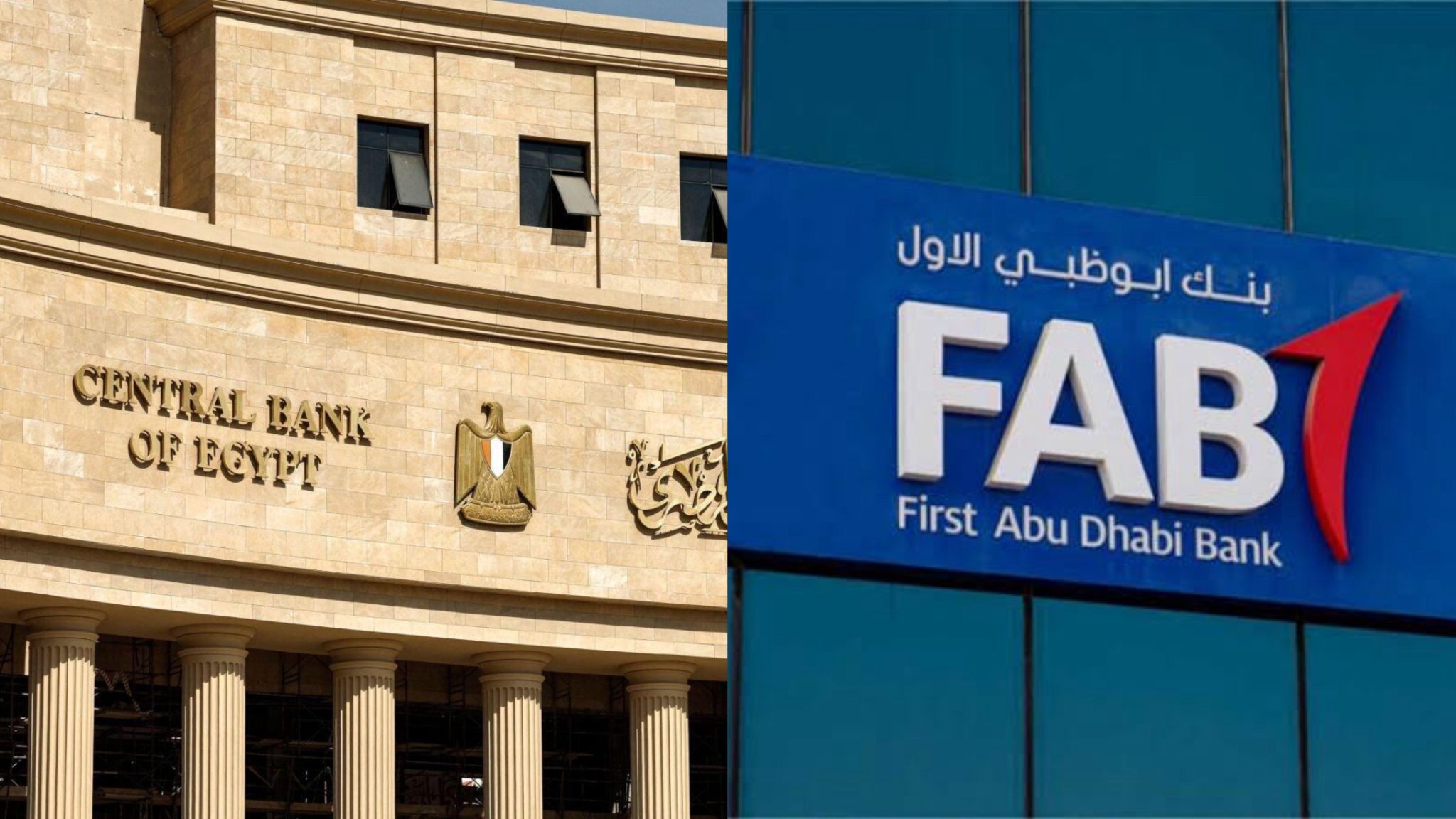
Photo: CBE & FAB / Courtesy of the author
It is a litmus test for Egypt’s financial governance and a signal to the region and beyond.
A regulatory storm brewing in Cairo is reverberating far beyond Egypt’s borders — unsettling financial corridors from Abu Dhabi to Mumbai and Tel Aviv. The Central Bank of Egypt’s (CBE) recent decision to fine FAB Misr, the Egyptian subsidiary of the UAE’s largest lender, First Abu Dhabi Bank, nearly $21 million, has sparked alarm across regional markets that are deeply intertwined with Egypt’s economy.
For Gulf nations like the UAE, the move strikes uncomfortably close to home. Abu Dhabi has long been one of Cairo’s most steadfast economic backers, providing billions in aid, investments, and central bank deposits. Now, a punitive action against one of its premier financial institutions is raising questions about Egypt’s regulatory climate — and whether personal politics may be bleeding into financial governance.
The tremors are being closely watched in India and Israel as well. Both countries have deepening strategic and economic partnerships with Egypt — India through infrastructure and energy investments across North Africa, and Israel through joint ventures in the Eastern Mediterranean gas corridor. For these partners, the FAB Misr case is more than a localized banking dispute; it’s a test of Cairo’s institutional stability and the predictability of its investment environment.
A Regulatory Ruling—or a Political Retaliation?
FAB Misr, the Egyptian arm of First Abu Dhabi Bank—the UAE’s largest lender—has strongly contested the fine, arguing that the loans in question were fully repaid and that its credit procedures were compliant.
What has raised eyebrows, however, is the abruptness and severity of the penalty, reportedly imposed without the usual procedural safeguards such as a formal review or right of reply.
Behind the scenes, the move is widely seen as the latest chapter in a long-running feud between current CBE Governor Hassan Abdalla and his predecessor, Tarek Amer. The two men have a storied history: Amer is said to have overseen investigations into Abdalla’s tenure at Arab African International Bank, which led to Abdalla’s ouster in 2018.
The current head of Beltone Holding, Dalia Khorshid—former investment minister and Amer’s spouse—adds a personal dimension to what many believe is a retaliatory strike cloaked in regulatory garb.
Investor Confidence Meets Cairo’s Power Politics
This perception of politicized regulation is troubling for Egypt’s investment climate. In a country already navigating a fragile economic recovery, high inflation, and a depreciating currency, investor confidence is a precious commodity.
The notion that regulatory decisions may be influenced by personal vendettas rather than institutional integrity could deter both regional and global investors.
The implications for Egypt’s Gulf relationships are particularly sensitive. The UAE has been a steadfast financial backer of Egypt, providing billions in aid, investments, and central bank deposits. A punitive move against a major Emirati bank—especially one perceived as unjust—risks straining this vital economic lifeline.
In a region where financial diplomacy is increasingly intertwined with strategic alignment, such tensions can have cascading effects.
Regional Ripples: From the Gulf to Mumbai and Tel Aviv
But the reverberations may extend even further. For non-Arab partners like India and Israel—both of which have deepening economic and strategic ties with Egypt—the episode serves as a cautionary tale.
India, a key investor in Egypt’s infrastructure and energy sectors, has been expanding its footprint in North Africa as part of its broader Indo-Pacific outreach.
Israel, meanwhile, views Egypt as a critical partner in regional stability and energy cooperation, particularly in the Eastern Mediterranean gas corridor.
For these nations, the FAB Misr case underscores the importance of regulatory predictability and institutional transparency in Egypt. While neither New Delhi nor Tel Aviv is directly implicated, the broader message is clear: foreign stakeholders must navigate not only market risks but also the undercurrents of domestic political rivalries.
Moreover, multilateral lenders and development institutions—many of which are closely monitoring Egypt’s economic reform trajectory—may view this incident as a red flag.
The IMF, which has extended multiple support packages to Cairo, has consistently emphasized the need for improved governance and institutional independence. Episodes like this could complicate Egypt’s efforts to secure future tranches or attract private-sector co-investment.
In the end, the FAB Misr fine is more than a regulatory footnote. It is a litmus test for Egypt’s financial governance and a signal to the region and beyond. Whether Cairo can reassure its partners that its institutions are insulated from personal politics will shape not only its economic recovery but also its standing in an increasingly interconnected Middle East.
Related Topics
Related Posts