
Celebrate the Hostage Return – and then finish the job!
Celebrate the Hostage Return – and then finish the job!
Ceasefires Before Coercive Inflection Points Invite Relapse
First, the rightful celebration: on Oct. 13, 2025, all remaining living Israeli hostages were released from Gaza. That achievement—painfully earned and diplomatically brokered—fulfilled one of Israel’s core war objectives and brought families the relief they had prayed for. But the story doesn’t end there. The second strategic objective—to end Hamas’s future ability to threaten Israel—remains unresolved, and the subsequent prolonged ceasefire plus an internationally choreographed “way forward” may be incubating Hamas’s resurrection rather than preventing it.
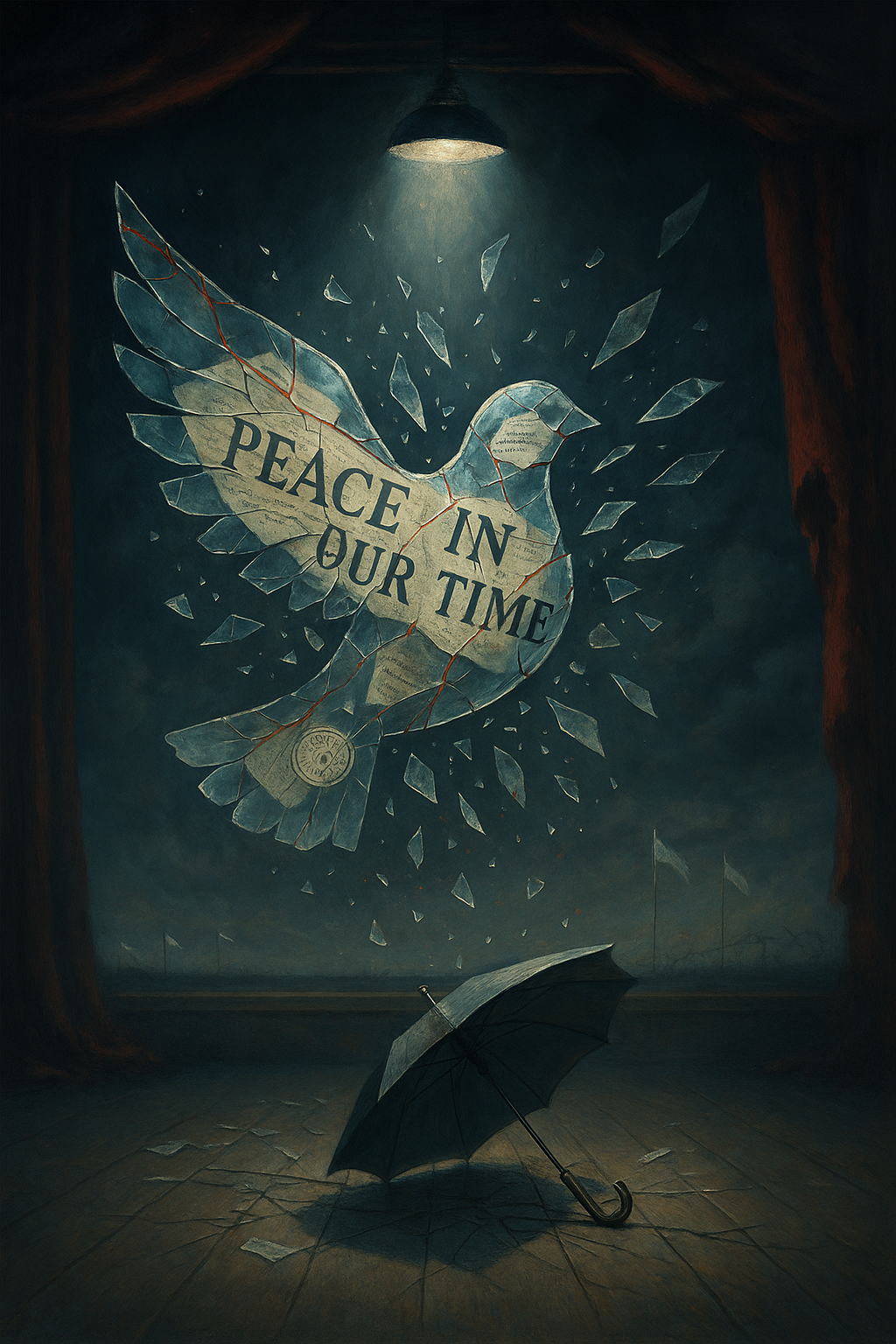
That warning extends beyond Gaza. With Hezbollah and Iran, the temptation to declare “peace in our time” is powerful theater—much beloved by outside audiences—but it rarely reflects the underlying realities that determine whether violence returns. Israel should know this; the world too often prefers to perform in the show.
Gaza / Hamas: hostages home, infrastructure not
Operationally, Israel dealt Hamas severe punishment—wrecking formations, commanders, and launch stocks. Strategically, however, Hamas built for survivability during lulls: subterranean networks, dispersed workshops, cached inputs. Unless those production lines and logistics are verifiably dismantled or made prohibitively costly to regenerate, a ceasefire functions as operational oxygen. The current truce, maintained with intense US shuttle diplomacy, is fragile; humanitarian logic rightly underwrites it, but the force-regeneration logic works for Hamas unless the ecosystem is broken.
Lebanon / Hezbollah: historic Israeli blows, but not a finish
Here, 2024–2025 featured unprecedented Israeli offensive action. In September 2024, the covert “exploding pagers / walkie-talkies” operation injured or sidelined large numbers of Hezbollah operatives and also harmed civilians—a shock to the organization’s internal communications chain. Days later, Hassan Nasrallah was assassinated, a watershed event acknowledged a year on—even as Hezbollah vowed no disarmament. Israel also continued to target precision-missile production and upgrade nodes. These were historic degradations of leadership and parts of the production base. Yet the lesson is not “mission accomplished”; it is that pauses without intrusive verification and sustained interdiction allow regeneration, especially with external sponsorship. The border is quieter than at the peak, but the ecosystem was hurt, not finished.
Iran: the 12-day war and the supply-side problem
June 2025 clarified the center of gravity. During a 12-day Israel–Iran war, the United States joined Israel in striking Iranian nuclear sites with an unprecedented set of attacks. Washington touted severe damage; Tehran dismissed claims of “destruction”; independent and arms-control reporting assessed significant but not irreparable setbacks. The key strategic point isn’t semantic—it’s structural: Iran’s model is a distributed pipeline of parts, know-how, funds, and training to proxies. Unless that supply-side web is degraded and deterred over time, local ceasefires on the Gaza or Lebanon fronts do not close the tap; they merely create breathing room for replenishment.
Why “peace in our time” keeps backfiring
Ceasefires are not doomed by nature; badly sequenced and weakly enforced ceasefires are. A pause that lands before the adversary reaches a “hurting stalemate” and before its war-making ecosystem (leaders, workshops, logistics, financing) falls below a regeneration threshold rewards endurance rather than reform. The humanitarian dividend is real—and morally weighty—but the strategic dividend is illusory if the adversary’s intent, capacity, and supply remain intact.
A checklist before blessing any pause
To ensure pauses end violence rather than incubate it, policymakers should condition them on five verifiable tests:
- Intent Test (Hurting Stalemate or Behavioral Shift). Has the adversary’s leadership demonstrably shifted aims because continued fighting is costlier than compromise? If doctrine, rhetoric, and practice still telegraph maximalist goals, the ceasefire is early. (Hamas’s political posture during the current truce, and Hezbollah’s post-Nasrallah stance, should be read with this in mind.)
- Capacity Test (Below the Regeneration Threshold). Are command cadres, skilled technicians, workshops, storage nodes, and—crucially in Gaza—tunnels and inputs degraded to the point where rapid reconstitution is unlikely? If the “tunnel city” and production pipelines persist, another round is a matter of time.
- Supply-Side Test (External Interdiction). Are Tehran’s funding, training, and component flows under sustained pressure such that deliveries become unreliable and costly? The June strikes showed that damage can be inflicted—yet even the US and Iran disagree on the depth and durability of that damage. If the web keeps working, local degradations are temporary by design.
- Verification Test (Access with Consequences). Who verifies, with what access, and what happens upon breach? Post-2024 Lebanon demonstrates that mandates without muscle curdle into symbolism; enforcement must be intrusive and trigger penalties, not just file reports.
- Governance Test (A Real Alternative). If an armed group’s protection rackets and parallel services remain the dominant authority once guns fall silent, a pause raises its prestige. A credible civil order must be stood up during the pause, not promised after “talks.”
The point
Israel—and its partners—deserve credit for bringing the living hostages home. But celebrating that success shouldn’t blind us to unfinished strategic work. In Gaza, production and tunnels must be verified down; in Lebanon, post-Nasrallah Hezbollah must be prevented from rebuilding precision capacity under a truce’s cover; in Iran, the supplier network must face sustained interdiction, not a single spasm of strikes. Otherwise, the ceasefire we applaud today becomes the intermission before the next act.
“Peace in our time” sounds wonderful. Too often, it’s theater. A durable peace will come only when pauses land after the coercive inflection point—when intent, capacity, and supply have been ground down and locked down, not merely paused. That is the difference between ending a war and scheduling its sequel.