
Children of Israel-Gaza: War, Trauma & Healing
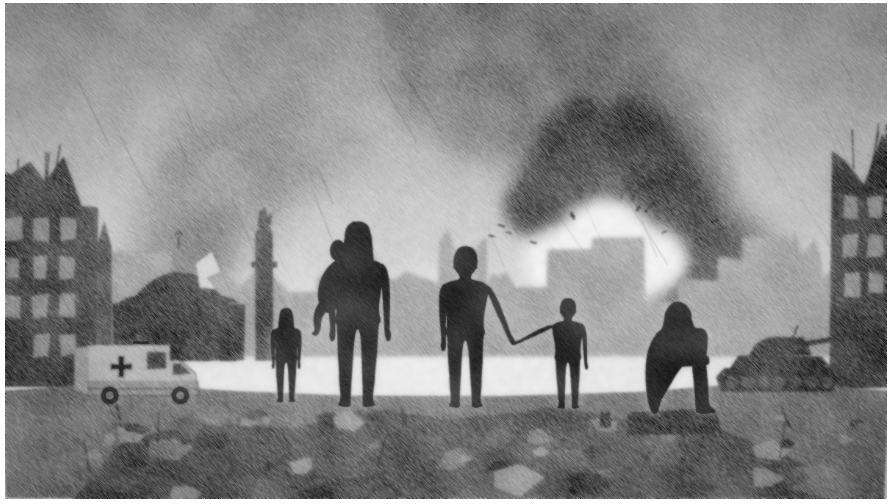
The third anniversary of 7 October 2023 arrives this week. On that day Hamas-led militants killed some 1,200 people, mostly civilians, and took 251 hostages, children among them. The last hostage was returned to Israel on 26 January 2026, after 843 days. The wounds of freed captives, and of children who witnessed violence or lost parents and siblings, will outlast the headlines.
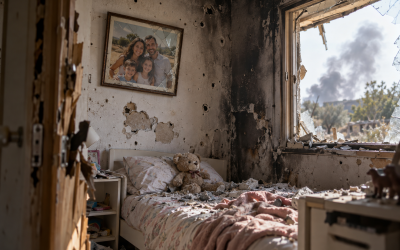
Psychologically, war and loss disrupt a child’s basic sense of safety, predictability and emotional security. Sleep, concentration, attachment and behavior may all suffer, in ways shaped by the child’s age, earlier experiences and available support. Not every exposed child develops a disorder, and stable relationships and early psychosocial help can protect against one. Still, one survey found that 41.9% of Israeli adolescents met the threshold for probable PTSD about a year after the attack, and its authors urged youth-centred trauma services, including for exposure through the media.
In Gaza the toll on children is far heavier. UNICEF reports that between October 2023 and the end of June 2026, at least 21,700 children were reported killed and at least 45,000 injured, with 277 killed since the ceasefire of 10 October 2025. Nearly nine in ten children consulted asked for psychological support, and about 800,000 remain displaced.
A UNICEF phone survey of 2,071 households found that caregivers reported sleep problems (40%), bedwetting (32%), aggression (19%) and withdrawal (15%) in their children, 92% of them beginning after October 2023. The average household had been displaced more than eight times, and only 13% of caregivers knew of any mental health support. These are caregiver reports of distress, not diagnoses, which only clinical assessment can establish.
Trajectory of Trauma: Acute stress reactions appear within the first month and may resolve; if symptoms persist, PTSD may be diagnosed. Complex PTSD, described by psychiatrist Dr Judith Herman and recognised in ICD-11, follows prolonged and repeated trauma, and psychiatrist Dr Bessel van der Kolk’s concept of developmental trauma shows how chronic fear in childhood disrupts attachment and self-regulation.
Where danger continues, the “post” in post-traumatic is often a misnomer, as true for families living with uncertainty in Israel as for those sheltering in Gaza. The child psychoanalysts Anna Freud and Dorothy Burlingham observed that separation from parents could distress young children more than the bombing itself, a reminder that caregivers are a child’s first protection.
Assessment and Age-Appropriate Screening is important. Assessment should begin with safety and basic needs, including the caregiver’s own functioning. Young children are best understood through caregiver interviews and play, school-age children through validated tools such as the Child PTSD Symptom Scale, and adolescents through self-report with careful attention to suicide risk, all offered only where referral pathways exist. Management is best tentative and stepped: restore safety and routine first, then refer for the trauma-focused therapy that WHO recommends for children with PTSD where symptoms persist.
Beyond the Hamas Attack on October 7, 2023: This trauma has a longer history. Since 1948, when the war that founded Israel, remembered by Israelis as the War of Independence and by Palestinians as the Nakba, left more than 700,000 Palestinians displaced. Generations on both sides have grown up through wars, uprisings and campaigns, each leaving its own bereaved and frightened children. Repetition does its own psychological work. When violence recurs, it stops being an event and becomes the climate of childhood, and children learn to expect it. Psychologists Rowell Huesmann and Eric Dubow of the University of Michigan followed Israeli and Palestinian children for six years and found that exposure to political violence was linked to seeing aggression as normal, which in turn predicted later aggressive behavior, although most of the children proved resilient.
That is why mental health care cannot be an emergency or contingency measure that arrives after each war. In societies that have lived with conflict across three generations, it must be as routine as vaccination: teachers and school counsellors trained in psychological first aid, regular age-appropriate check-ins, support for parents, and a clear path to specialist care, available in Israel and Gaza alike. Resilience is real, but it is built by adults who notice, and it erodes when no one does.
Those who were children on 7 October 2023, in a home near the Gaza border or in a shelter in Gaza, are three years older now. Sleep, the most common problem caregivers in Gaza report, is often the first casualty. The true measure of this third-anniversary is not how we remember that morning, but whether the next morning is safe enough for a child to rest. Healing begins there.
*With inputs from my friend and colleague Dr Divya Malhotra, Delhi-based researcher on Israeli foreign policy.