Chukat and the Cost of Silence
Every year, as Jewish communities gather to mark holidays, milestones, and life transitions, we speak about identity, legacy, and memory. But there is one conversation that often remains unspoken in our shul, synagogues, community centers, and even around our Shabbat tables: adoption from the perspective of a Jewish birthmother.
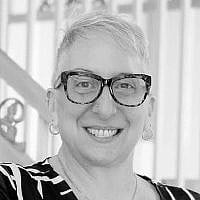
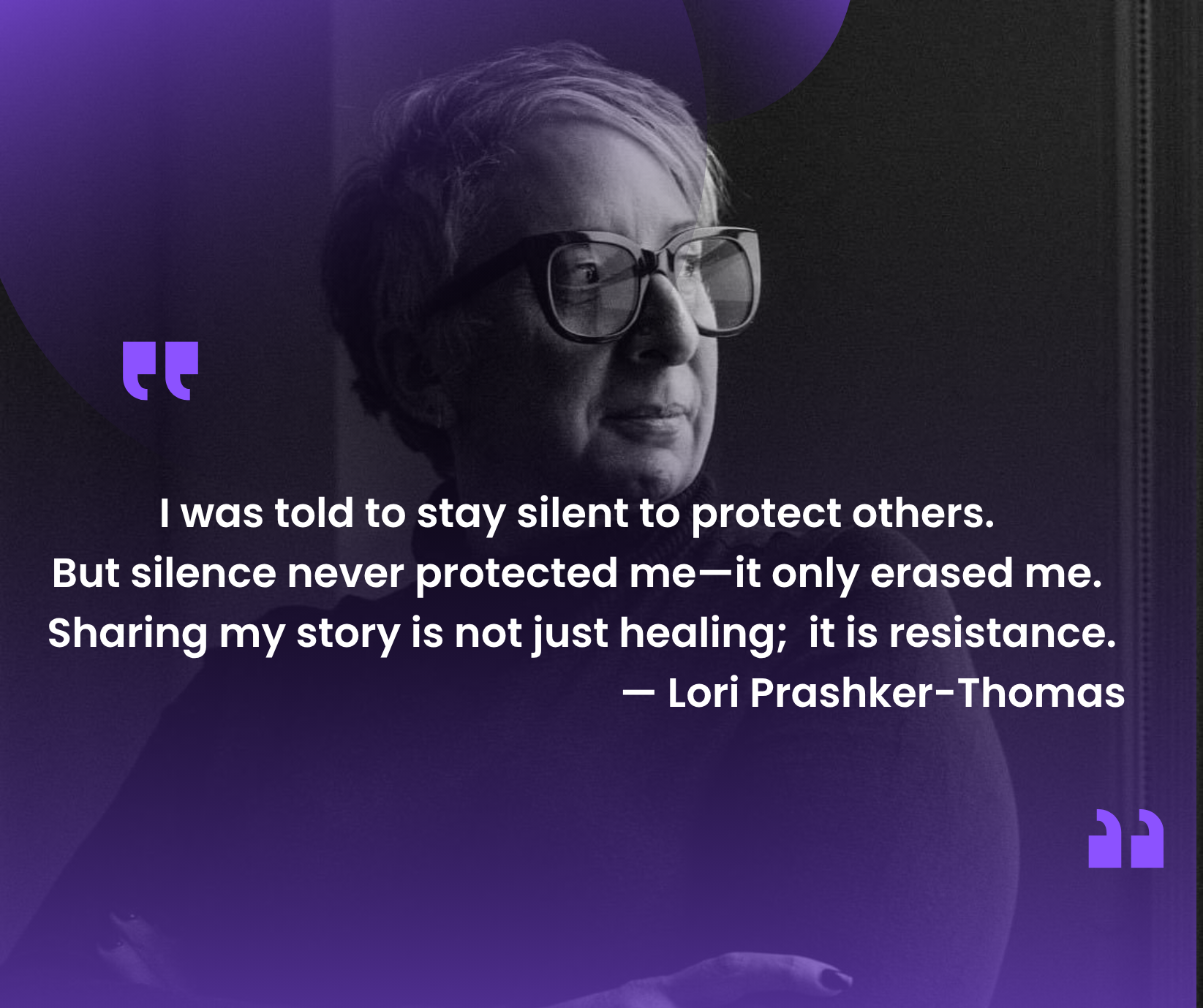
I am that birthmother. And for too long, I stayed silent.
In my book From Mistakes to Miracles, I peeled back the painful layers of my own story—one rooted in shame, secrecy, and spiritual reckoning. I was a Jewish woman who became pregnant. I was told to disappear, to protect “my future,” and to give my child “a better life.” I did what I was told. And then I lived with the quiet ache of that decision for decades.
This week’s Torah portion, Parshat Chukat, begins with the ultimate divine mystery—the laws of the red heifer, a ritual command that even our sages admitted they could not rationally explain. The ashes of the red heifer are used to purify those who have come into contact with death—yet those who prepare the ashes become impure in the process.
That paradox has stayed with me.
Because being a birthmother often feels like living that contradiction. I was expected to “do the right thing,” to bring life and hope to another family. And yet, in doing so, I was left grieving in silence—made invisible, even impure, in the eyes of the world around me. There was no mourning ritual. No words of comfort. Just the expectation that I would move on.
Judaism, a tradition built on family and continuity, rarely knows what to do with women like me. Birthmothers are often erased from the narrative—seen as broken, sinful, or simply not discussed. But if we, as a community, are serious about chesed (loving-kindness), tikkun olam (repairing the world), and emet (truth), then we must also be willing to listen to the full range of lived experiences—including those that challenge our comfort zones.
I have received messages from countless Jewish women, across generations, who tell me, “I thought I was the only one.” They are rabbis, teachers, and daughters of Holocaust survivors. They are mothers who never got to mother. Their stories deserve more than whispers.
As an author and advocate, I speak not just for myself, but for those who are still afraid to speak. I challenge Jewish institutions to stop hiding from uncomfortable truths. Let us create spaces where birthmothers are not judged but supported. Where adopted individuals can ask questions without guilt. Where the language we use honors all members of the adoption triad—birthparents, adoptive families, and adoptees.
I am proud of my Jewish identity. And I am proud of my journey toward healing. But we cannot continue to claim “family is everything” while excluding the voices of those who had to surrender theirs.
Parshat Chukat reminds us that there are some experiences we may never fully understand—but that does not mean they do not hold truth, or holiness, or pain that deserves to be acknowledged.
It is time to make room at the table.