
I’m a teacher and a parent. When is a strike one too many?
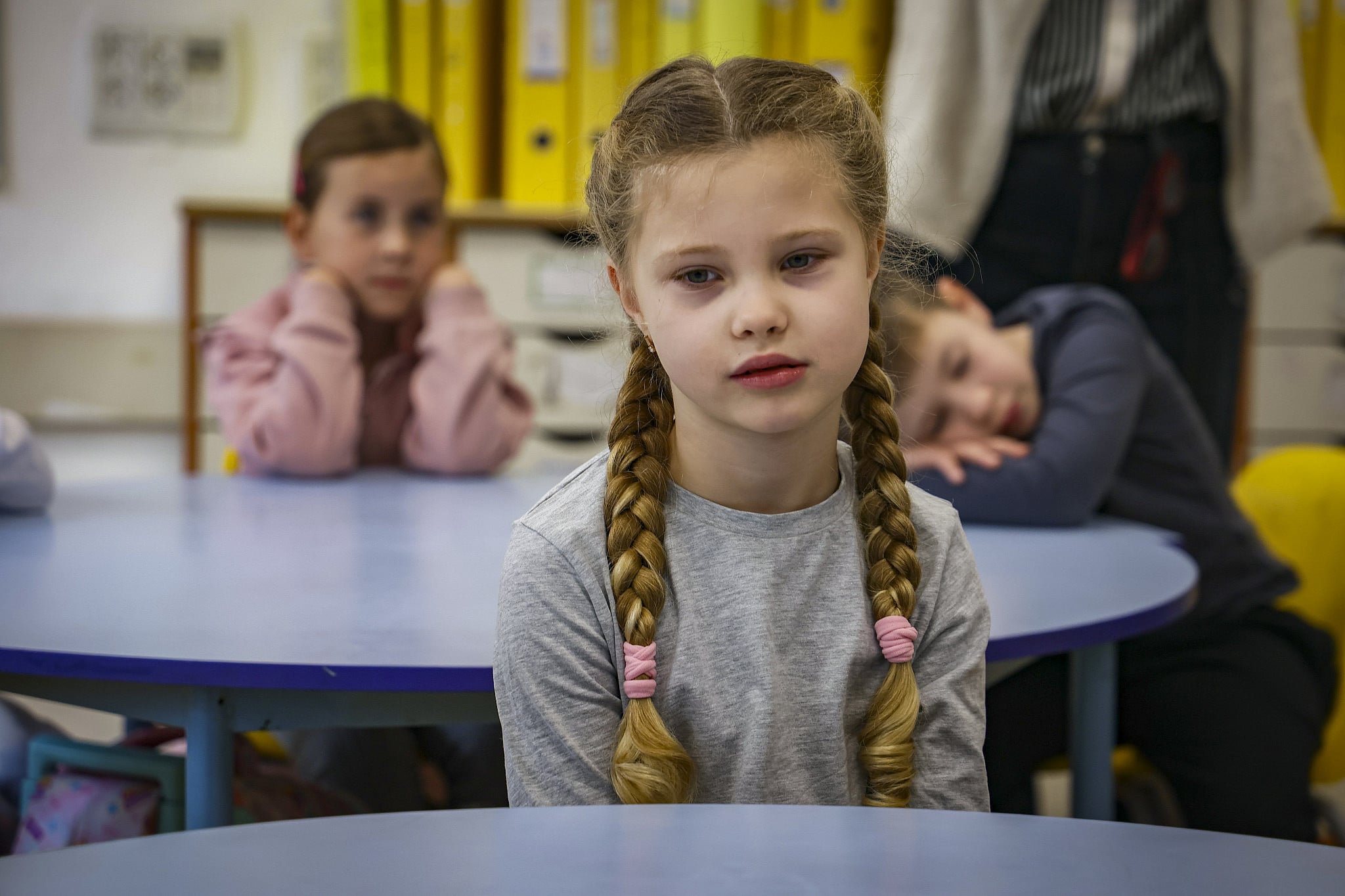
Being a teacher today is often called a “special” profession, but by special, I mean that very few people would actually choose it. The pay doesn’t come close to matching the emotional and mental toll, but the financial strain is only part of the story. The entire social dynamic has shifted. It used to be that parents and teachers stood together as a united front to guide and support the student.
I remember growing up knowing that if a teacher called, I was in for it. Even if I was correct or felt that I was, being disrespectful towards an adult was not okay no matter what. Today, it often feels like an adversarial contest — parents and students aligned against the teacher, turning routine classroom management into a constant defense of your professional integrity.
Technology has dismantled whatever healthy boundaries once existed. With WhatsApp groups and instant messaging, the expectation is that a teacher is never off the clock—accessible at all hours of the evening for complaints, questions, and demands. I remember the first time I got a message from a student at 12:30 at night asking about the homework that was due the next day. I didn’t respond, but I remember being shocked that this occurred.
Alongside this constant digital noise is a darker, more troubling reality: a visible upsurge in classroom aggression and violence. Whether technology simply amplifies how much we hear about these incidents or the behavior itself is escalating, the result is the same. It casts a long, exhausting shadow over educators who are just trying to do their jobs safely.
Standing on both sides of this divide — as an educator in the classroom and a parent at home — is both a blessing and a burden. On the one hand, being a parent gives me immense empathy for the families I work with. Raising children is genuinely hard; expecting kids to sit still, focus, and thrive for hours on end is an uphill battle, and I understand that reality. But on the other hand, being a teacher means I know exactly how the machinery operates from the inside. I see how rigid the system can be, and how easily a child can fall through the cracks if their parents don’t know the exact levers to pull, the right questions to ask, or how to advocate within the bureaucracy.
For the last five years in Israel, we have lived through an endless loop of national crises — COVID disruptions, political turmoil, security escalations, and war. While national emergencies understandably demand immediate attention, education has consistently been relegated to the back seat. There is a profound lack of genuine investment and effort put into the foundations of our school system. If you tell an average Israeli today that you are considering becoming a teacher, they will literally laugh in your face. And who could blame them? When you look at the low starting salaries, the lack of societal respect, and the overwhelming daily conditions, the profession has become almost impossible to sell to the next generation.
As a high school teacher, I am a member of the Teachers Association led by Ran Erez. Over the past several years, our union has fought tooth and nail for essential structural demands: fair wages that match a brutal cost of living, real protections against classroom violence, and basic dignity in our working conditions. Every single one of those demands is justified. Yet, every time we take labor action or walk out on strike, it lands with devastating force on the students. Israeli children have not experienced a single year of stable, continuous learning in half a decade. Routine, stability, and academic momentum are repeatedly shattered — if not by a war or an emergency drill, then by a labor dispute.
Now, government officials propose introducing private, individual contracts as a way to attract outside talent and bypass collective bargaining. But this misses the entire point. Private contracts don’t fix the environment inside the classroom. They don’t curb student aggression, they don’t lower class sizes, and they don’t restore societal respect to the profession. Patchwork hiring measures won’t solve the fact that people simply do not want to be teachers in a system running on empty.
Standing in the middle as both an educator and a parent leaves you in an agonizing bind. Where is our breaking point? When do we say that enough is enough for the students, who desperately need stability — and when do we say enough is enough for the teachers, who cannot keep working under unsustainable strain?
So I ask you — fellow teachers, parents, and community members: What actually fixes this? How do we protect educators without failing the next generation?