
Cologne, coexistence and the audacity of disrespect
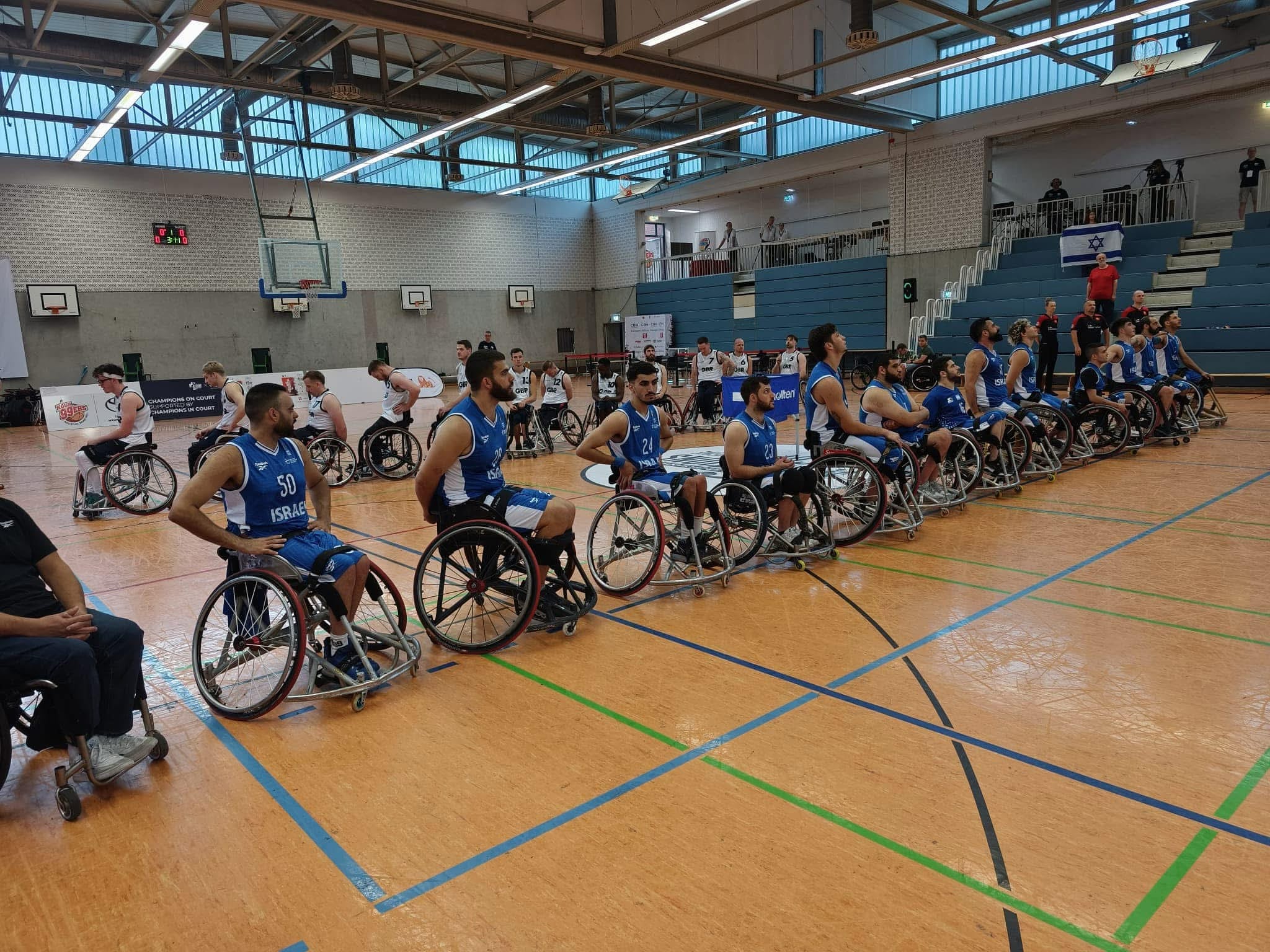
In 2018, I wrote about the “Warrior Moms” of Israel’s U22 wheelchair basketball team, Jewish, Muslim, and Christian moms who cheered as their sons played side by side. Seven years later, the world has changed beyond recognition. War and division have scarred every community. And yet those boys, now men, are still together on Israel’s national team. Their connection with one another has only deepened, forged through years of training, setbacks, victories, and the simple fact that they grew up together in this sport. What was once potential has become commitment. What was once hope is now reality. At the Nations’ Cup in Cologne, they faced Great Britain, one of the world’s top squads, and the kind of open disrespect that revealed more about their opponents than about them.
In their match against Israel, Great Britain’s players turned their backs during our national anthem, Hatikvah. Great Britain, a team ranked among the best in the world, with all the medals and history to prove it, chose not professionalism but arrogance. They disrespected not only Israel’s anthem but a team that is itself a mosaic of Jews, Muslims, and Christians, athletes who embody, every single day, the coexistence the world pretends to search for in this region.
The irony is thick. Britain, an empire that fueled the slave trade, colonized continents, and helped engineer the chaos of the modern Middle East, showed the audacity to politicize sport against a group of young men whose only “crime” is rolling onto a court together under the same flag.
Yes, Britain won the game by ten points. Hardly a humiliation for Israel given their high world ranking. But in choosing to act with contempt, they lost something far greater: respect.
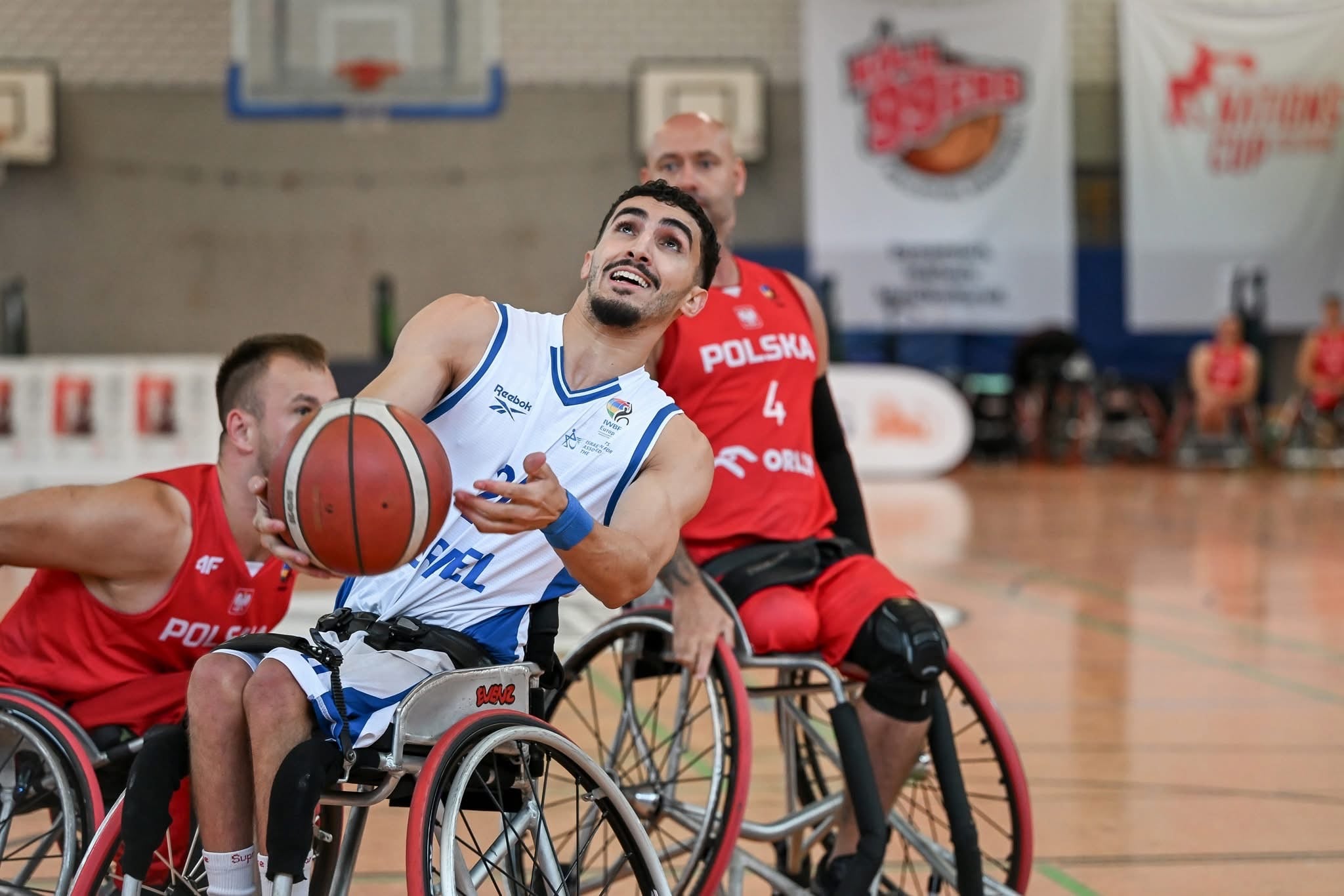
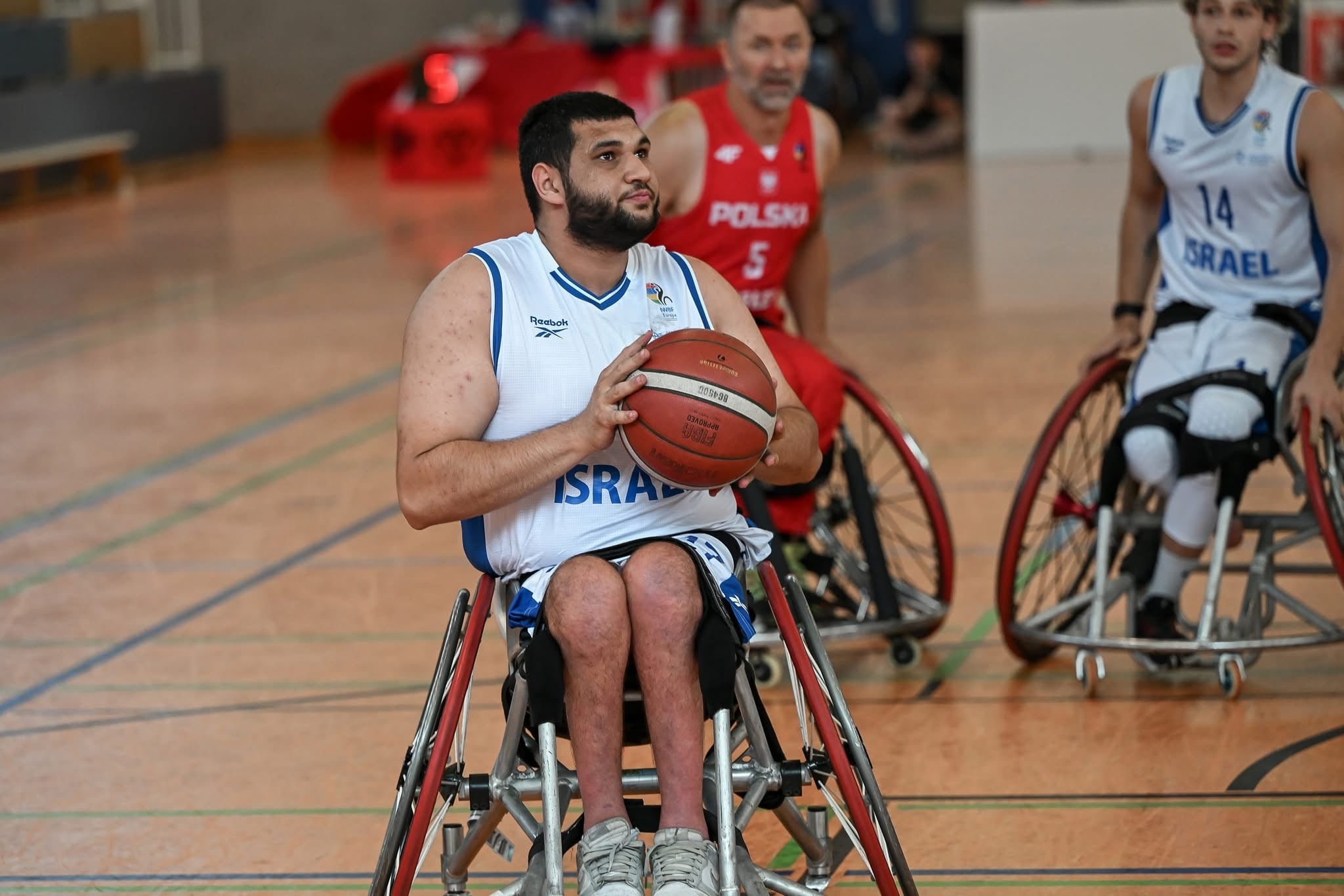
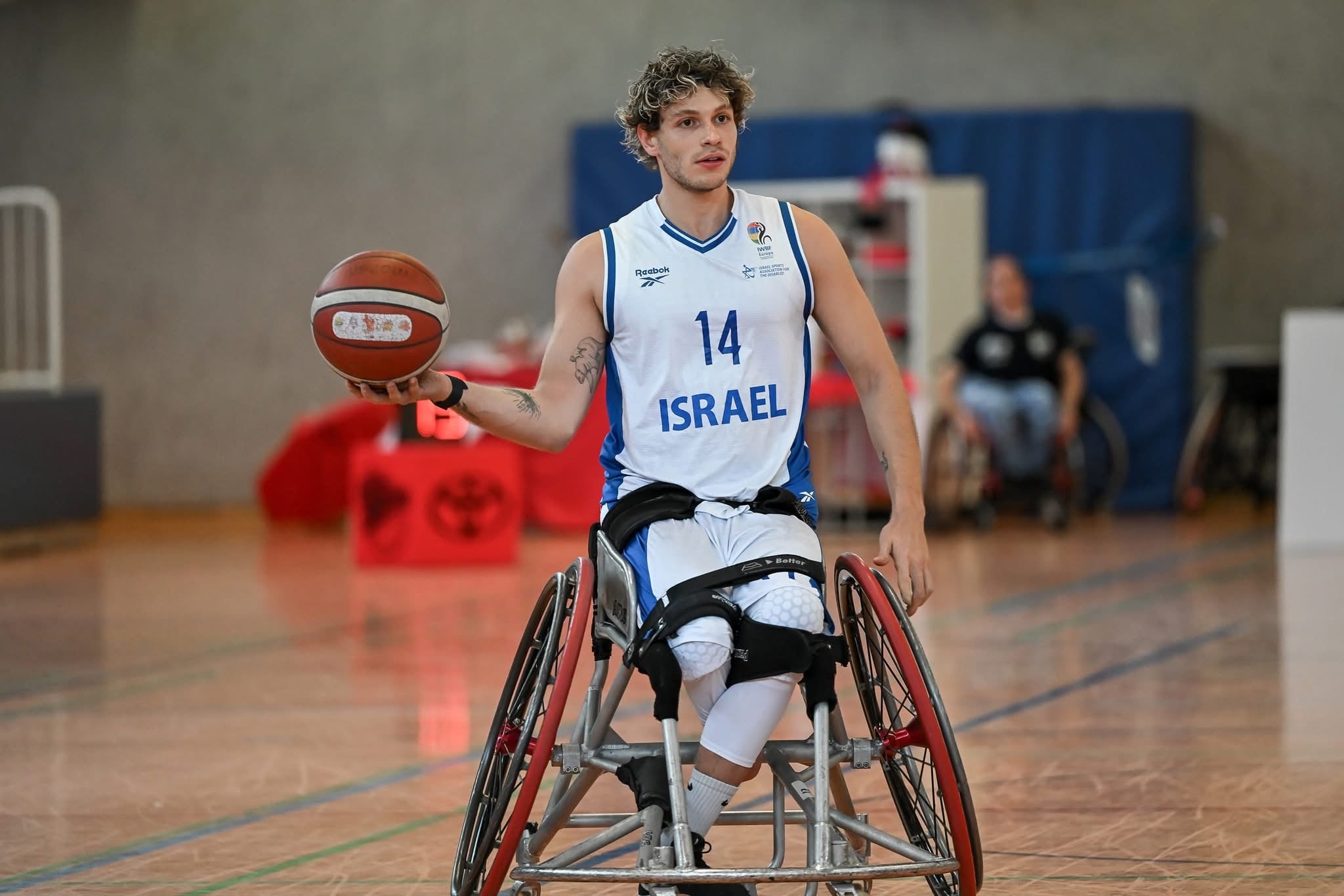
Israel, meanwhile, answered in the best possible way – on the court. In the very next game, the team stormed back to beat Poland 83–80 in a fourth-quarter comeback. It wasn’t just the box score, though Amit Vigoda’s 26 points, Radi Dagamin’s 21, and Ibrahim Bahou’s 10 stood out.
-

- Radi Dagamin
-

- Amit Vigoda
It was the collective resilience of the entire roster, from those who played heavy minutes to those who pushed from the bench, from the support staff who prepare them daily to the coaches who have been with them since youth. Head coach Lior Dror and assistant coach Gadi Slovik, the same men who guided them in 2018, pulled them together once again.
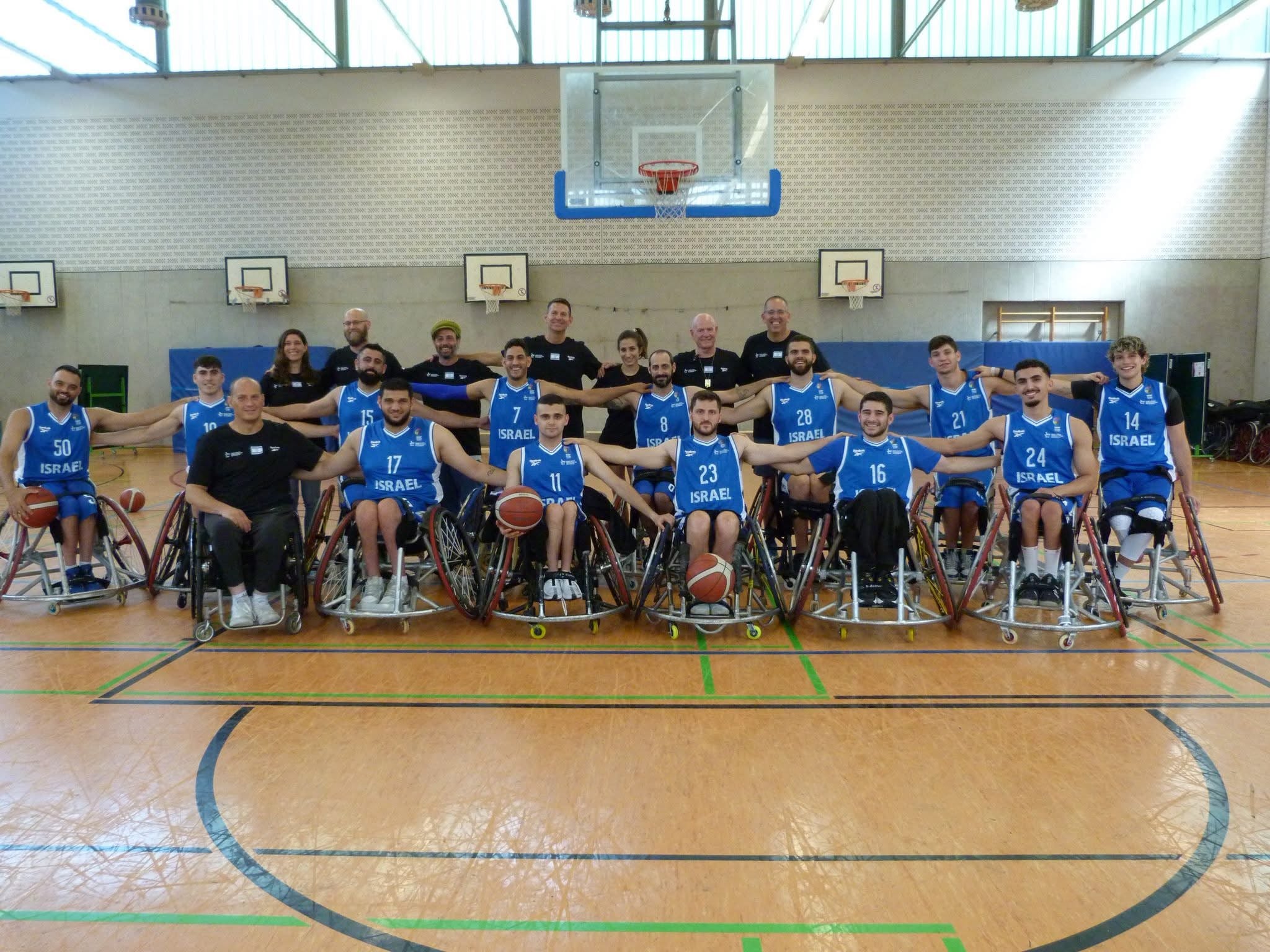
This win belonged to the team, every man and woman in blue and white, on and off the court.
The Nations’ Cup was a tune-up for October’s European Championships in Sarajevo. The draw is set. Israel and Great Britain will meet again in the same group. This story is not over.
The world has changed since 2018. COVID, the Russia-Ukraine war, rising political extremism, and here in Israel, the horrors of October 7th and the ongoing war in Gaza. The world is harsher, less innocent. And yet on that court in Cologne, Israel’s wheelchair basketball team reminded us of something elemental: dignity in the face of insult, unity across faith and culture, and resilience that transcends politics.
They don’t just represent what Israel could be. In today’s fractured world, they represent what humanity must learn to be. And perhaps the “men” of so-called Great Britain, the remnants of an empire, who turned their backs, could learn it most of all.