
Dear Israelis, we must not forget the peace between our countries

For more than three decades, the peace treaty between Jordan and Israel has endured regional upheaval and persistent political disagreements. Relations have deteriorated, public hostility has deepened, and the distance between our societies remains considerable. Peace has fallen short of the hopes that accompanied its signing.
Yet the treaty has survived October 7 and its aftermath – a period that could have broken the relationship. That survival matters. It demonstrates the value of a peace agreement even when political relations are strained and public hostility runs deep.
But past resilience is no guarantee of future stability. The danger is that deteriorating political and social relations will eventually undermine security cooperation itself, weakening one of the treaty’s most important achievements: enabling two neighbouring countries to manage their differences without resorting to confrontation.
This risk deserves particular attention as Israel draws lessons from October 7 and reshapes its approach to national security. The trauma of the attack has understandably intensified Israel’s determination to prevent another catastrophe. October 7 shattered confidence in the country’s intelligence, deterrence and military preparedness. Periods of quiet no longer offer the same reassurance, and diplomatic agreements may seem inadequate safeguards against future threats.
The danger is that Israel may come to pursue security primarily through suspicion, pre-emption, unilateral action and force. Military preparedness is indispensable, but it cannot eliminate every risk or substitute for the diplomatic relationships and security cooperation that help manage threats before they escalate. If no period of quiet inspires confidence and no agreement is considered reliable, diplomacy itself risks being dismissed as a security tool. Yet the relationships that help prevent conflict deserve no less attention than the military capabilities needed to fight one.
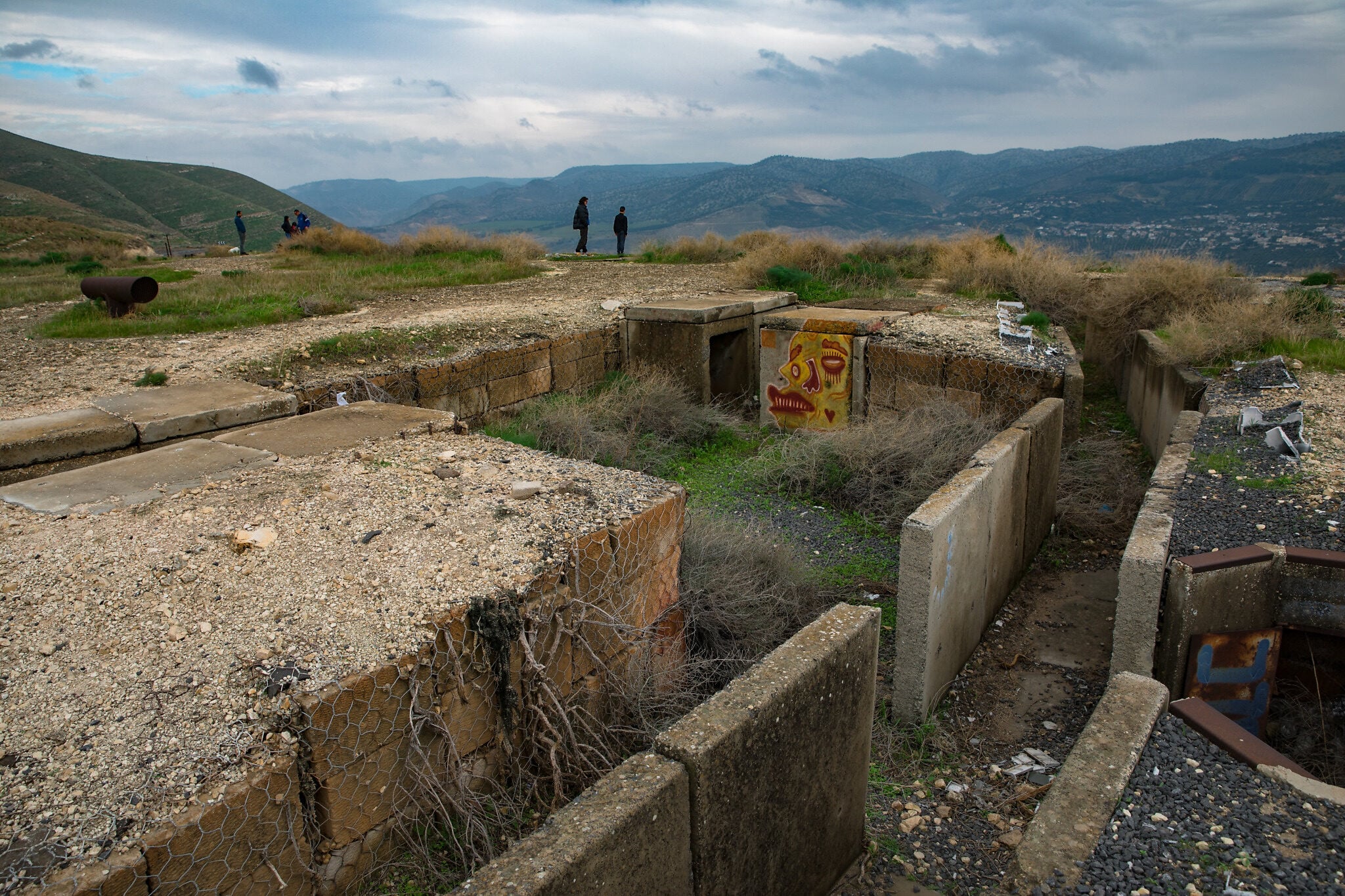
Israel’s evolving approach to its eastern border offers a concrete illustration. For decades, the border with Jordan has been among the quietest in the region. In December 2025, Israel began construction of a new security barrier along the Jordanian border, with plans to extend it from the Yarmouk River to Eilat. The project includes a physical barrier, surveillance technology and other security infrastructure. On October 15, 2026, Prime Minister Benjamin Netanyahu visited the border and described the barrier as part of a broader effort to strengthen Israel’s defences.
A stronger border barrier need not come at the expense of peace. But physical defences cannot replace the cooperation that has helped keep this border quiet. If security cooperation becomes the next casualty of deteriorating relations, the consequences will extend far beyond diplomatic tensions. The treaty could remain formally intact while losing much of its practical substance. Communication and coordination could weaken, leaving both countries less able to defuse crises. A relationship built over three decades can lose its strategic value long before the treaty itself is abandoned.
For Jordan, a stable relationship with Israel is a national security imperative. Amman cannot afford to see it become another source of regional instability. Jordan must navigate regional conflicts, protect its national interests and contend with pressures beyond its borders. It also has legitimate concerns about Israeli policies and actions that destabilise the region and strain bilateral relations.
For Israel, the relationship is equally consequential. Peace with Jordan provides stability along a strategically important border, a foundation for cooperation with a neighbouring Arab state and channels for addressing disagreements before they become crises. It cannot eliminate threats or resolve every dispute, but it helps both countries manage challenges that neither can address alone.
The consequences of deteriorating relations would not be confined to Jordan and Israel. The region is already marked by overlapping conflicts, competing powers and the risk of crises spreading across borders. Rising tensions between Amman and Jerusalem could create further opportunities for Iran and its proxies to exploit regional divisions. Although the two countries will not always share the same assessments or priorities, their interests overlap in confronting security threats and preventing hostile actors from exploiting instability. As bilateral tensions rise, opportunities for cooperation shrink, with consequences for a region where instability rarely respects national borders.
Israel’s experience since October 7 should therefore prompt a broader understanding of what national security demands. This is not an argument for complacency or blind trust, but for distinguishing between vigilance and permanent suspicion. No agreement can guarantee absolute safety. The question is whether it helps a country manage uncertainty more effectively than it could without it. The treaty with Jordan has done precisely that, even through periods of profound disagreement. Its strength lies not in guaranteeing peace, but in making conflict less likely.
Preserving the treaty should be the minimum objective, not the ultimate ambition. Both governments must actively protect the cooperation that gives it meaning, maintain communication through crises and prevent political disputes from eroding shared security interests. Jordan and Israel need not pretend that their political relations are good or that their societies are close to recognise what is at stake. But neither can afford to take peace for granted. It will endure only if both sides treat it as an asset worth protecting.
There is a cruel irony in how October has become so deeply associated with loss and tragedy in Israel. Yet October carries another memory, too. Thirty-two years ago, Israel and Jordan chose to imagine a different future for their peoples—a future in which peace could bring greater security and allow our children to inherit a different Middle East from the one we have known. That promise has never mattered more than it does today.
October 7 changed Israel. It should not erase the lessons of October 26, 1994. Peace with Jordan is not a footnote to Israel’s security; it is one of its foundations. The relationships a country chooses to preserve and strengthen can be as consequential as the threats it chooses to confront. We cannot afford to forget that.