Decoding Antisemitism: CONIB Presents Atlas and New Combat Platform
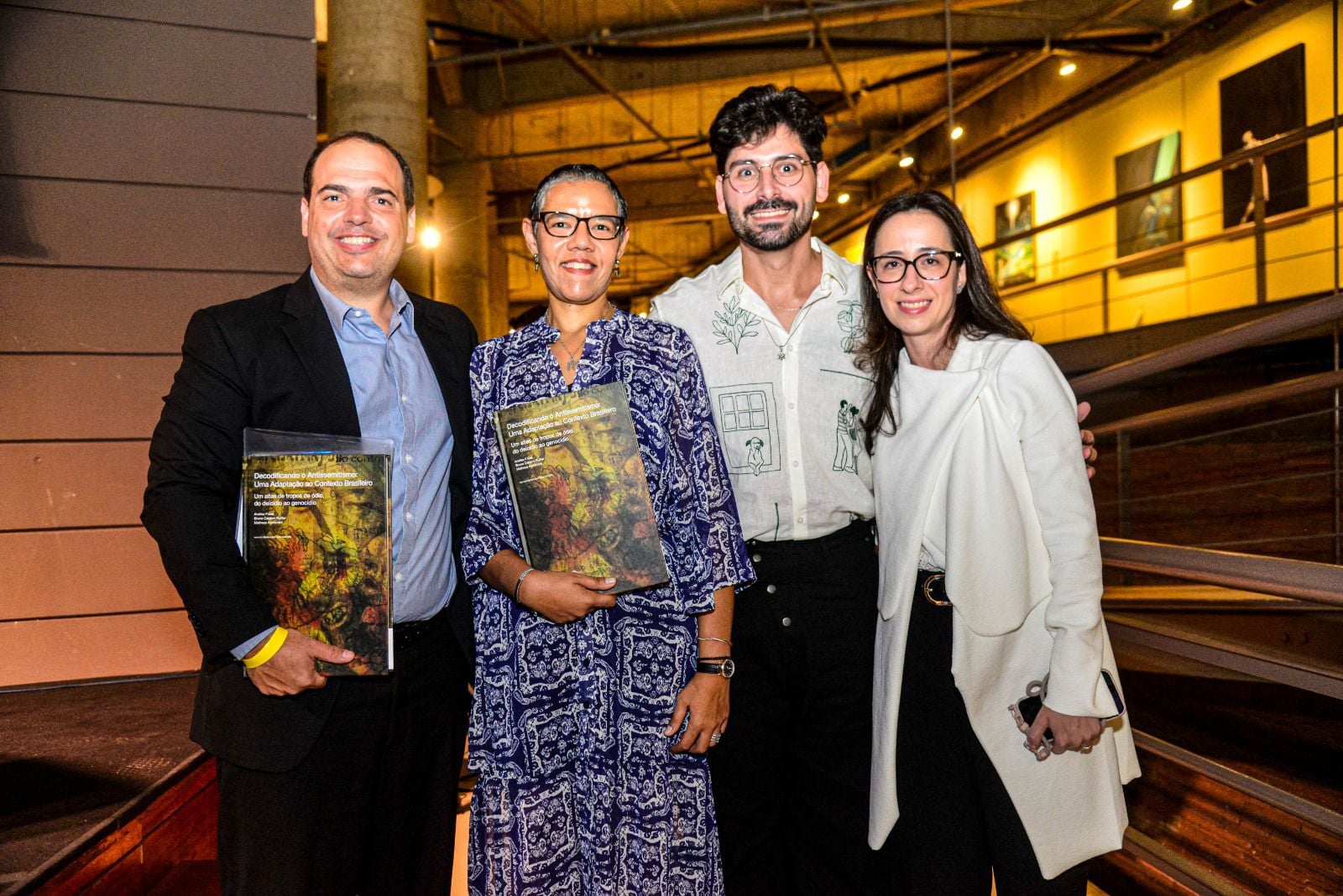
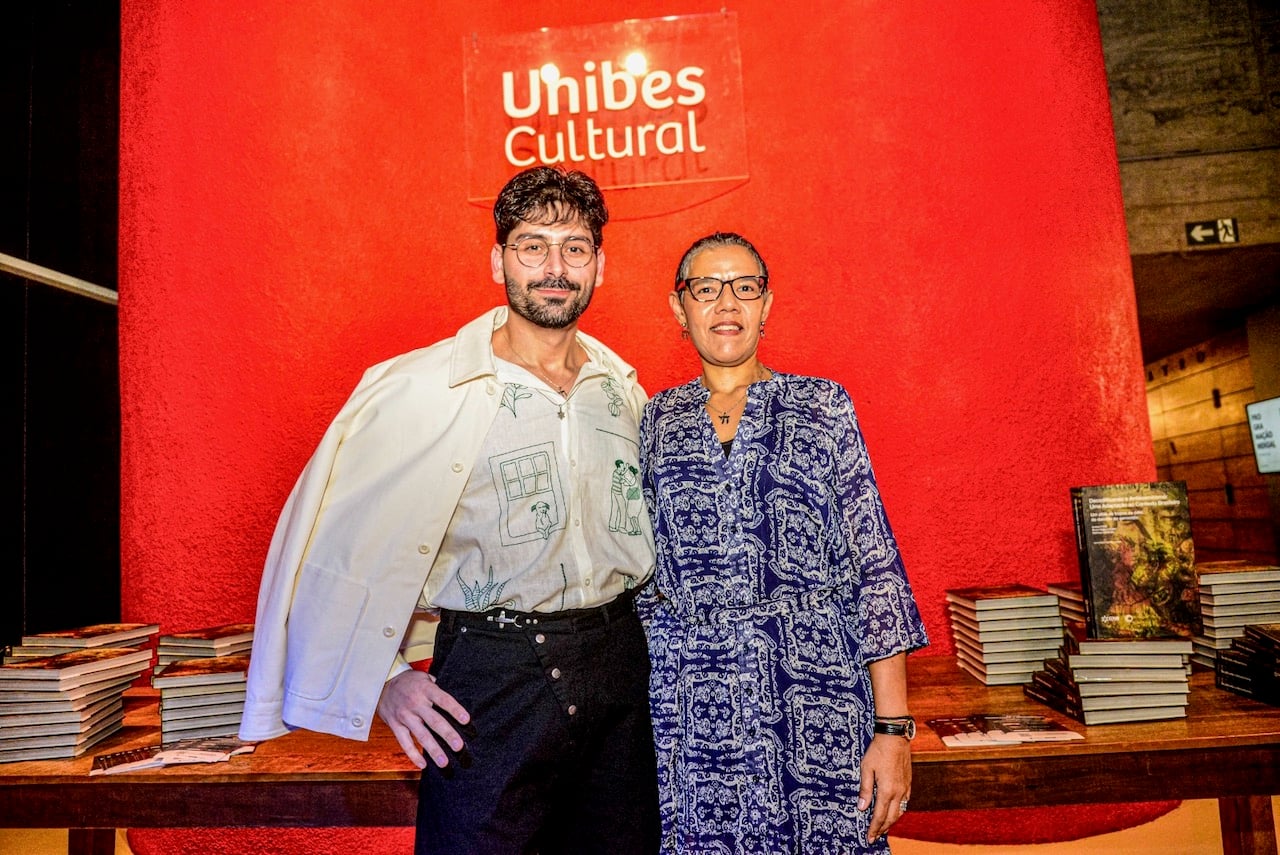
The Brazilian Israelite Confederation (CONIB) launched on Wednesday, September 2, at Unibes Cultural in São Paulo, Decoding Antisemitism, a permanent institutional project aimed at understanding and confronting the many forms of hatred directed against Jews.
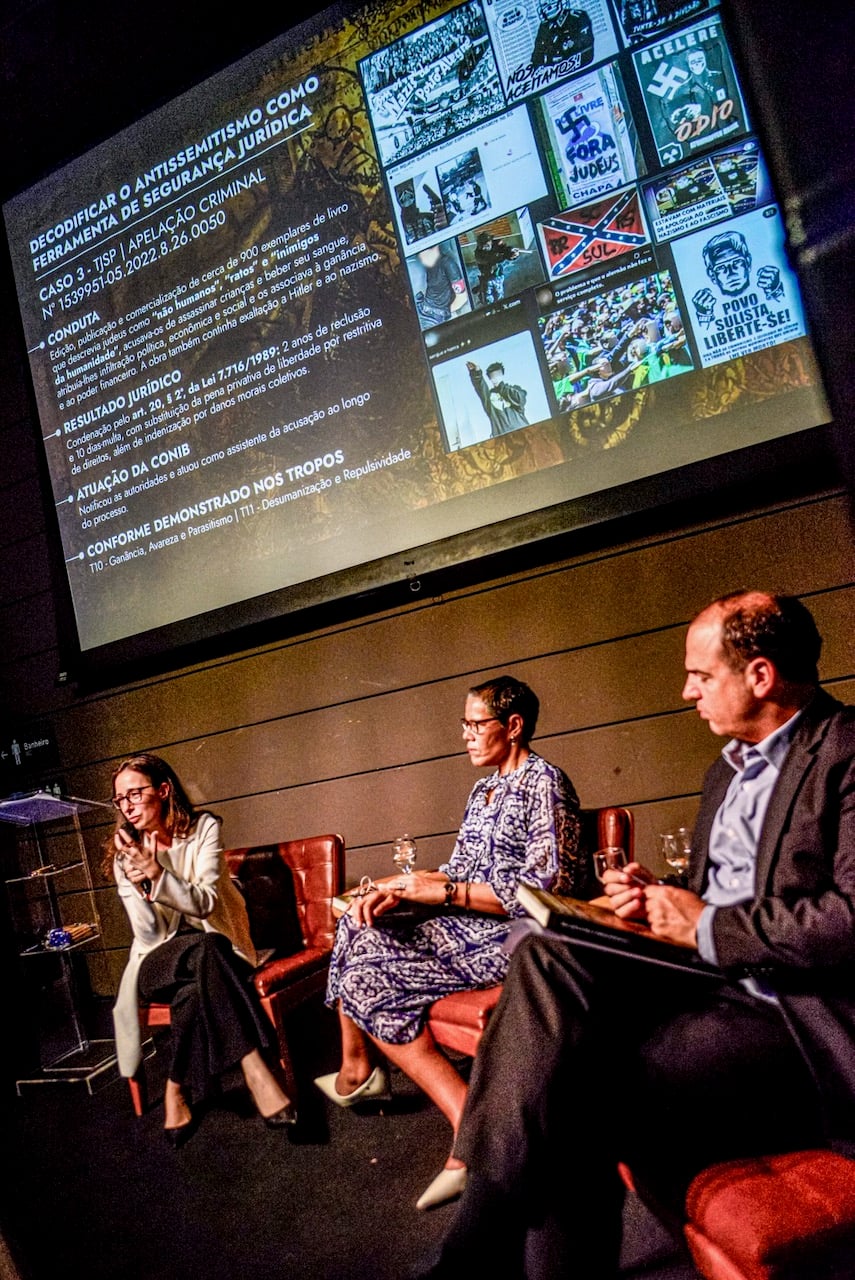
The centerpiece of the initiative is Decoding Antisemitism: An Atlas of Hate Tropes, from Deicide to Genocide, the result of extensive historical, sociological, and iconographic research. Authored by Anelise Fróes, Matheus Alexandre, and Bruno Cardoni Ruffier, with a foreword by historian Maria Luiza Tucci Carneiro, the work investigates how ancient antisemitic stereotypes and narratives have persisted across centuries, adapted to different contexts, and resurfaced in speeches, images, memes, and conspiracy theories.
“The Atlas seeks to provide tools so that people can recognize antisemitism even when it does not appear explicitly. Many of these codes have very old roots, but they are continually updated and incorporated into new languages and contexts. Understanding this trajectory is essential to identifying them today,” emphasized Anelise Fróes, PhD in Social Anthropology and one of the authors.
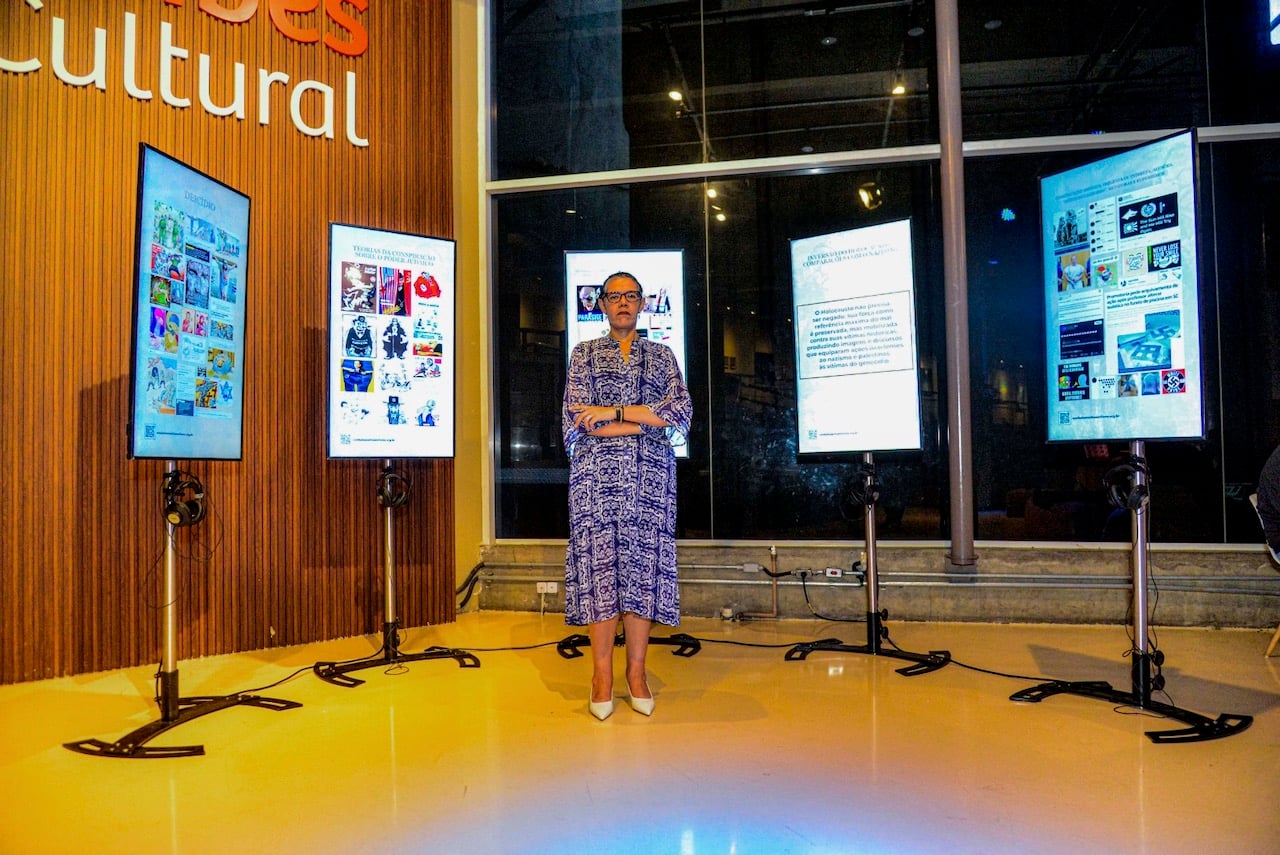
At the launch event, interactive murals allowed the public to explore examples of the tropes analyzed and to understand the methodology behind the research.
Another highlight of the project is the new Platform to Combat Antisemitism, which significantly expands access to CONIB’s content.
Available at www.combateaoantissemitismo.org.br, the portal brings together the full Atlas and more than 2,000 images, as well as podcasts, video lessons, an educational library, reports on antisemitism in Brazil and worldwide, guides, booklets, and documents. The platform also offers a reporting channel and was designed as a permanent environment for information, education, and mobilization, aimed at researchers, educators, students, journalists, professionals from various fields, and society at large.
Rony Vainzof, director of CONIB’s National Project to Confront Antisemitism, noted that one of the challenges is identifying prejudice that appears in coded form:
“This antisemitic content can be translated and revealed through memes. Examples include using a juice box to reference Jews or an emoji with a dollar sign to reproduce the old stereotype associating Jews with greed.”
Andrea Vainer, also leading the project, stressed its educational and permanent nature:
“We want to transform knowledge into prevention and confrontation. The more people are prepared to identify these manifestations, including those that appear disguised or seemingly normalized, the greater our ability to prevent prejudice from advancing.”
The launch comes amid a sharp rise in antisemitism, particularly in digital spaces. According to CONIB’s 2025 Annual Report on Antisemitism in Brazil, 80.9% of recorded incidents occurred on digital platforms. Monitoring identified 115,970 mentions classified as antisemitic, with an estimated potential reach of 66 million people. By bringing together historical research, education, monitoring, reporting, and digital tools in a single initiative, Decoding Antisemitism seeks not only to document the phenomenon but also to ensure its codes are recognized and confronted before they become normalized in public debate.
Access the Platform to Combat Antisemitism: www.combateaoantissemitismo.org.br
Source: Liane G. Zaidler