
Do we remember how to live regular lives?
A strange sensation has taken hold of me over the last few days. It took some time to identify it.
After we finished taking down the sukkah, putting away the serving platters, wiping down the counters and throwing in yet another load of laundry, I stepped into the shower to refresh and reenergize. It was a rare moment of quiet. As the water hit my face, it suddenly hit me — I understood exactly what I was feeling. It was the weight of a silent, unsettling question that had been quietly gnawing at me:
Do we remember what it is like to live regular lives? Do we remember how to live when we are not at war?
I got dressed and glanced down at the yellow hostage pin I have put on every morning. All 20 of the remaining live hostages are miraculously home. Standing. Breathing. We dared to hope they were all alive and struggled to imagine that the last one would be released.
Later, my son came home from shul and told me that after morning prayers, he lingered, expecting more. But then he realized that that was it. No one continued with the extra Psalms we have been reciting three times a day since October 7th. The silence was new and strangely disconcerting.
My husband asked me whether we should put the glass panes back into the safe room window. We removed them that day. For two years, they have sat in the storage closet. I didn’t know what to say. I’m still not sure we are done with sirens.
It is hard to accept intellectually that this war might be over.
We so badly want to believe it. But we know it is not so simple. The bodies of many hostages have yet to be returned. The conditions of the deal have already been broken. We know who we are dealing with. Our enemies do not hide their jihadist intentions. We need to remain vigilant if we want to outsmart and outmaneuver those who seek to harm us. No one wants to be caught off guard again.
Emotionally, it is even harder to internalize that this war could be behind us.
On October 8, 2023, my husband, an emergency physician, was called into the hospital. That day and the following ones, all kinds of people with shock and trauma showed up, including survivors from the Nova festival and residents from the Gaza envelope. But the first patient of the day was a middle-aged man complaining of kidney pain. For a moment, my husband was in disbelief: “What are you doing here? How does this connect to everything happening?” But then it hit him. Regular life doesn’t disappear. Even amid catastrophe, people still get sick.
This war has cast a long, dark shadow. Parts of our old lives were frozen in time on October 7th. But, as my children have taught me, “Time doesn’t hear if you ask it to wait.” The hostages are home, but we can’t just unpause and resume from where we left off. They have lost two years of their lives. Too many families have lost loved ones. Too much has changed. We are not the same people we were two years ago.
I see it in my children — how this war has shaped them. They have endured traumatic moments filled with fear and uncertainty. They have felt the pain of close friends losing siblings. They have faced weeks of disrupted school routines, sleepless nights with sirens, cancelled plans, visits to Hostage Square and the Gaza envelope, and meetings with grieving parents.
But they have also gained new understandings of their responsibilities as citizens and soldiers, unshakeable pride in their county, gratitude for our decision to move here, stronger connections to and respect for fellow Israelis, deepened faith, the ability to hold conflicting intense emotions at once and, of course, plenty of hard-earned resilience.
When I asked them what insights they want to carry forward from this time, one shared: “Events that change our lives — for better or worse — can happen in the blink of an eye.” He wants to remember that so that he can maintain perspective, along with the the fact that “life is so much bigger than any of us.” Another shared: “Life marches on no matter what. And by holding onto small routines, you find ways to live meaningfully.” A third reflected: “Even the more casual moments of life can turn out to be big and important.”
We are not the same people we were. We are more thoughtful. More sensitive. We try harder to live life fully and intentionally. To be more worthy of this respite.
Yesterday, I stepped outside and took a deep breath. The sun was shining. There was a sense of hope in the air. People seemed lighter – smiling more easily and moving with a bounce in their step as they shopped and restocked their homes after the chagim – even as the sadness and pain remains in our hearts.
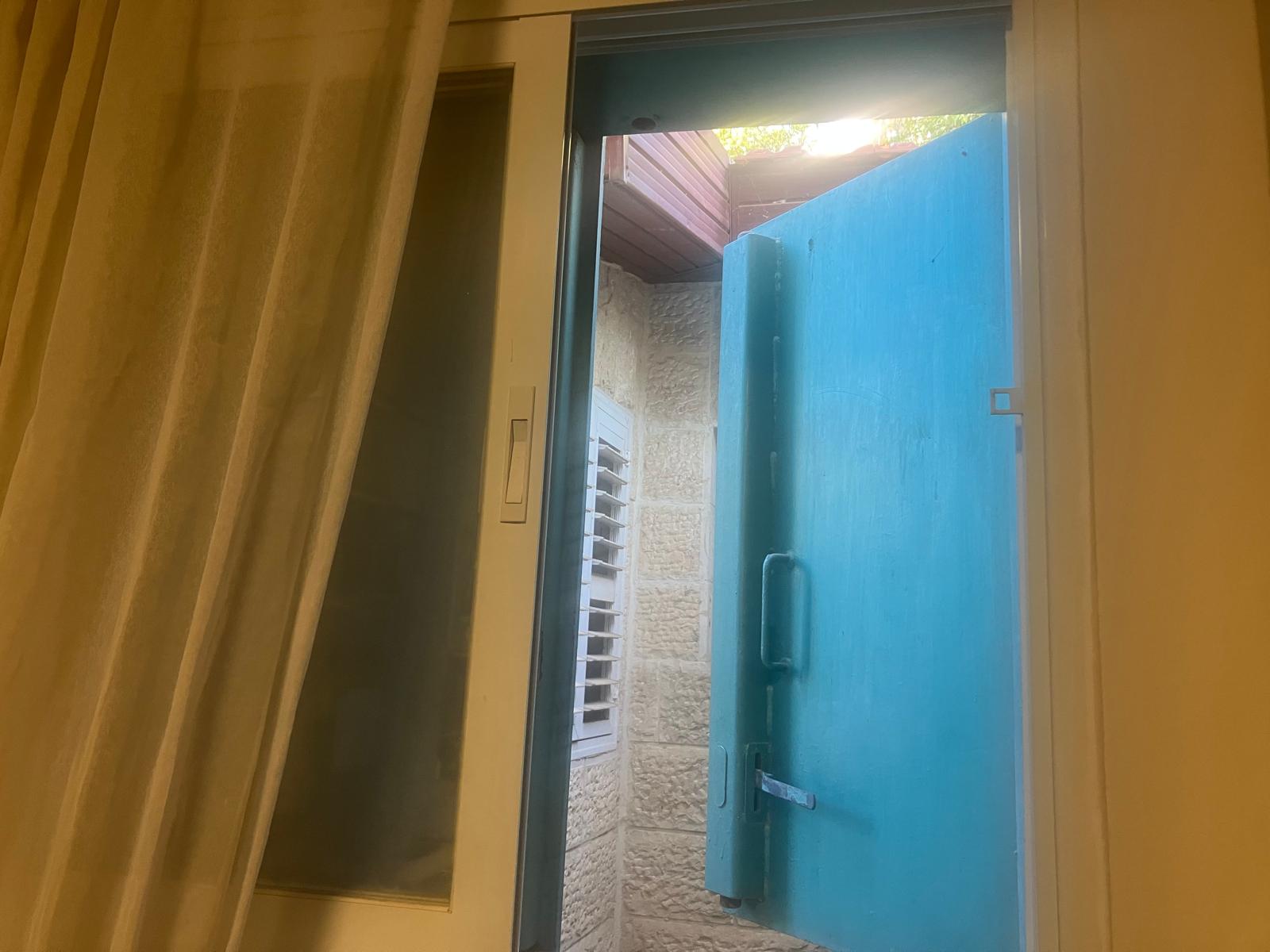
When I returned, my sister sent me a message. She had just opened the metal window of their safe room and wrote: “We pushed the metal windows open, and just like that peace, beauty, and the vibrancy of normal life flooded my heart with a feeling of unbridled joy.” Then she added: “We know how to live in peace. We know how to enjoy the beauty of regular days.”
And just like that, without realizing it, she answered the question that had been weighing on me — and put my heart at ease.