
Writer covering Israel–Africa, Jewish affairs, and Israel worldwide
East African Media and the Battle of Gaza Narratives
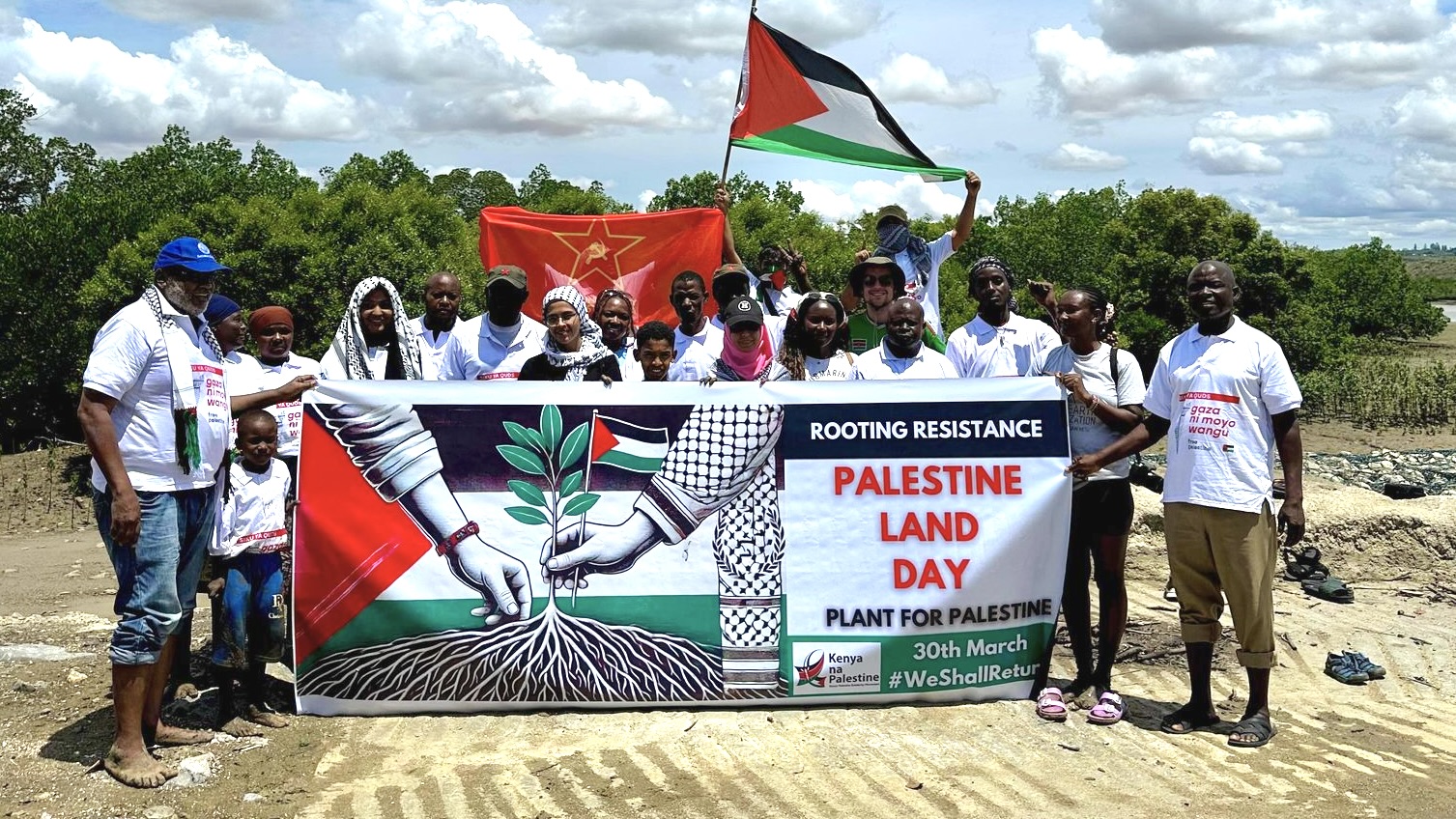
Kenyan demonstrators wave the Palestinian flag during a solidarity rally in Nairobi. (Photo: Peoples Dispatch / CC BY-SA 4.0)
How Israel is covered in East Africa may shape not only regional diplomacy but also the perspectives of millions of Africans whose countries maintain growing ties with Jerusalem.
In East Africa, mainstream media is one of the most influential forces shaping public perception, especially on global conflicts like the Israel–Gaza war. Television remains the dominant source of international news for millions of households, and the way stories are framed often determines how ordinary citizens interpret events. While each East African country has its own context, Kenya — with its dominant outlets — often sets the tone for regional narratives.
Snapshot of Coverage
In the footage here , it illustrates this point through Kenya’s leading broadcaster, Citizen TV. Its broadcasts on the war frequently emphasize the humanitarian toll in Gaza, showing images of destruction, casualties, and displacement. In one widely viewed report , Israel was portrayed primarily as the aggressor, with airstrikes highlighted but little explanation of the events that precipitated them. Without that context, the narrative becomes one-sided: Palestinians as victims Israel as oppressors, potentially misleading viewers and denying them the fuller complexity of underlying military decisions in wartime. These portrayals echo across East Africa, amplified by other outlets that rely on similar international wire services.
Drivers Behind the Narratives
Several factors fuel this imbalance.
- External sources: Most East African outlets repackage feeds from AFP, Reuters, and Al Jazeera, inheriting their editorial slants.
- Political sensitivities: Governments must balance good relations with Israel while signaling solidarity with Palestinians to domestic audiences and Arab partners.
- Audience dynamics: Younger East Africans consume TV news in short clips on X, Facebook, and TikTok. In such bite-sized formats ,context is lost and simplified images dominate: Israel as military power, Palestinians as victims of war.Why It Matters for Israel–Africa Relations The media’s portrayal contrasts sharply with Israel’s actual footprint in East Africa. In Kenya, Israeli drip-irrigation technology drives agricultural yields; Israeli medical innovations improve hospital care; and counterterrorism cooperation strengthens security. Similar stories exist across Ethiopia, Rwanda, and Ghana. Yet these stories rarely make it into primetime coverage. Instead, Israel’s image in East Africa is too often reduced to war footage, overshadowing its development partnerships and long-term diplomatic value. How Israel Could Engage
This gap between perception and reality presents an opportunity. Israel could:
- Build partnerships with East African media houses to highlight development stories.
- Offer journalist exchanges and training to improve balanced reporting.
- Actively pitch stories that showcase Israeli contributions in agriculture, water, and innovation.
By doing so, Israel would not only counter negative portrayals but also deepen its ties with one of its fastest-growing diplomatic and economic partner regions.
Epilogue
As the Israel–Gaza war continues to dominate global headlines, East Africa’s media will remain a decisive force in shaping public opinion. The challenge ahead is to move beyond oversimplified portrayals and toward narratives that reflect the conflict’s complexity. For East Africans, this is not just about understanding a distant war; it is about connecting a global story to their own futures through trade, technology, and diplomacy. The way their media tells it will shape both perception and partnership in the years ahead.
Related Topics
Related Posts