Middle East Forum Fellow/North Africa Risk Consultant
Egypt vs. Masr: The TikTok Trend Screaming for a Western Future
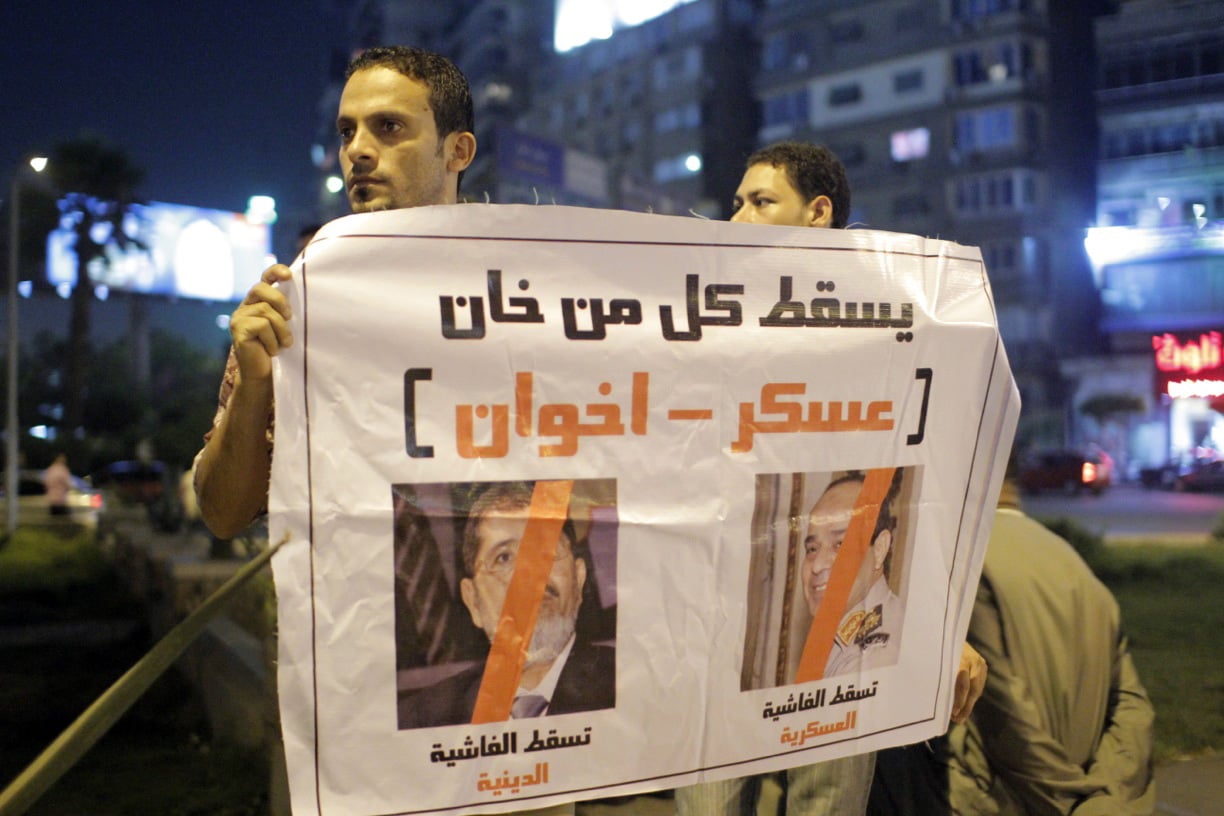
Protesters from the Third Square movement, which supported neither the former Morsi government nor the Armed Forces, 31 July 2013 https://commons.wikimedia.org/w/index.php?curid=31430762
Scroll through Egyptian TikTok this week, and you will encounter a digital Berlin Wall. It isn’t built of concrete and barbed wire, but of accents, latte orders, and the starkest class divide in the Middle East. The trend is called “Egypt vs. Masr,” and while it is playing out in 15-second skits, it is perhaps the most profound geopolitical signal coming out of North Africa this year.
The premise is simple yet devastating. Creators split their screens or act out two personas. On one side is “Egypt”: the residents of the gated communities in Sheikh Zayed and the North Coast. They speak a mix of English and Arabic (“Franco”), earn in US dollars, drink iced matcha, and live a life indistinguishable from a wealthy suburb in California or a compound in Dubai. On the other side is “Masr” (the Arabic word for Egypt): the overwhelming majority living in the dust of Cairo, navigating crumbling infrastructure, earning in a depreciating currency, and eating koshary because meat has become a luxury.
For Western observers, it is easy to dismiss this as standard Gen Z commentary on inequality. But to do so is to miss the flashing red light on the dashboard of the Middle East. This trend is not just about poverty; it is about a cultural ultimatum. The youth of the Arab world’s most populous nation are signaling a desperate, burning desire for a Western future—and documenting the total failure of the traditional, statist, and conservative systems to provide it.
The Apartheid of Aspiration
The “Egypt vs. Masr” trend exposes a reality that Western policymakers often ignore: the “West” is not just a geography; it is a class status. To live in “Egypt” is to have successfully seceded from the failures of the region. It is a world where Western standards of service, technology, and personal liberty apply. To live in “Masr” is to be trapped in the dysfunction of the local systems—bureaucracy, corruption, and economic stagnation.
This digital apartheid reveals that the anti-Western rhetoric often spouted by Islamists and regional demagogues has zero purchase on the ground. When given the choice, Egyptian youth do not dream of a Caliphate or a socialist utopia; they dream of the “American suburban dream” modeled in the gated communities of New Cairo. They want the rule of law, the stable currency, and the individual dignity that they associate with the West.
The Morality Police vs. The Digital Future
The divide becomes even more sinister when we look at who gets punished. While the “Egypt” crowd posts videos of pool parties and Western fashion from their private beaches, the state’s security apparatus—desperate to prove its conservative bona fides—cracks down on the “Masr” crowd for trying to do the same.
Just this week, reports surfaced of renewed arrests of TikTok creators for “violating family values”. This utilizes a vague, draconian cybercrime law often weaponized against working-class women who gain financial independence through social media. It is a classic tool of Islamist-adjacent authoritarianism: policing the morality of the poor to distract from the plunder of the economy.
The Economic Verdict
The backdrop to this viral despair is an economy that has failed to integrate with the free market in a way that benefits the many. Despite recent praise from the IMF for investment reforms, the lived reality for “Masr” is catastrophic inflation and a currency that dissolves value by the day.
The “Egypt vs. Masr” trend is, at its core, a referendum on the Egyptian pound versus the US Dollar. The dollar has ceased to be just a currency; it has become a passport to “Egypt.” Those who have access to the global economy survive; those tethered to the local economy sink. This is the ultimate indictment of the “sovereign” economic policies touted by nationalists and anti-Western ideologues. Isolationism and state control have built “Masr”; globalization and Western integration built “Egypt.”
A Warning for the West
For the United States and its allies, this TikTok trend is a strategic opportunity wrapped in a warning. The cultural war is already won; the youth want what the West offers. They are mocking the absurdity of their own isolation.
However, the danger lies in the sustainability of this apartheid. A nation cannot survive with two distinct realities forever. If the West continues to support regimes that maintain “stability” by gating off the elite while allowing the “morality police” to terrorize the aspiring poor, we are sitting on a powder keg.
Related Topics
Related Posts