
Estrangement: When the People We Love Become Strangers
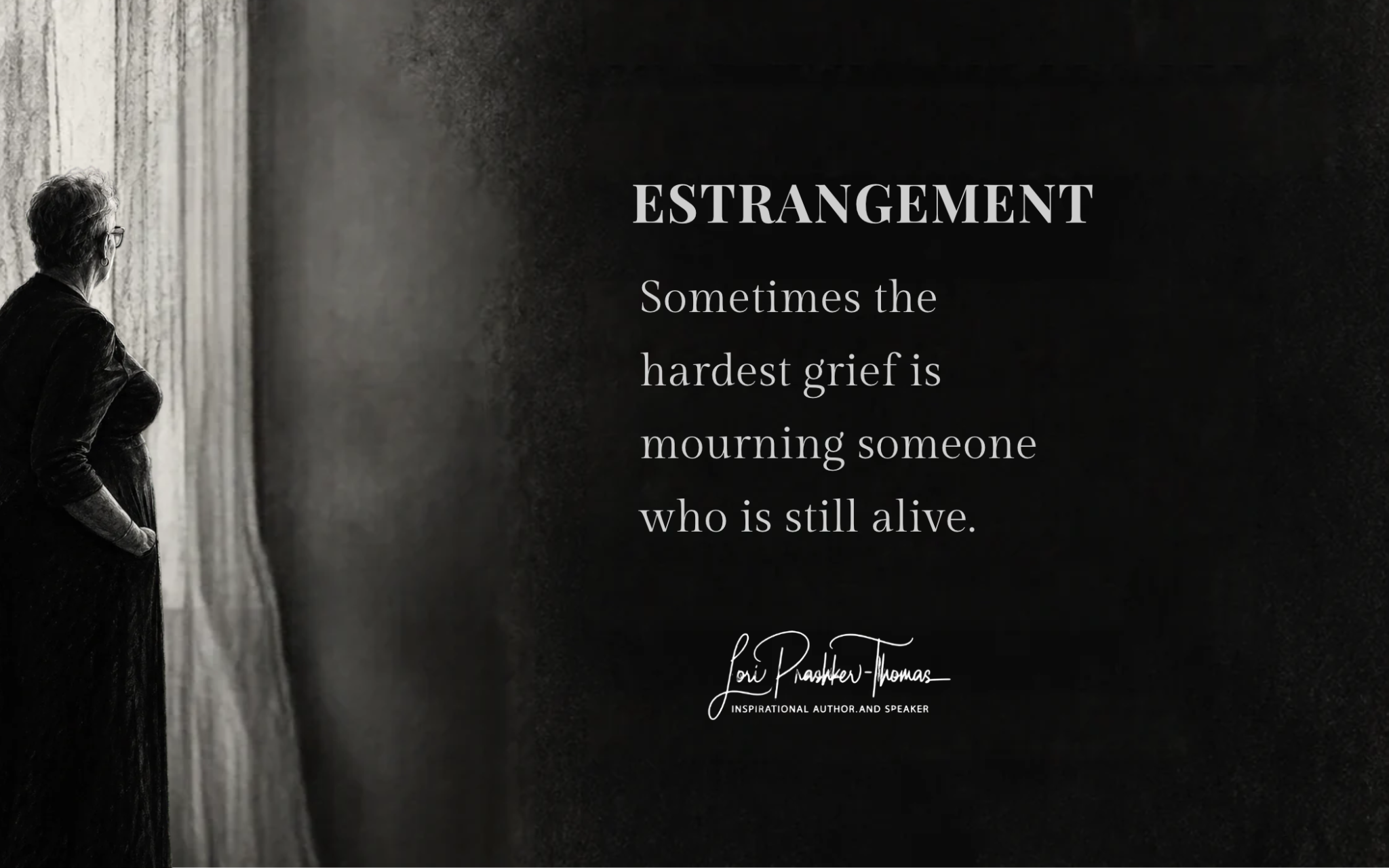
There is a kind of grief we don’t talk about enough. It doesn’t come with a funeral, a sympathy card, or people gathering around you to offer comfort. It is the grief of losing someone who is still very much alive. It is called estrangement.
This may be a controversial subject, and I know not everyone will agree with my perspective. But through my own experiences and the stories others have trusted me enough to share, I’ve come to realize just how many people carry this particular kind of heartbreak in silence. Sometimes estrangement happens between parents and children. Sometimes it’s siblings, grandparents, or other family members. Sometimes the decision to walk away is yours, and sometimes that decision is made for you. And sometimes, you don’t even fully understand how you got here.
As I reflected on this week’s Torah portion, Toldot, I couldn’t help but think about how complicated family relationships have always been. In Parashat Toldot (Genesis 25:19–28:9), we meet Isaac and Rebecca’s twin sons, Jacob and Esau. Their relationship is complicated before they are even born. As they grow, we witness favoritism, competition, deception, and ultimately a family torn apart. Isaac favors Esau, while Rebecca favors Jacob. Jacob obtains Esau’s birthright and later, with Rebecca’s assistance, receives the blessing Isaac intended for Esau. The consequences are devastating. Esau is furious, and Jacob must leave his family behind.
What struck me wasn’t simply the conflict between two brothers. It was how many people within this family contributed to what happened. There were choices made, feelings hurt, trust broken, and relationships forever changed. And isn’t that sometimes how estrangement happens today? We live in a society that often wants to identify who is right and who is wrong. We hear one person’s story and form an opinion. We read something on social media and decide who deserves our sympathy. But families are complicated, and the truth is not always as simple as we would like it to be.
Not every estrangement happens because someone was abusive or toxic. Not everyone who walks away is selfish. Not every parent is to blame, and not every adult child is wrong for choosing distance. Sometimes there are years of misunderstandings, unresolved pain, broken trust, and circumstances that outsiders will never fully understand. And sometimes, despite how much you love someone, love simply isn’t enough to repair what has been broken.
I believe in boundaries. I believe people have the right to protect their emotional and physical well-being. I also recognize that some relationships cannot and should not be repaired, particularly when safety is at risk. But I believe something else, too. You can respect someone’s decision to walk away and still grieve their absence every single day. You can love someone from a distance. You can hope for reconciliation without knowing whether it will ever happen. You can continue living your life while carrying a piece of your heart that feels as though it is missing.
In Toldot, we see the pain that follows when relationships fracture. Esau’s anguish after losing his father’s blessing is unmistakable. Jacob’s departure reminds us that family conflict can create distance that changes the course of people’s lives. And yet, the Torah doesn’t give us a simple family story with perfect people making perfect decisions. Perhaps that is one of the reasons these ancient stories remain so relevant. They remind us that families have always struggled with expectations, favoritism, communication, resentment, and forgiveness.
But there is something else I find meaningful. As we learn from the story of Toldot and its complicated family relationships, the separation between Jacob and Esau is not resolved within this week’s portion. Their eventual reunion comes much later, in Parashat Vayishlach. We are left, for now, with separation and uncertainty. And for those living with estrangement, uncertainty is often one of the hardest parts.
Will there ever be another conversation? Another holiday together? Another opportunity to explain, apologize, listen, or simply say, “I love you”? Sometimes those opportunities come. Sometimes they don’t. And sometimes reconciliation isn’t possible, even when love remains.
As an author, I write about difficult truths, relationships, loss, and the complicated emotions we carry. I’ve learned that every person has a story, and even when two people experience the same event, they may remember and understand it very differently. That doesn’t mean every action is justified or every relationship should be restored. It means we should be careful about believing we know an entire story when we’ve only heard a small part of it.
I have my own experiences with estrangement, but I also carry the stories of people who have trusted me with their heartbreak. Parents who miss their children. Adult children who have chosen distance. Siblings who no longer speak. People who made the painful decision to leave and others who never wanted the separation in the first place. Their circumstances are different, but the emotions are often painfully familiar. Love. Anger. Confusion. Sadness. Relief. Guilt. Hope. Sometimes all at once.
As we read Toldot this Shabbat, I hope we remember that even the families whose stories became part of our sacred texts struggled with relationships that were far from perfect. Perhaps the lesson isn’t that every family must reconcile, or that forgiveness always means restoring a relationship. Perhaps it is that we should approach these deeply personal situations with greater humility, recognizing that we may never know everything that happened between two people.
Sometimes the hardest grief is mourning someone who is still alive.
This is my truth, but it is also a reflection of the many stories others have shared with me. I don’t expect everyone to understand my experiences, or anyone else’s. I simply hope we remember that behind every estrangement are real people, real emotions, and stories that may never be fully told. And perhaps, as Toldot reminds us, family relationships have never been simple. Neither is the grief that comes when they fall apart.