
Fear of Snakes Questions Mangrove Restoration
While walking through a small mangrove plantation site in coastal Odisha, I expected to hear pride stories regarding mangrove plantation success from the nearby village. Numerous species of Avicennia, Exocaria, Rhizophora, Bruguiera, and others were flourishing in the mangrove trees, with outstanding growth, robust root systems, and clear indications of biodiversity recovery. However, the first thing I heard from a local fisherman was, ‘Mangroves shouldn’t be close to our village, they bring number of snakes’. What I have learnt from that, ‘success in ecological restoration cannot be considered as social acceptance’. Social acceptance in any restoration project is different, and sometime far away from ecological success. Mangrove restoration needs to be both ecologically successful and socially acceptable. Mangrove growth has emerged as a crucial blue carbon and climate adaption option along India’s shores. However, populations that live near forests have unique life experiences, and occasionally a restored ecosystem can present difficulties for which they were unprepared.
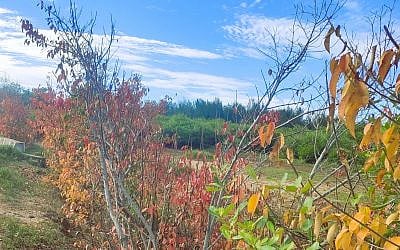
Snakes are drawn to healthy mangroves for a number of ecological reasons such as increased availability of prey in mangrove area. Mangroves that have been restored experience a sharp rise in various species of crabs, frogs, rats, lizards, and fish at high tide which is followed by snakes. Actually, since they take advantage of the early-stage food chain, snakes frequently appear before many higher-trophic species return. Mangrove root systems are generally complex which can produce humid, shaded microhabitats such as crab burrows, mudskippers holes etc. Additionally, leaf litter, pneumatophores, and fallen branches provide secure hiding places. Mangrove can provide the good connectivity to snakes from one place to another particularly during the monsoon season. Intertidal and brackish areas are home to a large number of coastal snakes, both venomous and non-venomous. Their existence suggests that ecological function is improving. The reappearance of snakes is beneficial from an ecological standpoint; however, it is concerning from a social standpoint.
Similar to all other Indians, the locals in Odisha also look at snakes with fear and emotional and also cultural viewpoint. During conversations, I heard worries about the children. Also worries about snakes infiltrating inside their homes particularly during the monsoon. One thing easily can be noticed that the incapacity to distinguish between venomous and non-venomous snakes. Due to this, the acceptance of snakes can be determined by perception rather than facts, even if a few numbers of species are venomous. On this background, this is clyster clear that communities may refrain from engaging in planting activities if these concerns are not addressed. Resistance to restoration, even removal of saplings, refusal to permit mangrove expansion, and perception of the forest as a threat rather than a source of protection, all these actions put at risk restoration efforts’ long-term viability.
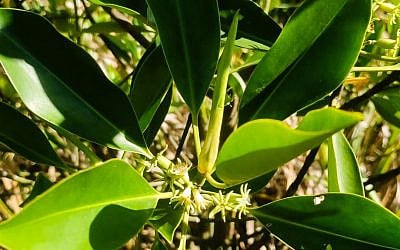
Mangrove restoration initiatives in India frequently focus on the area of plantation cover, species selected for cultivation, quantity of saplings planted, the survival rate, biodiversity and now in these days carbon (blue carbon potential) objectives. And almost all of these viewpoints cover environmental and a few economic aspects. However, they hardly ever include social acceptance indicators, risk communication, or community opinion assessments. All these are crucial for sustainable restoration of mangroves. Even while mangroves defend settlements from erosion, storm surges, and cyclones, people may not appreciate their role in protecting the shore if they come to be linked with any type of fear. Mangroves in Odisha shown their importance during the 1999 and 2020 super cyclones by absorbing storm energy and minimizing damage. However, long-term advantages are frequently overshadowed by the villagers’ daily worries (here, encounters with snakes).
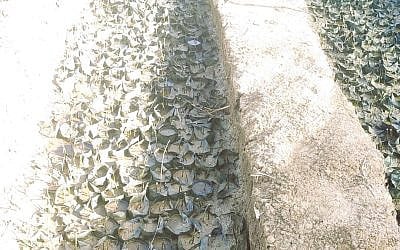
So, what we can do to solve such problem? Solutions based on the realities of the community. Here are a few possible solutions should be a part of a socially sustainable restoration program.
- Buffer planting- Use a 20-to-50-meter buffer made up of low bushes, salt-tolerant grasses, and regulated walkways to prevent snakes from moving in the direction of residences.
- Public knowledge of the ecology of snakes- Identification of common species is one of the things that training programs can teach. Identifying venomous versus non-venomous snakes, safe mangrove practices, and what to do in the event of a snakebite emergency, all this knowledge enhances coexistence and lessens fear.
- Planning for participatory rehabilitation- Villagers should choose which species to plant, where access routes are required, where plantations can be developed, and which zones to maintain open. Mangroves become community assets instead of outsider projects as a result.
- Including young people in the area- By keeping an eye on animals, reporting sightings, and disseminating information within the community, youth groups may improve safety and stewardship.
- Connecting livelihoods with mangroves- Communities’ support for restoration naturally rises as they benefit from various things such as better crab fisheries, honey harvesting areas and eco-tourism potential.
Mangrove restoration requires the integration of social science, ecology, and local expertise. Then and only then will India’s coastal regions become socially robust and biodiverse.