Finally, women like me can take the Rabbinate’s exams in Jewish law
Can women register for halakhic exams (testing knowledge of Jewish law) at the Israeli Chief Rabbinate? Yes, it is actually possible; registration just opened. This is the news we received just a few days ago. How is it possible? Well, it didn’t happen overnight; it’s been a journey of many years.
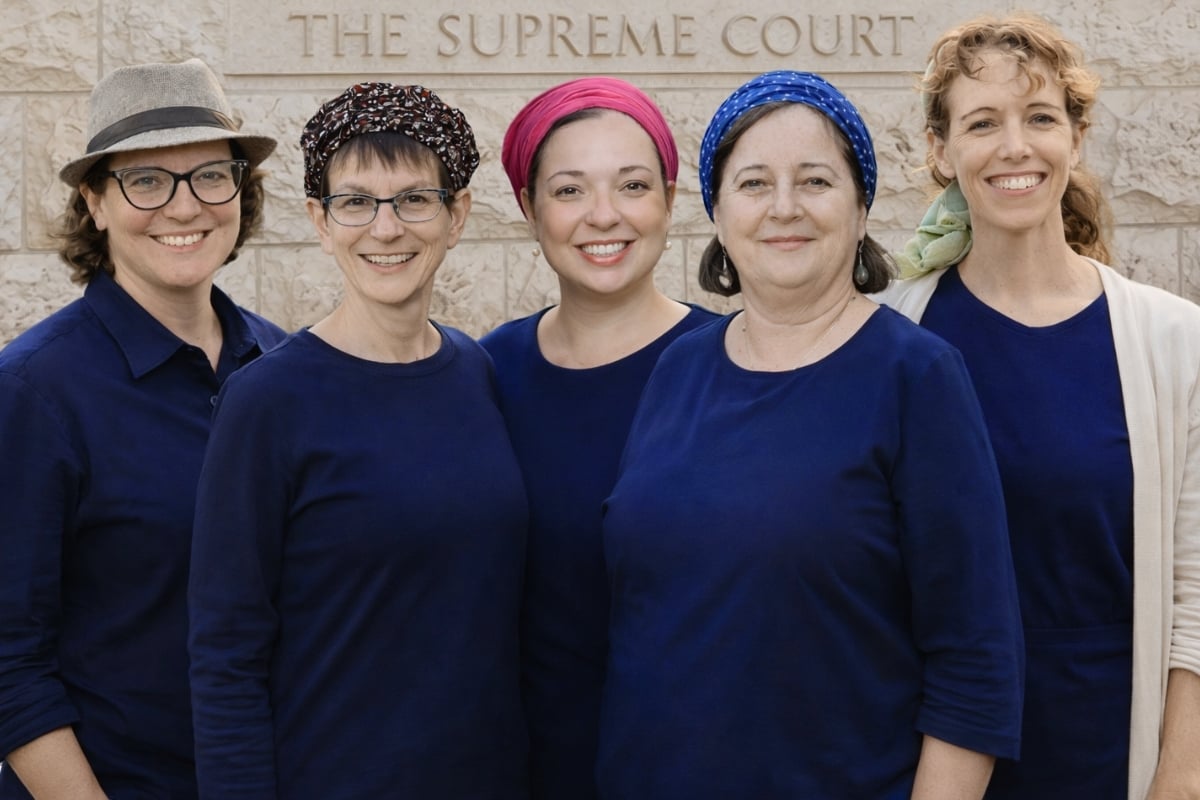
In February 2018, together with Rabbanit Avital Engelberg, I submitted all required documentation to the Israeli Chief Rabbinate to register for the halakhic exam on the Laws of Niddah (family purity). We provided everything necessary: credentials in advanced halakhic studies and letters of recommendation from established, ordained rabbis in Israel. We soon received a rejection stating, “Only a man can be examined on the Laws of Niddah.” The absurdity spoke for itself. Our colleagues — Rabbanit Rachel Keren, Rabbanit Shlomit Flint, and Rabbanit Shlomit Piamenta — submitted the same documentation and were similarly rejected.
This response, issued by an official institution of the state, led the organization ITIM to petition the Supreme Court about a year later (April 2019) on behalf of six petitioners — myself among them — together with the Rackman Center and the organization Kolech (now Kolenu). Five of us are Israeli-born, graduates of religious state education. We served in the army, studied in university, and only afterward turned to advanced halakhic study. By the time we filed the petition, most of us had already been ordained as rabbis (rabbaniot) through Orthodox halakhic programs, all of them private. We had already been teaching in various institutions and serving as halakhic authorities for a broad public, both women and men, on questions across different areas of halakha.
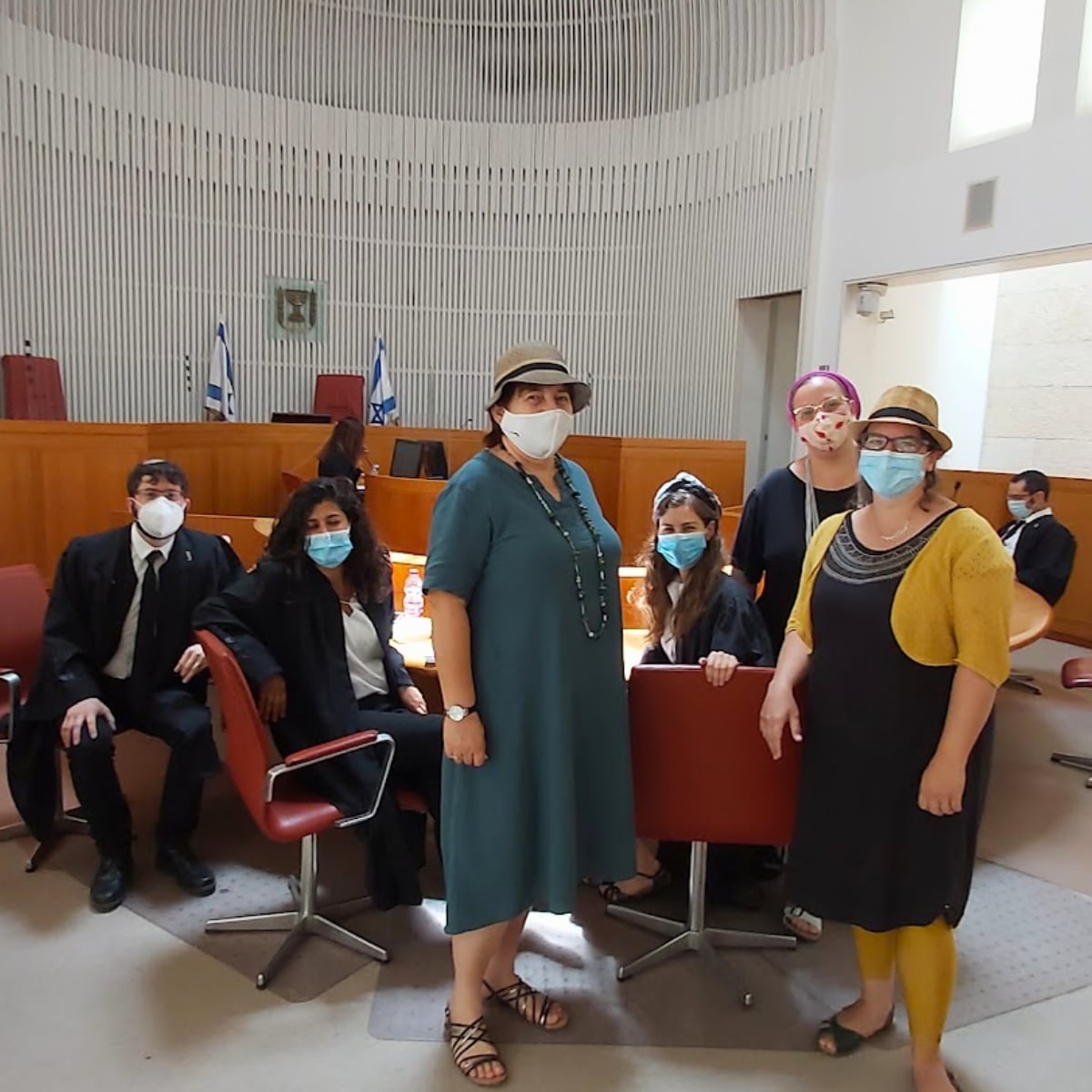
We filed the petition to ensure that any woman with advanced halakhic knowledge could be examined on her knowledge through officially recognized exams in Israel — not solely through private programs, which resonate within certain social circles but lack official recognition. We knew that certificates from official halakhic exams carry economic significance, and that, without them, women face barriers to accessing state tenders. We also knew that official certification matters for professional standing in the eyes of the public and, truthfully, in the eyes of the learner herself. The petition is a public act. The fact that our personal biographies share common threads reflects a collective portrait of women’s Torah scholarship in Orthodox society.
Our petition addresses gender discrimination in a state institution. Halakhic discussions about women’s roles were necessarily part of the case background, but our focus is on the state’s obligation not to discriminate. The 1980 law establishing the Chief Rabbinate mandates it to provide halakhic guidance and bring the public closer to Torah values. Our petition sought to enable the Rabbinate to better fulfill this mission by including women among those it officially recognizes — thereby expanding who can serve the public in this sacred work.
On the one hand, when we filed the petition, the court accepted it without any dismissal (which can often happen with petitions) and acknowledged that gender-based discrimination indeed exists in the current situation. On the other hand, the petition proceeded slowly.
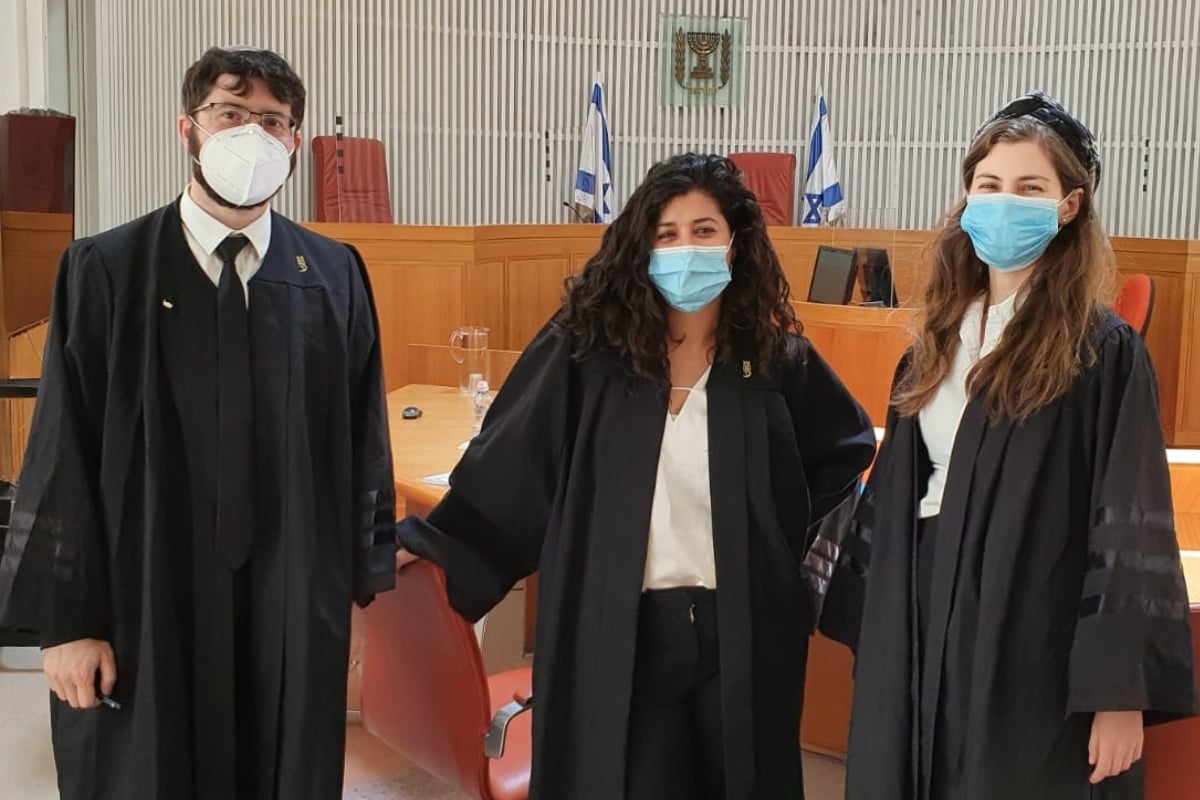
There were few hearings alongside extensive exchanges of letters-requests from the Rabbinate to postpone hearings again and again, as well as proposals to establish an alternative track, essentially a segregated women’s track, in other government ministries. This proposal was not only discriminatory but also economically absurd: the Chief Rabbinate’s examination system is already budgeted at millions of shekels annually. Creating a separate women’s track in another government ministry, a form of “pinkification,” would have meant duplicate, unnecessary expenditures — all to preserve gender-based exclusion.
Throughout, we held firm to the principle that “separate is not equal” and insisted that we be assessed via exactly the same exams, at the same time, and by the same examining staff as the men candidates. Confident in the ethics of exam-grading conducted without knowledge of the examinee’s identity, we sought equality in this credential that reflects broad knowledge and practical understanding.
July 2025: A Unanimous Victory at the Supreme Court
After the more than six years during which the petition proceeded through the High Court, in July 2025, a unanimous decision was reached by Justices Noam Sohlberg, Daphne Barak-Erez, and Ofer Grosskopf, allowing women to take the Chief Rabbinate’s halakhic exams. The decision was historic. The ruling removes any barrier indicating that women are prohibited from advanced Torah scholarship or from receiving institutional recognition for their learning.
The significance of this ruling is that within the complex intersection between “religion” and “state,” between “law” in its civil sense and “law” in its halakhic meaning, three justices arrived at the same conclusion: the exam system of the Chief Rabbinate of Israel cannot allow for discrimination against women by denying them a right granted to men. Everyone is entitled to be examined on their halakhic knowledge.
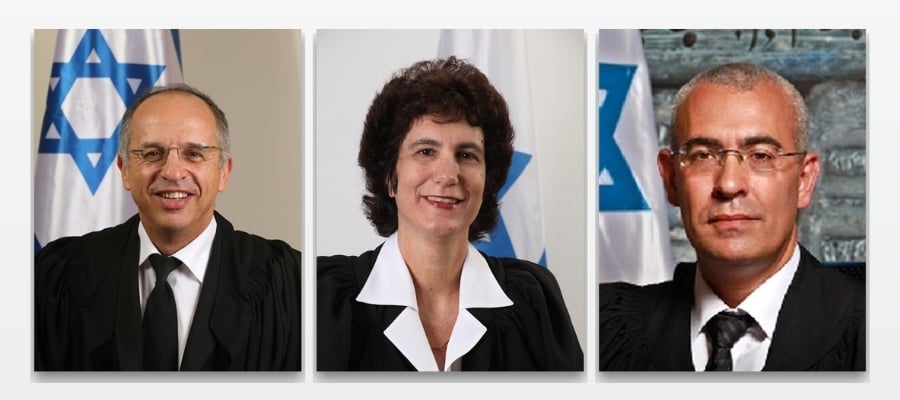
The court’s decision itself is clear and unequivocal, leaving no room for doubt. The wide range of sources cited by the presiding justice, Noam Sohlberg, brings together, in one sweep, the positions of diverse halakhic authorities: Rabbi Zalman Sorotzkin, Rabbi Abraham Isaac Kook, Rabbi Aharon Lichtenstein, Rabbanit Malka Puterkovsky, and others.
The inclusion of the thought of Rabbanit Puterkovsky, the leading female halakhic authority in Israel today, expresses, with almost understated elegance, Justice Sohlberg’s confidence in women’s ability to be full partners in the halakhic beit midrash (study hall). She, along with many others, paved the way, through difficult struggles, for the women who follow. Seeing her positions appear in the ruling alongside those of male rabbinic figures sends a clear message to every woman in this field: You belong here, you are included, and you are not alone.
The justices went further and drew an explicit parallel, asserting that today’s women Torah scholars are the daughters of Zelophehad reborn — challenging institutional blindness and forging precedent. Justice Daphne Barak-Erez summed it up well: “May the best person win” — may the best person prevail, regardless of gender.
This change will allow young women to consider halakhic study as a viable option immediately after military or national service, just as many men who are yeshiva graduates do. Removing this barrier will encourage the continued expansion of the women’s Torah learning revolution.
One might think this is a sectarian achievement, an internal religious matter. But the ruling establishes a fundamental democratic principle: a state institution cannot discriminate based on gender. Because the Chief Rabbinate is a state institution, this ruling matters to all Israelis, including those who keep their distance from the rabbinic establishment, which nonetheless controls, for example, marriage, divorce, and burial for all citizens.
February 2026: Gates Open — Hopeful, Yet Cautious
The Chief Rabbinate’s response to the ruling was simple: delete the exam registration option from the official state website — for everyone, men and women alike.
Now, about six months after the Supreme Court victory, the Chief Rabbinate announced that registration for halakhic exams to be held in Iyar (April-May) is open. The list of subjects is exactly what our petition addressed: Shabbat, kashrut (issur v’heter), mourning, marriage laws (kiddushin) — and yes, niddah, the very subject for which we were rejected in 2018. For the first time, women can register and take the same exams as men, just as the Supreme Court ruled.
But the joy is cautious. We must read the fine print. The Rabbinate’s announcement refers only to “avrechim” (male Torah scholars), not their female counterparts. More concerning, it announces “a dedicated professional committee to examine exam criteria and lead comprehensive reform.” A reform? The timing is hardly coincidental.
Most troubling: the chief rabbis pledge to ensure that “only those worthy according to halakha” receive certificates. This language sounds like groundwork for a new barrier — allowing us to take exams while refusing to grant certificates on grounds we are “unworthy according to halakha.” The ruling determined that women are entitled to the same exams as men. Not separate exams, not a parallel system. Again, “separate is not equal.” If the Rabbinate establishes new barriers, that will constitute evasion of the ruling’s spirit. We are watching closely and we are ready to act if the planned changes circumvent the court’s decision.
The registration window is open. I’m signing up. If you know women with advanced halakhic knowledge, encourage them to register. After a seven-year journey, this right has been secured. This is a milestone in the history of women’s Torah scholarship, now let’s transform it from principle to practice. When more voices join the beit midrash, Jewish learning flourishes. Let’s make this happen together.
—
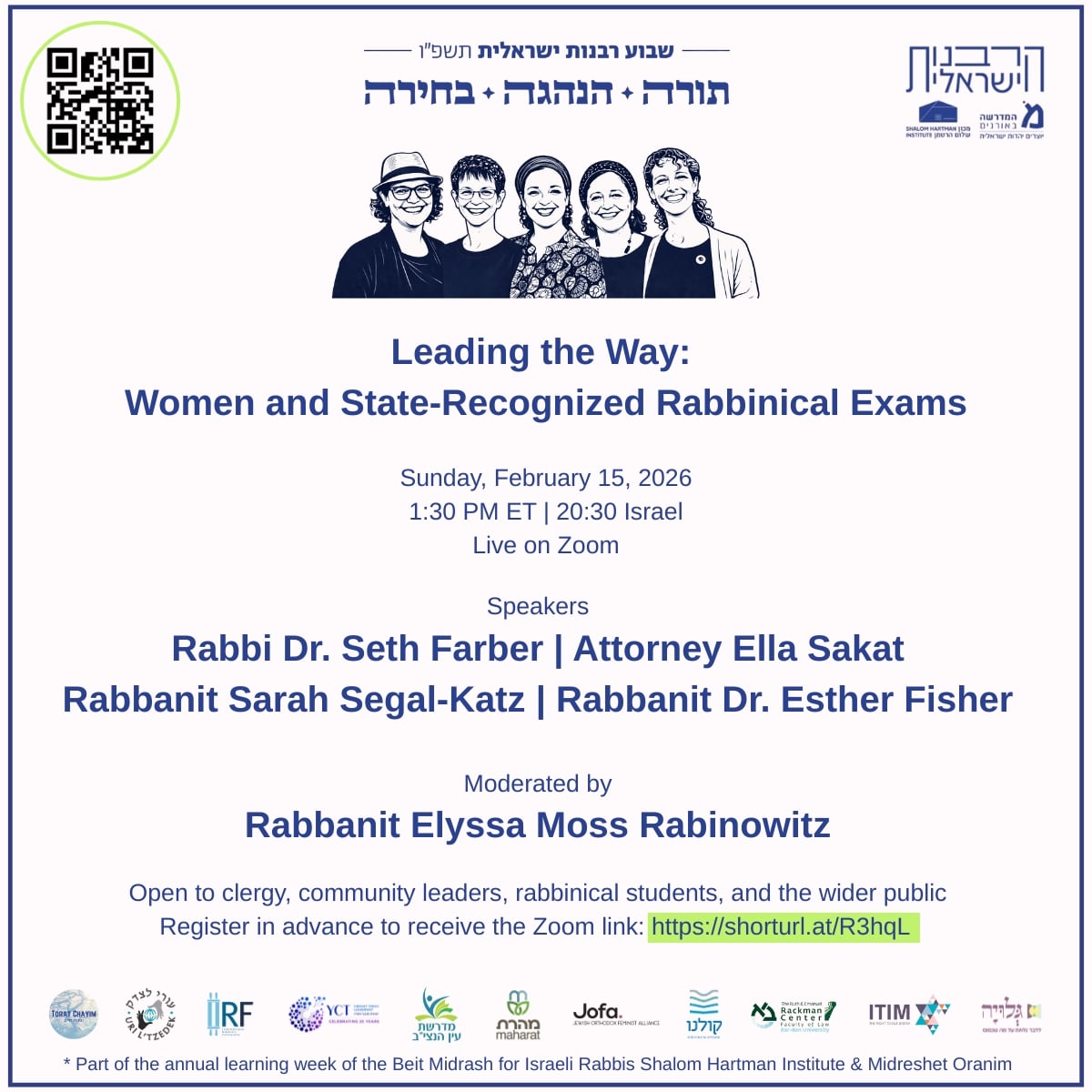
Join us for a live conversation this Sunday
Weeks ago, we scheduled an online gathering to discuss this petition and its significance for religious feminism. We had no idea that registration would open just days before our event. The timing is remarkably moving — sometimes history aligns in unexpected ways.
Join us this Sunday, February 15th at 8:30 PM Israel time / 1:30 PM EST. Register here.
We’ll discuss the petition and its significance for religious feminism in Israel and beyond. Speakers include Rabbi Dr. Seth Farber, Adv. Ella Sakat, Rabbanit Sarah Segal-Katz and Rabbanit Dr. Esther Fisher, moderated by Rabbanit Elyssa Moss Rabinowitz.
This event is part of Beit Midrash for Israeli Rabbis Week: Torah, Leadership, Choice, a program of the Shalom Hartman Institute and Midreshet Oranim, organized in partnership with: Itim, the Rackman Center, Kolenu, Gluya, JOFA, Yeshivat Maharat, Midreshet Ein HaNatziv, Yeshivat Chovevei Torah, the International Rabbinic Fellowship (IRF), Uri L’Tzedek, and Torat Chayim.