Four Languages, One Bunk and the Power of Jewish Experiences
As philanthropists, grant-makers, and communal leaders, we are deeply trained in the language of logic. We live by quarterly reports, analyze financial statements, assess key performance indicators (KPIs), and evaluate organizational capacity. We look at our funding through a clinical lens: did we grow enrollment? Did we optimize the infrastructure? Did we move the data needle?
But logic only takes us as far as the gates of actual Jewish life. Inside, a completely different language is spoken.
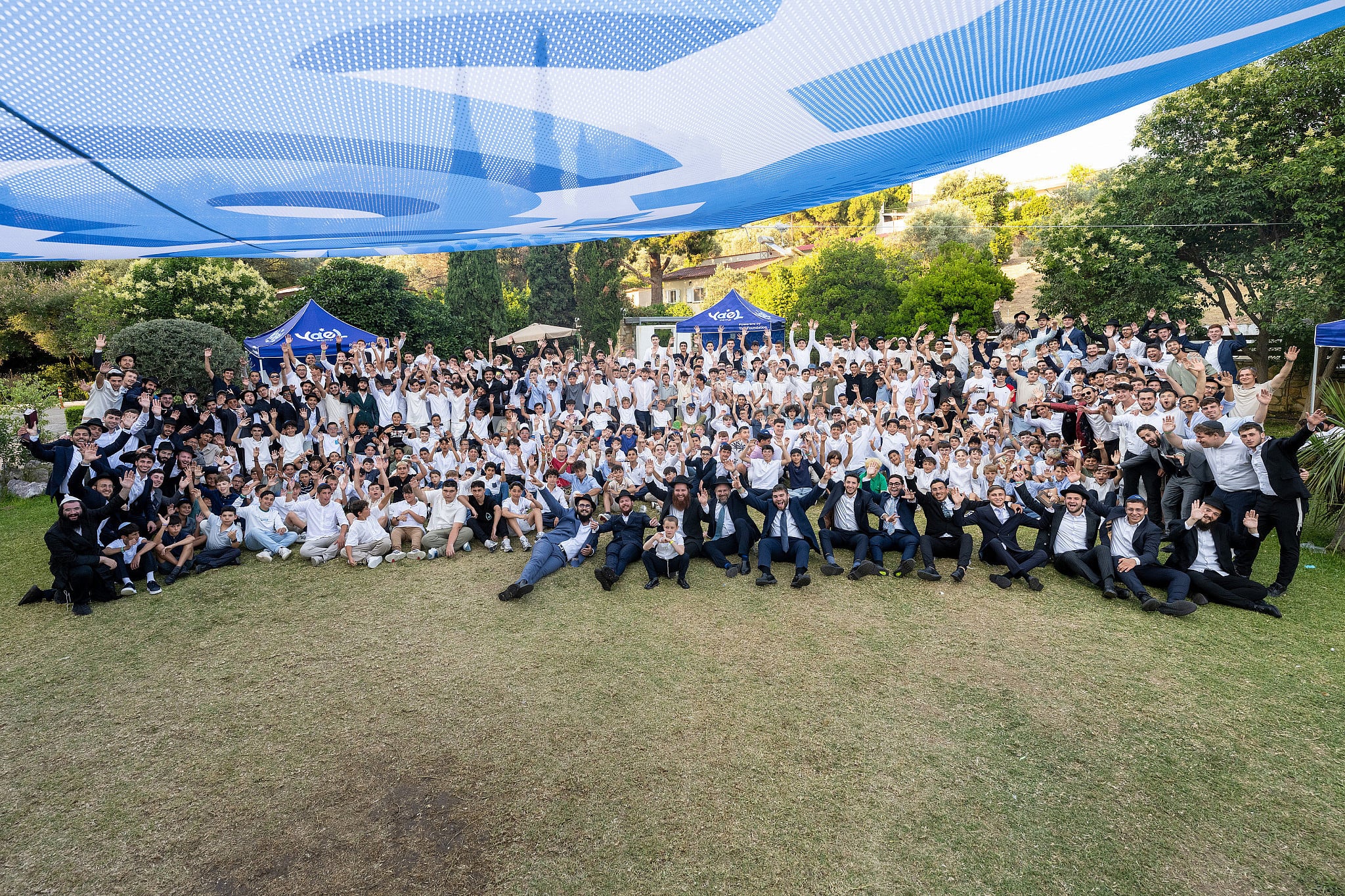
I recently returned from the Yael Camp, the summer camp of Yael Foundation, where 600 campers from 25 different countries gathered. Every morning announcement, dining hall cheer, and nighttime activity had to be funneled simultaneously through English, Hebrew, French, and Ukrainian. On paper, the sheer logistics are enough to give any program officer a headache. But seeing it come to life in a chaotic, beautiful symphony was a stark reminder of a vital truth our sector is dangerously close to forgetting: we cannot measure magic, and we shouldn’t ruin it by trying.
In philanthropy, the metrics we rely on are excellent at measuring institutional survival, but they are entirely blind to the moments that actually form Jewish identity. The challenge before us today goes beyond funding institutions; we must explicitly design and fund the frameworks where these unquantifiable Jewish experiences can happen.
The Problem with the “Aha!” Metric
In modern Jewish philanthropy, we are obsessed with the explosive “aha!” moment. We search for the exact data point that proves a young person’s Jewish identity transformed on a Tuesday afternoon at four o’clock.
But human identity is not a product on an assembly line. We are the culmination of tiny, stacked experiences. Standing in the middle of camp, it hit me that every one of these 600 children was experiencing their Jewish journey at a completely different frequency. For some, the spark is instant. For others, camp is a quiet deposit into their identity. It is a memory stored away for later, the value of which might not fully register until years down the road when they look back and realize exactly how much a single summer shaped who they are. This formation of long-term identity is part of why so many of us send our kids to camp, season after season, year after year.
If our funding models require immediate, neat statistical validation, we will inevitably stop funding the very environments where long-term identity is seeded. Unfortunately, we are seeing the sad results of this approach with so many camps facing significant financial pressure and even closing.
When you strip away the grand ceremonies, the true impact of the Jewish ecosystem lives entirely in the quiet, fierce dedication of the “human links” keeping it alive. You see it in the camp doctor balancing strict preventative care without dampening the spirit of play; the head of camp ignoring a buzzing phone to sit with a homesick child for two hours; the camp rabbi dancing with gusto alongside students with whom he shares no common spoken language, bound together by a melody and a shared heritage.
When an eleven-year-old camper looks at a counselor and announces, “I want to be the head counselor here when I grow up,” the camp is not achieving a KPI. A child is discovering a blueprint for his own Jewish future.
A New Mandate for Jewish Leadership
This camp brought our communal reality to life. The work of Jewish leadership isn’t just about building capacity for schools or funding physical brick-and-mortar structures. Our true mandate is to fund the ecosystem that allows these human touchpoints to exist.
The challenge I issue to myself and to our fellow funders, federation leaders, and educators is twofold:
First, let’s shift from survival metrics to experience frameworks. “How many people showed up?” is a good question. But more central should be: “What environment did we build for them once they arrived?” We must create robust operational frameworks that prioritize relationship- building, emotional safety, and cross-cultural Jewish connection over administrative neatness.
Second, we can give credit where credit is due by empowering the human links. The heads of school doing the gritty, unglamorous daily work, the Jewish studies teachers finding creative ways to make tradition feel alive, and the young counselors breaking through the armor of distracted teenagers, are the architects of our future. We must resource them as the core assets of our strategy.
The most profound thing to witness at camp was the campers themselves. Placed into bunks where English wasn’t a given, teenagers used wild hand gestures, laughter, and shared eye rolls to conquer team challenges and form bonds. They didn’t need a translator; they just needed a shared space. They needed an opportunity to show their initiative, to explore their true selves and to explore who they are when they are not in school.
The result: a wonderfully positive and supportive environment – a perfect illustration of the value of experience.
We live in a Jewish communal world hyper-focused on risk management and immediate return on investment. But the core tenets of Jewish identity – the feeling of belonging, the comfort of a mentor’s smile, the lifelong friend made across a language barrier – are simply too big to be quantified.
Our job is to build the architecture that makes these moments inevitable. Let us have the courage to listen a little longer, fund a little deeper, and trust that the ripples of our actions are moving the needle in ways we may never see on a spreadsheet.