
From Moral Certainty to Moral Agony: Why I Support Death Penalty for Terrorists
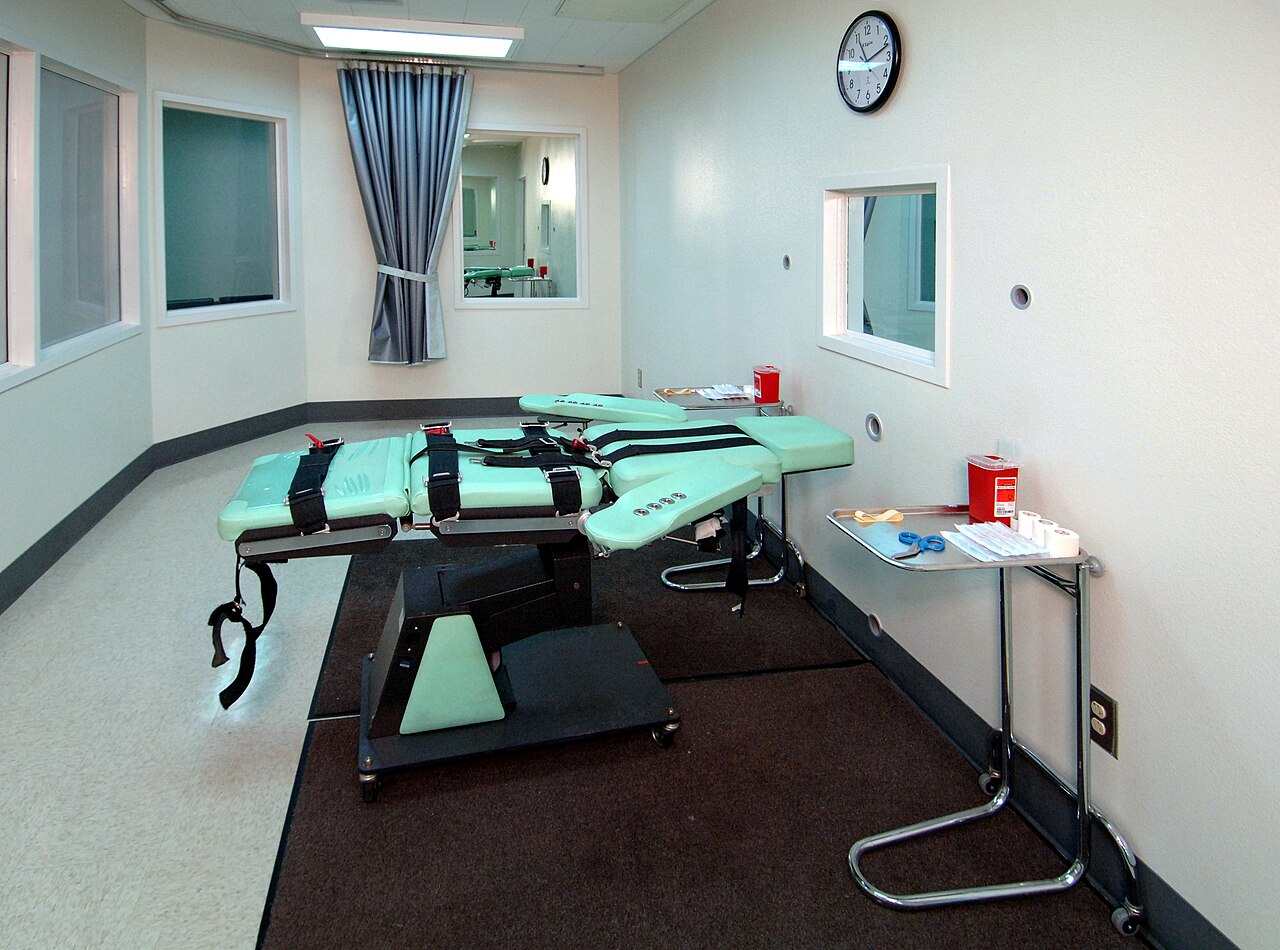
Before October 7, 2023, I was uncompromisingly, viscerally opposed to the death penalty. I even wrote a blog post spelling it out:
You read it all the time in the news: convictions overturned after 20, 30 years. Innocent people locked away for decades. Legal systems fail, and they fail often.
Now imagine you are one of those innocents, convicted of a crime you did not commit, sentenced to death. Nobody believes you — “everyone in prison says they’re innocent,” right?
One day they come for you. You are walked to the chamber. You scream that they have the wrong person, but the process continues. The needle goes in. You lose consciousness, your breathing stops, your heart stops. It is final. Irreversible.
If we had perfect justice, I would have no issue with the death penalty for the worst monsters. But we don’t. We are human. We make mistakes. And because we make mistakes, executing even one innocent person is an unforgivable moral horror. That alone made the death penalty immoral in my eyes.
I still believe every syllable of that when it comes to ordinary criminal justice systems anywhere in the world.
What changed is the specific, lethal reality Israel now lives in every day. October 7 broke us. Twelve hundred murdered in one morning. Babies burned alive. People beheaded, women raped next to the corpses of their friends. Entire families executed in their safe rooms. And then we learned that Yahya Sinwar — the architect — had been released in the 2011 Shalit deal. We gave him back his life. And he used it to plan the worst single-day slaughter of Jews since the Holocaust.
Since then, every hostage deal has been agony. We weep with joy when our people come home, and then we watch the buses of convicted terrorists — hundreds, sometimes thousands — roll out of the gates. And every single time, the same thoughts went through my head:
How many Sinwars are on those buses?
How many future planners of mass rape and baby-murder?
How many more October 7th are we buying today?
Shin Bet studies show high recidivism
The numbers are merciless. Shin Bet’s own long-term studies show 45–60 % of released security prisoners return to terror activity. In this very war we have already seen it happen again: terrorists freed in the November 2023–2024 deals were later killed or rearrested while shooting at IDF soldiers or preparing the next attack. Some of the same monsters who committed the October 7 atrocities were released early in the deals and went straight back to trying to kill Jews.
No other democracy on earth faces multiple openly genocidal organizations on its borders that not only preach genocide but rehearse it, finance it, and carry it out with sadistic joy. October 7 was not a “military operation.” It was the acting-out of a charter that calls for the murder of Jews worldwide. In this reality, the moral calculus flipped.
It is no longer simply:
“Is it acceptable to risk executing one innocent person?”
It is:
“Is it acceptable to guarantee — with near certainty — that some of these guilty men will kill again, and kill on a mass scale?”
Keeping the worst terrorists alive is not neutral mercy. It is an almost guaranteed future death sentence for innocent Jews. A living terrorist is currency. Our enemies know we will pay any price to bring our people home, and they have weaponized our humanity.
Prevention, not vengeance
The death penalty, narrowly applied to deliberate civilian murder on nationalist grounds, is not vengeance. It is prevention. Permanent prevention. Critics will rightly point out that international studies show little or no general deterrent effect from capital punishment — would-be terrorists are often eager for martyrdom anyway. But my argument is not about deterrence. It is about prevention and incapacitation.
A dead terrorist is 100 % prevented from planning the next massacre or being released in the next deal. A living one is only partially contained — and we have seen, over and over, what the other half costs. A dead terrorist cannot mastermind the next massacre. Cannot be traded. Cannot put a permanent target on the back of every Israeli child.
Knesset bill for the death penalty
The proposal that passed its first reading earlier this month and was debated today in the Knesset National Security Committee deserves the support of every Israeli who wants to prevent the next October 7. Its core principle — that those who intentionally murder Jews because they are Jews can forfeit their own right to life — is, in our unique circumstances, morally defensible and necessary.
Yet the current draft is too harsh in one critical respect: the 90-day execution window after final sentencing is too short if we want to strike a good balance between prevention and mitigating the risk of convicting innocents. Ninety days is not enough time for a competent defense team (or NGOs, journalists, anyone) to uncover possible exonerating evidence that might surface after trial.
We should lengthen the appeals window to a fixed 12–24 months — long enough to allow thorough post-conviction investigation, short enough — given the tragic rhythm of Gaza flare-ups and hostage deals — to ensure the worst offenders are permanently removed before the next swap recycles them.
The evidentiary bar must be high: video, forensics, multiple independent witnesses, intercepted communications — the kind of extra solid proof that exists in the worst cases. Any new exonerating evidence in that window automatically commutes the sentence to life without parole or release eligibility.
With those safeguards in place, once the process is exhausted, the sentence should be carried out.
Because the alternative is to keep paying for the next October 7 in advance, one released terrorist at a time.
Never Again is now.
And now requires choices none of us ever wanted to make.
But if we do not make them, the next massacre is only a matter of when, not if.