Hebraica Hosts Israel-Gaza Debate with Rafael Rozenszajn and Danuza Mattiazzi
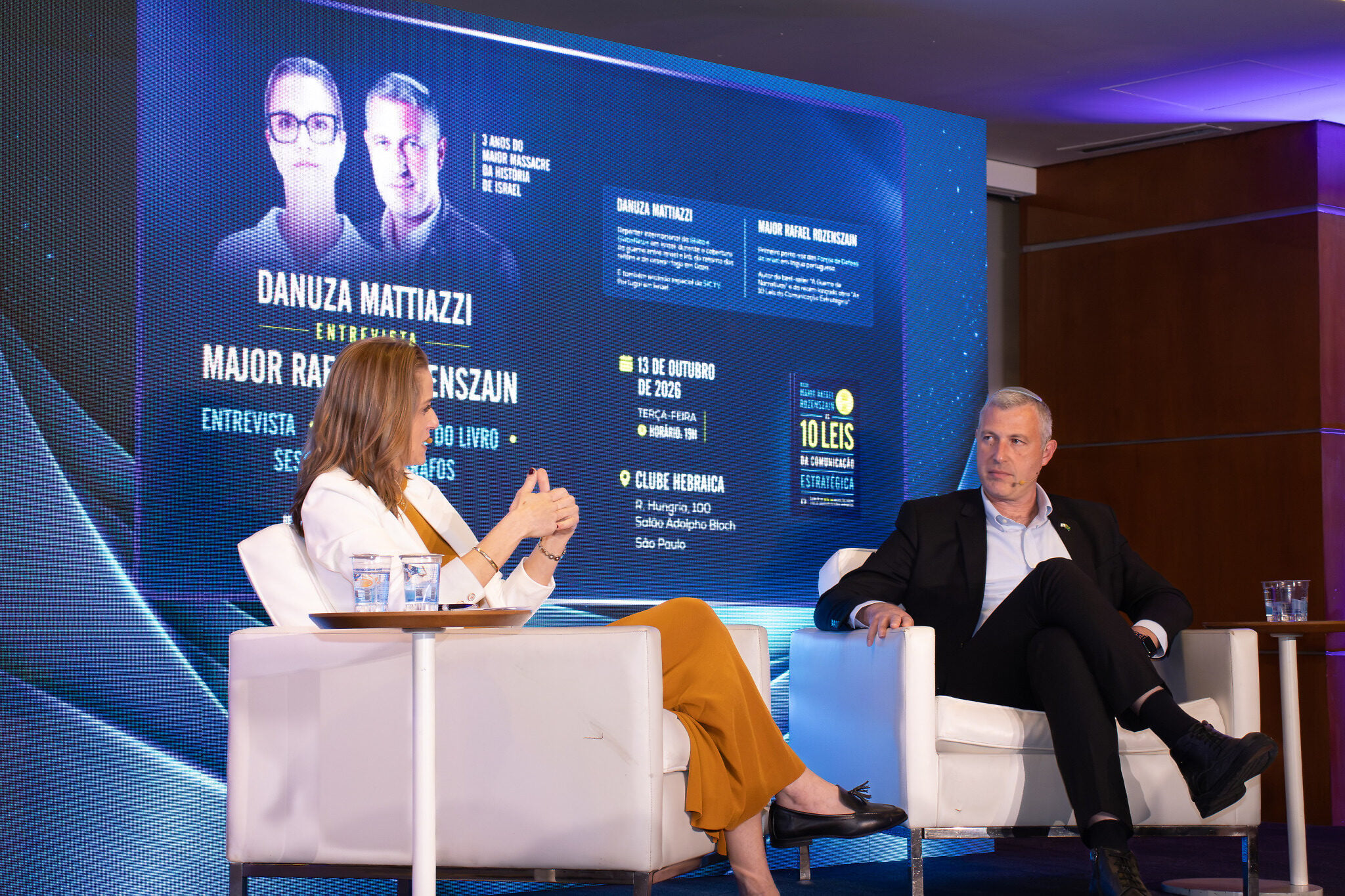
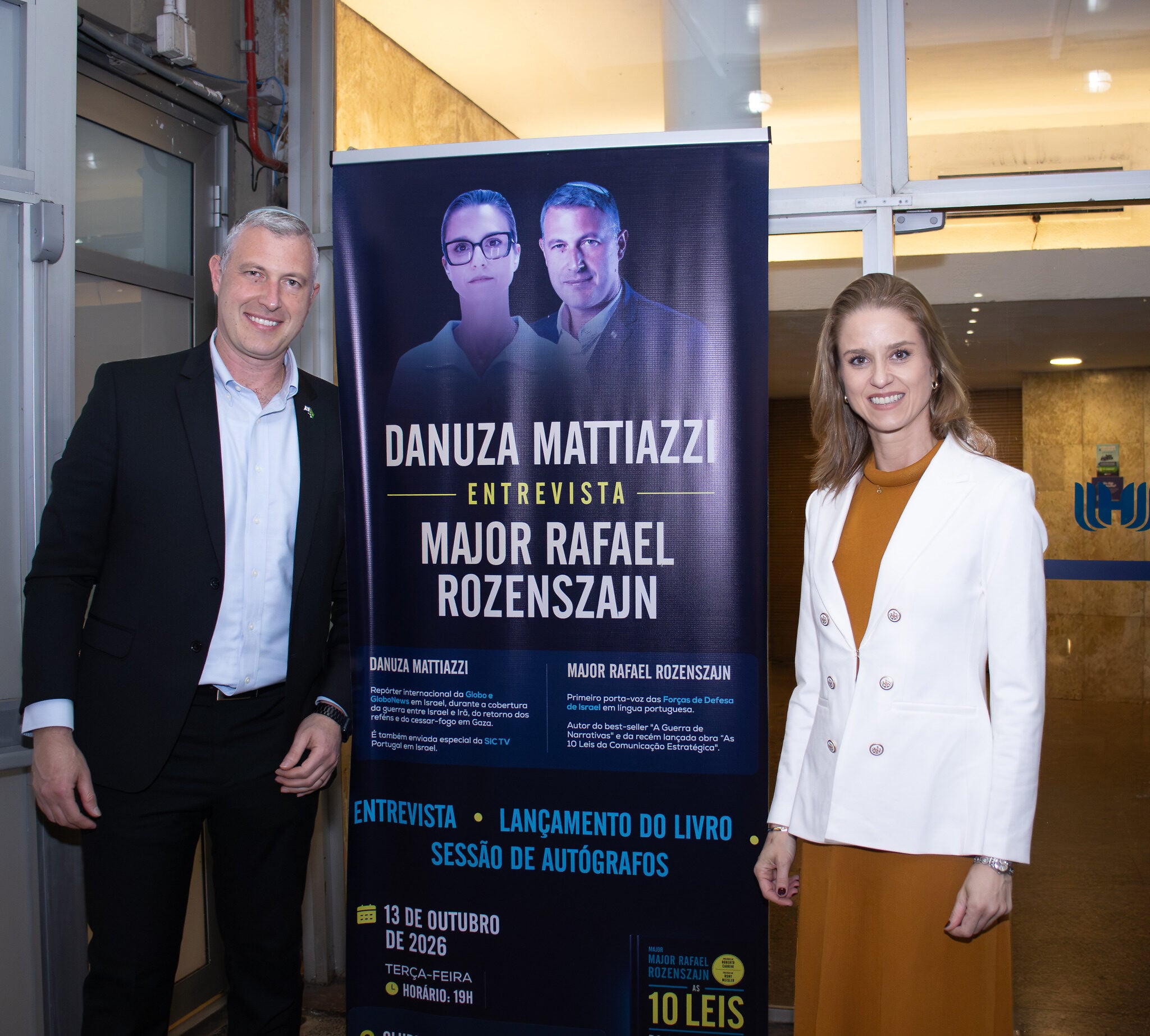
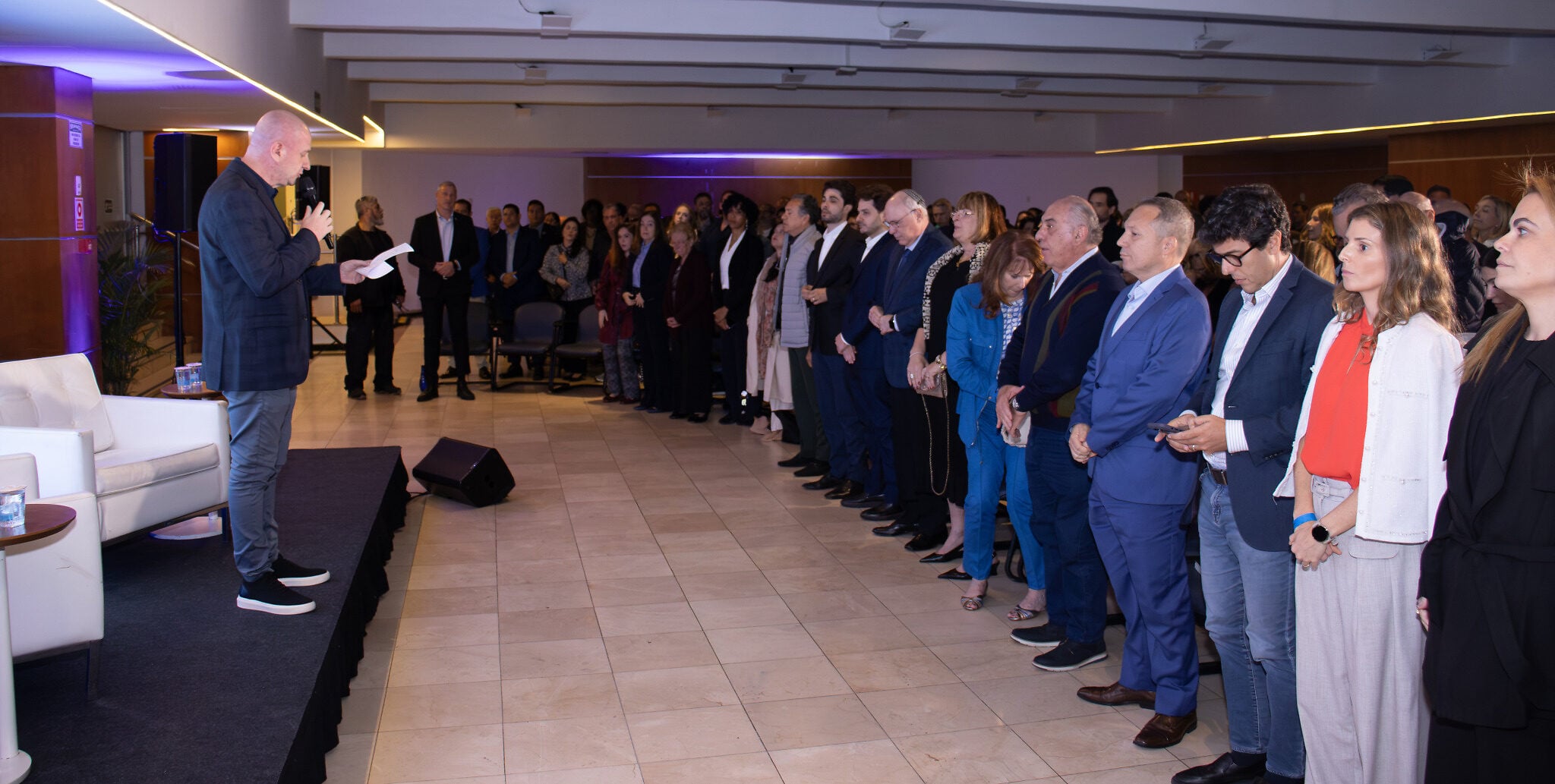
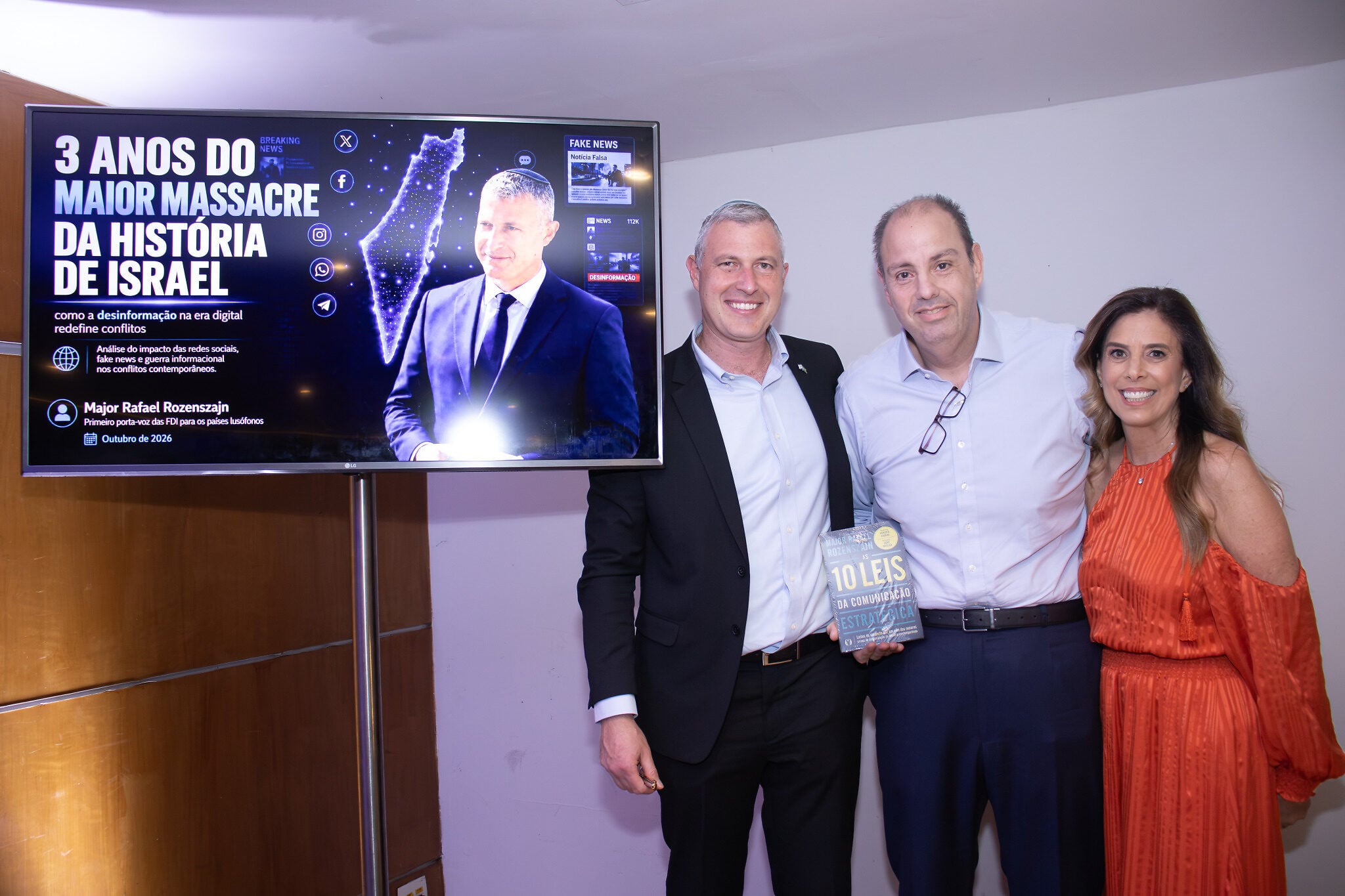
Approximately 500 people attended an event at Hebraica in São Paulo featuring Rafael Rozenszajn, a reserve major in the Israel Defense Forces (IDF), and journalist Danuza Mattiazzi for an in-depth discussion on the war between Israel and Hamas, the role of information in times of conflict, and the geopolitical challenges of the Middle East.
Conducted in an interview format, the event addressed topics including terrorism, security, humanitarian aid, democracy, journalism, and the intense battle of narratives that emerged in the aftermath of the October 7, 2023 attacks.
The audience was notably diverse, bringing together Jews, Evangelicals, Catholics, and representatives from various sectors of society. The strong attendance reflected growing interest among Brazilians in developments in the Middle East and in issues that directly influence contemporary political and social debate.
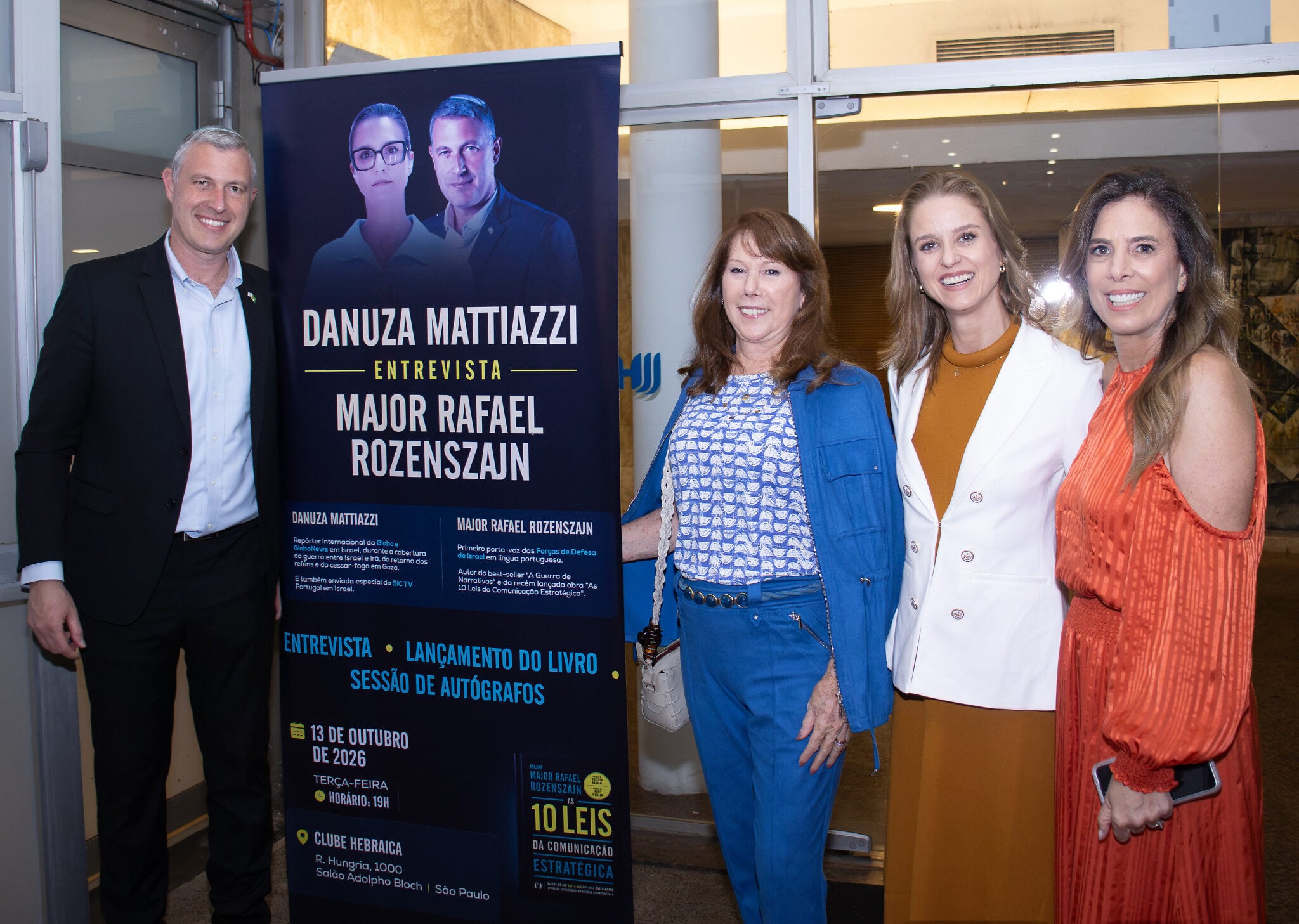
Alongside Rafael Rozenszajn, the work of Marcia Kelner Polisuk, a psychologist, Zionist, and advocate for stronger Brazil-Israel relations, stood out. Responsible for conceiving and coordinating the Israeli spokesperson’s visit to Brazil, Marcia played a key role in the event’s organization, leading efforts alongside her team and the communications staff of Digital Trix, the agency responsible for media relations and promoting the initiative.
Marcia’s initiative has helped expand Brazilian audiences’ access to discussions on Israel, international security, strategic communication, and geopolitics by organizing events that bring together experts, journalists, and representatives from different sectors of society.
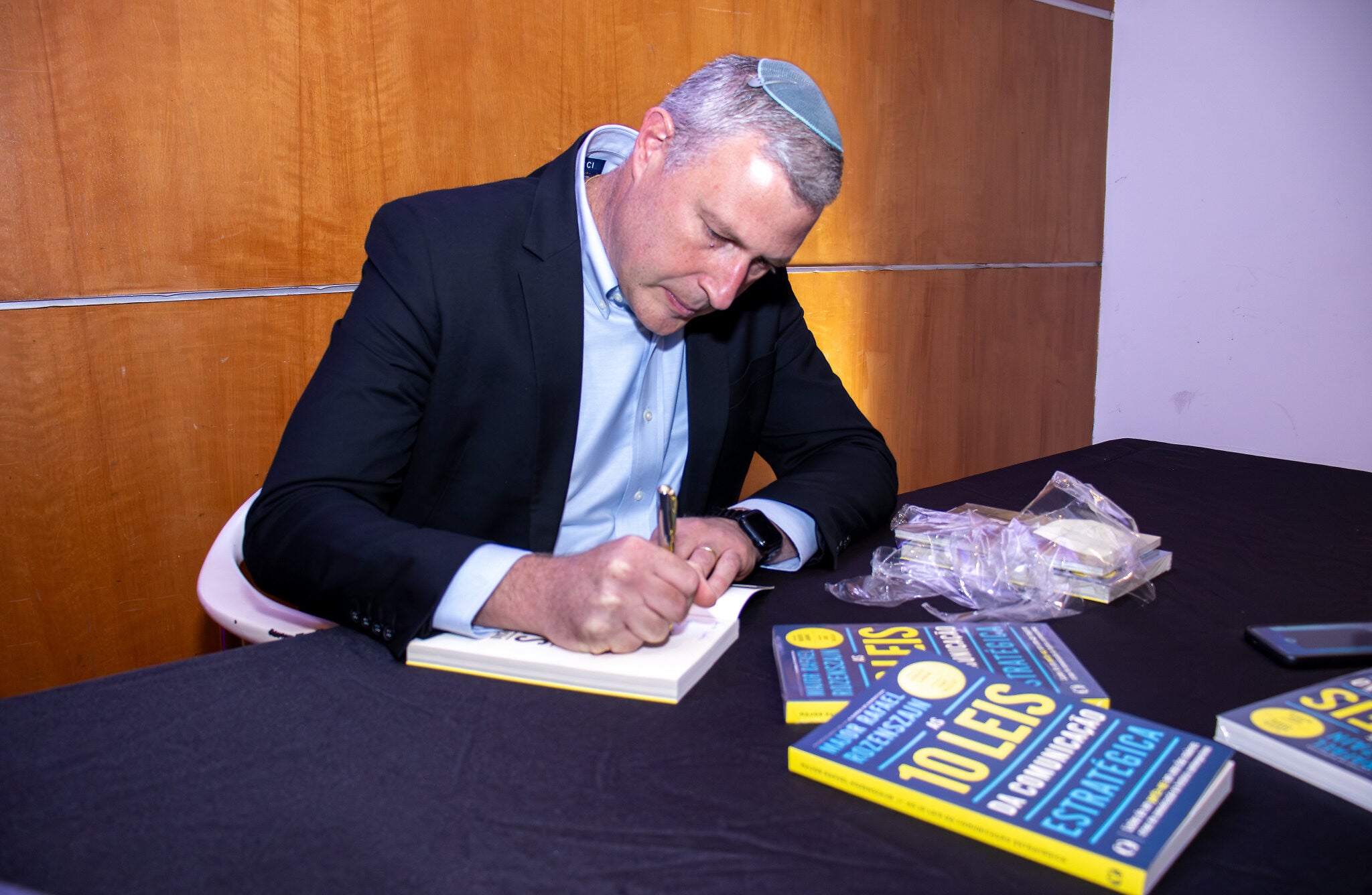
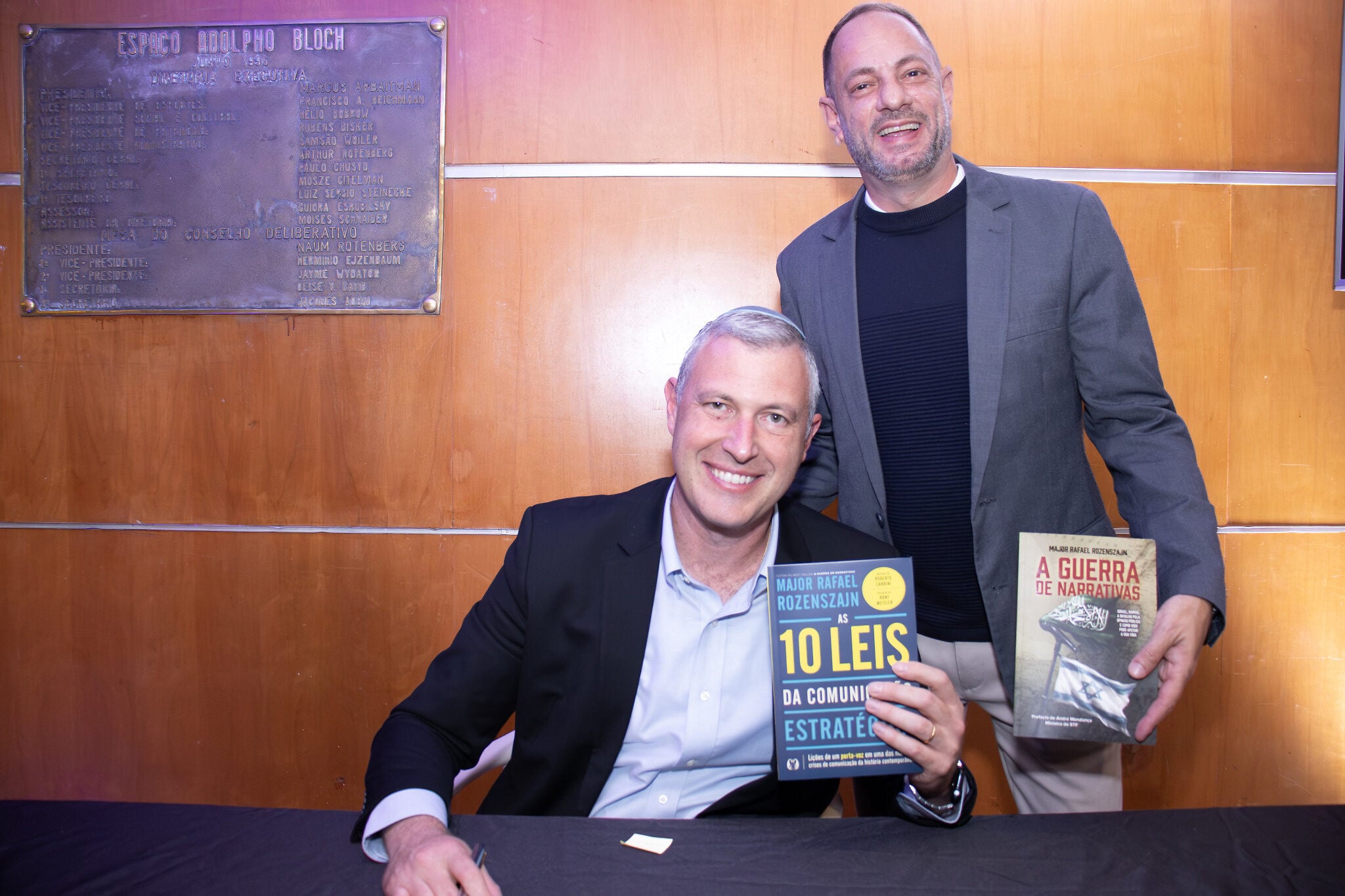
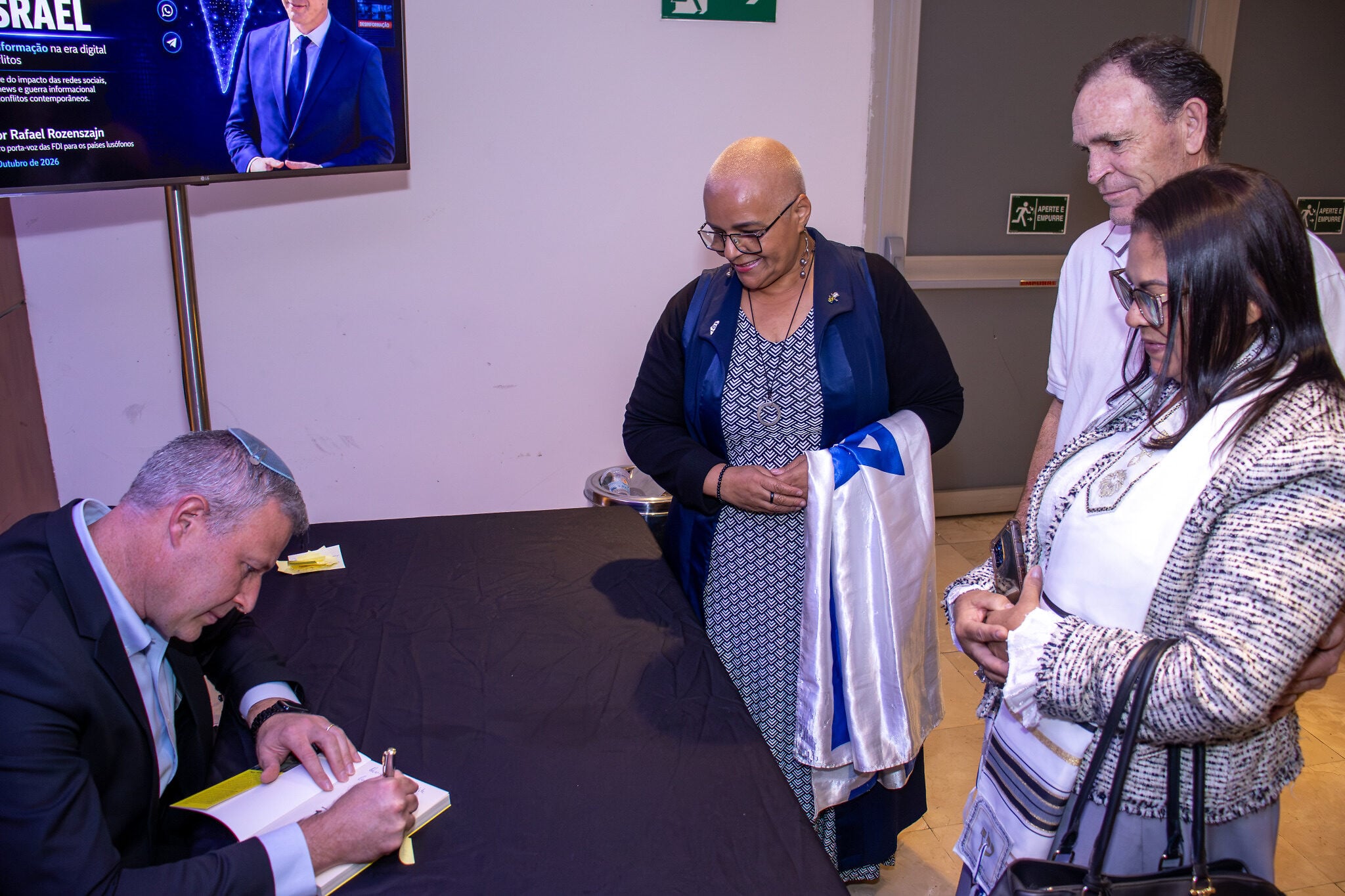
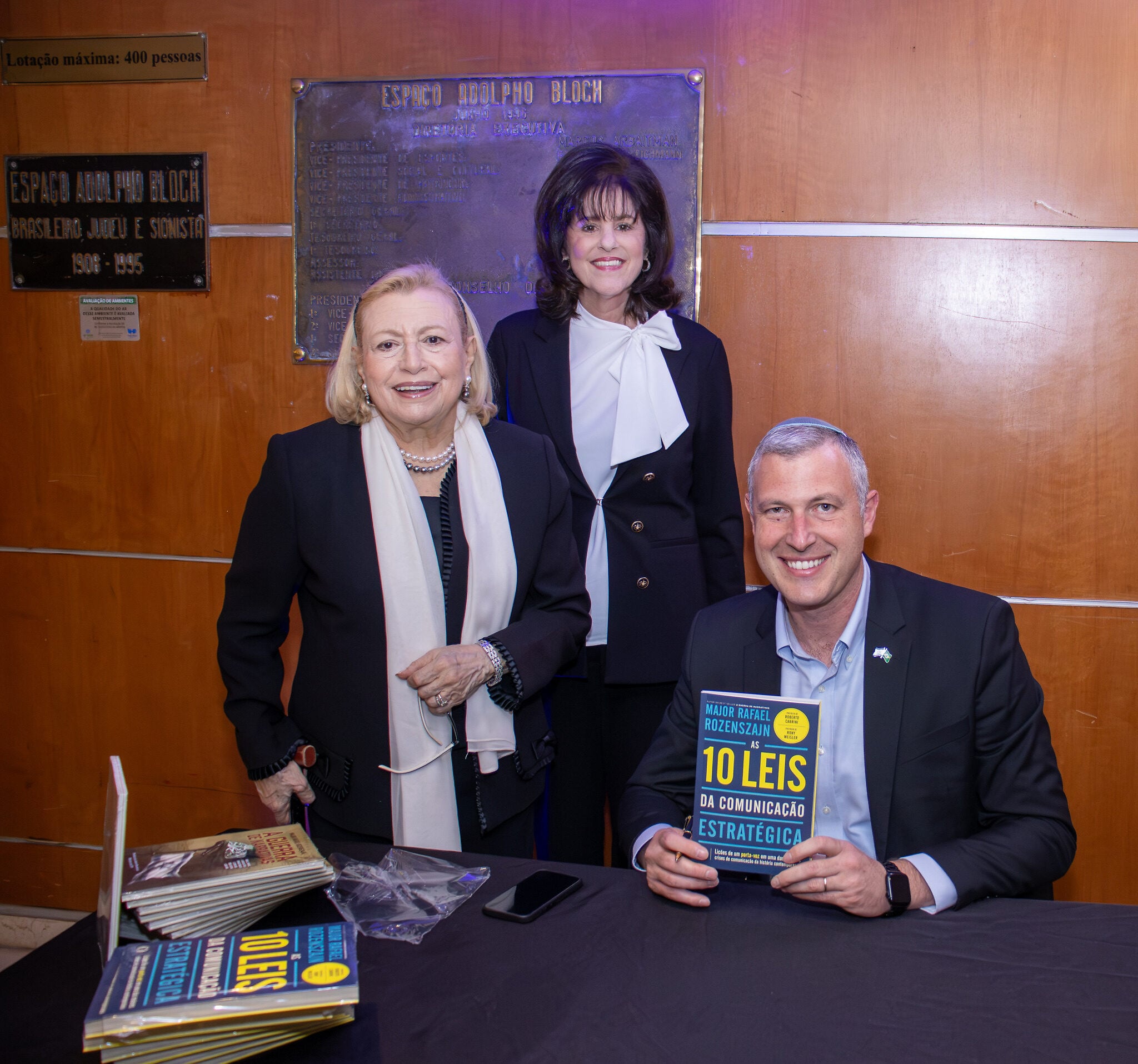
Rafael Rozenszajn is the first Portuguese-language spokesperson in the history of the Israel Defense Forces, a reserve IDF major, and the author of “The War of Narratives,” a bestselling book analyzing the battle for public opinion, and “The 10 Laws of Strategic Communication,” recently released. With an established career as a military attorney, military prosecutor, and legal adviser in various IDF units, he has become one of Israel’s leading voices for Portuguese-speaking audiences.
Danuza Mattiazzi serves as an international correspondent for Globo and GloboNews in Israel and has covered the conflict between Israel and Iran. She is also a special correspondent for SIC TV Portugal in the Middle East. During the event, she shared firsthand experiences from her reporting in Israel, the West Bank, and areas near the Gaza Strip, enriching the discussion with insights from someone closely following developments on the ground.
Narratives, Numbers, and the Dispute Over Truth
One of the evening’s central topics was the debate surrounding casualty figures in the Gaza war.
According to Rozenszajn, a significant portion of the statistics circulated internationally originate from institutions controlled or influenced by Hamas, which, in his view, requires caution when interpreting the data.
The spokesperson argued that widely cited reports often fail to distinguish adequately between civilians and combatants, natural deaths, or casualties resulting from Palestinian rockets that misfired and landed inside the Gaza Strip.
During his presentation, he maintained that any serious analysis of the conflict must take these factors into account in order to achieve a more accurate understanding of the war’s human impact.
“Our commitment must be to the facts,” he stated.
Proportionality and Urban Warfare
Rozenszajn also addressed the issue of military proportionality, a recurring criticism leveled against Israel internationally.
According to him, approximately 25,000 members of terrorist organizations have been eliminated by Israeli forces since the beginning of the war. Based on this calculation, he argued that the ratio of civilian-to-combatant deaths is significantly lower than that observed in other contemporary urban conflicts.
To support his position, he cited international studies and reports on warfare in densely populated areas and highlighted measures adopted by Israel to minimize civilian harm.
Among these measures, he mentioned the establishment of humanitarian corridors, the designation of evacuation zones, the sending of millions of text messages and phone calls in Arabic advising civilians to relocate, and the cancellation of military operations when unexpected civilian presence is detected.
The Challenge of Investigating Mistakes During Wartime
During the discussion, Danuza Mattiazzi raised a question frequently present in international debates: military mistakes committed during combat operations.
The journalist referred to widely reported incidents involving medical teams, ambulances, and humanitarian workers, asking how Israel deals with situations in which initial accounts released by authorities are later revised.
In response, Rozenszajn acknowledged that mistakes occur in every armed conflict.
“There are no wars without mistakes because wars are conducted by human beings,” he said.
According to him, the principal difference between a democratic state and terrorist organizations lies in how such errors are handled. He argued that substantiated allegations are investigated through independent mechanisms and that Israeli military personnel have been held accountable in cases where wrongdoing was identified.
The Humanitarian Crisis and Food Distribution in Gaza
Humanitarian concerns occupied a significant portion of the discussion.
Mattiazzi recalled visits to logistics centers near the Gaza Strip, where she observed large quantities of humanitarian aid awaiting distribution.
Rozenszajn argued that Israel fulfills its international obligations by allowing food, medicine, and other essential supplies to enter Palestinian territory.
According to him, the main obstacle lies in the internal distribution of those supplies.
In his assessment, part of the aid is diverted by Hamas, which allegedly uses control over resources to maintain influence over the population and finance its activities.
“People are going hungry in Gaza. That is a fact. But the problem is not the entry of food. The problem is distribution,” he said.
At the same time, he acknowledged the severity of the conditions facing thousands of Palestinian civilians amid the conflict.
Democracy, Coexistence, and Accusations of Apartheid
Accusations of apartheid directed at Israel were also discussed.
Rozenszajn presented demographic data to argue that Israel’s Arab population has grown significantly since the country’s independence, maintaining that this reality is incompatible with the classical definition of apartheid.
Mattiazzi shared experiences from reporting in Israeli Arab cities and educational initiatives aimed at fostering coexistence between Jews and Muslims.
The journalist highlighted integration projects and bilingual schools that seek to strengthen coexistence in a society deeply affected by recent events.
“It is not a black-and-white reality,” she observed, emphasizing the many nuances within Israeli society.
Personal Stories and the Human Dimension of Conflict
In the final moments of the event, the discussion took on a more personal tone.
Rozenszajn presented a translated document reportedly found on a Hamas member during the war and used it to illustrate the Israeli perspective regarding the organization’s ideological character.
He then read excerpts from a letter left by a young Israeli reservist who was killed in combat in the Gaza Strip.
The message spoke of duty, family, friendship, and sacrifice, moving part of the audience.
The major also shared aspects of his personal life, expressing pride in seeing his son recently join an elite unit of the Israel Defense Forces after years of preparation.
For him, Israel’s greatest strength remains the unity of its society in the face of the country’s existential challenges.
The Role of Journalism and Information
Mattiazzi emphasized the challenges of obtaining independent information in conflict zones, where international journalists often face limited access and where verifying claims made by governments, armies, and armed groups requires exceptional rigor. Her field experience broadened the discussion regarding journalism’s role in the pursuit of verified information in an environment shaped by the speed of social media and an intense competition of narratives.
For Rafael Rozenszajn, the major challenge today is not only responding to criticism directed at Israel but also ensuring space to present data, context, and the Israeli perspective on unfolding events.
By the conclusion of the evening, it had become clear that the war between Israel and Hamas extends beyond the military battlefield. It is also a struggle fought in the realms of information, public opinion, and international legitimacy, where narratives, perceptions, and facts play a decisive role.
The event concluded with applause from an audience of approximately 500 attendees, reflecting the growing interest among Brazilians in the developments of the conflict and in broader issues such as security, democracy, terrorism, human rights, and strategic communication within one of the most complex geopolitical landscapes of the modern world.
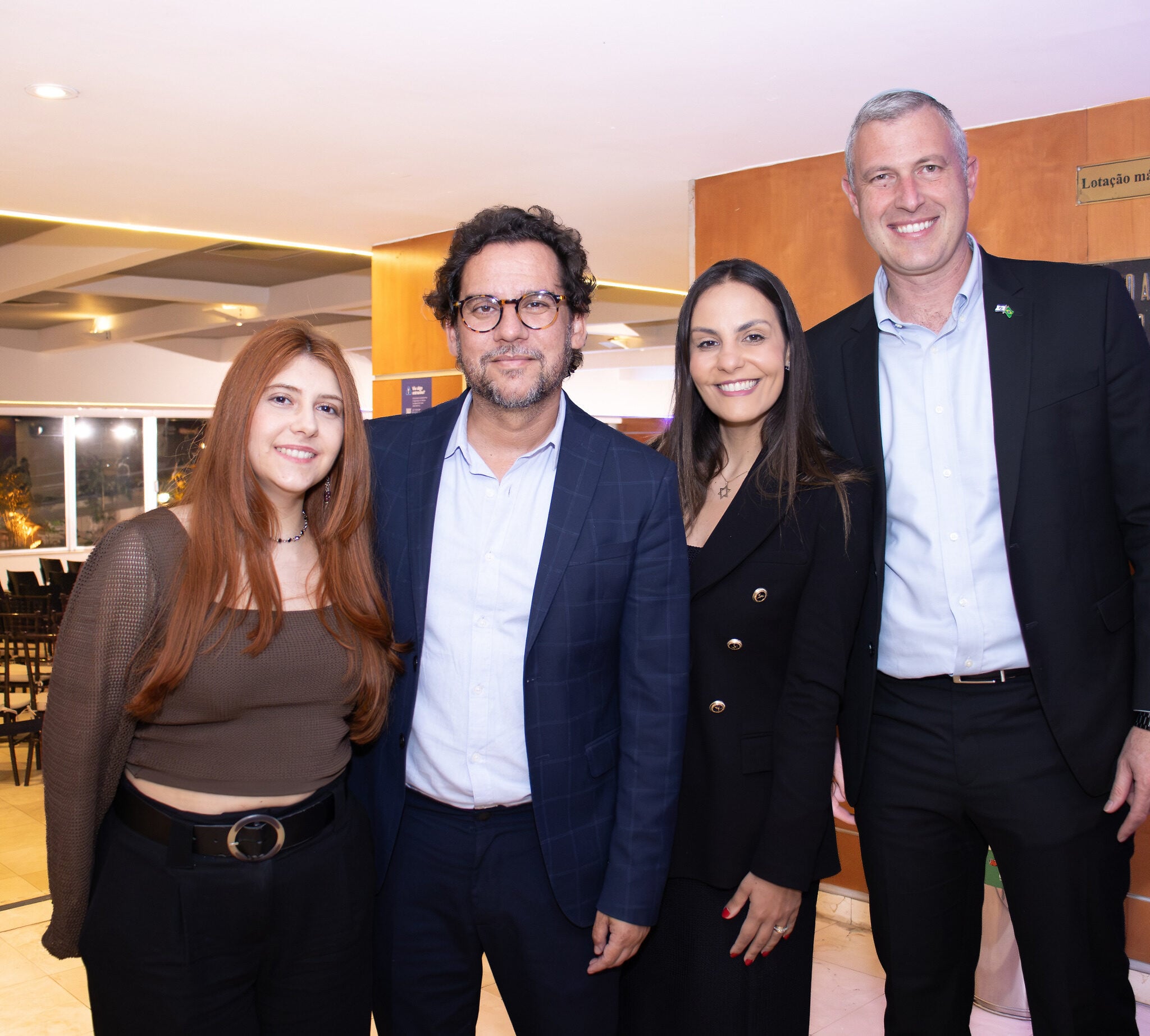
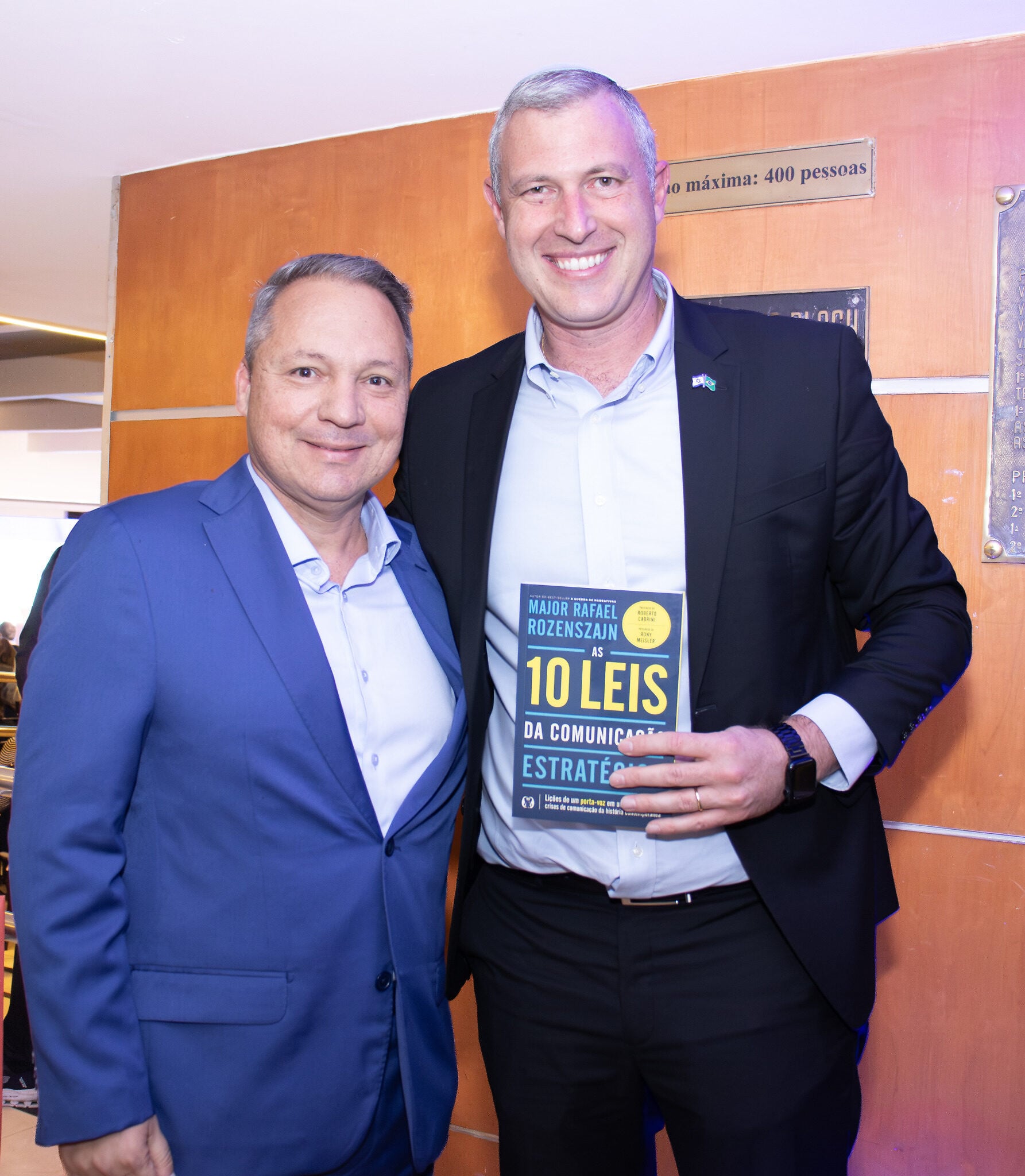
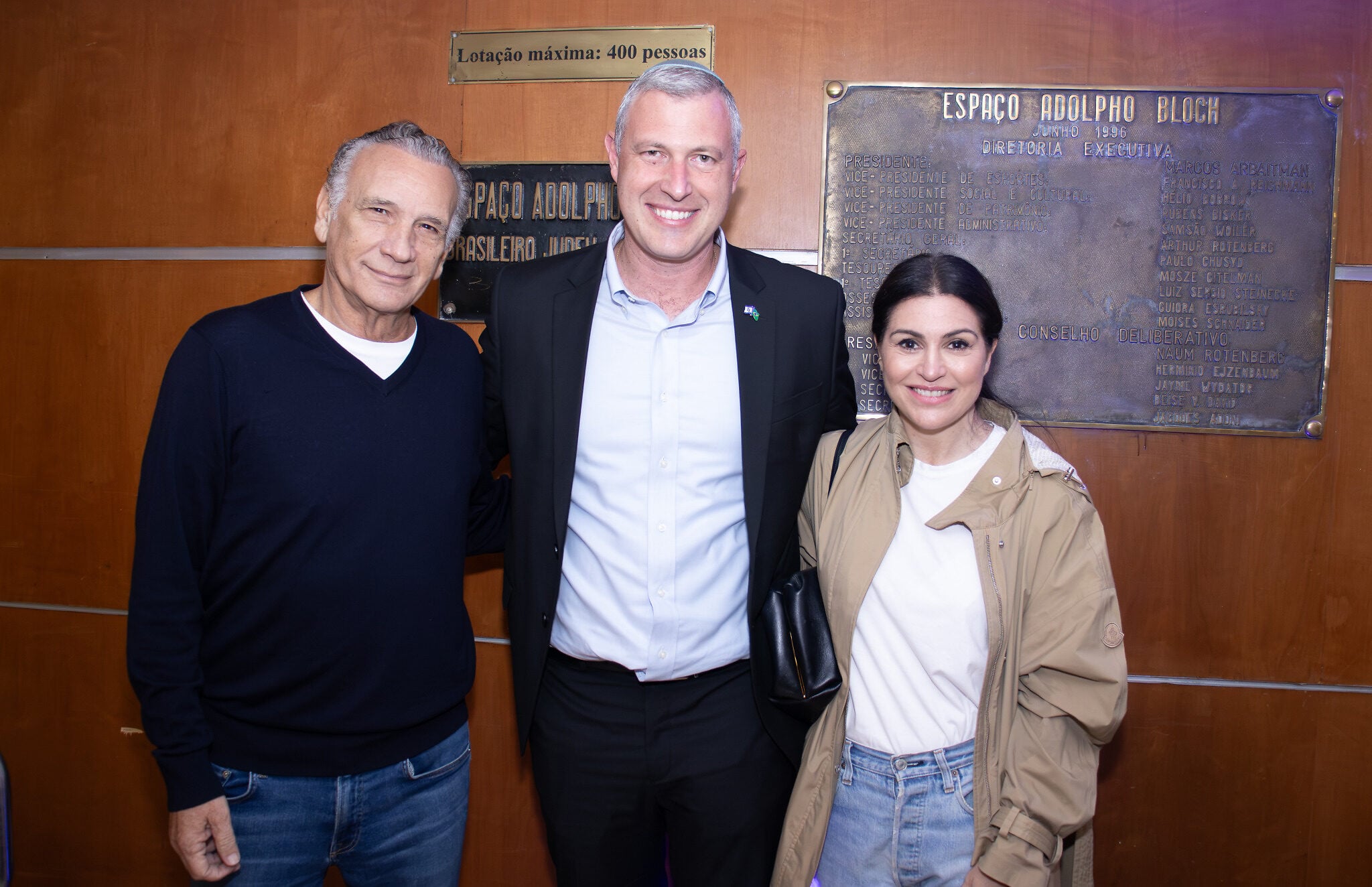
To enrich this coverage, we received an exclusive selection of photographs by Nathalie Zveibil Coifman of Nathi.Photos, who documented the event’s key moments. The images capture both the atmosphere of the discussion and the strong engagement of the audience at Hebraica.