Contributor
Hindu man Burned Like ISIS: Denied Martyr’s Crown in Bangladesh
Source: X (Fair Use)
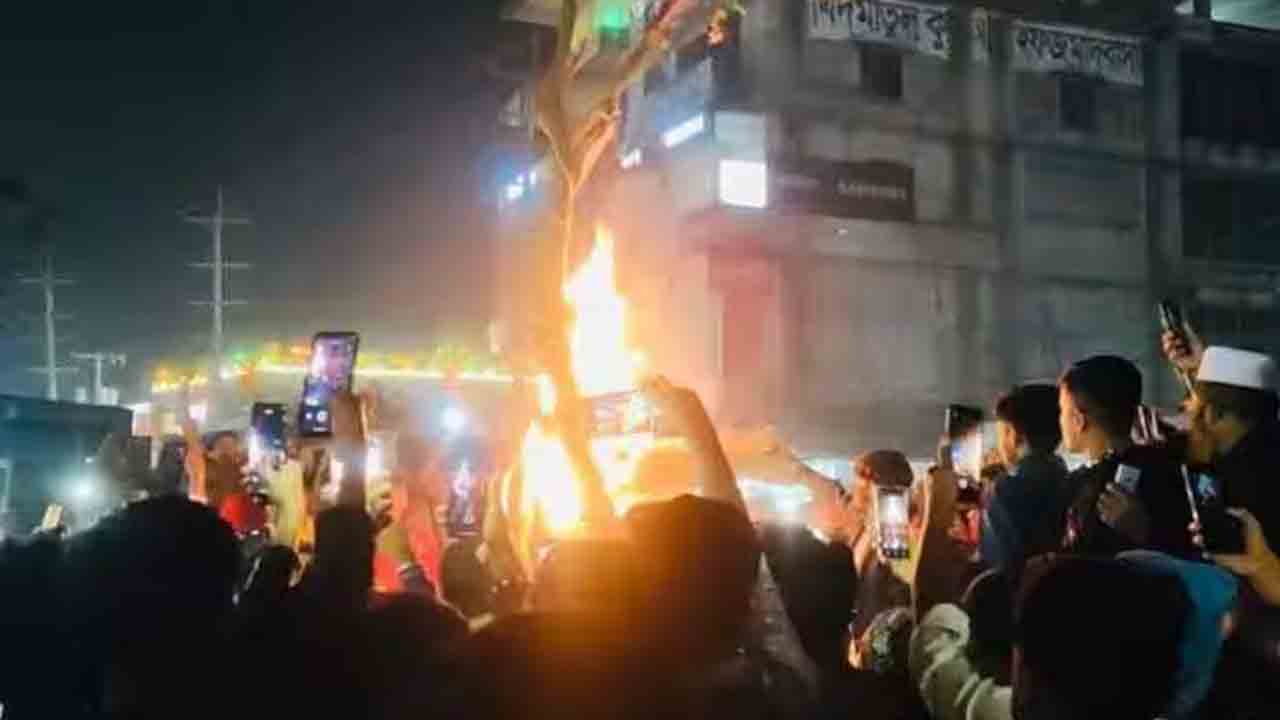
A Hindu worker Dipu Chandra Das, lynched and set on fire right there on the highway. Is this an isolated incident, or just another grim rehearsal for terror? Who gave the mob both the match sticks and the camera? In this place, rumors of blasphemy outpace even the police vigilance. But really who wins when alleged blasphemous get thrown into the flames of religious intolerance?
How long did Dipu Chandra Das cry out before the fire shut him up forever? And the crowd what did they do? Did they cheer, or just watch quietly, eyes glued to their smart phones? From ISIS cages in Raqqa to trees in Bhaluka, ISIS Caliphate Jihad to Bangladesh’s street Jihad. Where does it end?
Since when did Bangladesh start following this brutal playbook of ISIS styled beheading? Who taught these villagers to record murder like it’s a message to the world? Was it a fight at the factory, or some old grudge dressed up as faith? Who gets to decide when someone’s life turns to ash?
How many more have to burn before people admit there’s a pattern here? Will Yunus just brush it off as another “incident,” or is this smoke-filled script the new normal in Bangladesh?
Why Dipu?
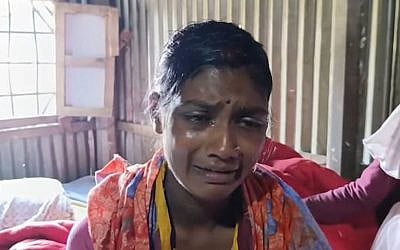
Dipu Chandra Das, no politician, no priest. Just a worker whose life became fuel for the mob’s rage. Who whispered “infidel” into ears already itching for a target? In Bhaluka’s dust, was it faith, feud, or a signal to every minority: stay small, stay silent, or become the next pyre? The tree still stands blackened. The question burns longer than his corpse.
Osman Hadi takes a bullet to the head, gets flown out to Singapore, and the Government calls him a martyr. Dipu Chandra Das gets dragged onto a highway, beaten and burned, and it’s just another case of “mob justice” for the files. All in the same week. Hadi, the misogynist firebrand from Inquilab Mancha, famous for his radical speeches with his derogatory rhetoric tagging women’s genitals, gets national mourning!
Even Yunus weighs in. Crowds chant his name; protests explode across Dhaka. Dipu? He’s a Hindu factory worker accused of blasphemy—just a rumor, really? His own supervisors turned him over, his coworkers joined the beating, and they left him tied to a tree. No one’s holding a vigil for his daughter. One killing sparks outrage over “Indian aggression.” The other gets tossed aside as a workplace dispute gone bad. Who decides which blood counts, and which is forgotten?
Hadi’s face is everywhere online, celebrated as a hero. Dipu’s lynching barely makes a sound outside a handful of Hindu pages. Is this how things work now? Islamists get rallies and revenge; regular people get a police report and silence. How many more Dipus before something finally shifts? Or is the outcome always set—some get a parade, others just ashes? Why is Dipu not a Martyr? Is it because he isn’t a Muslim?
The ashes of Dipu, too heavy for Bangladesh?
Dipu Chandra Das: the only college graduate in his family, the one who kept his family afloat. They beat him, burned him alive right there on Bhaluka’s highway. It feels like what happened to Professor Govinda Chandra Dev back in 1971. Pakistani soldiers mercilessly fired him by calling him ‘son of a kafir’.
Flash forward, and it’s ISIS burning the Jordanian pilot Moaz al-Kasasbeh in a cage, justifying the burning using retribution against Air strikes by the pilot. After it was globally condemned by almost everyone, ISIS responded in their Dabiq Magazine citing reference to such horrifying acts from classical Islamic texts.
The Government’s half-hearted Response
Charlotte Jacquemart, a Swiss journalist who came to Bangladesh after the Hasina government fell, has seen this up closer than many. Some of her journalist friends are either locked up or internally displaced. Jacquemart told the writer that UN and the broader international community just stand by. They haven’t challenged Muhammad Yunus’s leadership at all. In doing so, they miss how his style of governance opens the door to radicalization.
Bangladesh’s interim government releases weak press notes and a few token arrests. Meanwhile, his family’s left out in the cold. No standby police protection, no counceling. Where’s the urgency? Minorities suffer, but the system shrugs. Then Education Adviser of Muhammad Yunus swoops into Bhaluka for a photo op, condolence. Why is an education Adviser here? Since when is mob violence a school issue? Security failures and justice should fall to Home Affairs or the Chief Adviser, not an economist playing detective.
This isn’t real action; it’s just for show, a distraction from the deeper problem. Radicalism festering while officials pose for the press. Dipu not a martyr for the interim Govt and radicals, but for people who still believe in the secular dream, Dipu stands close to being the Bengali George Jacob Haylock.
Blasphemy laws? They’re old shackles dressed up as vampires crushing free speech and letting rumors turn deadly. It’s a slap in the face to Article 19 of the UDHR, which protects the right to speak without fear, and the policies of West tolerating blasphemy. Instead of justice, these blasphemy laws fuel mob rule.
What about the OHCHR in Bangladesh? Just spectators, really. They put out feeble reports while more innocents die. No nerve to challenge the government, no push for real accountability and democratically reforming intolerance towards criticism of religion in majority Muslim nations. It’s embarrassing. When will OHCHR work to minimize these gaps of free speech between the West and conservative Nations?
Related Topics
Related Posts