Journalist
How Antisemitism Became Acceptable Again
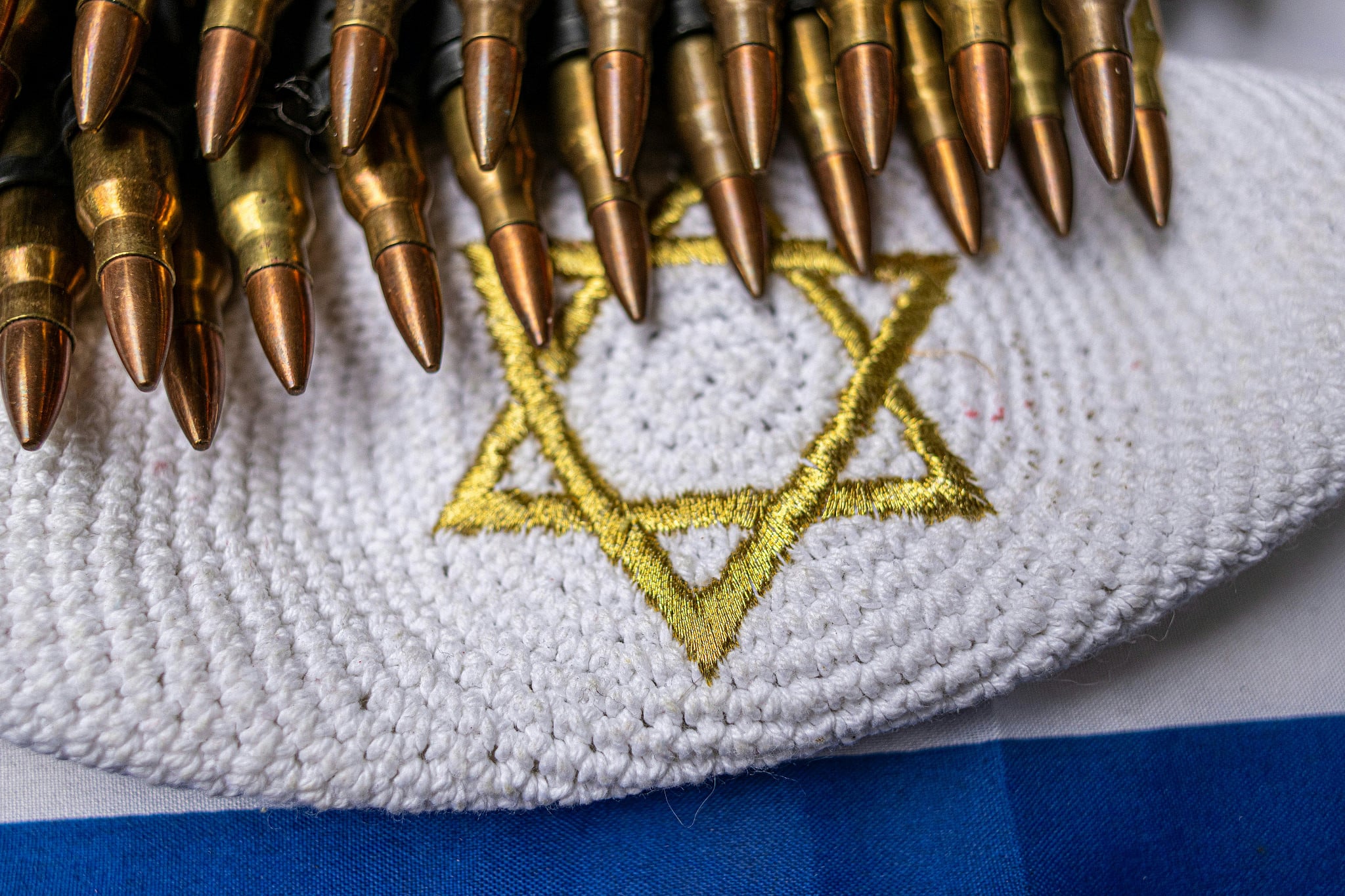
(Unsplash)
They say Israel has the right to defend itself and then spend every breath narrowing the definition of “defense” until it fits inside a coffin. They say Jews are safe in the West and then tell them how to feel, how to grieve, and how to behave when their people are slaughtered. They say freedom of speech is sacred unless that speech defends Israel.
Welcome to the age of the enlightened muzzle, where the West proclaims moral superiority while platforming chants of “Globalize the Intifada.” Where Ivy League students glorify Hamas as resistance and call for the annihilation of Israel, and then cry foul when consequences arrive. Where a gunman in Washington, D.C., murders two Israeli embassy staffers at a Jewish museum, shouting “Free, free Palestine,” and is hailed as a hero by anti-Zionist groups chanting “Bring the War Home.”
The U.S. government’s decision to revoke Harvard University’s ability to host foreign students is not about immigration. It is a seismic warning shot in the culture war: If elite institutions become breeding grounds for antisemitic hate under the veil of “activism,” then they will face real-world consequences.
Harvard’s own Presidential Task Force on Antisemitism reported a “pervasive climate of fear and hostility” for Jewish students, confirming that intimidation, harassment, and antisemitic tropes were routine on campus. The Biden administration’s task force did little to curb the crisis, while the Trump administration acted decisively. You don’t get to host foreign nationals who call for the death of American allies and expect your visa pipeline to keep flowing.
Harvard wasn’t alone in its descent. It’s just the most symbolic scalp. Jewish students walk past posters celebrating terrorists. A Columbia professor wrote that Hamas’s October 7 attack was a “major achievement” of the “resistance,” striking a “death blow” to Israeli confidence. Others glorified the violence as “exhilarating” or justified it as breaking colonial chains. This isn’t a campus debate; it’s a campus collapse.
And when the decision came down, how did the world react? Social media erupted with anti-Zionist groups celebrating violence and spreading conspiracies. The D.C. shooter’s manifesto, titled “Escalate For Gaza, Bring The War Home,” was turned into a zine by Unity of Fields, who called him a “political prisoner.” The Bronx Anti-War Coalition declared his act “the highest expression of anti-Zionism,” while influencers claimed no “genocidal Zionist” should feel safe. Others labeled the attack a “false flag” to paint Jews as victims. This is what globalized Intifada looks like in 2025. It’s not just rockets and tunnels. It’s narratives. It’s hashtags. It’s students quoting Hamas propaganda from dorm rooms funded by their parents’ pensions. It’s Western institutions treating Jews as a problem when they insist on security and sovereignty.
The same voices that spent decades condemning antisemitism in theory now call it “activism.” When groups condemned the D.C. shooting, anti-Zionists mocked them, equating their stance to defending Nazis. Let’s be clear: If your idea of academic freedom includes death threats against Jewish students, you’re not defending liberty; you’re enabling hatred. And if your university can’t tell the difference, it shouldn’t be trusted with visas, endowments, or federal dollars. It’s moral clarity.
We do not need more think pieces about “both sides.” We need red lines. Clear ones. No, you may not celebrate the murder of Israelis and call it scholarship. No, you may not harass Jews in the name of “liberation.” No, you may not claim moral high ground while standing ankle-deep in the blood spilled on October 7. No, you may not gun down Jews at a museum and call it resistance. Some argue anti-Zionism isn’t antisemitism, but celebrating violence against Jews crosses a line.
This is not about silencing criticism of Israel. It’s about refusing to dignify the erasure of Jewish life, the demonization of Jewish identity, and the hijacking of human rights language to launder jihad.
Jews do not owe the West silence in exchange for safety. And they certainly do not owe Harvard the benefit of the doubt. This moment will be remembered, not just for what happened, but for who stood up. And who stood by.
Related Topics
Related Posts