A journalist who wrote for Times of Israel, Jerusalem Post, and other publications
How Ukrainians saved my grandfather during WWII
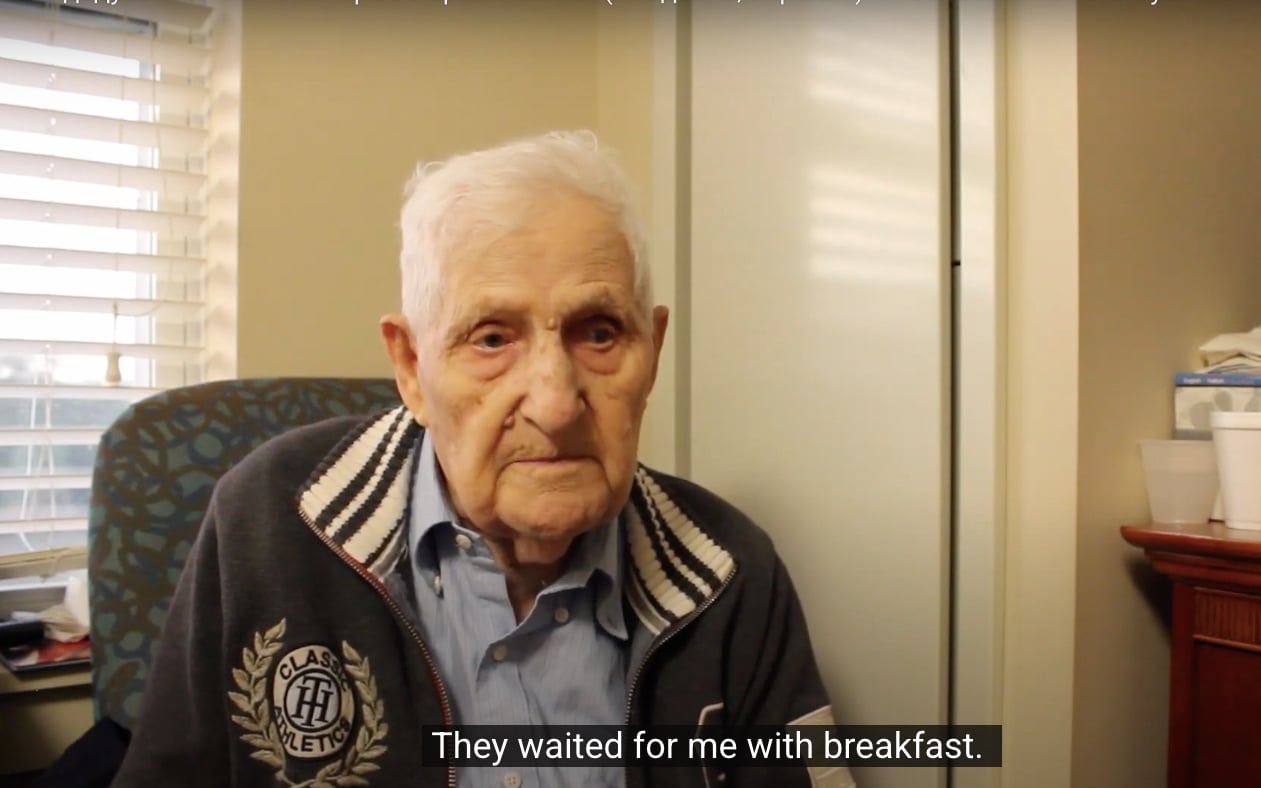
My grandpa Shlomo Masis remembered how an elderly Ukrainian couple waited for him with breakfast every morning in Obodovka, Ukraine, during WWII.
I did not set out to write a book about how Ukrainians helped the Jews during the Holocaust.
I was actually born in Russia and I publish a newspaper called “The Russian Boston Gazette” – it’s a publication for Russian-speaking immigrants in Boston, and although many people have tried to pressure me to change the name of the newspaper after Putin attacked Ukraine, I decided to keep it as is.
A few years ago, my newspaper published a front page article entitled “Fascists or Ukrainian heroes?” after we found out that a Ukrainian church in Boston has pictures of Stepan Bandera (a Ukrainian leader who cooperated with Nazis during WWII) and Symon Petliura (who is often blamed for the murders of tens of thousands of Jews during the pogroms of the 1920s) hanging on the walls of its social hall. I did not win any friends in the Ukrainian community for publishing that story.
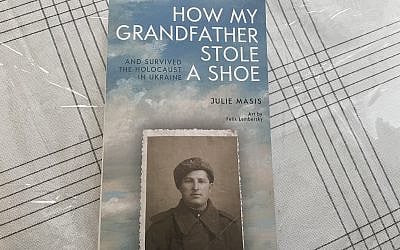 Now my book, “How My Grandfather Stole a Shoe and Survived the Holocaust in Ukraine” came out this summer. It is true that my grandparents survived the Holocaust in Ukraine, but the word “Ukraine” was not originally supposed to be in the title. When I self-published a shorter version of the book in time for my grandfather’s 100th birthday (that was in 2016), the book was just called “How My Grandfather Stole a Shoe.” I liked the bizarre idea of “stealing a shoe” – just one shoe, not two – and that that one shoe may have saved my grandfather’s life.
But when I decided to publish a new version with a “real” publisher, they suggested that the word “Ukraine” should be in the title. Indeed, Ukraine is in the news now because of the war, so people are interested in Ukraine.
My book includes true stories about how the people in the village of Obodovka, Ukraine, which was under Romanian occupation during WWII helped the Jews to survive. I wouldn’t be here today if Ukrainian people in that village hadn’t helped the Jews.
My grandparents were from Moldova, but in the summer of 1941 Romania occupied Moldova and Romanian soldiers forced the Jews to march from Moldova to southern Ukraine (a part of Ukraine that was under Romanian jurisdiction, it was then called Transnistria). There were many Jewish camps set up in Transnistria, where deported Moldovan Jews were forced to live in cowsheds and pigsties without food, water or heat. They were not gassed or shot, but they were not fed at all.
“We will not kill you, but we will make your life so miserable, that you’ll wish you were dead,” one of the soldiers said to a Jewish prisoner.
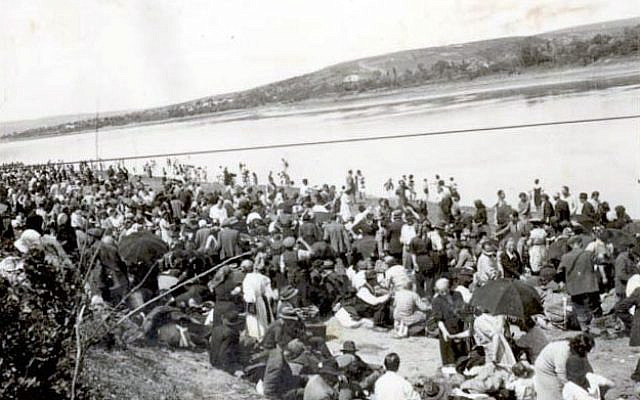
The conditions were so miserable that in their post-war interviews some survivors said that those who were still alive were jealous of those who were already dead. During the first winter, approximately half of the people in the Obodovka camp (where my grandparents were imprisoned) died from hunger, cold and disease.
How did the others survive?
My grandpa Shlomo Masis told us that every morning – when it was still dark and everyone in the camp was still sleeping – he would sneak out (even though Jews were warned that if they were seen outside of the camp, they would be shot on the spot) and walk through the woods into the village. In the village, he befriended an elderly Ukrainian couple, who waited for him with breakfast every morning.
“They wouldn’t sit down to eat until I came,” grandpa remembered.
Grandpa would chop firewood for them, and bring water from the well. And they shared with him the food that they had – potatoes (because they grew them) and eggs (because they kept chickens.)
Grandpa also told us that he would walk through the village, knocking on doors and begging for food.
“Did the Ukrainians know that the food was for the Jews?” I asked grandpa when he told this story.
“Of course they knew,” he said, explaining that it was easy to tell him apart from the way he was dressed – in his long black coat, tied with a rope at the waist.
“Were there people who didn’t give you anything?” I asked.
“If they didn’t have bread, they gave potatoes,” grandpa replied.
When I heard his answer, I was touched so much that tears came to my eyes. It was a tough time for everyone, food was in short supply. But grandpa said that even if they didn’t have bread, they shared their potatoes.
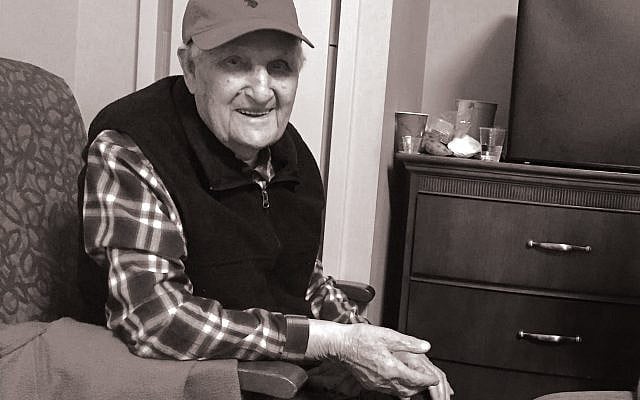
In grandpa’s and grandma’s stories, history didn’t always happen as we think it should have happened. The Ukrainians didn’t hate the Jews. Not all the Germans were evil. Not all the Jews were kind to each other. Evil people are not always evil and good people are not always good. Real history is full of contradictions.
I used to hear people say that the Ukrainians hated the Jews and that they worked as guards in Nazi concentration camps, but in grandpa’s stories, Ukrainian villagers gave bread and potatoes to the starving Jews. My grandpa bribed a Ukrainian man to dress his brother in Ukrainian clothes and bring him to Obodovka from another ghetto, where he would have been killed. Grandpa’s brother Yacov survived, and went on to have grandchildren and great-grandchildren. .
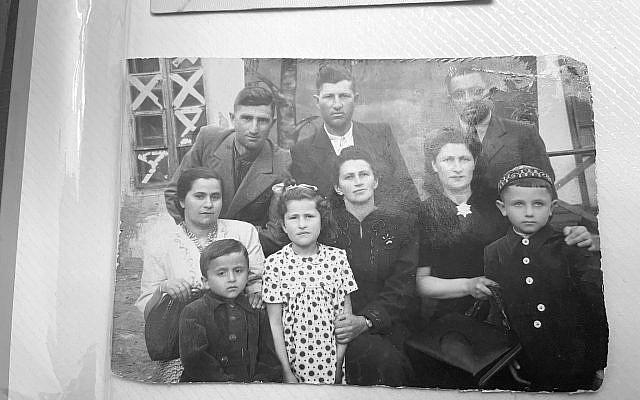
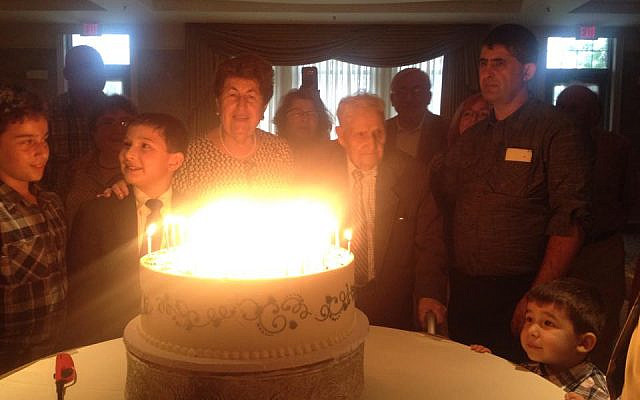
When I was writing my book (and when I traveled to Ukraine in 2015), I was particularly interested in recording stories about how the Ukrainians helped the Jews.
But let’s also consider the role of the Romanian army.
Romanian soldiers, I heard people in my family say jokingly, were not as disciplined as the Germans. You could bribe them, you could negotiate with them, they said.
And thank God for that!
My grandfather told us that one day he came across two Romanian policemen in the center of the village. They had orders to shoot and kill any Jew who was caught outside of the ghetto.
“What are you doing here, Jew?” they yelled at my grandpa. “If we see you here again, we’ll kill you!”
The soldiers hit my grandpa on the head with a bottle (when I asked grandpa if he was hurt, he laughed and said that he was ok because Romanian glass was of poor quality.)
Still, the Romanian soldiers did not shoot my grandpa, even though not killing him was against the orders.
Perhaps the Ukrainians in Obodovka were able to help the starving Jews because many Romanian soldiers looked the other way?
The Germans did not look the other way, however.
My book also includes a chapter, entitled “A Classmate” that tells the story of a Ukrainian boy who tried to bring food into the Obodovka camp for the starving Jews. A German soldier saw what the boy was doing and shot him dead.
This story came from the testimony of a Obodovka ghetto survivor named Petr Roitman, who was interviewed in Israel in 1995 and whose video interview I accessed through the USC Visual History Archive. Roitman said that he recognized this boy because it was his classmate.
“I saw it from a distance. I could not even tell his mother what happened because I could not leave the camp,” Roitman said during the interview. “Many Ukrainians helped and many were killed as a result.”
To read “How My Grandfather Stole a Shoe and Survived the Holocaust in Ukraine” go to amazon.com
Related Topics
Related Posts