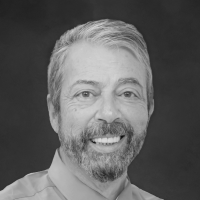
Humble with a declining sense of humor.
I’m Not Paranoid, But Everybody Thinks I Am

AP/2017 at the Knesset
After captivity in Cuba, I can’t stop seeing the same absurd patterns in Gaza and Jerusalem.
After five years as a hostage in Cuba, I learned that trauma comes in many forms — and that both laughter and outrage can keep you alive when governments fail you. Watching what’s happening now in Gaza and Israel, I see those same forces — absurdity, cruelty, waiting — all over again.
When I was finally released from Cuban captivity, friends urged me to see a trauma specialist. PTSD, they said. I thought they were overreacting. After all, I had spent decades working in conflict zones — Israel, Gaza and the West Bank, Iraq, Lebanon, Yemen, Afghanistan. I had seen real war and real trauma. How could Cuba, of all places, break me?
But trauma is not only about danger. It is about powerlessness, isolation, and absurdity. And nothing is more absurd than being caught between governments more committed to politics than to people.
I think often now of the hostages still in Gaza — and of their families, waiting for news, waiting for compassion, waiting for someone in power to care more about lives than headlines. That waiting is its own kind of captivity. I know it well.
In Cuba, I waited for food, news from the outside world, for darkness (the lights in my cell were on 24/7). But most of all, I waited for my own government to help. That last wait was the longest.
Humor became my weapon. I laughed at the logic of my captors, who blamed U.S. sanctions for everything from broken toilets to the weather — while standing outside my cell were boxes of chicken stamped “Made in Georgia, USA.” I laughed when they accused me of spying for the CIA or Mossad, even as they returned my confiscated iPod and pretended it was a gift.
But humor was armor. Beneath it, I was angry — angry at the lies, the cruelty, and the endless waiting. Angry that both governments, Cuban and American, seemed locked in a cycle of blame and paralysis. It is a feeling I recognize again today, as leaders on both sides of this region’s latest catastrophe exchange accusations while civilians count their dead.
The Cuban government was corrupt and controlling. The U.S. government was cautious and slow. Both failed ordinary people while congratulating themselves on their “principled” policies. I remember one American diplomat telling me, with a straight face, that our Cuba policy had been “successful.” I had been in prison nearly five years. Successful? Not for me.
Inside that crumbling Havana prison, my cellmates and I joked that the only Cuban industry still growing was the prison system. Perhaps they considered investing scarce resources in tunnel construction. It was gallows humor, but they were not wrong.
Outside those walls, the island survived on remittances from the very country it condemned. In a bitter twist, the same “enemy” that Cuba blamed for all its suffering was also its lifeline. I see a version of that now, too — when both Hamas and the Israeli government claim to speak for their people, yet ordinary Gazans and Israelis pay the price.
Both sides invoke principle. Both insist they are defending their people. And both too often ignore the human beings still trapped — physically in Gaza, emotionally in grief and fear — because of choices made far above their heads.
When I was finally freed, I did what my wife Judy — a now retired psychotherapist — had long advised. I saw a psychiatrist. He asked what he could do for me. I said, “I was hoping you could tell me.” After fifty minutes, he smiled gently. “Research shows younger people are more prone to PTSD,” he said. “Older people are usually more grounded.”
I laughed. “Grounded?” I told him. “I was grounded for five years.”
Maybe humor really is therapy. Or it is just a way to survive when absurdity becomes policy.
Nelson DeMille once wrote that the best cure for PTSD is new stress. Perhaps he was right. These days, my stress is self-chosen — watching, worrying, hoping that no more families have to live the waiting I knew so well.
After captivity, freedom is not just about walking outside. It is about reclaiming your right to feel, to laugh, and to demand better from your government — any government. That, I have learned, is the real work of survival.
Related Topics
Related Posts