
In Iran, a ‘victory’ that looks like defeat
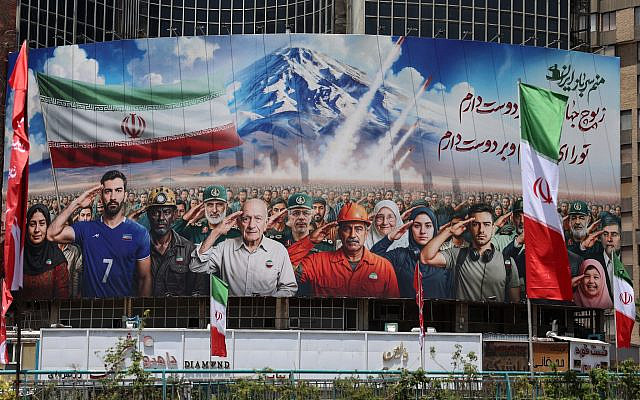
Iran’s leaders are celebrating again. This time, the cause for jubilation is the so-called “victory” of the Twelve-Day War, an episode Tehran now markets as a historic humiliation of both the United States and Israel. The official media landscape bursts with dramatic claims: Iranian missiles “pierced NATO’s defenses,” “Iron Dome collapsed,” and “the age of Western deterrence is over.”
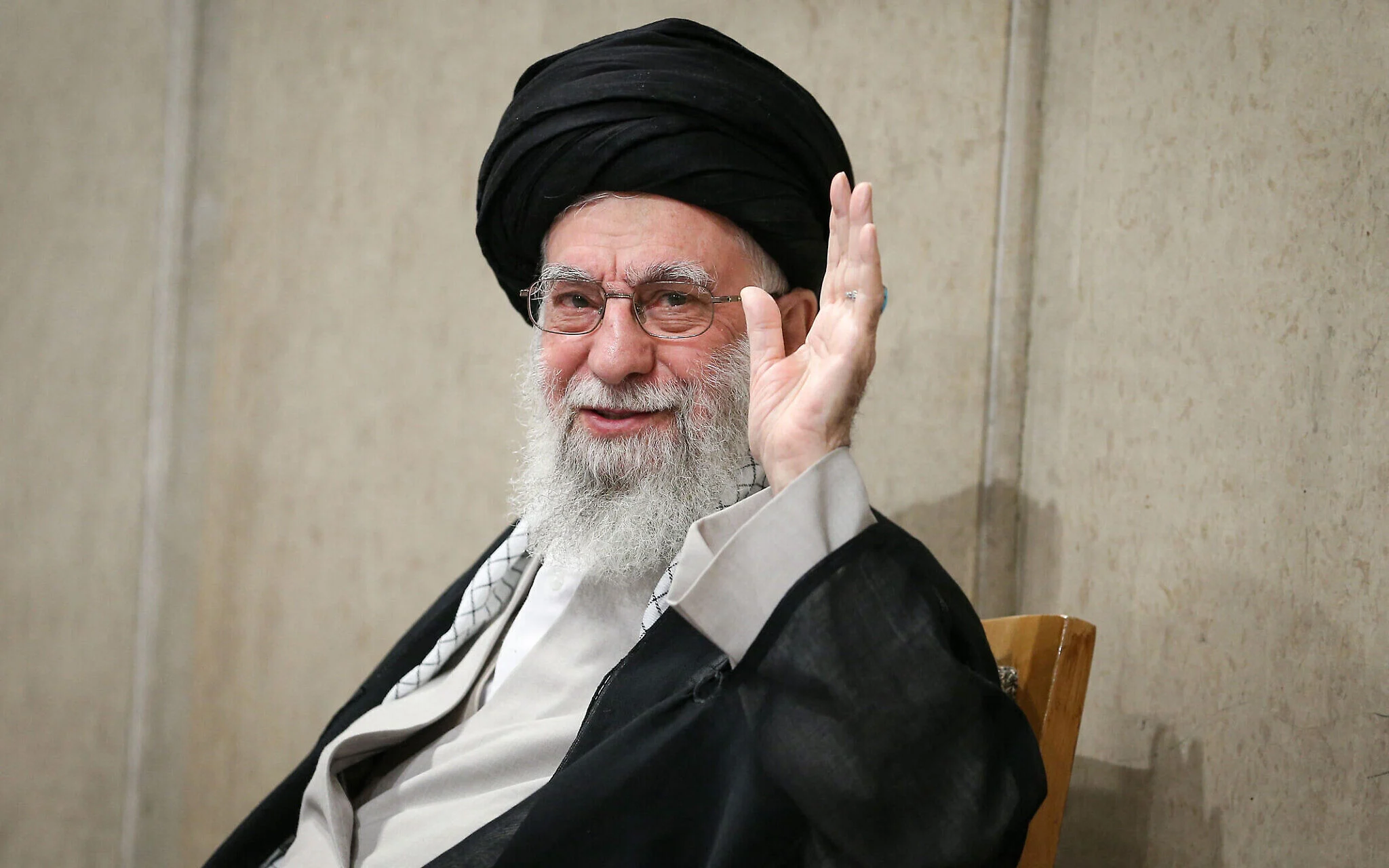
Just last week, Iran’s Supreme Leader Ali Khamenei delivered a televised speech claiming that Israel and the United States “failed and returned empty-handed” from the war. The celebratory narrative is so inflated, so theatrical, that it feels almost designed for parody.
But take even a brief step outside this bubble, and the disconnect is jarring. The country cheering its triumph is the same country in the midst of a profound domestic deterioration. Iran in late 2025 is a state fraying at multiple seams: economic, social, political, while its leaders cling to victory rhetoric like a life raft. The contrast between the regime’s boasts and the public’s lived experience has rarely been sharper. The louder the leadership celebrates, the more surreal the spectacle becomes.
Speeches instead of stability
In reality, the triumphalism is less about military accomplishment and more about survival. With inflation officially near 50 percent, and essential food items soaring over 60 percent, Tehran has discovered that geopolitical arrogance is cheaper than economic competence. Instead of stable prices, it offers missile imagery. Instead of financial relief, it delivers speeches about “shattered Western myths.” Instead of accountability, it produces ever-more extravagant claims of victory. Ordinary Iranians, meanwhile, face shrinking paychecks, rising fuel prices, and a constant sense that the basics of life are slipping further out of reach.
The nuclear file fits this pattern perfectly. Iranian officials insist the nuclear program is unassailable, “embedded in the minds of scientists,” beyond the reach of sanctions or sabotage. The snapback mechanism triggered by Europe is brushed off as a politicized gesture. Parliament even indulges in public deliberations over leaving the NPT, as though withdrawing from a foundational treaty were no more consequential than adjusting a bureaucratic regulation. This swagger is performative as much as strategic: a state that threatens NPT withdrawal every time it feels pressured is not projecting confidence; it is revealing insecurity.
The Twelve-Day War narrative, marketed as proof of Iran’s newfound dominance, serves a similar purpose. Officials repeat claims of penetrating Western air defenses and inflicting “heavy damage” on Washington and Tel Aviv. They emphasize sudden regional visits by Turkish and Saudi diplomats as evidence of Iran’s strengthened geopolitical aura. But beneath the self-congratulation lies a harsher reality: Iran’s regional allies absorbed severe blows, and the country’s internal vulnerabilities were exposed, not concealed, by the confrontation. The victory narrative is therefore less analysis and more anesthesia.
Anything but united
Meanwhile, domestic politics are growing more combustible. Supreme Leader Ali Khamenei now calls for “national unity” and presents full support for President Pezeshkian. Yet the landscape beneath him is anything but united. Iran’s political factions are engaged in open warfare, trading accusations in the press and maneuvering for advantage.
Remarkably, mainstream conservative voices now blame the hardline camp for destabilizing the system and distorting the leader’s guidance. It is an extraordinary reversal: the same radicals who long demanded ideological purity are now cast as the system’s greatest internal threat. The regime urges unity, but the political class behaves like rival courts locked in permanent suspicion.
At the same time, the economic freefall continues, and public frustration is intense: how can the state claim a shortage of foreign currency while easing imports for luxury goods? Even the government’s promised 28 percent salary increase is recognized as meaningless when inflation is twice that. The middle class does not fear inconvenience; it fears collapse.
Internet for the elites
And then comes the “white internet,” which for many Iranians captures the system’s essence more clearly than any economic statistic. A fast, uncensored digital network reserved for officials and loyalist journalists was exposed while the public continues to navigate throttled, heavily censored, overpriced connections. To many, this is not just a technical issue. It is proof of a two-tiered country, where the elite live in a different technological universe. In an era when online access is the last affordable avenue for economic opportunity, this revelation feels like state-sanctioned inequality.
This is the reality beneath the victory parade: roaring claims of triumph abroad, and an increasingly desperate struggle at home. A regime that boasts of humiliating superpowers cannot provide uncensored internet to its own citizens. A state that claims historic military success cannot stabilize the price of basic groceries. A leadership celebrating unity cannot conceal the fact that its own factions are tearing into one another.
Iran’s leaders believe that projecting strength abroad will compensate for fragility at home. But fragility has a way of revealing itself, no matter how many missiles appear on television screens. This “victory” may resonate in the halls of power, but across Iran’s neighborhoods, kitchens, buses, and markets, it looks like exactly what it is – a performance. And no regime, no matter how practiced in spectacle, can rely on performances forever.