
In the Name of Love
“Golde, there’s something I want to ask you.”
“What is it now?”
“Do you love me?”
“Love you? After twenty-five years of marriage, you’re asking me that?”
“Yes. I want to know.”
“We’ve raised children together. I’ve cooked your meals, washed your clothes and looked after our home.”
“I know you have.”
“I’ve shared your worries, endured the difficult years and stood beside you through everything.”
“I know all that too. But it doesn’t answer my question.”
“What more do you want from me?”
“Just tell me whether you love me.”
“Well, after twenty-five years together, I suppose I must.”
“And when I think about it, I suppose I love you too.”
“There. Are you satisfied?”
“Yes. It’s good to know.”
In this adapted exchange from Fiddler on the Roof, Tevye and Golde reveal how quiet, steady affection has grown over the years of their marriage.
For Leah, it was a very different story. Her marriage to Yaakov began with her father Lavan’s deception. Yaakov had worked seven years to marry Rachel, only to discover the following morning that Lavan had substituted Leah.
Leah had become Yaakov’s wife, but Rachel remained the woman he loved.
The Torah tells us:
וַיַּרְא יְהוָה כִּי־שְׂנוּאָה לֵאָה וַיִּפְתַּח אֶת־רַחְמָהּ
And Hashem saw that Leah was unloved, and He opened her womb.
Bereishit 29:31
The Hebrew word senuah literally means hated. Yet Radak, cited by Ramban, explains that it need not imply hatred in the usual sense. Yaakov loved Rachel more than Leah, and Leah lived with the pain of that difference.
Imagine sharing a home with the woman your husband loves more than you. And that woman is your own sister.
When Leah gives birth to Reuven, she declares:
For Hashem has seen my suffering; now my husband will love me.
Bereishit 29:32
With Shimon, she hopes her suffering has been heard. With Levi, she longs for Yaakov to become attached to her.
Three sons, three names, each carrying the same aching hope that Yaakov might finally return her love.
But what happens to our sense of worth when the affection we long for is not returned?
Rabbi Dr Abraham Twerski, reflecting on Leah’s experience, suggests that the names of her first three sons reveal a struggle with self-worth.
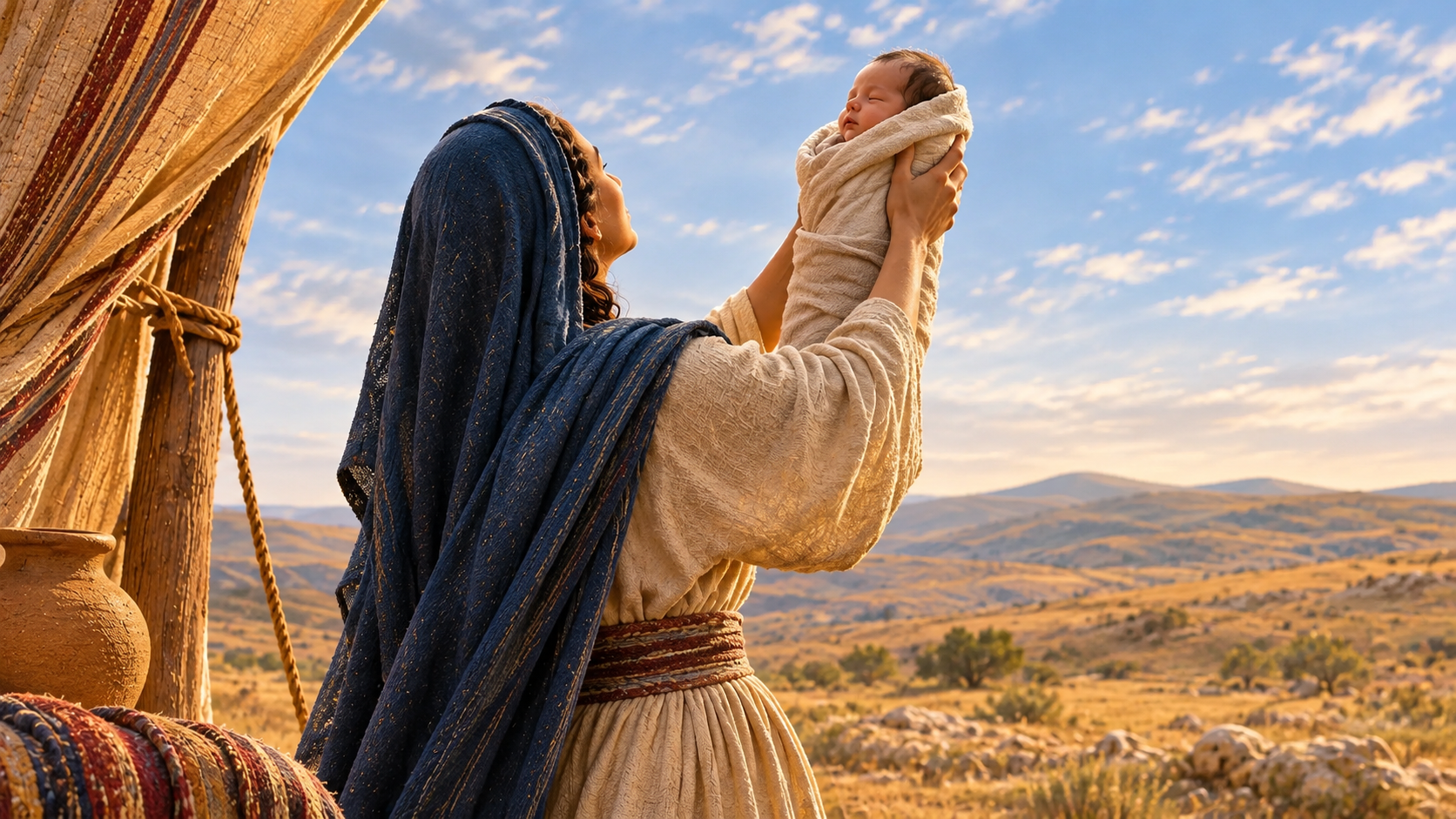
Then another son is born. Leah names him Yehudah.
הַפַּעַם אוֹדֶה אֶת־יְהוָה
This time I will give thanks to Hashem.
Bereishit 29:35
For the first time, Leah’s words are not directed towards winning her husband’s affection. She acknowledges what she has received.
The Gemara (Berakhot 7b) singles out Leah’s thanksgiving as unprecedented since the creation of the world.
The Hebrew word hoda’ah means both thanksgiving and acknowledgement. Leah’s declaration carries both meanings. She has not received the love she longs for, but she can recognise the blessing before her.
Yet gratitude did not erase her pain.
When Reuven brings mandrakes home from the field, Rachel asks for some. Leah responds:
הַמְעַט קַחְתֵּךְ אֶת־אִישִׁי וְלָקַחַת גַּם אֶת־דּוּדָאֵי בְּנִי
Was it not enough that you took my husband? Would you take my son’s mandrakes too?
Bereishit 30:15
Rachel has Yaakov’s affection but longs for children. Leah has children but still longs for his affection. Each sister sees in the other what she herself is missing.
When Yissachar is born, Leah acknowledges a reward from Hashem. And when Zevulun arrives, she declares:
This time my husband will honour me, for I have borne him six sons.
Bereishit 30:20
Little could Leah have known what would come from the names she had given her sons.
From Levi, whose name expressed her longing for closeness, would come the Kohanim, who bless Israel with love.
From Yehudah, whose name expressed her gratitude, would come King David, whose Tehillim (Psalms) give voice to generations of longing, praise and thanksgiving.
From a woman who longed to be loved, yet found reason to give thanks, came the priesthood and the kingship of Israel.
שבת שלום
שמואל